
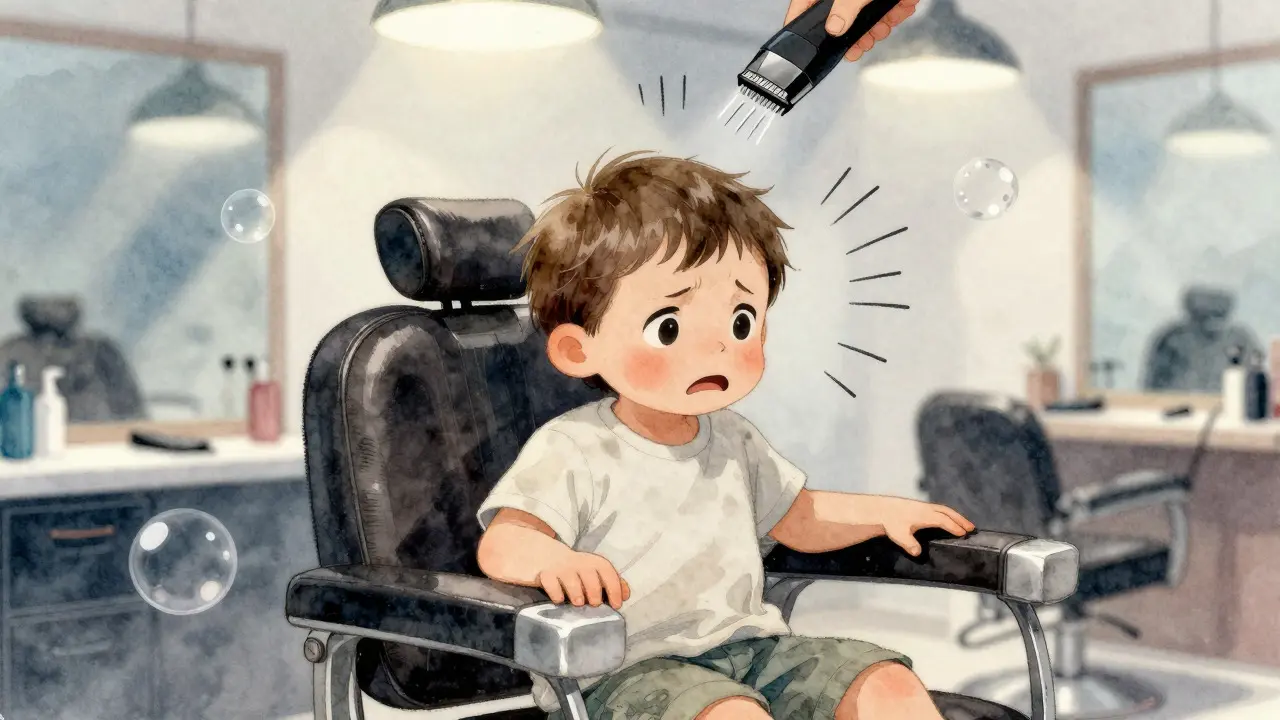
It starts with a whimper, escalates into full-blown panic, and ends with you holding your child down while a stranger swings scissors inches from their eyes. If this sounds familiar, you are not alone. Getting a haircut is one of the most common sources of distress for young children, particularly those between the ages of two and five. But why does something so routine feel like a nightmare to them? The answer isn't just about stubbornness or bad behavior. It’s deeply rooted in how their brains process the world around them.
To help your child get through this without tears (or at least fewer of them), we need to look past the surface. We need to understand the sensory overload, the loss of control, and the physical discomfort that make the barber chair a place of fear. By identifying these triggers, you can turn a chaotic battle into a manageable, even positive, experience.
The Sensory Overload Factor
For many adults, a barbershop or salon is a relaxing environment. For a young child, it is a sensory minefield. Children’s nervous systems are still developing, meaning they process sensory input differently than we do. What seems like background noise to you might be deafening to them.
Consider the specific stimuli involved in a standard haircut:
- Sound: The high-pitched whine of electric clippers is particularly jarring. Studies on auditory sensitivity show that frequencies above 4,000 Hz can cause immediate physiological stress responses in sensitive individuals.
- Touch: The sensation of wet hair sticking to the neck, the cold spray of water, or the tugging of scissors on dry strands can feel painful or ticklish rather than neutral.
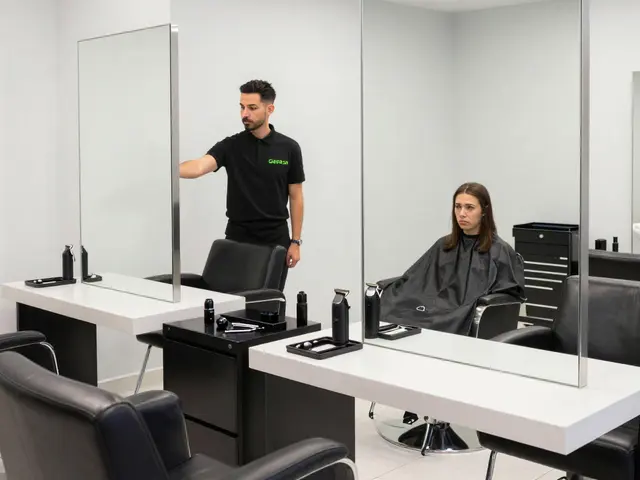
- Sight: Bright overhead lights, mirrors reflecting multiple angles, and strangers leaning in close can trigger a "fight or flight" response.
- Smell: Strong shampoos, perfumes, and aerosol sprays create a chemical cocktail that can be nauseating to a child with a sensitive nose.
When all these inputs hit at once, a child’s brain may simply shut down. They aren't being difficult; they are overwhelmed. Recognizing this shifts your perspective from "my kid is acting out" to "my kid needs support."
The Loss of Control and Autonomy
Toddlers and preschoolers are at a developmental stage where asserting independence is crucial. They want to choose their clothes, their food, and their toys. A haircut strips away this autonomy completely. They are placed in a chair, often restrained by straps or your own arms, while someone else manipulates their head and body.
This lack of agency creates anxiety. When a child cannot predict what will happen next, fear takes over. Will the clipper touch my ear? Will the scissors cut my skin? Will I have to sit still for twenty minutes? The uncertainty is paralyzing.
To counteract this, give them choices wherever possible. Let them pick the shampoo scent. Let them choose which song to listen to during the cut. Allow them to hold the cape or the mirror. Small decisions restore a sense of control, reducing the overall stress level.
Physical Discomfort and Positioning
Let’s be honest: barber chairs are designed for adults. They are tall, hard, and often require a child to dangle their feet off the ground. This position is inherently unstable and scary. Without proper foot support, a child’s core muscles tense up to maintain balance, making it impossible to relax.
Additionally, the act of cutting hair involves pulling and tugging. Even gentle handling can feel invasive. For children with low muscle tone or proprioceptive issues (difficulty sensing their body's position in space), having their head tilted back or held in an unnatural position can be physically uncomfortable or even painful.
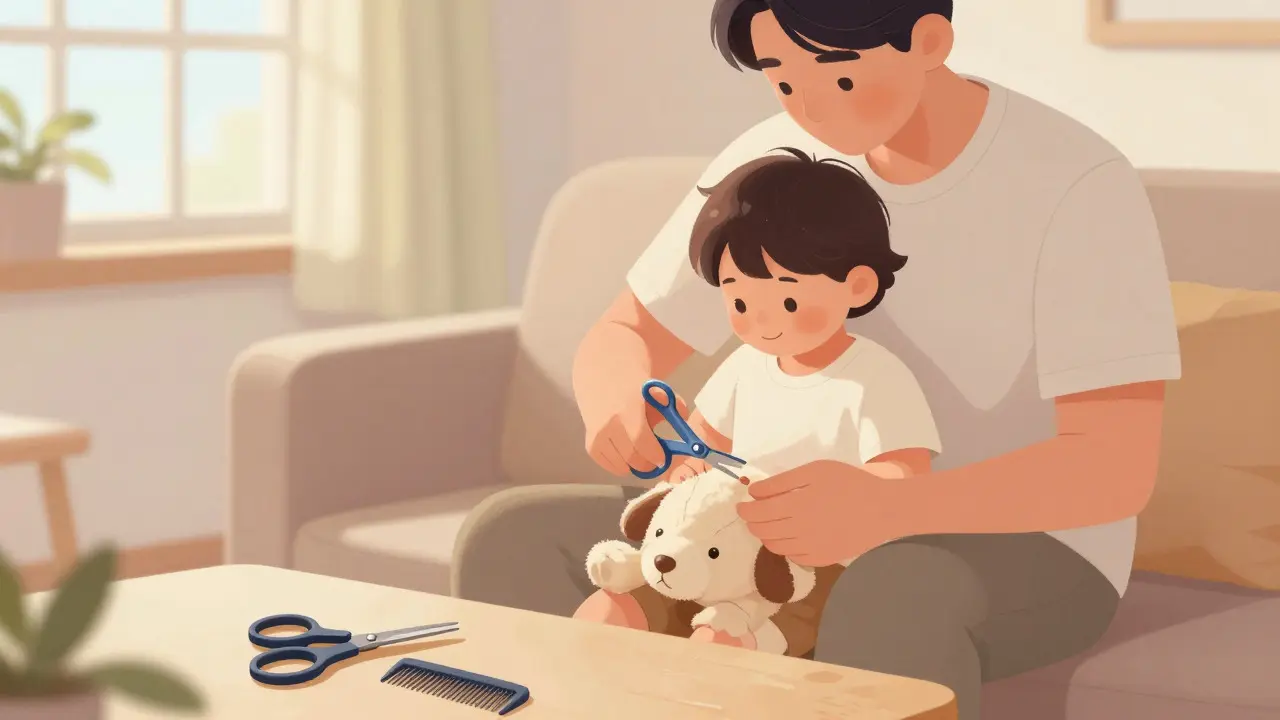
If you notice your child squirming or crying specifically when their head is moved, try cutting their hair at home in a more natural position. Sitting on your lap, facing forward, or lying on a couch can eliminate the instability of the barber chair.
Strategies for a Calmer Haircut Experience
Understanding the "why" is only half the battle. You also need practical tools to manage the "how." Here are evidence-based strategies to reduce anxiety and improve cooperation.
1. Desensitization Through Play
Before the actual haircut, introduce the tools at home. Buy a pair of dull plastic scissors and let your child "cut" your hair, a doll's hair, or even a stuffed animal. Let them hear the sound of clippers by turning them on and off while they are far away, then gradually moving closer. This process, known as systematic desensitization, helps rewire the brain's fear response by associating the tools with play rather than pain.
2. Choose the Right Environment
Not all barbers are created equal. Look for "kid-friendly" salons that specialize in children. These places often feature:
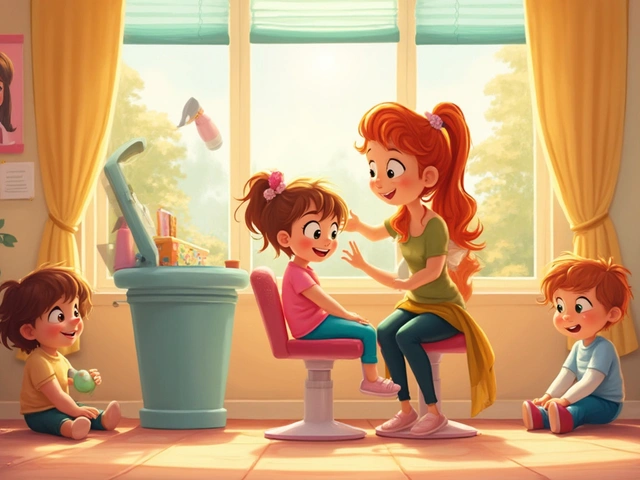
- Themed chairs (race cars, trains) that distract from the cutting process.
- Quiet hours or appointment-only slots to avoid crowds.
- Barbers trained in pediatric care who know how to work quickly and gently.
- No clippers, using only scissors if the child is highly sensitive to noise.
If a traditional salon is too overwhelming, consider mobile hairdressers who come to your home. Familiar surroundings significantly lower cortisol levels.
3. Use Distraction Techniques
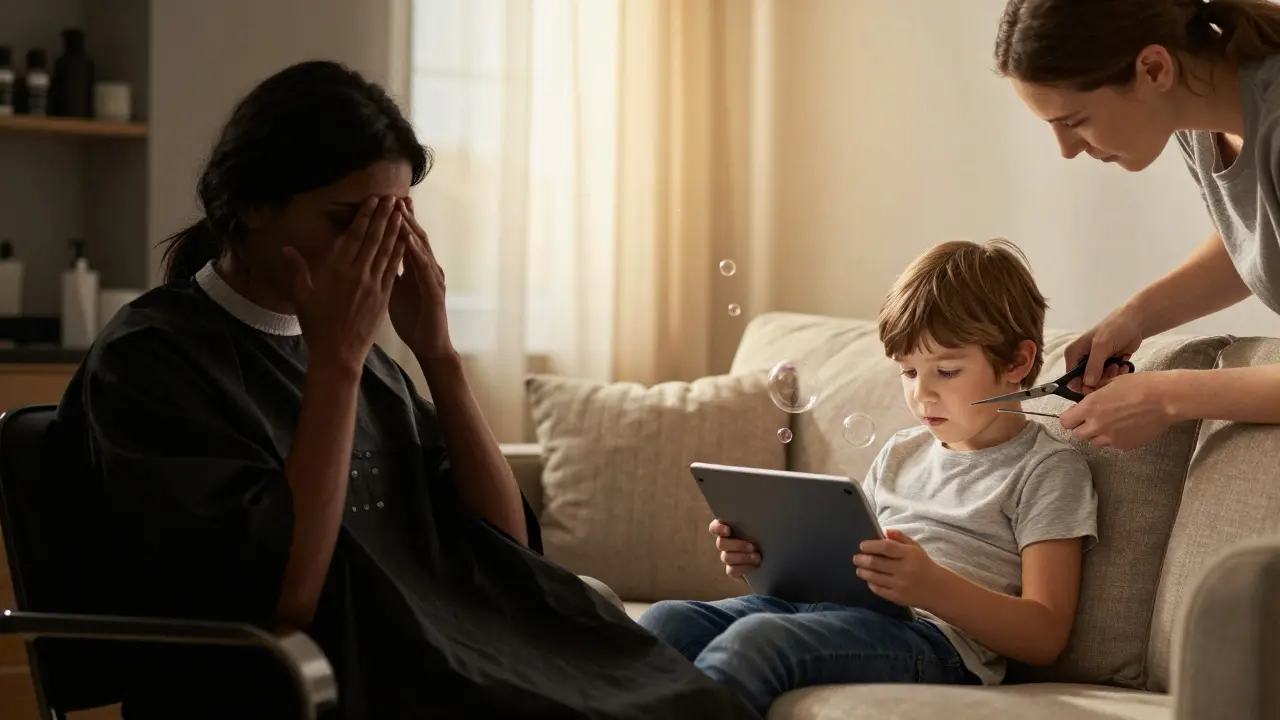
A distracted child is a cooperative child. Bring a tablet loaded with their favorite show, a new toy they’ve never seen before, or a bubble machine. The goal is to redirect their attention away from the sensations of the haircut. For younger toddlers, blowing bubbles is particularly effective because it requires them to keep their mouth open and focus on the bubbles, keeping their head relatively still.
4. Timing Matters
Schedule the haircut when your child is well-rested and fed. Avoid nap times, meal times, or periods when they are typically cranky. A tired or hungry child has less emotional reserve to cope with stress. Early morning appointments are often best, as children are fresher and salons are quieter.
5. Positive Reinforcement
Praise every small victory. Did they sit still for ten seconds? Great job! Did they let the barber touch their hair? Awesome! Afterward, celebrate with a special treat or activity. This builds positive associations with the experience, making the next haircut easier.
Comparison: Salon vs. Home Cutting
| Factor | Professional Salon | Home Cutting |
|---|---|---|
| Environment | Unfamiliar, potentially noisy | Familiar, controlled |
| Cost | $15 - $40 per cut | One-time tool cost ($20-$50) |
| Expertise | High precision, professional results | Variable, depends on parent skill |
| Stress Level | Can be high due to sensory input | Generally lower, customizable pace |
| Time Required | 30-60 minutes including travel | Variable, can be done in short bursts |
When to Seek Professional Help
If your child’s reaction to haircuts is extreme-meltdowns that last hours, physical aggression, or avoidance behaviors that interfere with daily life-it may be worth consulting a pediatric occupational therapist. OTs specialize in sensory integration and can provide personalized strategies to help your child regulate their nervous system. They might recommend weighted vests, noise-canceling headphones, or specific brushing protocols to calm the sensory system before the haircut.
Remember, patience is key. Change doesn’t happen overnight. Some children may never love getting their hair cut, but with understanding and the right techniques, you can minimize the trauma and make it a routine part of life rather than a dreaded event.
At what age should kids start getting regular haircuts?
There is no strict rule, but most parents begin between 18 months and 3 years old. The key is to follow your child's cues. If their hair is long enough to interfere with vision or hygiene, it's time. However, if they are not ready, you can wait until they are more developmentally prepared, usually around age 3 or 4.
How can I prepare my child for their first haircut?
Start by reading books about haircuts or watching videos of other kids getting haircuts. Practice sitting still at home. Let them touch the tools and hear the sounds in a safe, playful context. Visit the salon beforehand without getting a cut to familiarize them with the environment.
Is it better to use clippers or scissors for anxious kids?
Scissors are generally less intimidating because they are silent and don't vibrate. Clippers produce noise and vibration that can trigger sensory sensitivities. If your child is afraid of clippers, ask the barber to use only scissors. It may take longer, but it reduces anxiety significantly.
What if my child screams and fights during the haircut?
Stop immediately. Forcing them to finish will reinforce the negative association. Try again another day with more preparation. Consider breaking the haircut into smaller sessions over several days. Sometimes, a different barber or a home setting makes all the difference.
Can sensory processing disorder be diagnosed in toddlers?
Yes, though formal diagnosis often happens later. Pediatric occupational therapists can assess sensory processing issues in toddlers. If your child shows signs of extreme sensitivity to textures, sounds, or lights in other areas of life, an evaluation can provide valuable strategies for managing these challenges.