


There is no single magic number that tells you when your child is ready for their first eyebrow wax. It depends on skin sensitivity, hair growth patterns, and emotional maturity. Most estheticians recommend waiting until puberty kicks in, usually around age 12 to 14, because hormonal changes make the skin more reactive. If you try it too early, you risk unnecessary pain and irritation on delicate pre-teen skin.
Why Puberty Changes the Game
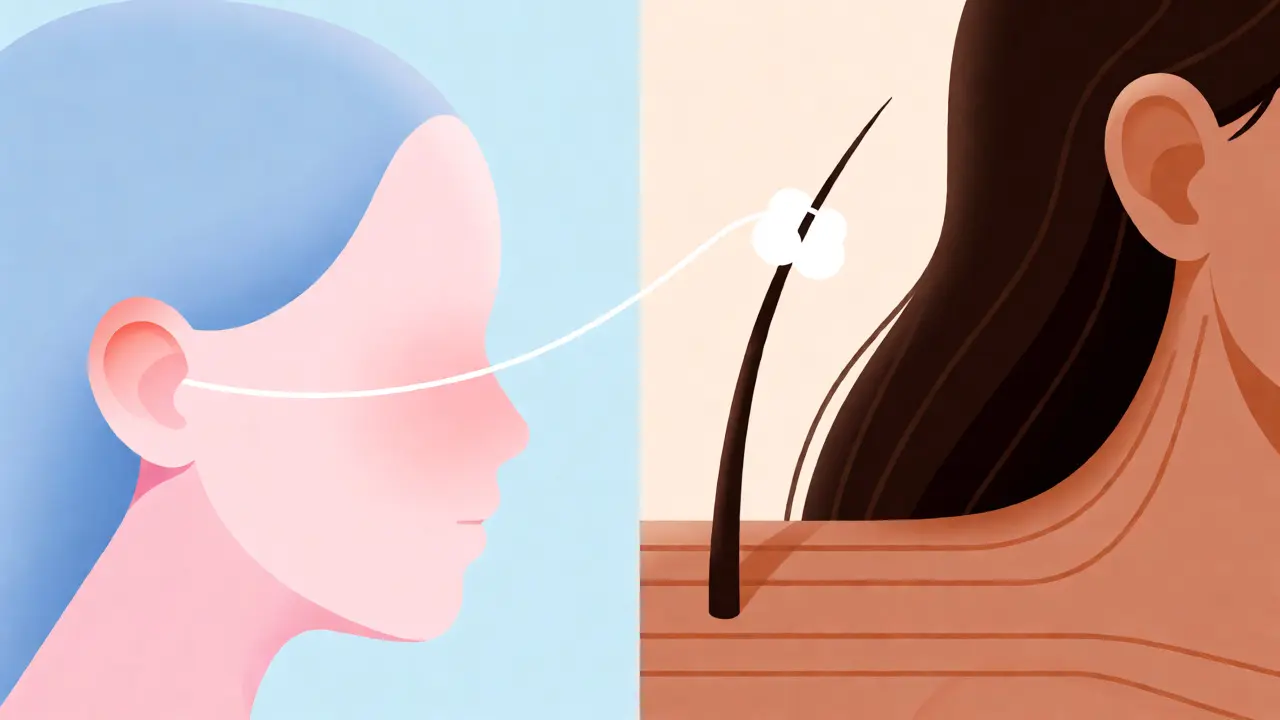
You might notice stray hairs on your own brows or your child’s face before they hit double digits. It’s tempting to grab a tweezer or a strip from the drugstore aisle, but hold off. Before puberty, children have less body fat and thinner skin layers. Their nerve endings are closer to the surface, which makes pulling hair out feel significantly more painful than it does for an adult. Plus, young skin lacks the oil production needed to heal quickly after the trauma of waxing.
Hormones drive this change. During puberty, androgens increase, causing hair follicles to become thicker and deeper rooted. This actually makes waxing more effective because the hair has enough length and strength to be gripped by the wax without breaking. Trying to wax fine, vellus hair (the soft, peach-fuzz type) often results in broken hairs rather than clean removal, leading to ingrown spots and frustration.
The Sweet Spot: Ages 12 to 15
For most teens, the window between 12 and 15 years old is ideal. By this stage, several things align:
- Hair Growth: Brows have developed enough structure to warrant shaping.
- Skin Resilience: The skin barrier is stronger and produces more sebum, aiding recovery.
- Pain Tolerance: Teens generally handle discomfort better than younger children.
- Hygiene Awareness: They understand the importance of keeping the area clean post-wax.
If your daughter or son asks about waxing at 13, it’s likely a safe bet. However, always do a patch test first. Apply a small amount of wax to the inner arm or behind the ear 24 hours prior to check for allergic reactions or excessive redness.
Alternatives for Younger Kids (Under 12)
What if your 9-year-old is self-conscious about a unibrow? Don’t force waxing yet. There are gentler options that achieve similar aesthetic results without the sting:
- Threading: This ancient technique uses cotton thread to twist and pull hairs. It’s precise and doesn’t remove skin cells like wax does, making it less irritating for sensitive young skin. Many salons offer threading for kids as young as 8 or 9.
- Tweezing: Plucking individual hairs with sterile tweezers allows for control. It hurts, sure, but you can stop whenever the child says "stop." It’s best for removing just one or two obvious strays.
- Trimming: Using small, blunt-nosed scissors to trim overly long brow hairs can tidy up the look without any removal from the root.
Avoid depilatory creams for kids under 12. These chemicals break down protein bonds in hair but can cause chemical burns on thin, sensitive facial skin.
Home Waxing vs. Professional Salons
When you decide to take the plunge, you’ll face a choice: DIY kits from stores like Walmart or a professional esthetician. Both have pros and cons, especially for a beginner.
| Feature | Professional Salon | Home Kit (e.g., Walmart) |
|---|---|---|
| Cost | $15-$30 per session | $5-$10 per kit (multiple uses) |
| Skill Level Required | None (done for you) | High (risk of uneven shape) |
| Pain Management | Expert technique minimizes pain | Higher risk of double-dipping or slow pulls |
| Hygiene | Sanitized tools, fresh wax | Risk of bacterial transfer if not careful |
| Best For | First-time waxes, sensitive skin | Touch-ups, experienced users, budget-conscious |
For a first-timer, I strongly recommend booking a professional appointment. An esthetician knows how to apply hard wax (which grips only the hair, not the skin) versus soft wax. They also ensure the angle of removal is correct, reducing bruising. Once your teen has had one or two professional sessions, they’ll understand the process, and you can transition to home kits for maintenance.
Preparing for the First Wax
Preparation prevents disasters. Here is a checklist to ensure a smooth experience:
- Hair Length: Ensure hairs are at least 1/4 inch long. If they are too short, the wax won’t grip; if too long, it hurts more. Trim them slightly if necessary.
- Cleanse: Wash the face with a gentle cleanser to remove oils and makeup. Oily skin prevents wax from adhering properly.
- No Retinols: Stop using retinol-based skincare products (like Differin or Tretinoin) on the brow area for at least 5-7 days prior. These thin the skin and increase the risk of lifting or tearing during waxing.
- Timing: Avoid scheduling right before sports practice or swimming pools, as sweat and chlorine can irritate freshly waxed skin.
Aftercare: Keeping Skin Happy
The work isn’t done when the wax comes off. Post-wax care is critical to prevent bumps and redness, which can last up to 24 hours.
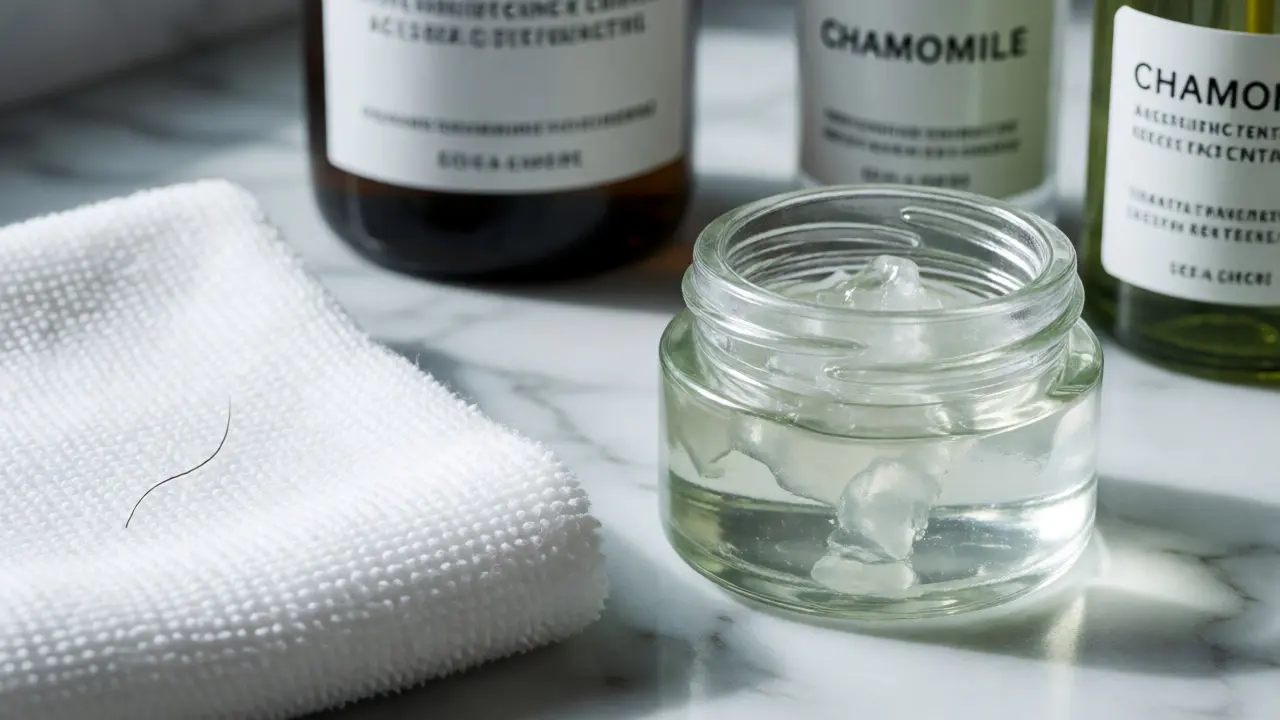
Apply a soothing agent immediately. Aloe vera gel or a product containing chamomile helps calm inflammation. Avoid heavy creams or oils for the first 12 hours, as they can clog open pores. After 24 hours, gently exfoliate the area twice a week with a mild scrub or a washcloth. This stops dead skin cells from trapping new hair growth, which causes those annoying ingrown hairs.
Keep hands off! Touching the brows introduces bacteria. Also, skip the gym, saunas, and direct sun exposure for 24-48 hours. Heat expands blood vessels and can lead to increased redness and swelling.
Common Mistakes Parents Make
One big error is over-plucking. Teens often want super-thin, arched brows based on social media trends. But over-waxing can damage follicles permanently, leading to sparse brows later in life. Stick to cleaning up the outer edges and the space between the brows (the glabella). Let the natural shape remain intact.
Another mistake is ignoring signs of infection. If redness persists beyond two days, or if you see pus-filled bumps, it could be folliculitis. In these cases, pause waxing and consult a dermatologist. Switching to threading or trimming might be necessary until the skin heals.
Frequently Asked Questions
Can a 10-year-old get their eyebrows waxed?
While technically possible, it is rarely recommended. At age 10, skin is very thin and sensitive, making waxing painful and prone to irritation. Threading or tweezing are safer alternatives for this age group.
How much does an eyebrow wax cost at a salon?
In the United States, a standard eyebrow wax typically costs between $15 and $30. Prices vary by location and salon reputation. Home kits from retailers like Walmart cost roughly $5-$10 but require multiple applications to recoup the value.
Does waxing make hair grow back thicker?
No, this is a myth. Waxing removes hair from the root, so it grows back with a tapered tip, which feels softer. Over time, repeated waxing may actually weaken the follicle, resulting in finer hair growth.
How often should teens wax their eyebrows?
Most people need to wax every 3 to 4 weeks. This allows the hair to reach the optimal length for removal while maintaining a neat appearance. Going too frequently can irritate the skin.
Is hard wax or soft wax better for beginners?
Hard wax is generally better for beginners and sensitive areas like eyebrows. It shrinks as it cools and grips only the hair, not the skin, resulting in less pain and fewer ingrown hairs compared to soft wax.


Brandon Olvera
September 4, 2026 AT 09:42My daughter got her first wax at 13 and she cried the whole time. Waste of money.
Elizabeth Brooks
September 5, 2026 AT 13:52Hi there! I totally understand the hesitation but honestly, if you use hard wax instead of soft wax it makes a huge difference for sensitive skin. Hard wax grips the hair not the skin so its way less painful. Also make sure to exfoliate gently a day before so the hairs arent trapped under dead skin cells. Hope that helps!
Deb Kortyna, MBA
September 6, 2026 AT 23:30I must respectfully disagree with the assertion that crying is an inherent outcome of professional waxing services. In my experience, proper technique significantly mitigates discomfort. Furthermore, emotional maturity plays a pivotal role in pain perception. If the child is anxious, the pain threshold lowers considerably. Therefore, preparation and reassurance are just as critical as the technical application of the wax itself. One should consider the psychological state of the individual prior to the appointment.
alex kobri
September 7, 2026 AT 21:14pain is subjective anyway
what feels like fire to one person might be a mild sting to another
its all about how much you dread it beforehand
Zach Loescher
September 9, 2026 AT 17:46That's an interesting point about anxiety affecting pain perception. I've noticed that too when getting things done at the salon. Maybe distracting them during the process helps?
Quintin Franzese
September 10, 2026 AT 20:08Oh absolutely because nothing says 'relaxing spa day' like someone ripping your face apart while you try to maintain eye contact and pretend you aren't dying inside.
Susan Cole
September 11, 2026 AT 20:51I think everyone has different pain tolerances. My niece handled it fine at 14 but my friend's son couldn't even do tweezers.
Tamara Miller
September 12, 2026 AT 21:39Well, isn't that convenient? Some kids can handle it and others can't. How about we stop generalizing? It's lazy thinking to assume every teen reacts the same way. Parents need to assess their own child's sensitivity, not rely on some arbitrary age guideline from a blog post. Honestly, the lack of nuance here is disappointing.
Savara Gunn
September 14, 2026 AT 20:45yeah totally agree with tamara. every kid is different. dont stress too much about the age number. just watch how they react to other stuff like plucking a single hair or whatever. take it slow.
Anthony Miller
September 15, 2026 AT 17:41You people are missing the point entirely.
The issue is not age or pain tolerance but the utter lack of respect for the esthetician's expertise.
Parents treat these professionals like servants and expect perfection without understanding the biology involved.
It is arrogant to assume you know better than a trained specialist based on internet anecdotes.
We should show more gratitude and less entitlement.