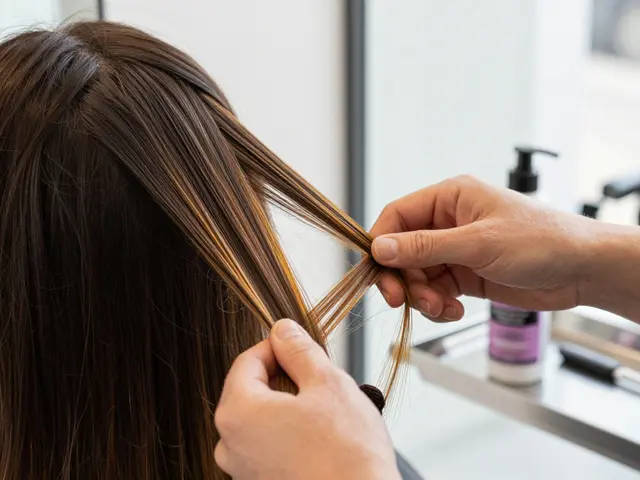

When you're looking for human hair, real hair collected from donors and processed for use in extensions, wigs, or styling. Also known as Remy hair, it's the only type that behaves like your own hair—soft, tangle-resistant, and able to be styled with heat. Not all hair sold as "human" is actually high quality. Some sellers mix in synthetic fibers, use chemical treatments that strip the cuticle, or even pass off animal hair as human. That’s why knowing where to buy human hair matters more than ever.
Most people start by searching online, but not all websites are trustworthy. The best places to buy human hair are salons that specialize in extensions, licensed distributors with transparent sourcing, or brands that let you see lab reports on hair origin and processing. Avoid random marketplaces where sellers don’t list where the hair came from, how it was collected, or whether it’s virgin (untreated). Hair from India, Brazil, and Malaysia is common, but what matters more is whether it’s single-donor, aligned in cuticle direction, and free from acid baths that damage the strand. Remy human hair, hair where all cuticles run in the same direction, reducing tangling and increasing shine is the gold standard. It lasts longer, looks more natural, and holds color better than non-Remy or synthetic options.
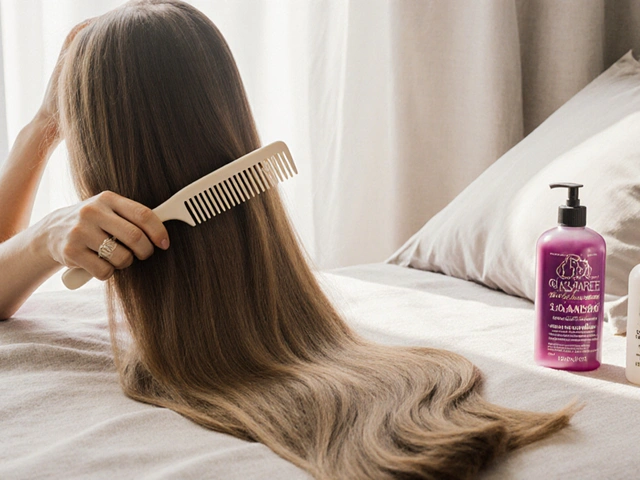
Another thing to watch for is how the hair is sold. Are you buying by weight? Length? Texture? If you’re getting hair for clip-ins or tape-ins, make sure the strands are uniform in thickness and color. Hair that’s too thin or has too many color variations will look patchy. And don’t fall for the "100% human hair" claim without proof—some brands use the term loosely. Ask for a strand test: real human hair burns cleanly and smells like burnt hair, while synthetic melts into a plastic ball. If you’re using the hair for daily wear, you’ll also need to know how to care for it. hair extension care, the routine of washing, brushing, and storing extensions to preserve their life and appearance isn’t optional. Wash it with sulfate-free shampoo, brush from ends up, and store it flat or on a wig stand. Skip the heat if you can, or always use a heat protectant.
There’s a reason why so many people end up disappointed after buying human hair online. They focus on price instead of quality. A cheap bundle might look fine at first, but after a few washes, it tangles, sheds, or turns brassy. Good human hair costs more because it’s handled with care—from collection to packaging. The right source won’t just sell you hair; they’ll tell you how to use it, how long it lasts, and what to expect. You’ll find real reviews, clear return policies, and answers to questions like "Is this hair virgin?" or "Can I bleach it?"
Below, you’ll find honest guides from professionals who’ve seen what works and what doesn’t. Whether you’re new to extensions or trying to fix a bad purchase, these posts cover everything from how to tell real human hair from fake, to which brands actually deliver on their promises, and how to make your investment last. No fluff. Just what you need to know before you click buy.
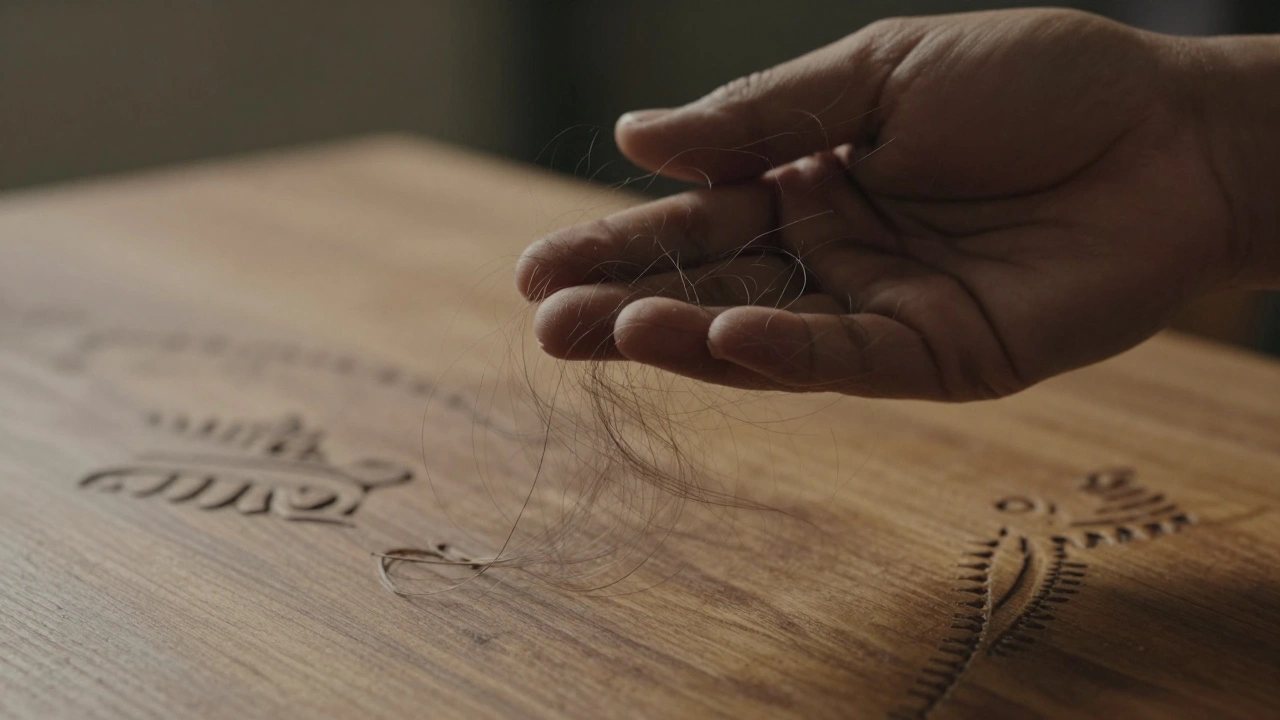
Learn who sells real human hair weaves and how to avoid scams. Discover trusted vendors, what to look for, and how to test hair quality before you buy.
 13
13