

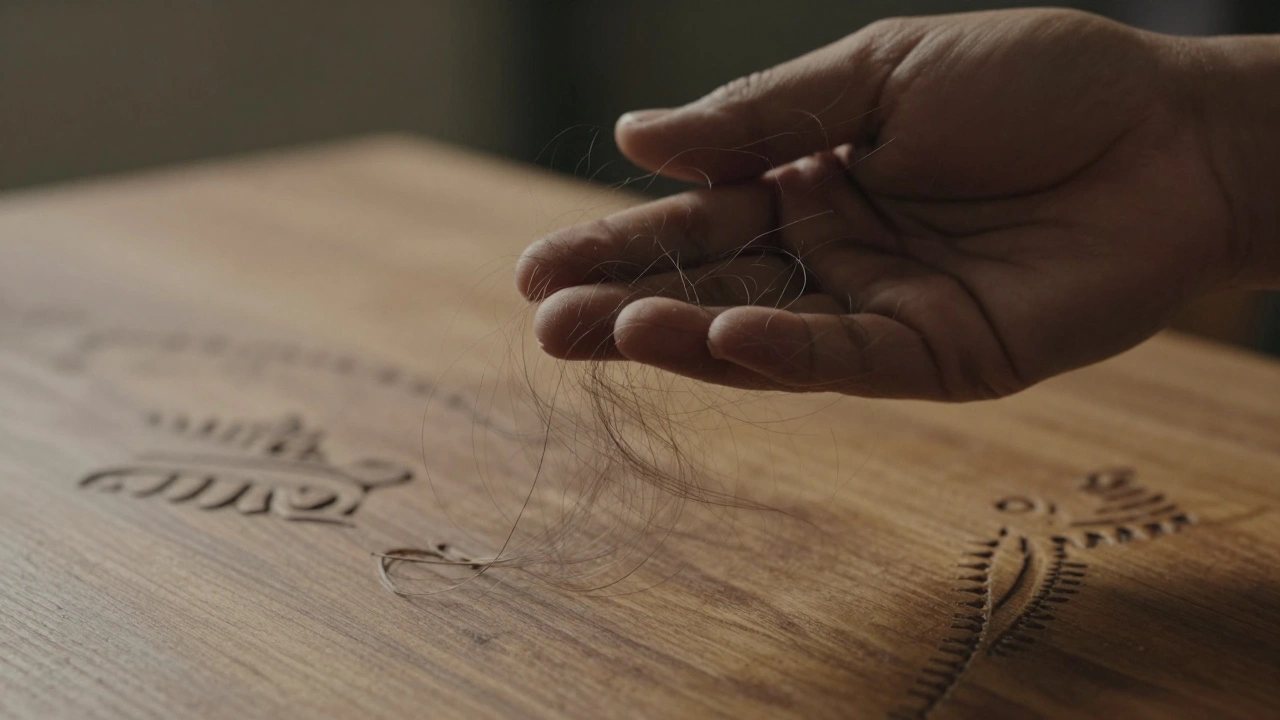
Not all human hair weaves are created equal. If you’ve ever bought a weave that looked synthetic, tangled after one wash, or shed like a dog in spring, you know the frustration. The truth? Finding a real, high-quality human hair weave isn’t just about spending more money-it’s about knowing who sells human hair weaves that actually deliver what they promise.
Where Real Human Hair Weaves Come From
Most genuine human hair weaves originate from India, Brazil, Malaysia, and China. But the country of origin doesn’t guarantee quality. What matters is how the hair is collected, processed, and treated. Hair sold as "100% human" can still be mixed with synthetic fibers, chemically stripped, or coated in silicone to look shiny and smooth-until you wash it. Then it frizzes, tangles, or falls apart.
Reputable suppliers source hair directly from donors, often through salons or community programs. In India, many vendors collect hair from temples where devotees offer their hair as part of religious rituals. This hair is typically unprocessed, with intact cuticles, which means it lasts longer and blends better with natural hair. Brazilian hair is prized for its natural wave and thickness. Malaysian hair tends to be silky and straighter. Each type has its own texture and care needs.
Who Actually Sells Quality Human Hair Weaves?
You won’t find top-tier human hair weaves at big-box retailers or random Amazon sellers. The best vendors are specialized, often family-run businesses with years of experience. They don’t advertise on TikTok ads or offer "90% off" sales every other week. Instead, they build trust through transparency and customer service.
Here are the kinds of sellers you should look for:
- Specialized hair extension boutiques - These are often brick-and-mortar shops in cities like Houston, Atlanta, or Los Angeles, with online stores. They let you touch the hair before buying, offer samples, and answer questions about processing methods.
- Verified online vendors with real reviews - Look for sellers with hundreds of verified customer photos, not just star ratings. Sites like Etsy or Shopify stores with detailed product videos and return policies are better than generic marketplaces.
- Salon distributors - Many professional hairstylists source their hair from trusted wholesalers. Ask your stylist where they get their weaves. If they’re honest, they’ll tell you-no hesitation.
- Direct-from-source suppliers - Some companies work directly with collectors in India or Brazil. They ship raw, unprocessed bundles with documentation showing the hair’s origin. These are often more expensive but offer the highest quality.
One example: A Houston-based vendor called TrueLocks sources hair from temple donations in Tamil Nadu, India. They don’t bleach or dye the hair. Each bundle comes with a batch number you can trace back to the donor region. Their customers report 2-3 years of wear with proper care. That’s not luck-that’s transparency.
Red Flags That Mean You’re Being Scammed
There are too many fake human hair weaves out there. Here’s how to spot them before you spend your money:
- Price too good to be true - A 24-inch, 10-ounce bundle for $20? That’s not human hair. Real virgin hair costs at least $80-$150 per bundle.
- No donor information - If the seller won’t tell you where the hair came from, don’t buy it. Real suppliers are proud of their sourcing.
- "100% Remy" without proof - Remy means the cuticles are aligned in one direction. That’s what makes hair smooth and tangle-free. But many sellers slap "Remy" on everything. Ask for a cuticle test: real Remy hair won’t tangle when you rub it backward.
- Zero customer photos - If every review says "amazing hair!" but there are no real pictures of the weave on someone’s head, be skeptical.
- No return policy - If you can’t return it if it’s not what you expected, that’s a huge red flag.

How to Test Hair Before You Buy
Even if you’re buying online, you can still test the hair. Most reputable sellers offer sample bundles for $5-$15. Here’s how to check them:
- Smell it - Real human hair has a faint, neutral odor. If it smells like chemicals or plastic, it’s been processed too much.
- Do the burn test - Take a single strand and hold it over a flame. Real hair will curl, smell like burnt hair, and turn to ash. Synthetic hair will melt, smell like plastic, and form a hard ball.
- Check the cuticle - Run your fingers from the tip to the root. If it feels rough or catches, the cuticles are damaged or reversed. Real hair should feel smooth in one direction, slightly gritty in the other.
- Wash it - Wash the sample with sulfate-free shampoo. If it sheds more than 5-10 strands, it’s low quality. Real hair should hold up.
What to Expect When You Pay for Quality
Good human hair weaves cost more because they’re made with care. Here’s what you’re actually paying for:
- Unprocessed hair - No acid baths, no silicone coatings, no dye. Just clean, natural hair with intact cuticles.
- Consistent texture - Every strand in the bundle matches in thickness, curl pattern, and color. No patchy blends.
- Longevity - With proper care, a high-quality weave lasts 1-3 years. You’ll get 10-15 wears out of it.
- Blends naturally - It looks and feels like your own hair. No one will know it’s a weave.
- Customer support - If you have questions, someone answers them. No bots. No 7-day wait.
One client from Dallas bought a $140 bundle from a small vendor in Georgia. She wore it for 22 months, washed it weekly, and never had a single tangle. She says: "It cost more upfront, but I saved hundreds by not replacing it every three months."

Where to Start Your Search
Don’t scroll through endless TikTok ads. Start here:
- Search for "virgin human hair weaves direct from India" or "Brazilian Remy hair without chemicals"
- Look for vendors with YouTube videos showing the hair being washed, stretched, and styled
- Join Facebook groups like "Human Hair Weave Buyers & Sellers"-members share honest reviews and vendor recommendations
- Ask your stylist for their supplier list. Many have wholesale accounts and will sell to clients at cost
One of the most reliable names in the industry is Hair by Sana-a Houston-based business that’s been sourcing temple hair since 2017. They don’t have a flashy website, but their customers come back year after year. Why? Because they stand by their product. If you’re unhappy, they send you a new bundle-even if it’s been six months.
Why Customer Service Matters More Than Price
Here’s the secret most people miss: The best human hair weaves aren’t sold-they’re supported. The vendor who answers your email at 9 p.m. on a Friday, who sends you a video of the hair before shipping, who tells you exactly how to care for it-that’s the vendor worth your money.
Some sellers will tell you their hair is "the best" and vanish after payment. Others will walk you through choosing the right density, color match, and length. They’ll even send you swatches. That’s the difference between a transaction and a relationship.
Human hair weaves aren’t just a product. They’re part of your identity, your confidence, your daily routine. You deserve someone who treats it that way.
Is human hair weave worth the cost?
Yes-if you care about how it looks, feels, and lasts. A $50 synthetic weave might look fine for a week, but it frizzes, tangles, and fades fast. A $120 human hair weave can last two years with proper care. Over time, you save money and avoid the stress of constant replacements.
Can I buy human hair weaves at Walmart or Target?
No. Stores like Walmart and Target sell synthetic or low-grade human hair blends. They’re designed for short-term use and often contain plastic fibers. The hair may look shiny in the package, but after one wash, it’ll lose its texture and shed heavily. Stick to specialized vendors if you want real results.
How do I know if the hair is Remy?
Remy hair has all cuticles aligned in the same direction. To test it, run your fingers from the tip to the root-it should feel smooth. Run it backward, and it should feel slightly rough. If it feels smooth both ways, it’s likely non-Remy or processed. Ask the vendor for a cuticle test video or sample.
What’s the difference between virgin and processed human hair?
Virgin hair has never been chemically treated-no dye, bleach, or relaxer. It’s in its natural state, with intact cuticles. Processed hair has been stripped, colored, or permed. It’s cheaper but doesn’t last as long and tangles easily. Virgin hair is always the better investment if you want durability and natural movement.
Do I need to buy a full bundle or can I get just a few strands?
Most vendors sell hair in bundles (usually 100g each), but some offer smaller quantities for touch-ups or partial weaves. If you’re only adding volume to the crown, you might only need one bundle. For a full head weave, you’ll typically need 2-3 bundles depending on length and density. Always ask how many bundles are recommended for your desired look.
Next Steps: How to Make Your First Purchase
Don’t rush. Start small:
- Find 2-3 vendors with real reviews and clear sourcing info
- Order a sample bundle from each (costs $5-$15)
- Test them using the burn and cuticle methods
- Wash and style them like you would your own hair
- Compare how they hold up after 3-5 washes
- Choose the one that feels most like your natural hair
Quality human hair weaves aren’t a one-time purchase. They’re an investment in how you feel every day. Take your time. Ask questions. Don’t settle for less than what your hair deserves.



Emmanuel Sadi
December 5, 2025 AT 18:21Wow another post pretending to be helpful but really just shilling for some Houston boutique. Real talk? Most of this is just marketing fluff wrapped in religious imagery. Temple hair? Yeah right. That’s just a fancy way to say ‘we buy hair from poor women who don’t know its value.’
Nicholas Carpenter
December 6, 2025 AT 23:36I’ve bought from TrueLocks and Hair by Sana - both are legit. I used to get ripped off on Amazon until I learned the burn test. Now I always order a sample. It’s worth the $10. Real hair smells like nothing. Fake hair smells like a chemistry lab.
Chuck Doland
December 8, 2025 AT 22:17The distinction between virgin and processed human hair is not merely semantic; it is a fundamental ontological difference in material integrity. The preservation of the cuticular layer constitutes the primary criterion for determining the longevity and aesthetic fidelity of the product. One must therefore exercise epistemic vigilance in sourcing, as the commodification of biological material demands ethical and empirical rigor.
Madeline VanHorn
December 9, 2025 AT 08:07Ugh. I can’t believe people still fall for this. If you’re buying hair from India you’re literally supporting exploitation. And don’t even get me started on ‘Remy’ - that’s just a buzzword. Real women don’t wear weaves. They just grow their hair out.
Glenn Celaya
December 10, 2025 AT 14:11Who even cares anymore? I bought a $40 weave on Temu and it lasted 6 months. All this talk about temple donors and cuticles is just rich people guilt. I don’t need to know where my hair came from I just need it to look good for a party
Wilda Mcgee
December 11, 2025 AT 10:40Y’all need to stop overcomplicating this. The burn test is your BFF. If it smells like burnt toast and turns to ash - you’re golden. If it melts like a plastic spoon in the microwave? Run. Also - if a vendor doesn’t send you a video of the hair in motion? That’s a red flag. Hair should sway like it’s got a soul. Fake hair just bounces like a cheap wig from a Halloween store.
Chris Atkins
December 12, 2025 AT 07:04Been doing this for 10 years. Best tip? Talk to your stylist. They get it wholesale. No middleman. No lies. Just real hair. And yeah sometimes it’s cheaper than Amazon. I got a 24 inch bundle for $95 from my girl in Atlanta. She even sent me a photo of the donor’s village. No cap.
Jen Becker
December 14, 2025 AT 05:12So you’re telling me I should pay $150 for hair when I can get a $30 one that looks the same for two weeks? No thanks. I’m not paying for a relationship. I’m paying for a weave. Period.
Ryan Toporowski
December 15, 2025 AT 18:34YES to samples!! 😊 I did this last year and saved myself $400. One vendor sent me a little swatch with a handwritten note. I cried. Not because it was expensive - because someone actually cared. 🤍
Samuel Bennett
December 16, 2025 AT 00:47Anyone else notice how every vendor says their hair is virgin but none of them have FDA certification? This is a scam. Hair is a biological product. You can’t just say it’s virgin. There should be lab reports. I’m filing a complaint with the FTC tomorrow
Rob D
December 16, 2025 AT 20:15India? Brazil? Please. Real American women don’t wear imported hair. We grow our own. This whole industry is just another way for woke corporations to guilt-trip Black women into buying overpriced junk from foreign temples. Buy local. Support American hair salons. That’s the real solution.
Franklin Hooper
December 17, 2025 AT 14:56The burn test is unreliable. Synthetic fibers can be engineered to mimic human hair combustion. The cuticle test is equally flawed. Without spectrometric analysis, all claims are anecdotal. You’re being manipulated by pseudoscientific folklore wrapped in influencer aesthetics.
Jess Ciro
December 19, 2025 AT 07:47They’re lying about the temple hair. It’s all from forced labor camps in China. The whole ‘donor’ thing is propaganda. I saw a documentary. The hair is harvested from prisoners. You think you’re supporting a woman’s faith? You’re funding a human trafficking ring. Wake up.