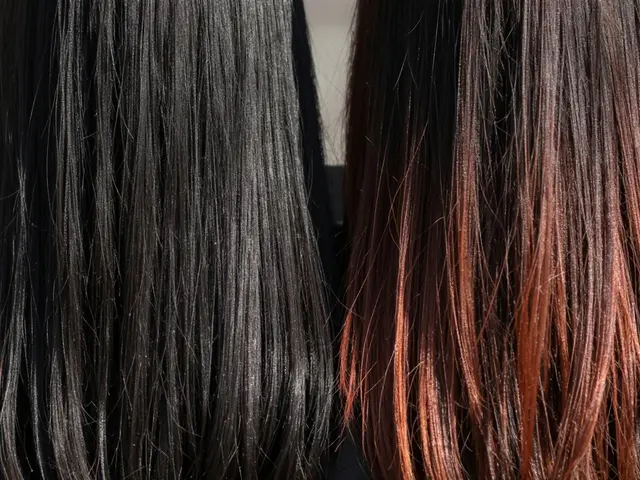

When you hear hand tied hair extensions, a type of hair extension where individual strands are manually tied to a thin, flexible weft. Also known as hand-tied wefts, they’re designed to lie flat against your scalp and move like your own hair—no bulk, no bumps, no obvious tracks. Unlike clip-ins or tape-ins, these aren’t glued or clipped on. They’re sewn into a small section of your natural hair, creating a seamless blend that lasts for months. This method is especially popular with women who have thinning hair, fine textures, or just want to avoid the damage that comes from heavy wefts or adhesive.
What makes hand tied extensions different isn’t just how they’re made—it’s how they feel. They’re lighter than most other types, which means less pull on your scalp. That’s why they’re often recommended for people who’ve tried other extensions and ended up with headaches, breakage, or visible lines. They also work well with halo extensions, a single weft that wraps around the head with a hidden wire. While halo extensions are quick to put in, hand tied ones offer more customization—you can place them exactly where you need volume, whether it’s at the temples, crown, or nape. They’re also compatible with tape in extensions, a method using double-sided tape to bond strips of hair. But unlike tape-ins, which need professional removal every 6-8 weeks, hand tied extensions can be adjusted and re-sewn as your hair grows, making them a more sustainable choice. Most are made from 100% Remy human hair, so you can wash, style, and heat them like your own hair—no weird textures or synthetic shine.
If you’ve ever looked in the mirror and wished your hair looked fuller, especially around the crown or sides, hand tied extensions might be the quiet solution you’ve been missing. They don’t scream "extensions"—they just look like better hair. And because they’re custom-fit to your head shape and hair density, they don’t slip or shift like clip-ins can. You can tie your hair up, go for a run, or sleep without worrying about them falling out. They’re also ideal if you’re transitioning out of color or trying to grow out a bad cut—you can add length and volume without waiting months for your natural hair to catch up.
What you’ll find in the posts below are real stories and practical tips from people who’ve used these extensions—whether they’re trying to fix thinning after menopause, add length to short hair, or just get that salon-worthy volume without the price tag. You’ll see how to care for them so they last, which brands actually deliver on quality, and why some women swear by them over every other type out there. No fluff. No hype. Just what works.
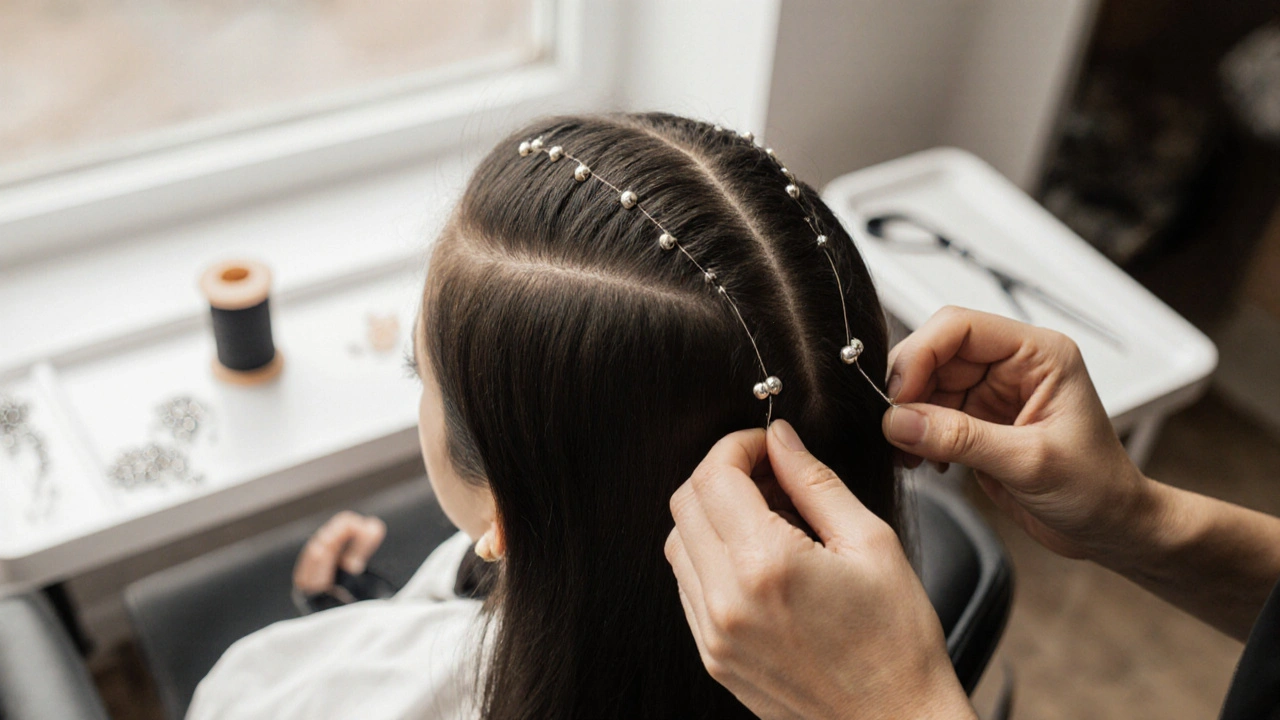
Hand tied and tape in hair extensions both add length and volume, but which is better for your hair type and lifestyle? Learn the real differences in durability, comfort, cost, and hair health.
 15
15