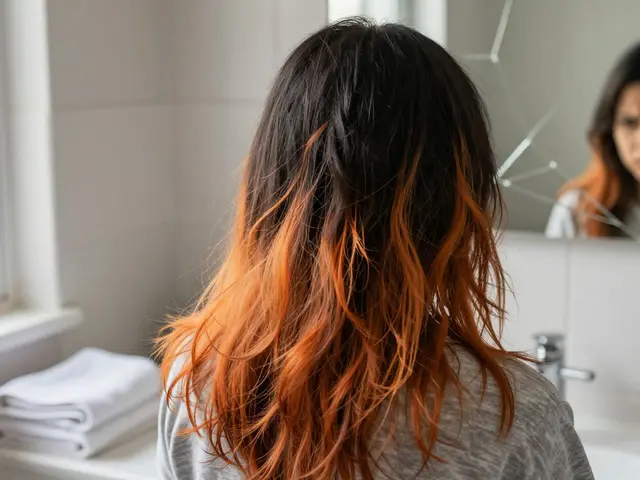

When you hear "level 7" or "level 10" in a salon, it’s not random jargon—it’s the universal hair color levels, a standardized scale from 1 to 10 that measures how light or dark a hair color is, with 1 being jet black and 10 being the lightest platinum blonde. Also known as hair dye levels, this system helps stylists match your natural color to the right product and predict how your hair will react to bleach or toner. If you’ve ever walked out of a salon disappointed because your "light ash blonde" turned orange, you weren’t alone. Most of the time, it’s because the level wasn’t properly understood—or matched—to your starting point.
Think of hair color levels like a ladder. Level 1 is the bottom rung: deep black, almost blue-black, common in natural Asian, Indian, or Middle Eastern hair. Level 5 is medium brown, the most common natural base in many Western populations. Level 8 is light blonde, often the target for people wanting to go from brunette to beachy. And level 10? That’s the top—pure, icy platinum, the kind you see on fashion runways. But here’s the catch: your natural level affects everything. If you’re level 4 (dark brown) and want level 9 (light blonde), you’re going from dark to very light. That’s not just a dye job—it’s a full lift, usually requiring bleach. Skip that step, and you’ll end up with muddy, brassy results. That’s why salons always check your level first, before picking a product.
It’s not just about lightness. The level also tells you how much pigment you’re working with. Level 1-3 colors are packed with dark pigments, so they cover gray better but can look harsh if you have fine hair. Level 7-9 are more transparent, so they blend naturally with highlights but won’t hide gray unless you use a deposit-only formula. And if you’re trying to go from level 6 to level 8, you might not need bleach at all—just a high-lift dye. But if you’re going from level 5 to level 10? You’re in for multiple sessions. That’s why so many posts here talk about hair color shampoos, a gentler, gradual way to adjust your tone without damaging your hair, or why ammonia in hair dye, a chemical that opens the hair shaft to let color penetrate deeper is still used for major lightening, even though many people want ammonia-free options.
What you’ll find in the posts below are real, practical answers to the questions nobody tells you: Why does my color fade so fast? Why does my gray keep showing up even after I dye? What’s the difference between level 6 and level 7? You’ll learn how to read a color chart, how to pick the right shade for your skin tone, and how to avoid the most common mistakes that turn a $200 salon visit into a $400 correction. No fluff. No marketing. Just what works.
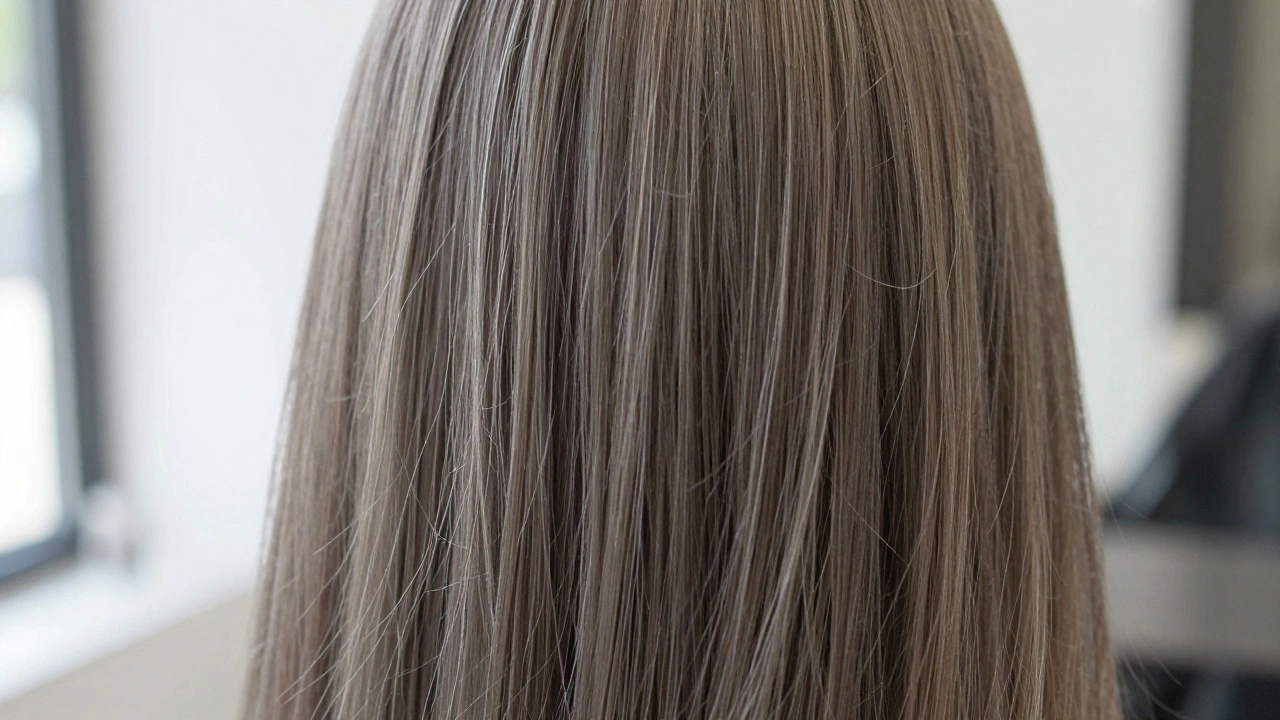
Mousy hair isn't dark blonde or light brown-it's a cool-toned, neutral shade that sits between them. Learn why professionals classify it as light brunette, how to care for it, and why it's becoming a sought-after natural color.
 10
10