

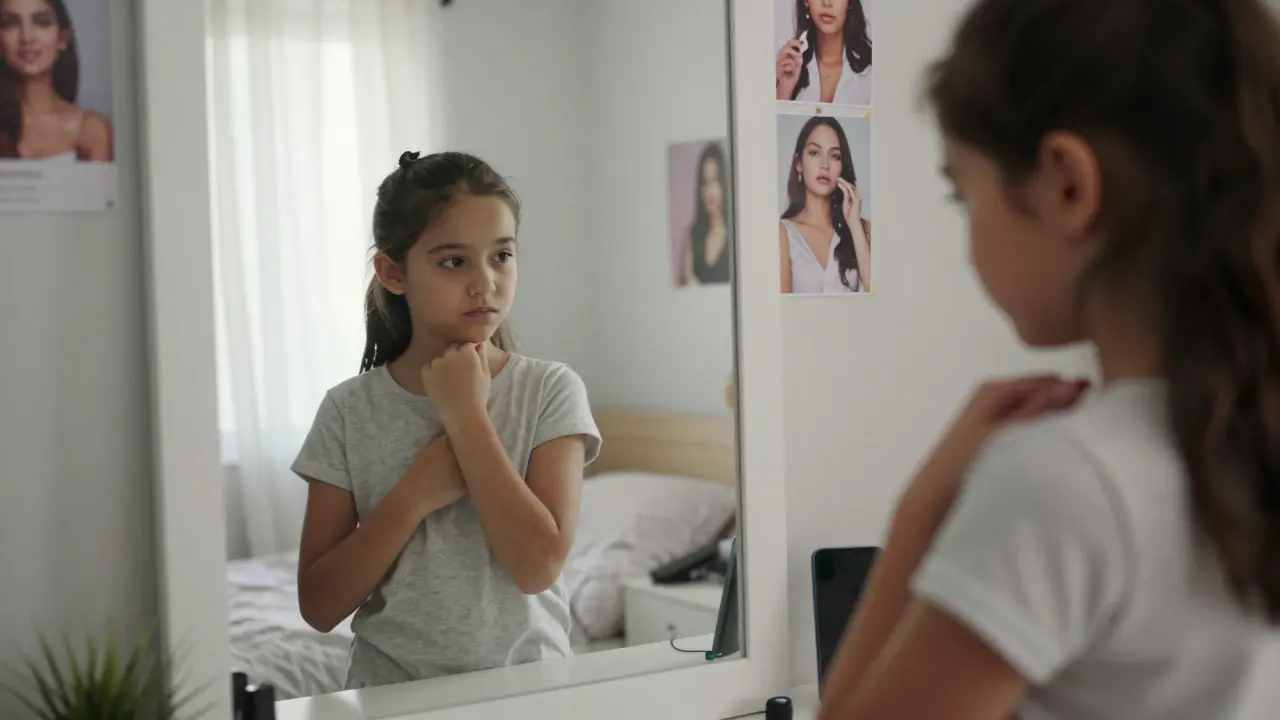
When your 12-year-old starts asking about armpit waxing, it’s not just a beauty question-it’s a developmental one. Puberty hits differently for every kid. Some start showing body hair as early as 8 or 9. Others don’t see a trace until they’re 14. But when that first patch of underarm hair appears, the pressure to remove it can come fast-from friends, social media, or even well-meaning relatives. The real question isn’t whether it’s possible to wax at 12. It’s whether it’s wise.
What does the science say about skin at age 12?
At 12, a child’s skin is still maturing. It’s thinner, more sensitive, and more prone to irritation than adult skin. The American Academy of Dermatology notes that teenage skin has higher oil production and less developed barrier function, making it more vulnerable to chemical burns, ingrown hairs, and infections after hair removal. Waxing pulls hair out from the root. That’s a forceful process. Even professional estheticians avoid waxing children under 13 unless there’s a medical reason.
Think about it: if you’ve ever had a bad waxing experience as an adult-redness, swelling, a painful breakout-you know how rough it can be. Now imagine that happening on skin that’s still growing. A 2023 study in the Journal of Pediatric Dermatology tracked 200 adolescents aged 10-16 who underwent regular waxing. Over 68% reported at least one episode of folliculitis (infected hair follicles) within six months. Nearly 1 in 5 developed hyperpigmentation that lasted over a year.
Why do kids want to wax their armpits?
Most kids don’t wake up one day and decide they hate their body hair. They see it everywhere. TikTok videos show influencers with perfectly smooth underarms. Instagram ads for teen waxing kits scream "Confidence starts with clean skin." Even toy commercials now feature pre-teens with bare arms. The message is clear: body hair = unattractive, unhygienic, embarrassing.
But here’s what’s missing from those ads: the fact that body hair is normal. Natural. It’s not a flaw. It’s a sign your child’s body is doing exactly what it’s supposed to do. When we push kids to remove it early, we’re not helping them feel better-we’re teaching them that their natural biology needs fixing.
What are the risks of waxing at 12?
- Skin damage: Waxing can cause burns, blisters, or scarring on delicate skin.
- Infections: Open hair follicles after waxing are entry points for bacteria like staph.
- Pain trauma: The pain of waxing can be intense. For some kids, it leads to anxiety around body care or even avoidance of medical exams later.
- Dependence: Once you start removing hair, it often becomes a routine. Many teens who begin waxing at 12 are still doing it at 18-and sometimes feel shame if they skip it.
- Wrong timing: Hormones are still shifting. Hair growth patterns change. Waxing now might mean you’re removing hair that will thin out naturally in a year or two.
There’s also the emotional cost. If a child feels they need to wax to be accepted, that’s not confidence-it’s insecurity being sold back to them. And it’s not just about looks. In one 2024 survey of 1,200 U.S. teens aged 11-14, 41% said they felt "uncomfortable" or "ashamed" of their body hair. Of those, 62% had tried to remove it. Only 18% had talked to a parent or doctor first.

What do pediatricians and dermatologists recommend?
Most experts agree: wait. The American Academy of Pediatrics doesn’t set a hard age limit, but they strongly advise against cosmetic hair removal before puberty is well underway-typically around 14 or older. The Academy of Dermatology says if hair removal is necessary, shaving is the safest option for younger teens. It’s temporary, doesn’t damage the skin, and doesn’t cause ingrown hairs as often.
Some parents worry about hygiene. But body hair doesn’t cause odor. Sweat does. And sweat is perfectly normal. A daily shower and mild soap are all that’s needed. Deodorant works fine with hair. No one needs to be hairless to be clean.
What should parents do instead?
If your child is asking about waxing, don’t say no right away. Say: "Tell me why you want to do this." Listen. Ask what they’ve seen online. Talk about media influence. Share your own experiences-if you’ve ever felt pressure to remove hair, say so. Normalize the conversation.
Offer alternatives:
- Teach them how to shave safely-with a clean razor, shaving cream, and gentle strokes.
- Let them know they can choose to leave it alone. Many adults never remove underarm hair and live perfectly healthy lives.
- Buy them a simple, teen-friendly deodorant. Some are made for sensitive skin and don’t irritate.
- Consider waiting until they’re 14, when their skin is more mature and their reasons for removal are more self-driven than peer-driven.
There’s no rush. Puberty doesn’t pause for Instagram trends. And your child’s body doesn’t need to be perfect-it needs to be respected.
What about professional waxing salons?
Some salons will wax a 12-year-old if a parent signs a consent form. But that doesn’t make it safe. Many places don’t require a parent to be present during the procedure. Some don’t even ask for medical history. A 2025 report by the Consumer Safety Institute found that over 30% of teen waxing injuries in the U.S. happened at commercial salons-not at home.
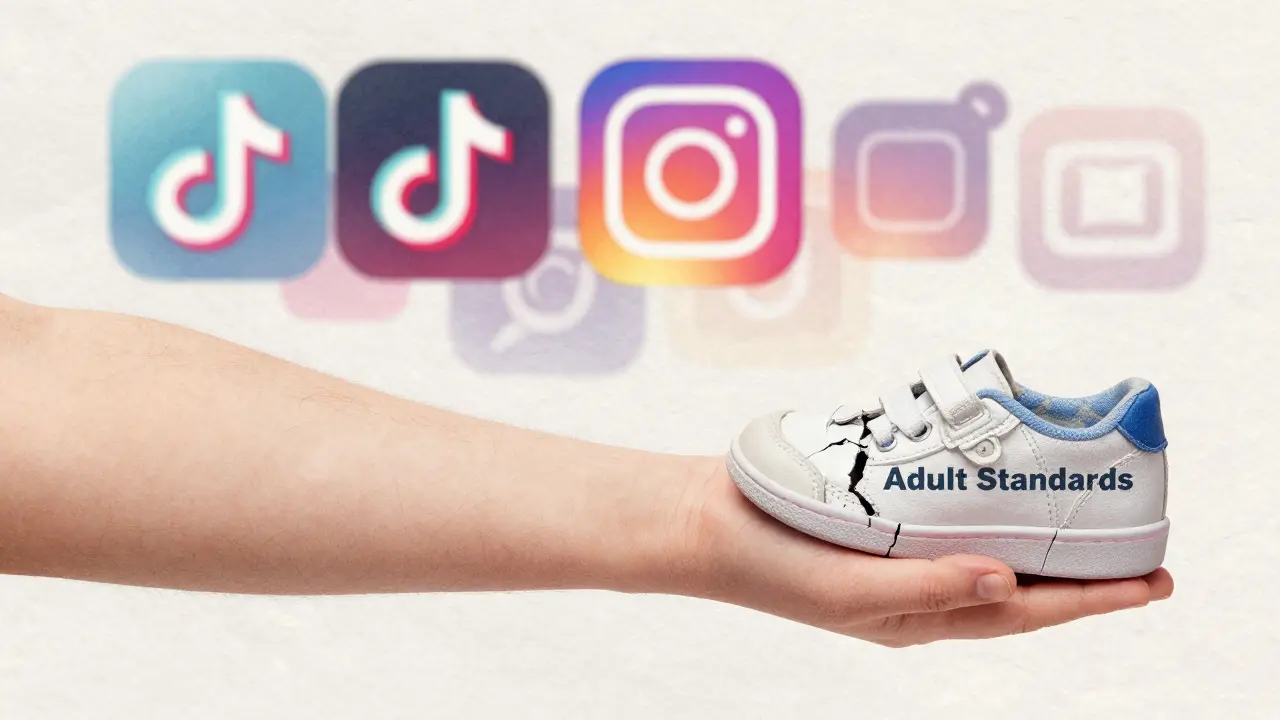
And here’s the kicker: most salons don’t have staff trained in pediatric skin care. They’re trained to wax adults. Their wax temperature, technique, and aftercare advice are designed for skin that’s fully developed. Applying that to a 12-year-old is like using adult-size shoes on a child’s foot. It might fit-but it’ll hurt.
When might waxing be okay for a younger teen?
There are rare exceptions. If a child has a medical condition like hirsutism (excessive hair growth due to hormones), a dermatologist might recommend hair removal. In those cases, laser or prescription creams are often safer than waxing. But those decisions are made with a doctor-not a salon.
Also, some cultures or families have traditions around body hair removal at certain ages. If that’s your situation, talk to your pediatrician first. They can help you understand the risks and suggest the safest method for your child’s skin type.
What’s the long-term impact?
Starting cosmetic grooming too early can shape how a child sees their body for life. Studies show that teens who begin hair removal before age 13 are more likely to develop body dysmorphia, eating disorders, or anxiety around appearance in their late teens and early twenties. The pressure to be "smooth" becomes part of their identity.
On the flip side, kids who grow up hearing that their natural bodies are okay tend to have higher self-esteem and healthier relationships with their skin. They’re less likely to chase trends that promise perfection.
There’s no prize for being hairless. But there’s real value in being confident-exactly as you are.
Final thoughts: Patience over pressure
Armpit hair at 12 isn’t a problem. It’s a milestone. It means your child is growing. And growing doesn’t mean changing. It means becoming.
Let them know it’s okay to wait. Let them know they’re not behind. Let them know their body is enough-right now, just as it is.



Paritosh Bhagat
December 20, 2025 AT 13:16Look, I get it-kids today are bombarded with unrealistic beauty standards. But let’s be real: if a 12-year-old is asking about waxing, they’re already caught in the machine. No amount of "it’s natural" is gonna undo TikTok’s algorithm. I’ve seen girls cry because their armpits looked "fuzzy" compared to influencers. This isn’t about hair. It’s about control. And parents? We’re the ones handing them the wax strips.
Ben De Keersmaecker
December 21, 2025 AT 11:58Interesting piece. I’d like to see the full citation for that 2023 Journal of Pediatric Dermatology study-specifically the sample size breakdown by age and whether waxing was done professionally or at home. Also, "nearly 1 in 5 developed hyperpigmentation that lasted over a year"-was that statistically significant? And did they control for skin tone? Because melanin-rich skin is more prone to PIH regardless of method. Just curious.
Jessica McGirt
December 21, 2025 AT 16:06My daughter asked me about waxing last month. I didn’t say no. I said, "Let’s talk about why." She told me her friend got her armpits done for her birthday party. I asked if she wanted to feel confident-or if she wanted to feel like she fit in. She cried. Then she hugged me. We’re waiting until she’s 14. Not because hair is bad-but because she deserves to decide for herself, not because the internet told her to.
Donald Sullivan
December 22, 2025 AT 15:45Wow. So now we’re supposed to just let kids grow up thinking their bodies are fine? Newsflash: society doesn’t care. If you don’t teach your kid to shave or wax, they’ll get bullied. And guess who gets blamed? The parents. You want them to be "confident as they are"? Cool. Tell that to the kid who gets called "monkey armpits" in the locker room. Real talk: sometimes you have to fight the system with the same weapons.
Tina van Schelt
December 24, 2025 AT 03:42Imagine your kid’s first underarm hair like a tiny, fuzzy flag waving in the wind-nature’s little "Hey, you’re becoming someone new!"-and instead of celebrating, we hand them a wax strip like it’s a punishment. We’re turning biology into a crime scene. Let’s stop treating armpits like they need a police raid. Hair isn’t a flaw. It’s a footnote in a beautiful, messy, human story.
Ronak Khandelwal
December 25, 2025 AT 19:25❤️ This. So much this. I’m from India, and we have this weird thing where girls are "prepped" for marriage by removing body hair before they’re even teens. It’s not about hygiene-it’s about control. My niece asked me why her armpits are "ugly" and I told her: "They’re not. They’re just new. Like your voice changing. It’s not broken. It’s becoming." She smiled. That’s all we need to do. Be the calm in the storm of beauty standards. 🌿
Jeff Napier
December 27, 2025 AT 07:55Who says the skin is "still maturing"? That’s just corporate pediatrics talking. You think the FDA cares about your kid’s armpits? Nah. They care about profit. Waxing salons are just the tip of the iceberg. The real agenda? Normalize body modification early so kids grow up thinking their bodies are products to be optimized. Next thing you know, they’ll be asking for Botox at 13. Wake up.
Sibusiso Ernest Masilela
December 29, 2025 AT 04:18Oh, please. You’re treating this like a philosophical debate. It’s not. It’s about discipline. If your child can’t handle basic grooming without a tantrum, they’re not ready for puberty. Waxing at 12? Fine. But if they can’t handle the pain, they shouldn’t be allowed to pick their own clothes either. Soft parenting is a luxury. The world doesn’t care if your kid’s skin is "delicate."
Daniel Kennedy
December 29, 2025 AT 22:56Ben’s question about the study is valid. And Jeff’s paranoia? Kinda valid too, honestly. But let’s not throw the baby out with the bathwater. The real issue isn’t waxing-it’s the lack of guidance. If a kid wants to wax, let’s teach them how to do it safely. Get them a professional who knows pediatric skin. Talk to their dermatologist. Make it a conversation, not a rebellion. Empowerment > prohibition.
Taylor Hayes
December 30, 2025 AT 19:09I’m a dad of two girls. My 11-year-old asked about waxing after seeing a YouTube video. I didn’t panic. I said, "Let’s watch a video on how shaving works too." We watched one on safe waxing, one on shaving, and one on "why body hair is normal." Then we sat in silence for a while. She said, "I think I’ll wait." No pressure. No lecture. Just space. That’s all they need sometimes. Just someone who’s not scared to talk about it.