
When you walk into a salon for a cosmetic procedure, a non-surgical beauty treatment meant to enhance appearance, often performed by licensed technicians. Also known as aesthetic treatment, it includes everything from hair dye to waxing—and knowing the law matters just as much as knowing the right product. In North Carolina, not all beauty services are created equal. Some are tightly regulated, others are barely monitored, and a few sit in a legal gray zone that can leave you at risk if you’re not careful.
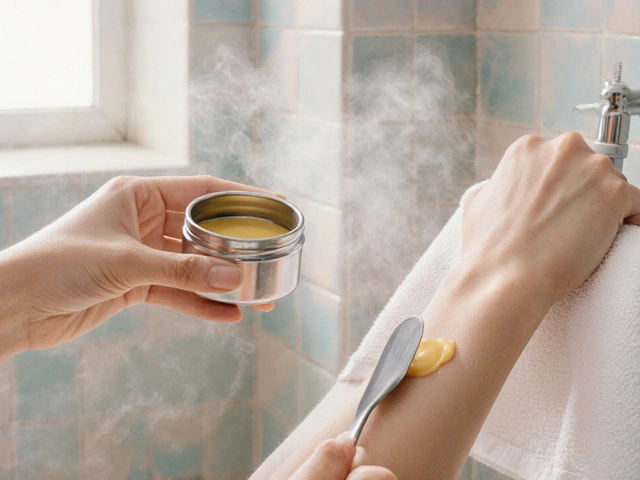
Take waxing, a hair removal method using heated resin to pull hair from the follicle, commonly done on eyebrows, legs, and bikini areas. Also known as thermal hair removal, it’s legal when done by a licensed esthetician or cosmetologist. But if your friend’s cousin does it at home with a DIY kit sold online, that’s fine—until something goes wrong. There’s no state law banning at-home waxing, but if a burn, infection, or scarring happens, you can’t hold the unlicensed person accountable. The same goes for eyebrow threading, a technique using twisted cotton thread to remove hair precisely, often marketed as "natural" but still carrying infection risks. Also known as thread epilation, it’s not regulated by the state, meaning anyone can offer it—even without training. That’s why you see so many reviews about redness, ingrown hairs, and worse. The lack of oversight doesn’t make it unsafe—it just means you have to be your own watchdog.
Then there’s hair dye, a chemical or plant-based product used to change hair color, ranging from temporary rinses to permanent ammonia-based formulas. Also known as hair colorant, it’s sold over the counter without restriction. But here’s the catch: while you can buy it at the grocery store, North Carolina law requires salons to disclose ingredients and warn clients about allergic reactions. That’s why you’ll see patch tests offered at professional shops but rarely at home. And if a product claims to be "natural" but still contains PPD or peroxide? That’s not illegal—it’s misleading. The FDA doesn’t approve hair dyes before sale, so it’s up to you to read labels and know what’s in your hair.
Parents cutting their child’s hair? Legal. No permission needed. But if it’s done out of anger or control, that’s abuse—and the law steps in. Hair removal on minors? Allowed, but salons must get written consent from a guardian for anyone under 18. Even then, some places won’t touch teens for Brazilian waxes unless they’re 16 or older. Rules vary by shop, not state law, so ask before you book.
What you’ll find in the posts below isn’t just a list of tips. It’s a real-world map of what’s safe, what’s risky, and what’s outright misleading in North Carolina’s beauty scene. From how long your hair needs to be before waxing to why that "natural" dye might still burn your scalp, every article cuts through the noise. No fluff. Just facts you can use before you sit in that chair.
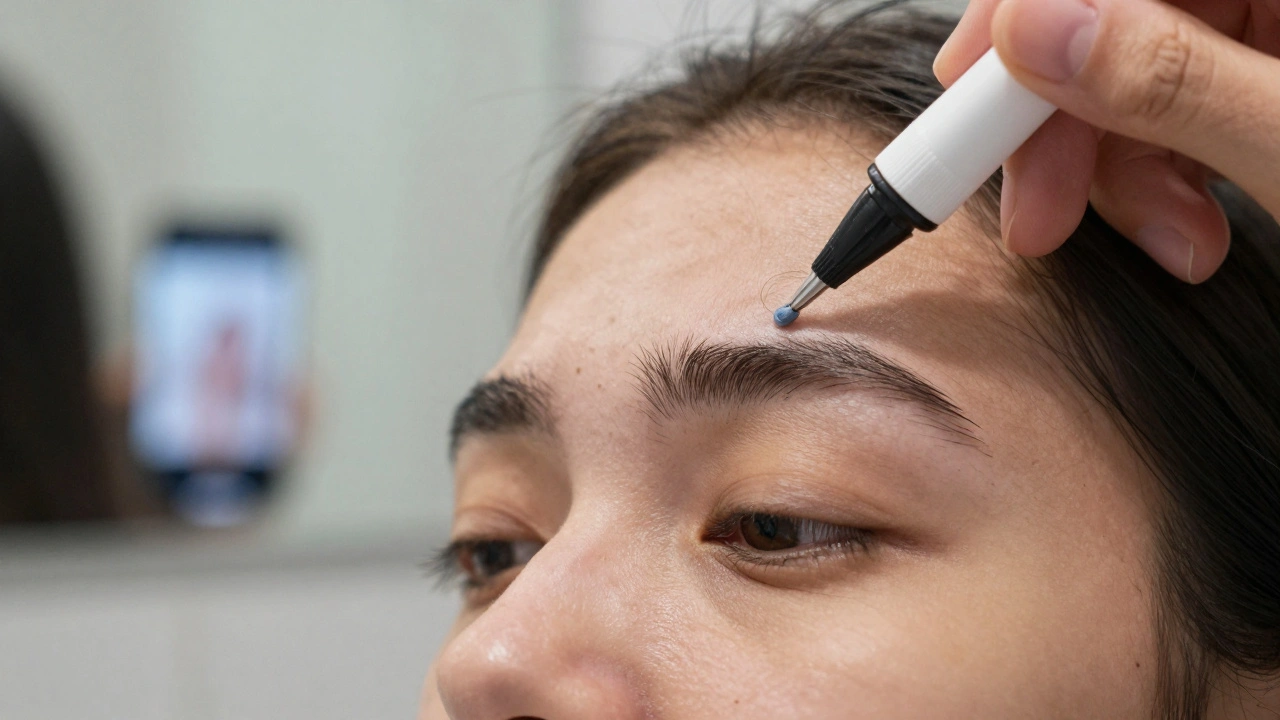
Using an eyebrow wax pen is legal, but many products are unsafe and unregulated. Learn why at-home wax pens risk burns, scarring, and legal trouble-and what safer alternatives actually work.
 0
0