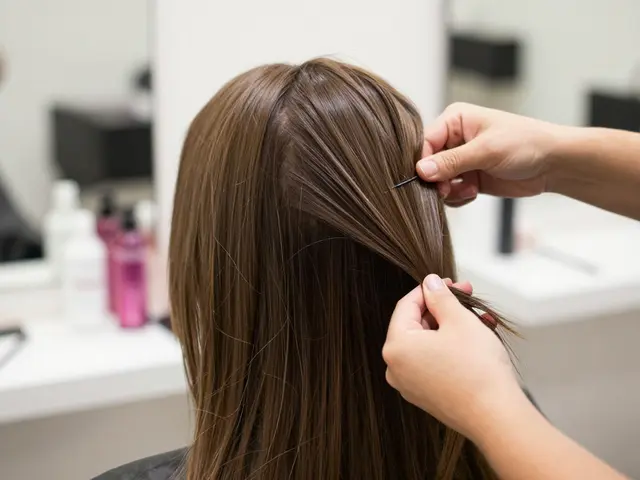

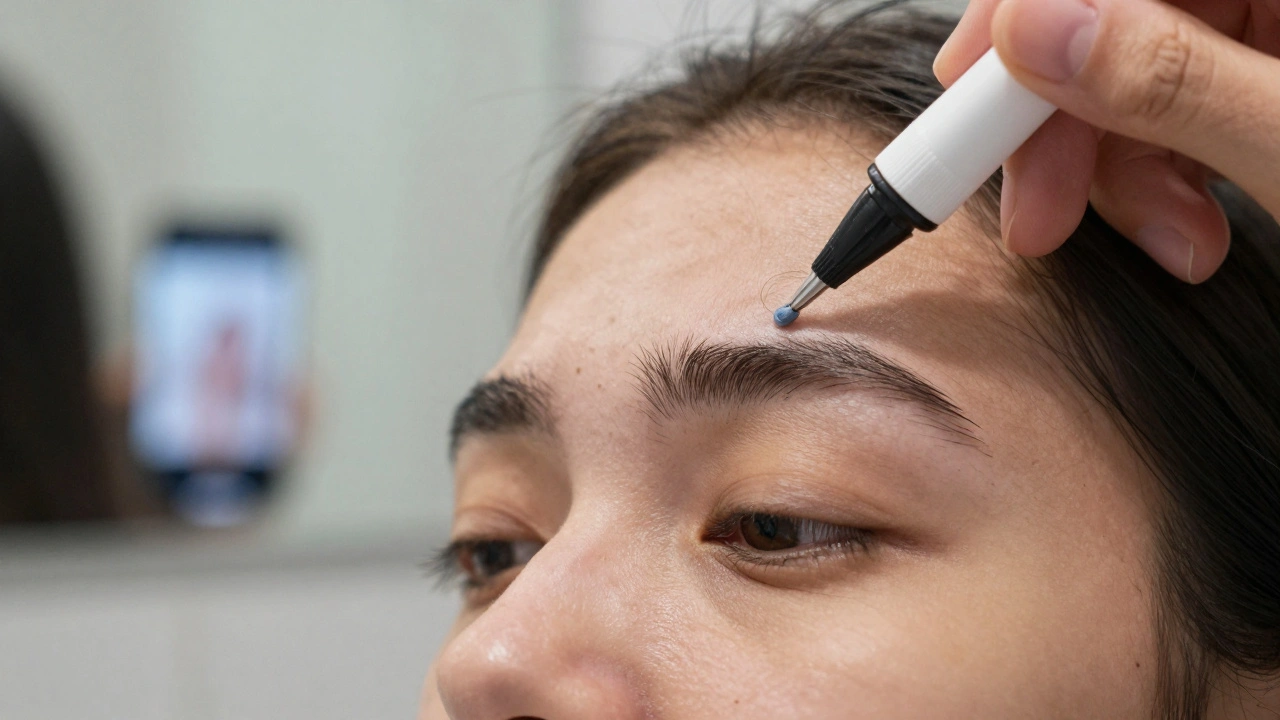
People are using eyebrow wax pens more than ever. They’re cheap, easy to find online, and promise salon-level results in under five minutes. But behind the hype, a quiet question keeps popping up: is removing eyebrows legal? Not the act itself-everyone knows you can pluck, thread, or wax your brows. The real concern is whether using certain tools, especially wax pens sold as "at-home" devices, crosses a line under health or cosmetic regulations.
Yes, you can legally remove your own eyebrows
There’s no law in the United States-no state, no city-that bans you from removing your own eyebrows. Whether you use tweezers, a razor, a depilatory cream, or a wax pen, it’s your body. You have the right to alter your appearance however you want. This isn’t a gray area. It’s basic personal freedom.
But here’s where things get messy: just because you can do it doesn’t mean every product you’re using is legal to sell-or safe to use.
The real issue: unregulated wax pens
Most eyebrow wax pens you see on Amazon, TikTok, or Instagram aren’t FDA-approved medical devices. They’re sold as "cosmetic tools" or "beauty gadgets," which lets sellers avoid strict testing requirements. The FDA doesn’t regulate wax pens the same way it regulates prescription drugs or surgical tools. That means:
- The wax formula might contain ingredients banned in cosmetics (like certain parabens or heavy metals)
- The heating mechanism might not have safety cutoffs, risking burns
- There’s no requirement for clear instructions or warnings about skin sensitivity
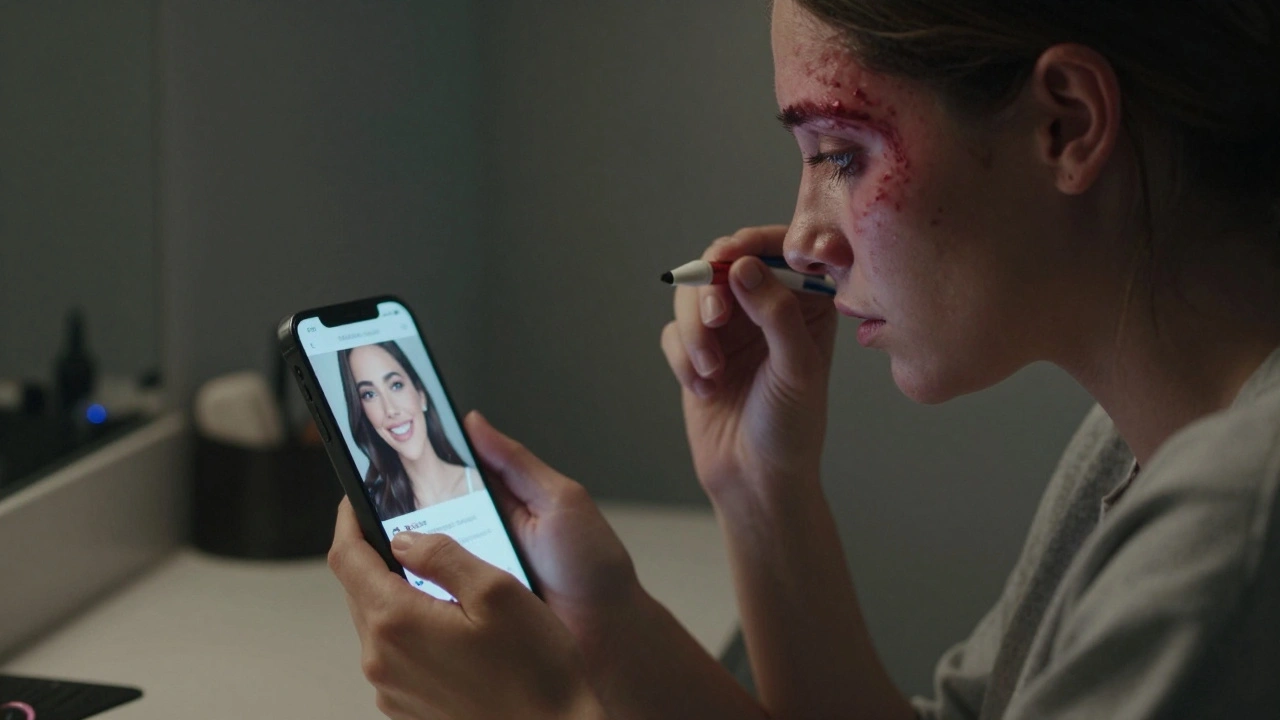
In 2023, the FDA issued a warning about three popular wax pen brands after receiving over 40 reports of second-degree burns, blistering, and permanent scarring. These weren’t rare cases. One woman in Texas lost the natural arch of her left brow after using a $12 wax pen she bought off a YouTube ad. Her story went viral-not because it was unusual, but because it was so avoidable.
What’s the difference between a wax pen and a salon wax?
Professional estheticians use wax that’s been tested, sterilized, and approved for cosmetic use. They’re trained to apply heat and pressure correctly. They also assess your skin type before starting. A wax pen? It’s designed to be used by someone who’s never touched wax before. No training. No supervision. Just a button, a wand, and a YouTube tutorial.
Salon wax is typically applied with cloth strips and removed in the direction of hair growth. Wax pens often use a hardening wax that’s pulled off in the opposite direction-increasing the risk of ingrown hairs and follicle damage. Some pens even claim to "remove hair from the root" while heating to 140°F. That’s hotter than a hot tub. Your skin doesn’t handle that well.
Can you get in trouble for using a wax pen on someone else?
Here’s the part most people don’t think about: if you wax someone else’s eyebrows-your partner, your kid, your friend-you could be breaking the law.
In Texas, where you need a license to perform any form of hair removal for pay (even $5 for a friend), doing it for free still falls under unlicensed cosmetology if it’s "regular practice." The state defines "regular practice" as doing it more than twice a year for others. So if you’re the go-to person in your friend group for brow jobs, you could be flagged by the Texas Department of Licensing and Regulation.
And if something goes wrong? You’re liable. No license means no insurance. If someone gets burned or scarred because of your wax pen, they can sue you. Courts don’t care if you "didn’t mean to hurt them." They care that you performed a cosmetic procedure without training or approval.
What does the law actually say about cosmetic tools?
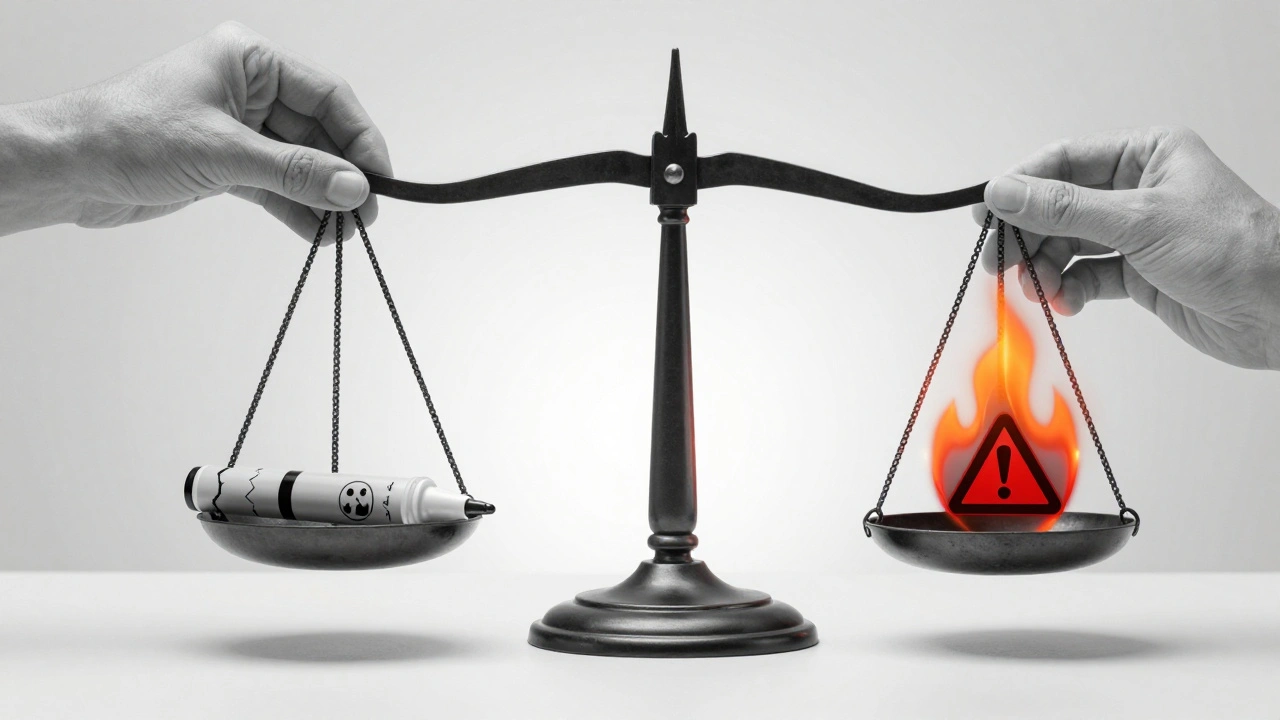
The Federal Food, Drug, and Cosmetic Act (FDCA) says any product applied to the human body for cleansing, beautifying, promoting attractiveness, or altering appearance is a cosmetic. Cosmetics must be safe for their intended use. But the FDA doesn’t approve cosmetics before they hit the market. That’s on the manufacturer.
So if a wax pen company claims their product is "dermatologist-tested" or "hypoallergenic," they don’t need to prove it. They just need to say it. There’s no third-party audit. No required labeling of ingredients beyond the bare minimum.
Some states have stricter rules. California requires all cosmetic products sold there to list every ingredient on the label. New York bans certain chemicals in cosmetics altogether. But most states don’t check. That means a wax pen made in China and shipped to Ohio might contain lead, formaldehyde, or other banned substances.
What about minors? Can parents use wax pens on their kids?
Parents can legally remove their child’s eyebrow hair. There’s no law against it. But if you’re using a wax pen on a child under 12, you’re taking a huge risk.
Children’s skin is thinner, more sensitive, and heals slower. A burn that might fade in an adult could leave a permanent mark on a kid. The American Academy of Dermatology recommends avoiding any kind of waxing on children under 14. They suggest tweezing or trimming instead.
And if a child is injured by a wax pen? Child protective services could get involved-not because the parent broke a law, but because the injury might be seen as negligence. Courts have ruled in cases where parents used unsafe beauty tools on kids that they failed to provide reasonable care.
What’s the safest way to remove eyebrows?
If you want clean, natural-looking brows without risking burns or scarring, here’s what actually works:
- Use tweezers. They’re cheap, precise, and safe if you sterilize them with alcohol.
- Try threading. It’s done by professionals, removes hair cleanly, and doesn’t irritate skin like wax.
- Use a brow trimmer for stray hairs. No heat. No chemicals. Just a quick pass.
- If you must use wax, go to a licensed esthetician. Pay the $25-$40. It’s worth it.
Wax pens promise convenience. But convenience doesn’t equal safety. And safety isn’t optional when you’re dealing with your face.
Bottom line: It’s legal-but not smart
Removing your eyebrows? Totally legal. Using a wax pen to do it? Risky. Selling wax pens without proper testing? Often illegal. Getting burned or scarred because you trusted a TikTok influencer? That’s just bad luck.
The law doesn’t stop you from doing it. But it doesn’t protect you if it goes wrong. And when your brows are gone for good-or your skin is permanently damaged-you can’t sue a YouTube ad. You can’t get a refund from a seller who vanished after you paid with crypto.
There’s no law against beautiful brows. But there’s a growing list of people who lost theirs trying to save $10.
Is it illegal to use an eyebrow wax pen on myself?
No, it’s not illegal to use an eyebrow wax pen on yourself. You have the right to modify your own appearance. But the product you’re using may be illegally sold or unsafe. The law doesn’t ban the act-it bans unsafe products and unlicensed professionals.
Can I get fined for using a wax pen?
You won’t be fined for using it on yourself. But if you sell or give away a wax pen that causes injury, you could face civil liability. If you use it on others regularly, you might be violating state cosmetology laws, which can result in fines or cease-and-desist orders.
Are wax pens FDA-approved?
No, eyebrow wax pens are not FDA-approved. The FDA doesn’t approve cosmetics before they’re sold. Manufacturers are responsible for safety, but there’s no mandatory testing. Many wax pens contain unlisted or banned ingredients.
Can a parent use a wax pen on their child?
Legally, yes. But medically, no. Children’s skin is more vulnerable to burns and scarring. The American Academy of Dermatology advises against waxing on children under 14. Using a wax pen on a child could be considered negligent if injury occurs.
What should I do if I got burned by a wax pen?
Seek medical attention immediately. Document the injury with photos and keep the product packaging. Report the incident to the FDA’s MedWatch program. You can also file a complaint with the FTC and your state’s consumer protection agency. Most brands have no customer service-so you may need legal help to recover costs.