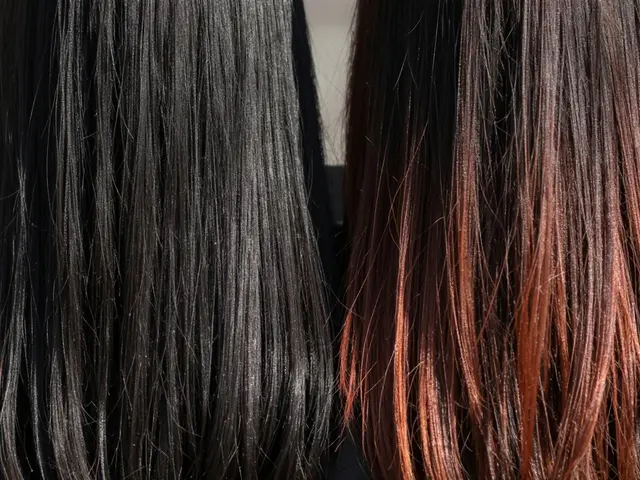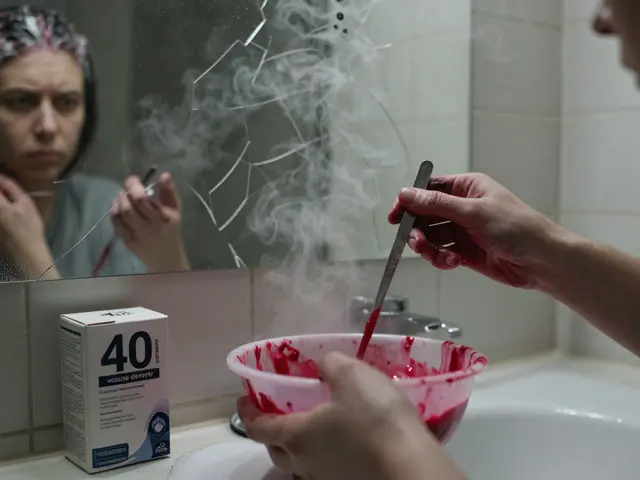

When you choose ammonia-free hair color, a hair dye that changes your color without using ammonia, a harsh chemical that opens the hair cuticle. Also known as chemical-free hair dye, it’s a popular pick for people who want color without the damage, smell, or scalp irritation. Many assume all hair color needs ammonia to work, but that’s not true anymore. Today’s formulas use alternatives like MEA or plant-based pigments to lift and deposit color—gently.
Ammonia-free hair color doesn’t mean weak coverage. It’s especially good for fine, fragile, or color-treated hair. If you’ve had bad reactions to traditional dyes—itchy scalp, burning, or breakage—you’re not alone. A lot of people switch to ammonia-free options because they want to keep their hair healthy while still changing their look. It’s also a smart choice if you’re coloring at home and don’t want to breathe in strong fumes. Brands that focus on natural ingredients, like henna or indigo, often fall into this category too. These aren’t just marketing buzzwords—real people with sensitive skin and curly or thinning hair swear by them.
But not all ammonia-free dyes are the same. Some still contain PPD or peroxide, which can be just as irritating. That’s why checking the label matters. Look for products that say "no ammonia," "no PPD," and "no parabens." If you’re going for grey coverage, some ammonia-free dyes might need more time to develop, or you might need to reapply more often. But the trade-off? Less damage, less dryness, and hair that feels softer after coloring. People with Indian hair, for example, often find these gentler formulas work better with their hair’s natural texture and porosity.
And it’s not just about the dye. How you care for your hair after matters just as much. Using sulfate-free shampoos, deep conditioning, and avoiding heat tools right after coloring helps your color last longer and your hair stay strong. You’ll also find that many of the same people who choose ammonia-free color also care about waxing safely, using honey wax instead of harsh chemicals, or avoiding eyebrow wax pens that can burn skin. It’s all part of the same mindset: treat your body with care, not just convenience.
Below, you’ll find real advice from people who’ve tried every kind of color—from boxed dyes to salon-grade plant-based options. Some struggled with grey coverage. Others dealt with allergic reactions. A few just wanted to stop smelling like a chemical lab after coloring. Each story gives you something practical: what worked, what didn’t, and what to watch out for. Whether you’re new to hair color or just tired of the damage, you’ll find clear, no-fluff guidance here.
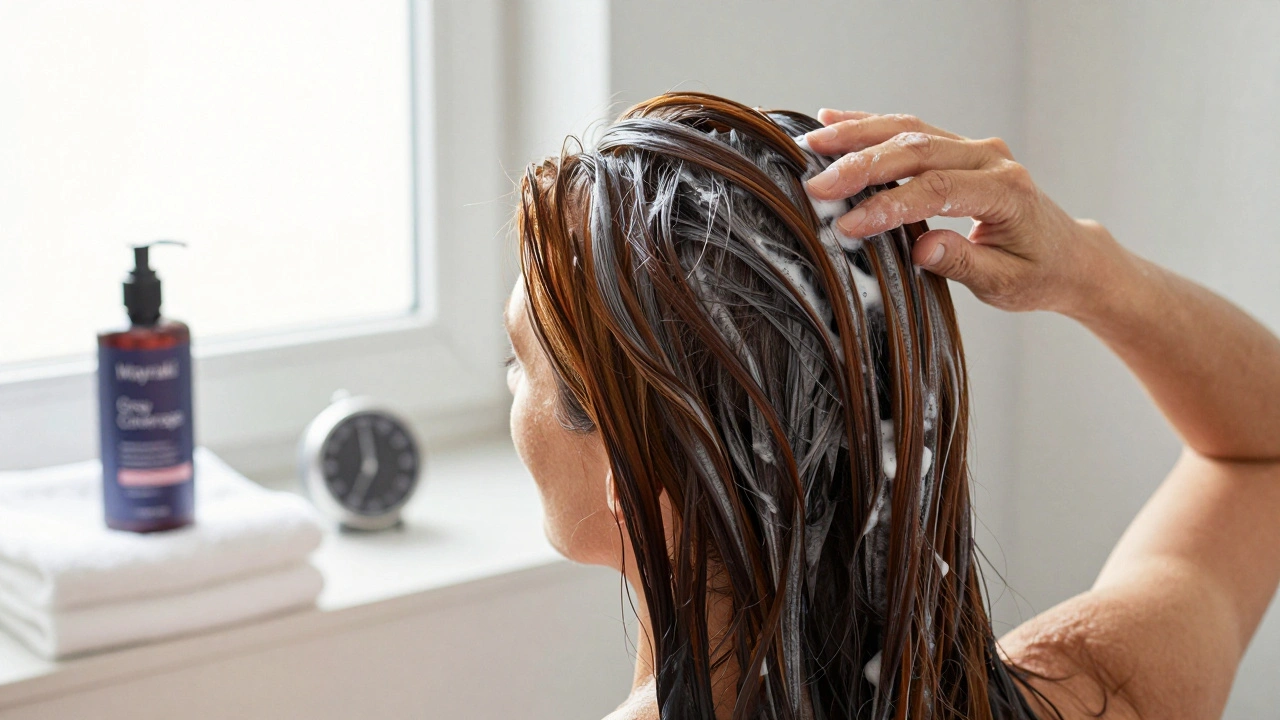
Discover the best hair color shampoos for 2025 that cover gray naturally, without ammonia or salon visits. Learn how they work, which ones to buy, and how to use them right.
 8
8