

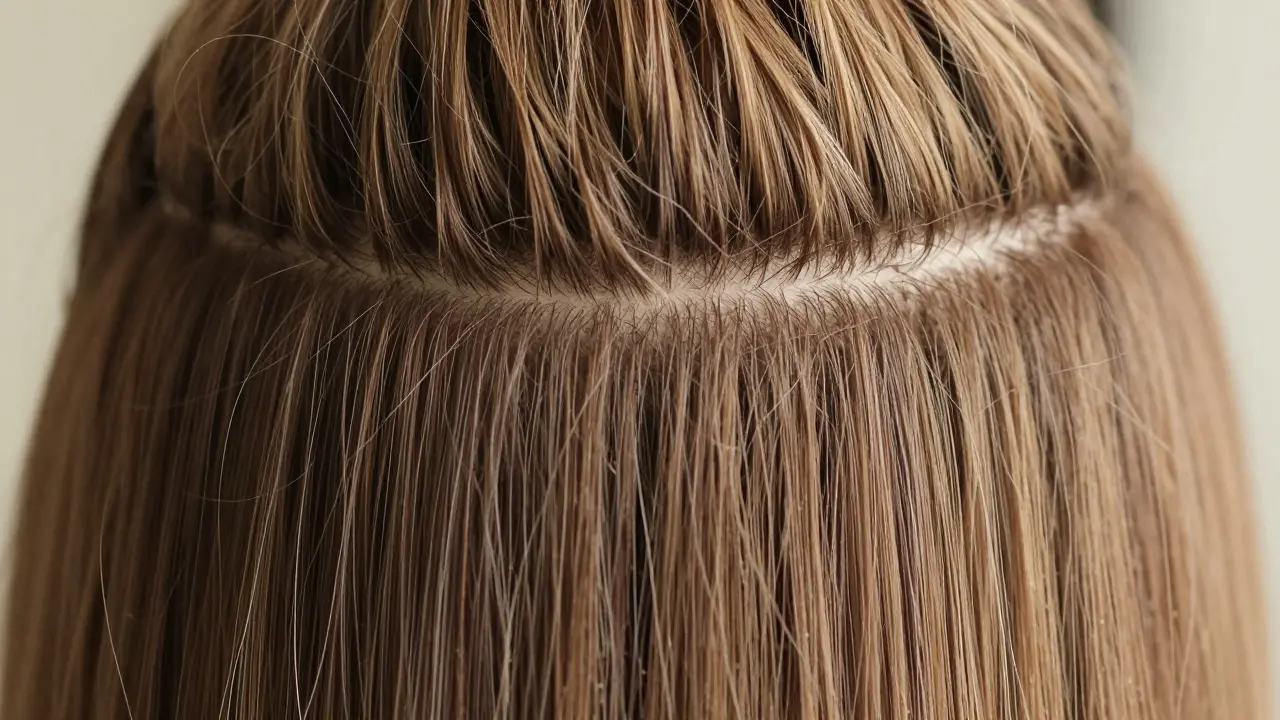
Hair extensions have become a standard part of beauty routines, yet skepticism remains. The question hanging over most buyers is simple but critical: do they actually blend seamlessly? The short answer is yes, but only if you select the right materials and get the application method correct. Poor choices lead to stiff, shiny caps that give away the secret immediately. Good choices vanish into your natural locks, giving you the length and volume you crave without anyone knowing you wore anything extra.
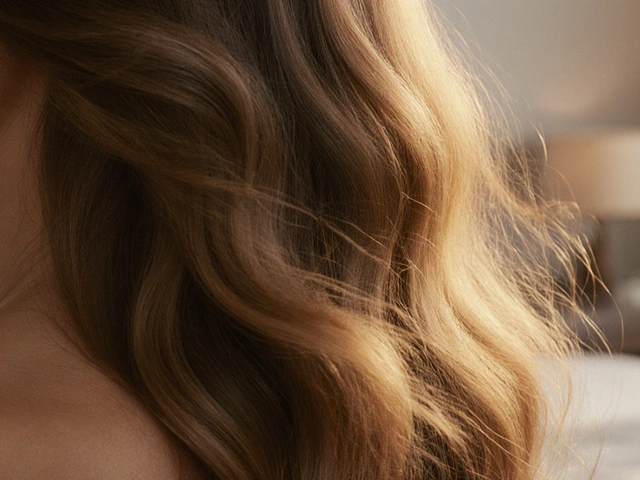
You might worry about your friends noticing a shine at the roots or feeling heavy tugs near your temples. These fears come from bad experiences or misinformation. In 2026, manufacturing has improved significantly. High-quality virgin hair mimics the way your own strands fall and reflect light. The difference between a wiggy mess and an undetectable finish comes down to texture matching, color consistency, and where the weight sits on your head.
The Material Difference: Human Hair vs. Synthetic
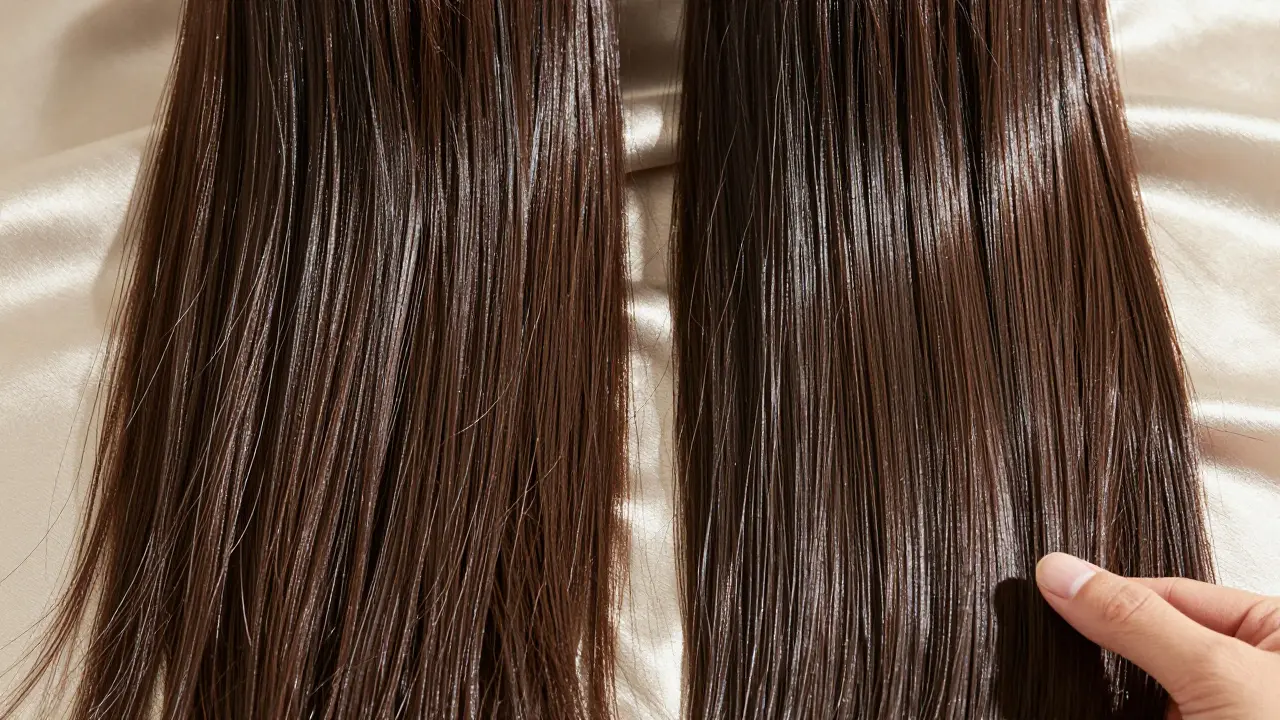
If you want a look that passes the touch test, you need to understand the source. Most budget-friendly options use synthetic fibers. These fibers are uniform, meaning every strand reflects light identically. This creates a plastic-like shine that screams "fake." Your natural hair, however, has irregularities. The cuticles layer unevenly, creating subtle variations in light reflection.
When shopping for human hair extensions, look for terms like "Remy" or "Virgin." Remy hair means the cuticles are intact and aligned in one direction. This prevents tangling and keeps the texture smooth. Non-Remy hair gets stripped and glued back together, causing friction that feels rough to the touch. If you run your fingers through it and feel resistance or hear a loud swish, it’s likely low-grade human hair or synthetic blend.
Synthetic hair has its place, specifically for styles you won’t wash frequently or need to curl often. But even today’s advanced synthetics struggle under hot sunlight. They often lack the ability to hold a curl from a traditional iron. If you plan to style your hair daily with heat tools, investing in 100% human hair is necessary for longevity and realism.
Color Matching Is Everything
Even the highest quality hair looks fake if the color isn’t precise. Many people assume "Dark Brown" means dark brown, but natural hair has depth. Your hair might be a base Level 4, but with highlights of Level 6 and 7 scattered throughout the lengths. Ordering a single flat color often results in a solid block that contrasts sharply against your multi-tonal bio-follicles.
The solution lies in custom coloring or buying multi-tonal bundles. Brands now offer pre-blended colors designed to mimic natural growth patterns. You also need to pay attention to the roots. This is where many sets fail. Your own scalp shows through your parting. If you attach a full-dark piece next to lighter growing-out roots, you create a harsh line.
A technique called root shadowing solves this problem. It involves bleaching or tinting the top inch of the extensions slightly lighter or darker than the main body to match your natural regrowth. This gradient effect tricks the eye into thinking the hair grows directly from your scalp. Without this, the transition zone looks like a band of paste stuck to your skin.
| Feature | Virgin Human Hair | Processed Human Hair | High-End Synthetic |
|---|---|---|---|
| Shine Level | Natural variation | Often overly glossy | Plastic shine |
| Heat Resistance | Up to 400°F | Low to Medium | None (Melts) |
| Cuticle Direction | Aligned (Remy) | Ramdomized | N/A |
| Lifespan | 1-2 Years | 3-6 Months | 1 Month |
Installation Methods and Visibility
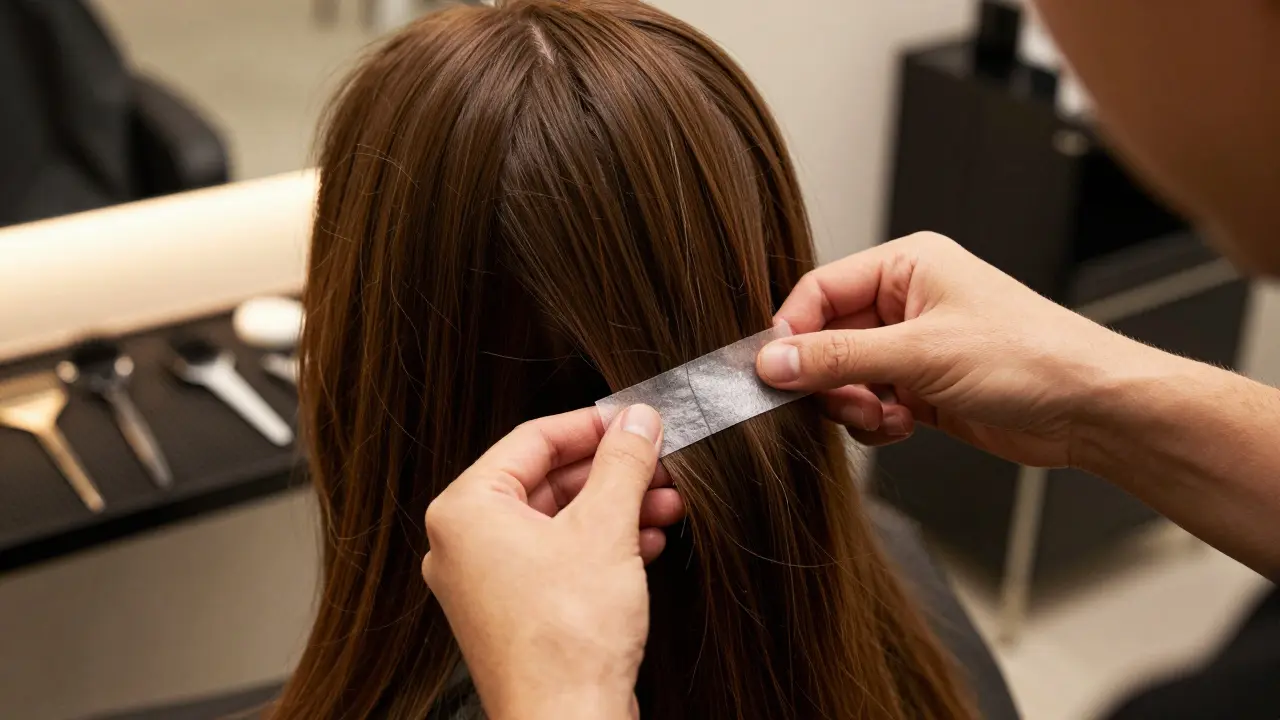
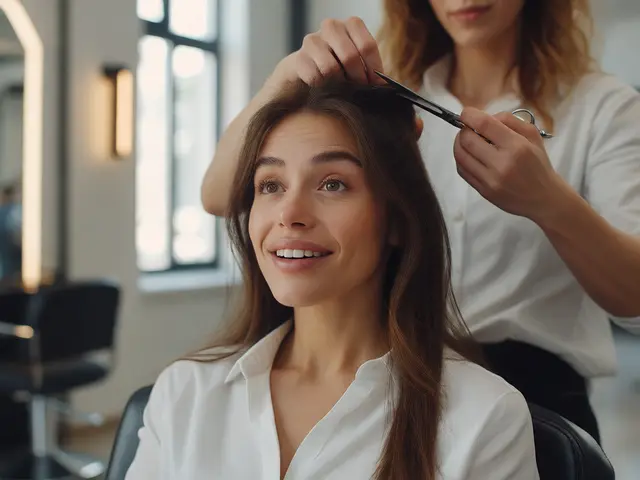
How the hair attaches determines the bulk. Traditional sewing methods involve braiding the natural hair tightly into cornrows and stitching wefts over them. While secure, this often leaves visible ridges under the top layer. For a truly seamless look, you want methods that distribute weight evenly. Tape-in extensions are a popular choice because they lie flat against the scalp. Unlike sew-ins, tape-ins consist of two thin strips sandwiched around your natural hair. Because the adhesive tape is extremely thin, it hides well under your top layer of hair.
However, tape-ins require regular maintenance. As your natural hair grows, the tape moves up. You need reapplication every 6 to 8 weeks. Neglecting this causes slippage and tension. When the tape hangs too far down, you can spot it moving through your hair when you walk or shake your head.
Another option gaining traction is nano ring bonding. Small metal beads clamp the extension to a tiny amount of your natural hair. The bead is almost invisible once tucked. This works well for fine hair textures where bulky glue or heavy tapes might slip or show. However, this method requires a skilled technician. Improper clamping can rip out your natural follicles.
Weave caps or tracks can also work invisibly if placed strategically. Avoid placing tracks along the hairline unless you are using a closure piece. A raw track sitting on the edge of your forehead exposes the machine-made seam. Always leave at least two inches of your natural hair free at the perimeter to cover these attachments.
Handling Texture and Density
Mismatched textures are a dead giveaway. Straight hair worn on someone with curly hair will sit differently. It lacks the spring and bounce. If you have wavy hair, buying straight extensions means you have to chemically relax your natural hair to match them. This damage risks ruining your bio-hair permanently.
Texture mapping is essential. Compare a few of your own shed hairs against the bundle in daylight. Look at the diameter of the strands. Thick, coarse Asian hair looks different from finer European hair. Using thick hair on a fine-haired person results in the extensions sticking out rigidly, unable to lay flat.
Density matters just as much. Adding volume is great, but adding too much creates a helmet effect. Human heads have a specific capacity for hair. When you add excessive thickness, the hair pulls vertically instead of cascading down the neck. Stick to 20-40 grams per set for subtle additions. Going heavier than 60 grams often pushes the hair into a cone shape.
Maintenance for Longevity and Realism
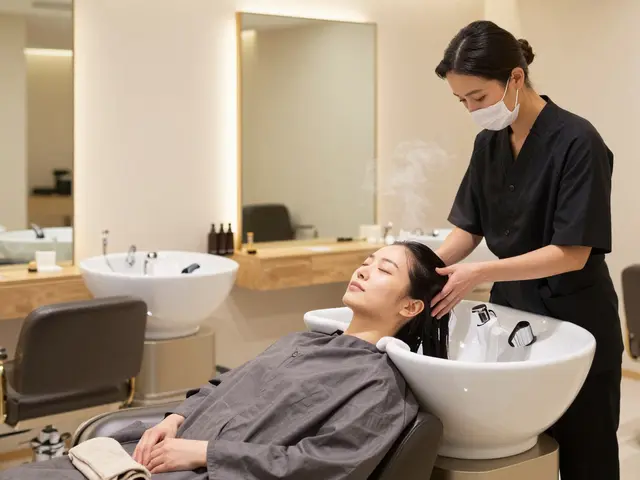
Even perfect installations degrade without care. Products used on extensions differ from those on natural hair. Oils can clog tape adhesives, weakening the bond. Heavy conditioners on the roots of weave can loosen braids. Focus conditioning on the mid-lengths and ends, avoiding the attachment points entirely.
Washing routine changes when you extend your hair. Washing too often strips oils, leaving the fiber brittle. Limit washing to once a week for permanent installs. When drying, always detangle gently starting from the bottom working upward. Yanking wet extensions pulls on your natural anchors.
Storage is another factor often overlooked. When sleeping, braid the hair loosely or wrap it in silk. Friction from cotton pillowcases roughens the cuticles. Over time, frizz forms at the tips, breaking the illusion of health. Smoothness signals authenticity; frizz signals damage or low quality.
Common Red Flags
You can spot cheap hair quickly by watching for specific signs. First, check the shedding rate. Every extension sheds some hair, but constant loss indicates poor weft construction. Second, listen for sound. High-quality hair is silent when brushed. Cheap hair snaps loudly due to damaged protein structures.
Third, smell the package. Authentic human hair should have no scent or a faint neutral smell. Strong chemical odors indicate dyeing processes were rushed or toxic chemicals remain. Finally, check the flexibility. Pull a strand gently. Real hair stretches slightly before snapping. Fake fibers stretch unnaturally or break instantly with zero resistance.
Can you tell if someone is wearing extensions?
Only if the installation is poor or the hair type mismatches your natural texture. With high-quality virgin hair and professional application, most extensions become undetectable, even when wet.
Do synthetic hair extensions look real?
Modern synthetic fibers have improved, but they still generally reflect light uniformly and cannot withstand heat styling, which makes them easier to detect than human hair.
What color matches my hair best?
Choose a shade slightly darker than your roots for volume or exact matches for length. Blending multi-tonal colors with your natural highlights ensures the best camouflage.
How long do hair extensions last?
With proper maintenance, human hair extensions typically last 12 to 24 months. Synthetic versions last much shorter, usually 4 to 8 weeks depending on heat exposure.
Is damage inevitable with extensions?
Not necessarily. Damage occurs mainly from improper removal or heavy weights pulling on weak natural hair. Using gentle methods like tape-ins or clip-ins minimizes stress on your follicles.


Aryan Gupta
March 31, 2026 AT 03:04The beauty industry relies on fear tactics to sell unnecessary maintenance packages to insecure clients constantly. They push the narrative that virgin hair is the only truth when many blends work perfectly well. Deep cleaning protocols hide the fact that adhesives degrade faster than claimed in brochures.
Fredda Freyer
April 2, 2026 AT 00:47Understanding texture mapping is essential before buying any bundle regardless of price point. Porosity differences between donor hair and recipient strands dictate how light reflects overall. Matching density prevents the helmet effect that screams artificiality immediately.
Gareth Hobbs
April 3, 2026 AT 06:38Synthetic hair IS totally fake!!! You cant fool anyone with plastic fibers in sunlight!! Its obvious and its disgusting!! Why bother wasting money??
Zelda Breach
April 5, 2026 AT 04:16People claim heat resistance until the first flat iron pass melts the whole thing into a singe mess. Manufacturers lie about high-temperature tolerance limits frequently enough.
Alan Crierie
April 6, 2026 AT 02:14Remember that proper care extends the life of your hair investment significantly 😊 Regular washing schedules keep the bonds secure too 😌 Dont forget silk wrapping ✨
Nicholas Zeitler
April 7, 2026 AT 17:10Stay safe. Stay healthy. Avoid tight braids. Prevent tension alopecia. Care for the scalp. Listen to the professional advice given.
Ananya Sharma
April 9, 2026 AT 15:48The marketing industry frequently deceives consumers about product longevity. Most buyers assume virgin hair guarantees perfect blending immediately. Scalp exposure creates visible lines between natural and artificial roots. Density overload pushes strands vertically instead of cascading naturally. Chemical processing damages the cuticle structure permanently over time. High gloss reflects light differently than matte organic textures usually. Synthetic fibers melt under standard ceramic iron temperatures quickly. Adhesive tapes pull on weak follicles during removal procedures. Nano rings can slip if clamped onto damaged natural hair shafts. Weave tracks along the perimeter show machine seams clearly. Root shadowing techniques mask the transition zone effectively better. Washing too often strips necessary oils from the extension fibers. Cotton pillowcases cause friction that ruins the smooth finish. Shedding indicates poor weft construction quality from the factory. Realism depends entirely on consistent maintenance routines forever.
kelvin kind
April 11, 2026 AT 01:52Tape-ins work best for fine hair textures.
Ian Cassidy
April 11, 2026 AT 02:49Biomimetic scaling determines visual integration efficacy significantly relative to host follicle diameter variance. Cuticular directionality impacts hydrophobic response mechanisms during hydration cycles. Fiber tensile strength correlates directly with keratin chain integrity indices.
Zach Beggs
April 11, 2026 AT 12:12I have observed that installation skill matters more than the material grade alone. A trained stylist avoids bulkiness that amateur attempts usually create.
Kenny Stockman
April 13, 2026 AT 05:16Just stick to Remy stuff and dont cheap out on color matching really. Its worth the extra cash for the natural look.
Antonio Hunter
April 14, 2026 AT 15:01Professional application remains the single biggest factor in success rates. DIY installation often leads to uneven tension distribution issues. Hair diameter mismatches create stiffness that feels unnatural to touch. Asian hair textures differ significantly from European strand characteristics. Fine hair struggles to support heavy bundles without breaking anchors. Weight concentration near the temples causes excessive strain daily. Bleaching agents used for coloring weaken the bond strength drastically. Heat styling tools require temperature controls to prevent melting fibers. Conditioning products should bypass the attachment sites completely always. Sleeping habits influence how much tangling occurs overnight repeatedly. Silk wraps protect the integrity of the cuticles during rest periods. Frizz development signals structural damage needing immediate repair. Smell tests reveal chemical residues trapped within the manufacturing process. Flexibility tests demonstrate protein quality before purchasing decisions. Longevity expectations must align with realistic wear schedules consistently.
Paritosh Bhagat
April 15, 2026 AT 11:11Totally agree with the section on texture mapping and density control. Everyone deserves confidence in their appearance choices. Sharing this info helps avoid costly mistakes early on.
Ben De Keersmaecker
April 17, 2026 AT 06:52Observations regarding cuticle alignment are scientifically accurate based on dermatological standards. Remy classification ensures unidirectional growth preservation.