

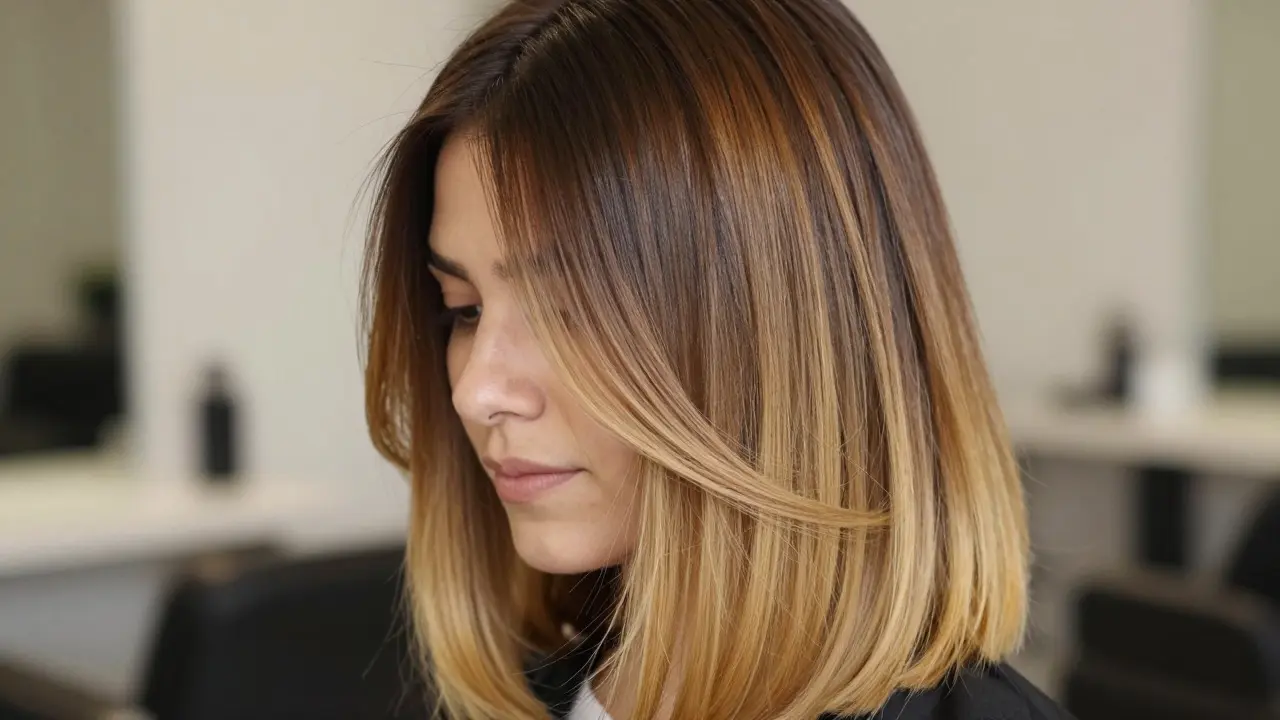
You have spent months growing your hair out to that perfect shoulder-length stage. It’s long enough to tie up, but short enough to stay manageable in the summer heat. Now, you’re staring at a Pinterest board full of stunning ombre hair looks and wondering if this gradient style will work for your specific cut. The short answer? Absolutely. In fact, shoulder-length hair is often considered the "sweet spot" for ombre because it offers just enough canvas to show off the transition without the maintenance nightmare of very long locks.
However, pulling off a seamless fade on medium-length hair requires a slightly different approach than what stylists use on waist-length manes. If you’ve ever worried about your roots looking like a muddy mess or the color band sitting awkwardly high on your head, you are not alone. This guide breaks down exactly how to make ombre work for your shoulder-length hair, from choosing the right placement to maintaining the look between salon visits.
Why Shoulder-Length Hair Is Ideal for Ombre
There is a misconception that ombre requires inches of extra length to look authentic. While dramatic, floor-sweeping gradients exist, they aren’t necessary for a chic, modern look. On medium-length hair, the ombre effect creates an illusion of depth and movement that flat, single-process color simply cannot achieve.
The main advantage here is control. With shorter hair, the transition zone-the area where your natural root color blends into the lighter ends-is more compact. This means the stylist can create a sharper, more defined contrast if you want a bold look, or a softer, more subtle blend if you prefer something low-key. You also avoid the "split dye" problem common with very long hair, where the middle section gets neglected during processing time.
- Better Blend Visibility: Because there is less hair to cover, the balayage or foiling technique allows for a more precise hand-painted effect.
- Less Damage: Since the lightener doesn't need to travel as far down the shaft, you can often process the ends more thoroughly without sacrificing the integrity of the mid-lengths.
- Faster Styling: Shoulder-length hair dries faster, meaning you spend less time blow-drying and more time showing off your new dimension.
Choosing the Right Placement for Your Face Shape
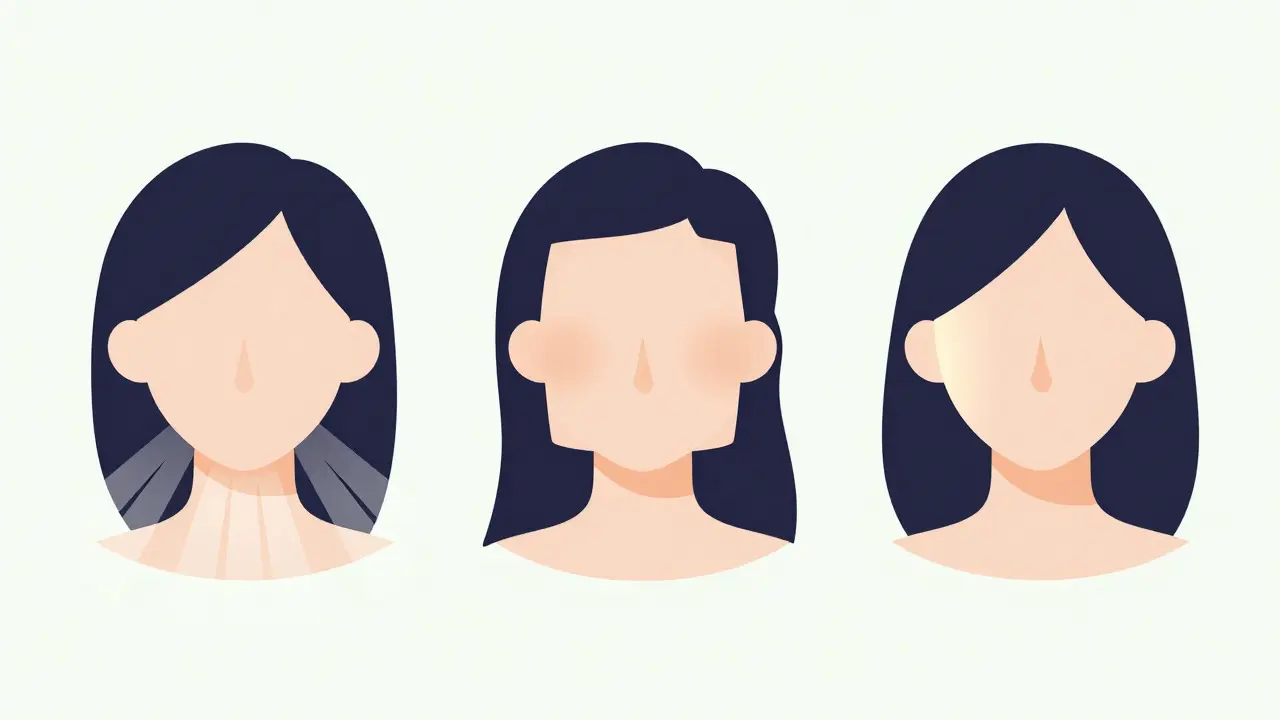
The biggest mistake people make with shoulder-length ombre is letting the stylist decide the starting point without considering their face shape. The placement of the color shift dictates whether the style frames your face beautifully or drags your features down.
If you have a round face, you generally want the color to start lower, closer to the collarbone. This draws the eye downward, elongating the neck and balancing facial width. For square jawlines, a higher placement-starting around the cheekbones-can soften angles by drawing attention upward. Oval faces are lucky; they can pull off almost any placement, but a mid-ear start usually provides the most balanced look.
| Face Shape | Recommended Start Point | Visual Effect |
|---|---|---|
| Round | Below Chin / Collarbone | Elongates the face and neck |
| Square | Cheekbone Level | Softens strong jawlines |
| Oval | Mid-Ear / Jawline | Balances proportions |
| Heart | Chin Level | Adds width to the lower face |
Selecting Colors That Work with Your Natural Base
Ombre is not just about picking a pretty end color; it’s about how that color interacts with your natural root. Since shoulder-length hair exposes more of the mid-shaft than longer hair, harsh contrasts can sometimes look jarring rather than intentional.
If you have dark brown or black hair, going straight to platinum blonde is risky on shorter lengths because the transition zone becomes very small. Instead, consider a "bronde" approach-a blend of brown and blonde-that creates a smoother gradient. For redheads, copper-to-gold transitions maintain warmth and prevent the brassy orange phase that often plagues lightened red hair.
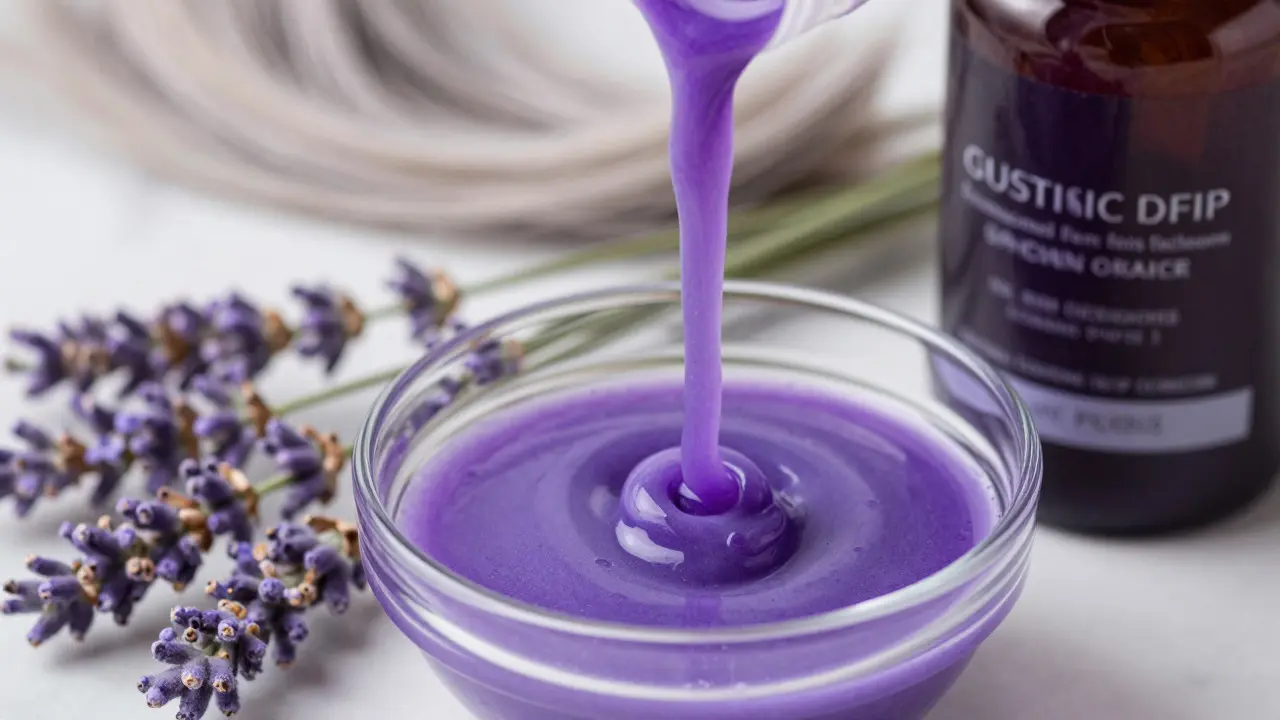
Ask your stylist about color theory. Complementary colors cancel each other out. If you struggle with brassiness (yellow/orange tones), using purple-toned toners or shampoos can keep your ash blonde or silver ends cool and vibrant. This is crucial for shoulder-length hair because the ends are closer to your face, making any discoloration more noticeable.
The Technique: Balayage vs. Foilayage
Not all ombre is created equal. The method your stylist uses determines how natural the result looks. For shoulder-length hair, two techniques stand out: traditional balayage and foilayage.
Balayage involves painting the color directly onto the hair without foil. This creates a sun-kissed, irregular pattern that mimics natural lightening. It’s ideal if you want a soft, lived-in look where the transition is barely perceptible. However, on darker hair, balayage alone might not lift the color enough to achieve a stark white or pastel end.
Foilayage combines the freehand painting of balayage with the precision of foils. The stylist paints sections of hair and then wraps them in foil to trap heat, ensuring maximum lift. This is often the better choice for shoulder-length hair if you want a more defined, brighter ombre effect. The foil ensures that the ends get fully processed, preventing that muddy gray stage that happens when lightener isn't strong enough.
Maintenance: Keeping Your Ombre Fresh
One of the best things about ombre on shoulder-length hair is that it grows out gracefully. Unlike all-over color, you don’t have a visible root line appearing every three weeks. However, "low maintenance" doesn’t mean "no maintenance." To keep your ends looking healthy and vibrant, you need a solid care routine.
Lightened hair is porous, meaning it absorbs water and products quickly but loses moisture just as fast. Without proper hydration, your ombre ends will turn frizzy and straw-like. Incorporate a deep conditioning mask once a week, focusing only on the bottom third of your hair. Avoid applying heavy conditioners to your roots, which can weigh down your shoulder-length layers and kill volume.
Heat protection is non-negotiable. Even if you think you’re being careful with your straightener, daily styling adds up. Use a thermal protectant spray before every heat styling session. Additionally, consider switching to a sulfate-free shampoo. Sulfates strip natural oils and can cause semi-permanent or toner-based colors to fade rapidly, turning your cool ash tones warm and brassy within weeks.
Troubleshooting Common Issues
Even with the best stylist, things can go wrong. Here are the most common issues with shoulder-length ombre and how to fix them.
- The "Bandit Mask" Effect: If the transition starts too high, it can look like a wig cap. Fix this by asking for face-framing highlights around the crown to blend the root area more naturally.
- Brassiness: Yellow or orange tones appearing in your blonde ends? Use a purple shampoo once a week. Leave it on for 3-5 minutes before rinsing. Don’t overdo it, or your hair may turn lavender.
- Dryness: If your ends feel brittle, you may need a protein treatment. Look for products containing keratin or hydrolyzed wheat protein. Follow this with a moisturizing mask to seal the cuticle.
- Uneven Lift: If some strands are lighter than others, your stylist may have missed spots during application. A touch-up appointment with a gloss or toner can even out the tone without re-lightening the entire section.
When to Cut vs. When to Color
Sometimes, the issue isn’t the color-it’s the cut. Shoulder-length hair often suffers from blunt, heavy ends that make the ombre look blocky. Ask your stylist for a "dusting" trim before coloring. Removing just 1/4 inch of split ends ensures the color applies evenly and the final result looks polished.
If your hair is already damaged from previous bleaching, hold off on a full ombre. Consider a "reverse ombre," where the roots are lighter and the ends are darker. This protects the most fragile part of your hair (the ends) while still giving you a trendy, dimensional look. As your hair grows, you can gradually lighten the ends over several sessions.
How long does ombre last on shoulder-length hair?
On average, ombre lasts 3 to 4 months before needing a refresh. Since the color is concentrated on the ends, it fades slower than all-over color. However, the tone may shift due to washing and sun exposure, so toning every 6-8 weeks helps maintain the desired shade.
Is ombre damaging to medium-length hair?
Like any chemical service, ombre can cause damage if not done correctly. However, because it focuses on the ends, the healthier root area remains untouched. Using bond-building treatments like Olaplex or K18 during the process significantly reduces breakage and keeps the hair strong.
Can I do ombre at home on shoulder-length hair?
It is possible, but risky. Shoulder-length hair has a smaller margin for error in blending. One mistake can lead to a harsh line that is difficult to fix. If you attempt it, use a kit designed for beginners and follow the instructions precisely. For best results, especially with dark hair, see a professional.
What is the difference between ombre and balayage?
Ombre refers to the color effect-a gradient from dark to light. Balayage is a technique used to create that effect. You can achieve an ombre look using foils, balayage, or both. Balayage tends to be softer and more natural-looking, while foils can create a more dramatic contrast.
How much does ombre cost for shoulder-length hair?
Prices vary by location and stylist expertise, but expect to pay between $150 and $300 for shoulder-length hair. This usually includes the color service and a basic cut. High-end salons in major cities may charge upwards of $400. Always ask for a consultation fee beforehand to get an accurate quote.


Mark Harvey
August 7, 2026 AT 22:08really glad to see a guide that actually talks about the medium length sweet spot. so many articles just assume you have waist length hair lol. i think the part about face shape placement is super important because everyone has different features and what works for one person might drag another down. it feels like stylists sometimes forget to ask about this before they start painting. thanks for breaking it down simply
Art HND
August 9, 2026 AT 13:11ombré is dead. it was a 2014 trend that refused to die. most people look like they dyed their hair in a bathtub with box dye from the dollar store. if you want dimension, get highlights. proper ones not this muddy gradient mess.
Elizabeth Brooks
August 10, 2026 AT 08:51i totally agree with mark on the face shape thing! i had my stylist start it too high once and it looked like a helmet line. also the tip about purple shampoo is legit but dont leave it on too long or you will turn lilac lol. i learned that the hard way after one wash day where i zoned out. hydration is key tho because bleached ends get so dry fast
Deb Kortyna, MBA
August 11, 2026 AT 06:25It is quite amusing how the internet continues to recycle trends from nearly a decade ago as if they are revolutionary. The term 'ombre' was exhausted years ago. Furthermore, the suggestion that shoulder-length hair requires less maintenance is disingenuous; damaged ends require constant trimming regardless of length. One should consult a professional colorist rather than relying on blog posts written by enthusiasts who likely lack formal training in color theory.
alex kobri
August 13, 2026 AT 01:59the philosophy of hair is about self expression right? but society keeps trying to put boxes around it like oh you must have round face so you need low placement. maybe you just like high placement because it makes you feel bold. rules are meant to be broken i suppose. though i guess practical advice helps avoid disasters
Zach Loescher
August 13, 2026 AT 07:04i found the section on balayage vs foilayage really interesting. i always wondered why some looks look more natural than others. seems like the heat trapping in foils makes a big difference for darker hair bases. does anyone know if bond builders like olaplex are worth the extra cost during the appointment?
Quintin Franzese
August 13, 2026 AT 08:35sure let's all ruin our hair integrity for a pinterest board. great plan. nothing says healthy lifestyle like bleaching the ends until they snap off in the shower. but hey at least you'll look good for three months before you chop it all off and start over.
Susan Cole
August 13, 2026 AT 22:03i appreciate the troubleshooting section especially the bit about the bandit mask effect. that is such a common issue when stylists rush. i always recommend asking for a consultation first to discuss the starting point clearly. boundaries with your stylist are important so you get exactly what you envisioned without surprises later
Brandon Olvera
August 14, 2026 AT 17:10why do we need guides for everything now. just go to the salon and tell them what you want. stop reading blogs and wasting time online. real people don't read twenty paragraphs about hair gradients they just live their lives. american culture is getting too obsessed with perfection instead of just being natural and strong like our ancestors were