

The Visual Mystery of Traditional Fringes
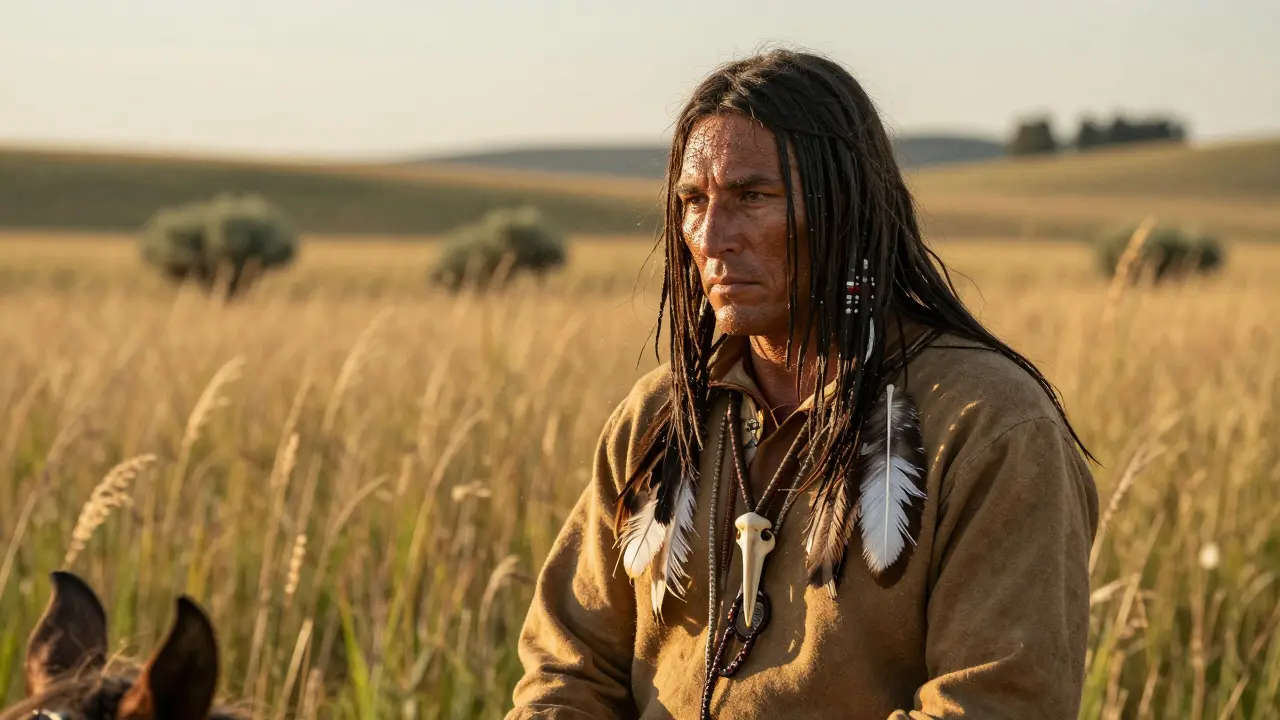
You've likely seen images of men with long hair and straight-cut bangs covering their foreheads. In modern media, people often call this look a "fringe" or simply "bangs." But when you see this style on Native American Hairstyles, it carries weight far beyond simple fashion trends. Many ask why some Native American males wear their hair this way. Is it purely aesthetic? Is it ancient tradition still practiced? Or is it something else entirely?
To understand this look, we have to strip away the Hollywood version of history. Movies from the early 20th century cemented an image of the "cowboy and indian," but real life was much more varied. The answer lies in a mix of practical necessity, deep spiritual belief, and the specific customs of different tribes across North America.
Practicality Over Fashion
Before we talk about spirits, let's look at survival. For many Indigenous peoples living on the Great Plains or in the forests, the environment dictated how they lived, including their grooming habits. Long hair served a purpose. The fringe, specifically, was designed to keep sweat out of the eyes. When running, hunting, or riding horses, perspiration flows down the forehead. A short row of bangs catches that moisture before it blinds the wearer.
Functional GroomingHair styles adapted to environmental needs rather than vanity
This was especially true during war or hunting parties. Visibility meant the difference between success and failure. If your vision was obscured by sweat, you were vulnerable. Additionally, in harsh winter conditions, keeping the forehead covered provided a minor layer of insulation. It wasn't about looking cool; it was about staying alert and comfortable in extreme weather.
Spiritual Connections and Power
Beyond utility, hair held immense sacred value. Many cultures viewed hair as a conduit for strength and spiritual connection. Some believed that every strand carried energy linked to the Creator or the earth itself. Cutting hair was never a casual act. You didn't just pop into a barber shop. Removing hair was a ritualistic event, often reserved for mourning or major life transitions.
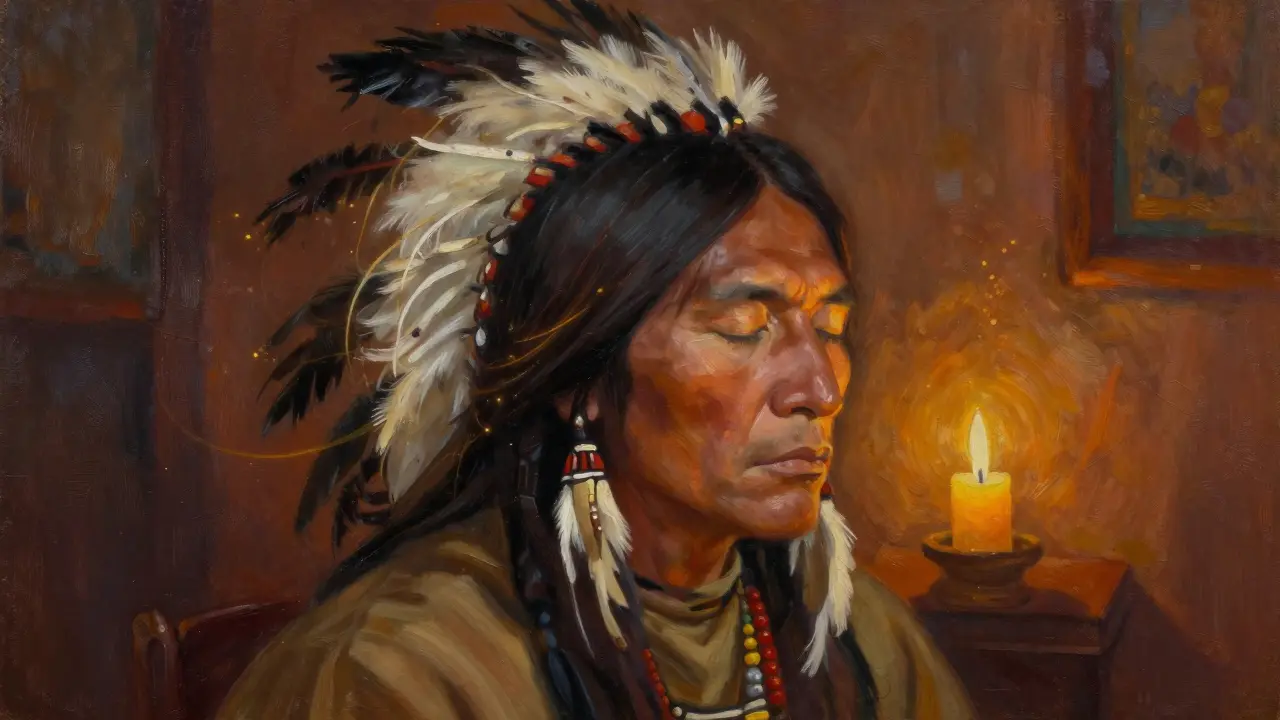
In several traditions, letting hair grow long demonstrated respect for that energy. The fringe acted as a barrier between the physical world and the mind. Keeping the hair intact over the brow kept the spirit protected. While some groups, like certain Eastern Woodlands tribes, wore scalp locks instead of full fringes, the concept remained similar: protecting vital energy centers.
Tribal Variations and Misconceptions
A common mistake is treating all Indigenous peoples as one single group. There were hundreds of nations with thousands of languages and vastly different customs. What applied to the Lakota did not necessarily apply to the Navajo or the Haudenosaunee. The "full fringe" look is most associated with the Plains Indians who roamed the central continent. Other tribes preferred braids, shaved heads with tufts, or entirely different arrangements.
| Region | Typical Style | Significance |
|---|---|---|
| Plains (e.g., Cheyenne) | Long hair with heavy fringe | Protection from elements, warrior status |
| Eastern Woodlands | Mohawk-style or buns | Tribe identification, spiritual balance |
| Southwest (e.g., Apache) | Long, flowing hair | Connection to ancestors |
| Northeast | Shaved head with lock | Ritualistic, mourning customs |
This table shows that while the fringe is famous, it wasn't universal. Assuming every Native man wore bangs ignores the rich diversity of over 570 federally recognized tribes in the United States alone today. Each community preserved its own identity through these markers.
Impact of Colonization and Revival
History is brutal here. During the era of forced assimilation, particularly in residential schools throughout the late 19th and mid-20th centuries, children were forbidden from wearing traditional cuts. Their hair was forcibly cut off. This was an attack on their identity. The policy aimed to erase cultural ties, viewing long hair and traditional dress as "uncivilized." Consequently, many elders remember the loss of these hairstyles as a trauma passed down generations.
Because of this, the revival of traditional styles in the late 20th and early 21st centuries was a political statement as much as a personal choice. Reclaiming the long hair and the fringe became a way to reclaim dignity. In 2026, seeing a Native man wear this cut is often a deliberate nod to that resilience. It signals that the culture survived the attempts to wipe it out.
Modern Adaptations and Respect
Today, you might see variations of the style in festivals or daily life. Some choose to keep it strictly authentic, adhering to specific tribal protocols. Others adapt the fringe into a modern "surfer" cut or rock-and-roll look, blending heritage with contemporary style. However, boundaries exist. There is a significant line between appreciation and appropriation. Non-Native individuals copying this look without understanding the context often face criticism because the style represents something they do not belong to.
Cultural AppropriationUsing elements of a culture without permission or understanding
If you enjoy the look, appreciate it as art tied to a specific people's history. If you adopt it, know where it comes from. The story behind the bangs is not just about hair care; it's about memory and identity.
Key Attributes of the Fringe Cut
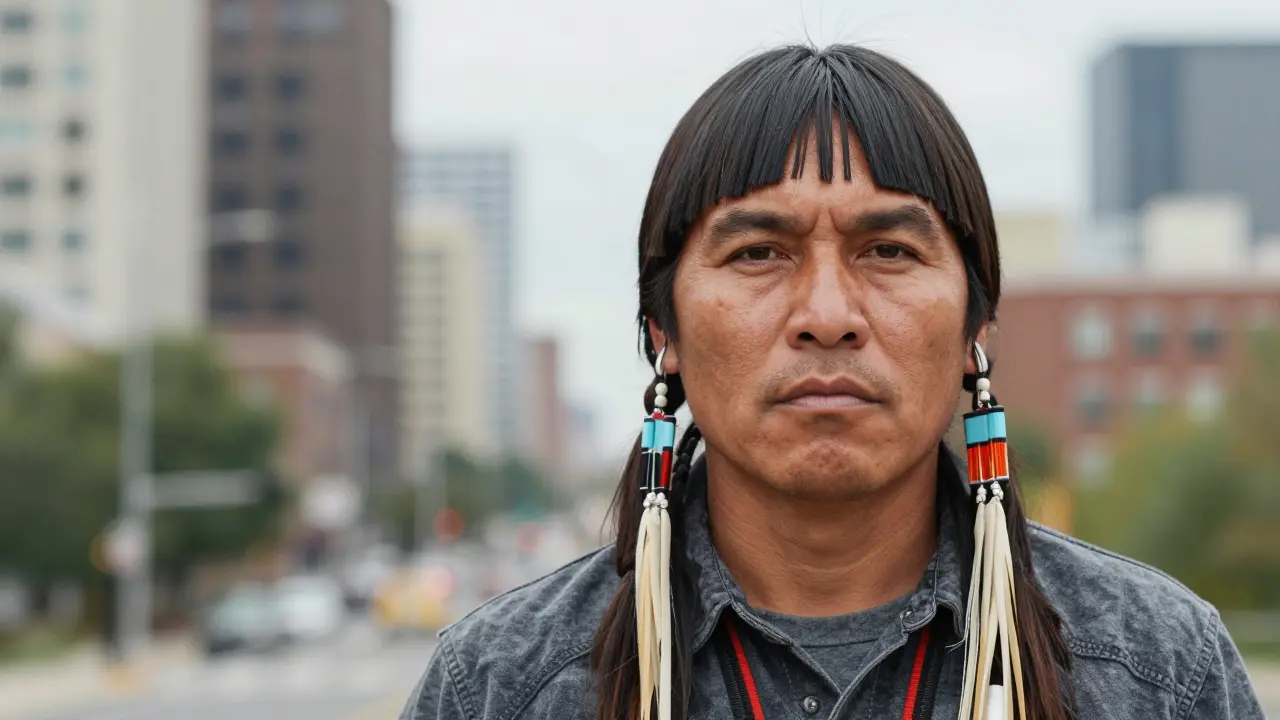
When examining the technical side of the cut, a few details stand out. The length is often kept even across the forehead. It is rarely blended softly into shorter sides in the traditional sense; it is usually a solid block of hair framing the face. Maintenance requires natural oils. Historically, bear grease or tallow was used to condition and hold the hair in place. These days, modern creams fill that gap, but the intention stays the same: health of the follicle and preservation of the style.
Frequently Asked Questions
Did all Native American men wear bangs?
No. Hairstyles varied significantly by region and tribe. While the fringe was popular among Plains Indians, other groups favored braids, topknots, or completely shaved heads depending on cultural norms and climate.
What is the spiritual meaning of long hair in these cultures?
Many traditions view hair as a source of spiritual power and a link to the creator. Cutting it is often restricted to times of mourning or after achieving specific visions.
Is it disrespectful for non-Native people to wear this style?
Many Native communities view adopting sacred styles without understanding the history as appropriation. It is generally best to honor the culture by learning about it rather than wearing the symbols as fashion accessories.
How did colonization affect traditional grooming?
Assimilation policies in government-run schools forbade traditional haircuts, forcing children to cut their hair short to remove cultural identifiers. This created a generational gap in practice until recent revivals.
Are there specific materials used to maintain this hair?
Traditionally, natural fats like bear grease were used for conditioning and hold. Modern adaptations use beeswax or specialized pomades that mimic these organic textures.
Looking Forward
Understanding why the Native American hairstyles feature prominent bangs changes how we see the style. It stops being just another trend. It becomes a symbol of endurance. As we move further into the 2020s, the dialogue around indigenous rights and recognition continues to evolve. Seeing these styles on young people today connects them to ancestors who fought hard to preserve their names, their lands, and yes, their ways of styling themselves.




Marissa Martin
March 31, 2026 AT 05:42It really bothers me how people treat sacred cultural markers like accessories for their wardrobe. We see so many influencers co-opting these looks while ignoring the genocide that accompanied the suppression of such styles. Respect requires action beyond just liking an Instagram photo. I think we need to do better when discussing indigenous histories and traditions. The weight of the history behind the fringe is often missed completely by casual observers. True understanding involves listening to voices from the community rather than assuming knowledge. It is disappointing to see how quickly symbols lose meaning in a commercialized society.
This needs to stop before we lose track of why these traditions matter in the first place.
Patrick Bass
April 1, 2026 AT 07:01The article mentions specific tribes but does not elaborate on the grammatical variations in naming conventions. There is a distinction between pluralizing people and singular forms within linguistic contexts. Accuracy matters when documenting historical data sets. One should ensure proper nouns are capitalized correctly in discussions regarding native nations. Precision prevents misunderstandings in future academic references.
Good work on the general overview despite the minor errors.
Tyler Springall
April 2, 2026 AT 23:28Most individuals fail to grasp the nuance presented here because they operate on a superficial level of comprehension. It is amusing how people conflate aesthetic choices with deep spiritual imperatives without reading the primary sources. I have studied anthropological texts regarding Plains cultures extensively and this analysis barely scratches the surface.
The reductionist approach taken by modern media ignores the complexity of tribal sovereignty. One must understand the geopolitical landscape before judging grooming habits as mere fashion statements. The power dynamics involved in colonialism cannot be overstated in any serious discourse. Furthermore, the spiritual significance mentioned relies heavily on oral histories that are rarely translated accurately. We tend to simplify complex human behaviors into digestible content for social consumption. This creates a false narrative where tradition becomes costume design for the uninitiated. Authenticity is lost when the symbolism is divorced from its intended ritualistic function.
Society prioritizes visual novelty over historical preservation. The implications of this disregard extend far beyond hair care routines. Intellectual rigor demands that we question our own consumption habits regarding culture. Only then can we hope to move past the era of exploitation disguised as appreciation. Ultimately, we find ourselves complicit in the erasure of identity through apathy. Ignorance is not bliss when applied to living cultures.
Colby Havard
April 3, 2026 AT 15:23The nature of identity is often constructed; it is built upon layers of memory--and pain. To view hair merely as flesh is to ignore the soul; it is a vessel for spirit. Thus, we must look deeper--into the heart of the matter. The sweat mentioned is a metaphor for survival itself.
It represents the struggle against the elements of life. We exist in a state of flux; yet the hair remains constant.
Amy P
April 5, 2026 AT 06:08I actually cried reading the part about the residential schools. That kind of trauma is real and lasts forever. Seeing young people reclaim it now is such a powerful statement. It gives me chills knowing how hard they fought to keep their culture alive. Fashion isn't everything but this feels different. It feels like love.
I wish more people understood the depth of this story.
Ashley Kuehnel
April 6, 2026 AT 08:48Just wanted to add that bear grease wasnt the only thing used sometimes pine resin worked well too! Also check your tribe specific rules before trying anything. Its really important to respect the elders who know best. Hope this helps everyone learn something new today!
Keep spreading good vibes and knowledge.
adam smith
April 6, 2026 AT 21:23This analysis lacks sufficient detail on regional variances.
Mongezi Mkhwanazi
April 6, 2026 AT 23:46People often judge based on appearance without seeing the internal corruption of character. The way you style your body reflects your inner values; and many are lacking in virtue. It is a sad commentary on our times that history is forgotten so quickly. We live in an era of superficiality; and this post attempts to bridge that gap. However, I remain skeptical of the sincerity shown by those commenting online. True wisdom comes from silence and observation.
Do not mistake popularity for truth in these matters. The elders know what is right even if the youth do not listen. We must preserve dignity in every action we take daily. It is shameful how many disregard the spiritual implications of physical appearance. Vanity takes precedence over honor in modern society. I see this pattern everywhere I go; it is disheartening to witness such decline. The loss of tradition leads to a loss of self-identity. Without roots we drift like leaves in the wind without purpose. One must always consider the source of their influence carefully. Such negligence is truly detrimental to the collective soul.