You’ve probably heard that Indigo Powder is the holy grail of natural hair coloring. It’s everywhere on Instagram, promised as a chemical-free way to get deep black or rich brown locks without touching a bottle of ammonia. But here is the uncomfortable truth: "natural" doesn't automatically mean "safe." If you have sensitive skin or a history of allergies, slathering this green paste on your head could trigger more than just a bad hair day.
The short answer? Yes, for most people, authentic Indigofera tinctoria is low-risk when used correctly. But it is not risk-free. The European Scientific Committee on Consumer Safety (SCCS) says it’s safe at concentrations up to 25%, but they also warn that weak skin sensitization can’t be ruled out. So, before you mix that bowl, let’s break down exactly what goes into your hair, why quality matters more than marketing, and how to avoid turning your scalp into a reaction zone.
What Actually Happens When You Use Indigo?
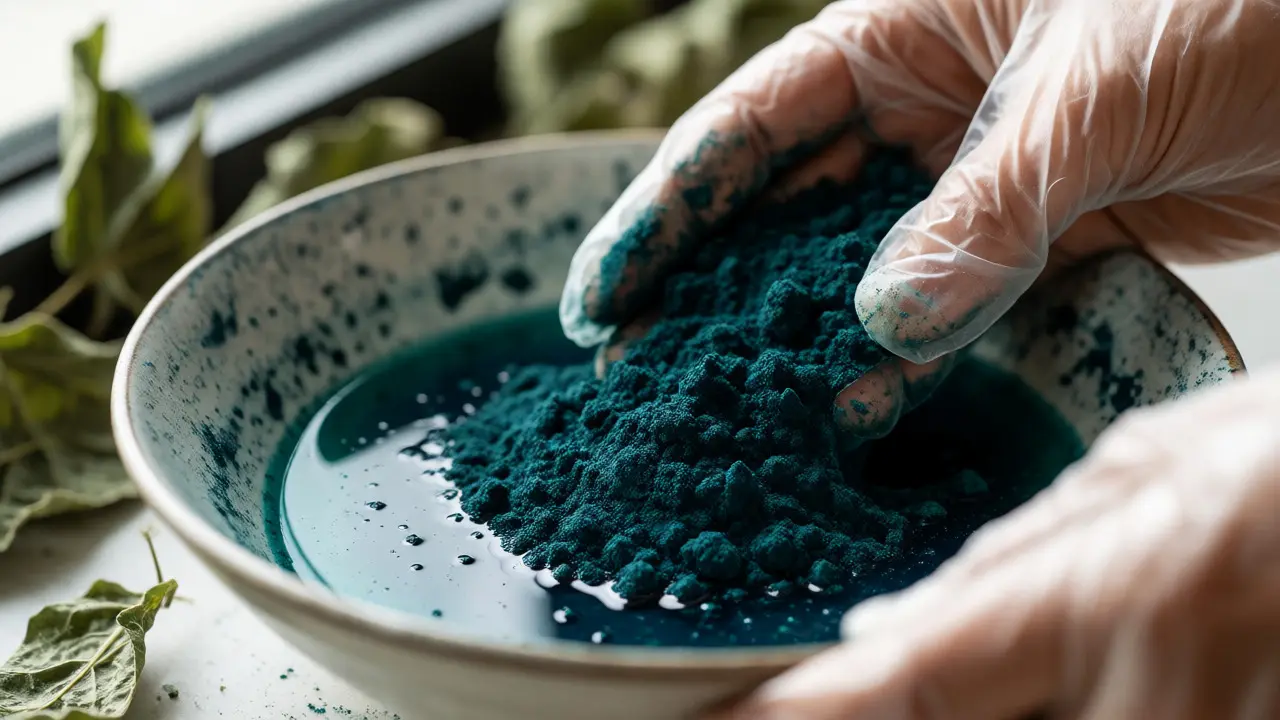
Unlike permanent dyes that blast open your hair cuticle with peroxide, indigo works by deposit. Think of it like painting a wall versus stripping the paint off first. The powder comes from the leaves of the Indigofera tinctoria plant. When you mix it with water, enzymes in the leaf convert a compound called indican into indoxyl. Then, oxygen from the air turns that indoxyl into indigotin-the blue pigment we see.
This process is crucial to understand because it explains the limitations. Since indigo only deposits color, it cannot lighten your hair. If you have dark brown hair and apply pure indigo, you won’t get platinum blonde; you’ll likely get a cooler, darker shade. To get true black, many people follow a two-step process: applying henna first (which deposits red/orange) and then indigo over it. The combination neutralizes the orange tones, resulting in brown-to-black shades. It’s chemistry, not magic, and the results depend heavily on your starting hair color and how long you leave the paste on.
The Allergy Myth: Why "Natural" Can Still Sting
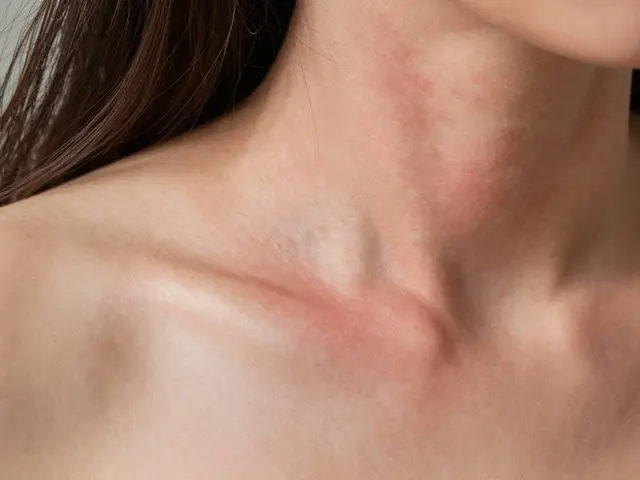
Here is where things get tricky. Many people switch to indigo because they are allergic to PPD (para-phenylenediamine), a common ingredient in commercial box dyes. They assume indigo is a safe haven. While indigo itself doesn’t contain PPD, it is not hypoallergenic.
Clinical reports show real cases of allergic contact dermatitis caused by pure indigo. In one notable case, a woman with a known PPD allergy reacted to an organic indigo powder product. Patch tests confirmed she was allergic to the indigo itself, not just hidden additives. A 2026 clinical series even noted that some users developed persistent dark patches on their skin after using indigo, suggesting that for a small subset of people, the reaction isn’t just temporary itching-it can lead to lasting pigmentation changes.
The SCCS notes that while indigo wasn’t irritating in some animal tests, other studies found potential for contact allergen activity. This means your immune system might decide it dislikes indigo, even if it’s 100% plant-derived. Never assume a product is safe just because it grew in the ground.
Quality Control: The Dirty Secret of Plant Powders
If there is one reason to be cautious about indigo, it’s contamination. Unlike synthetic dyes manufactured in sterile labs, plant powders are harvested, dried, and ground in fields. This opens the door to heavy metals and adulterants.
In regulatory testing batches analyzed by the SCCS, lead levels exceeded the European cosmetic limit of 2 mg/kg in every sample tested. This doesn’t mean every jar of indigo on Amazon is toxic, but it highlights a serious gap in quality control. Cheap, unbranded powders might contain lead, arsenic, or even synthetic dyes added to boost color intensity without listing them on the label. Some products sold as "black henna" actually contain high amounts of PPD mixed with indigo, which defeats the purpose of switching to natural alternatives.
| Feature | Indigo Powder (Pure) | Conventional Permanent Dye |
|---|---|---|
| Mechanism | Deposit-only (coats hair shaft) | Oxidative (lifts melanin, enters cortex) |
| Lightening Ability | None (cannot lighten) | High (with developer) |
| Allergen Risk | Low-Moderate (possible sensitivity to indigo/tannins) | Moderate-High (PPD, ammonia, resorcinol) |
| Contamination Risk | High if unregulated (heavy metals, fillers) | Low (strict manufacturing standards) |
| Application Time | Long (hours) | Short (30-45 mins) |
How to Use Indigo Safely: A Step-by-Step Protocol
Don’t just dump powder on your head and hope for the best. Follow these steps to minimize risk and maximize color payoff.
- Buy Smart: Look for products that list the botanical name Indigofera tinctoria. Avoid vague terms like "herbal blend" unless you know every ingredient. Check for batch numbers and supplier transparency regarding heavy metal testing.
- Patch Test Every Time: This is non-negotiable. Mix a tiny amount of paste and apply it to the inside of your elbow or behind your ear. Leave it for 48 hours. If you see any redness, itching, or swelling, do not use it on your head. Note that delayed reactions can happen, so don’t skip this step even if you’ve used the brand before.
- Protect Your Skin: Indigo stains everything. Apply petroleum jelly or a thick barrier cream along your hairline, ears, and neck. Wear gloves. Seriously, your nails will turn blue-green for days if you don’t.
- Avoid Inhalation: Mixing dry powder creates dust. Do this in a well-ventilated area or wear a mask. Inhaling fine plant particles can irritate your lungs, especially if you have asthma.
- Watch for Red Flags: If you feel intense burning, tingling, or see blistering during application, rinse immediately. Don’t try to "tough it out." Severe symptoms like facial swelling or breathing difficulties require urgent medical attention.

When Should You Avoid Indigo Completely?
Not everyone should reach for the indigo jar. If you have broken skin, eczema flare-ups, or sunburned scalp, wait until your skin heals. Applying anything to compromised barriers increases absorption and irritation risk.
Also, be careful with eyelashes and eyebrows. The FDA generally does not approve hair dyes for use around the eyes due to the risk of severe eye injury. Unless a specific product is explicitly labeled for eyebrow/lash use, keep indigo away from that delicate area. Finally, if you have a history of severe reactions to hair dyes, consult a dermatologist before trying new botanicals. They can perform formal patch testing to identify specific allergens, saving you from a painful experiment.
Frequently Asked Questions
Can indigo powder lighten my hair?
No. Indigo is a deposit-only colorant. It coats the outside of the hair shaft but does not penetrate deeply enough to remove natural melanin. It can darken hair or change its tone (e.g., making brown look black), but it cannot make dark hair lighter or blonde.
Is indigo powder safer than box dye?
It depends. For people allergic to PPD or ammonia, indigo avoids those specific chemicals. However, indigo carries its own risks, including potential allergic reactions to the plant itself and contamination with heavy metals like lead. Neither option is universally "safer"; it depends on your individual biology and product quality.
Why did my hair turn green?
This usually happens if you apply indigo to light blonde or bleached hair without a base layer of henna. Indigo is blue; yellow hair + blue pigment = green. To fix this, apply henna first to add red/orange tones, then apply indigo. The red cancels out the blue-green shift.
Does indigo damage hair?
Generally, no. Because it doesn’t use harsh developers or bleach, indigo is often conditioning. However, frequent applications can build up on the hair shaft, potentially making hair feel stiff or brittle if not washed properly. It does not cause structural damage like oxidative dyes can.
How long does indigo last?
Indigo is semi-permanent to permanent depending on the hair type. On coarse or resistant gray hair, it can fade within 4-6 weeks. On finer hair, it may last longer. It does not grow out with distinct roots like chemical dyes because it doesn’t lift the natural color, but it will gradually fade with washing.