

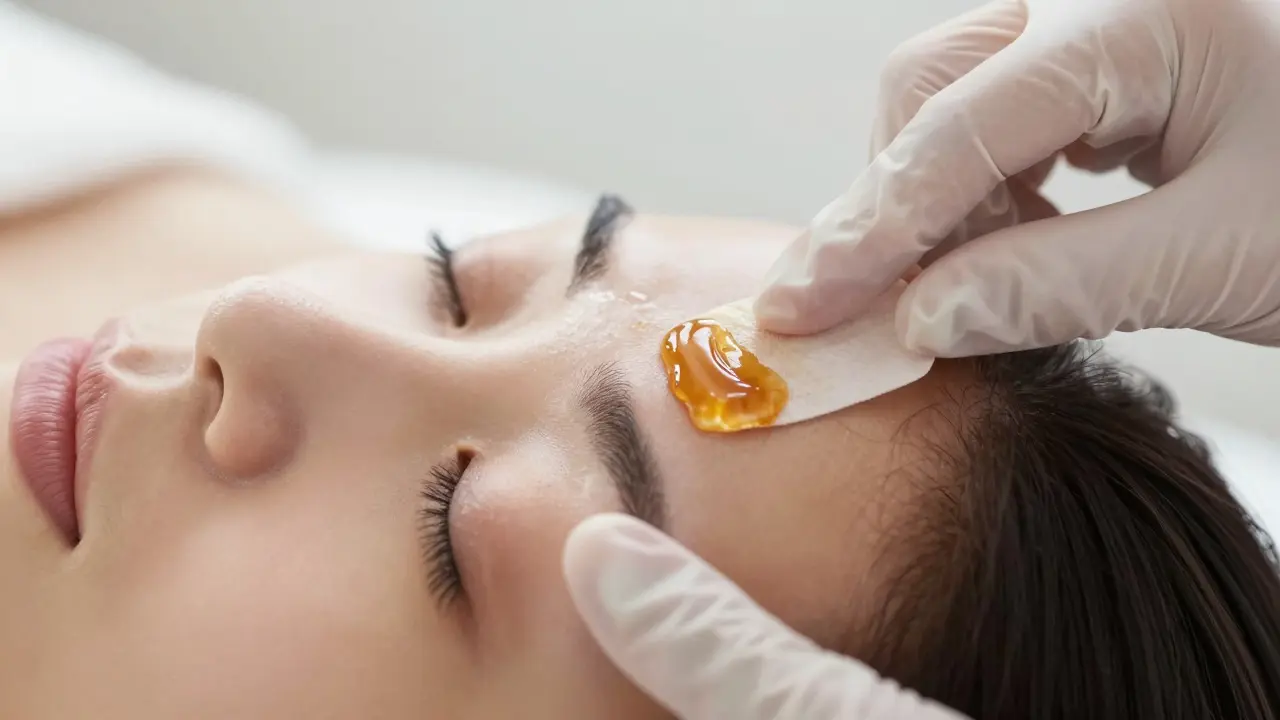
There is a persistent myth that removing hair from your face with hot or cold wax will permanently damage your follicles or cause long-term skin issues. The reality is much simpler: facial hair waxing is generally safe for most people, but it is not risk-free. If done incorrectly, or if you have specific skin conditions, it can lead to burns, scarring, or infections.
As someone who has spent years navigating the world of grooming products and techniques, I’ve seen everything from perfectly smooth brows to severe contact dermatitis caused by cheap ingredients. The key isn’t avoiding wax altogether; it’s understanding how your skin reacts and choosing the right method. Whether you are using an at-home eyebrow wax kit or visiting a professional esthetician, knowing the potential pitfalls helps you avoid them.
The Immediate Physical Risks of Waxing
When you pull wax off your skin, you are ripping hair out by the root. This is a traumatic event for your skin, even if it’s temporary. The most common immediate side effects are redness (erythema) and swelling. For most people, this subsides within a few hours. However, some individuals experience more intense reactions.
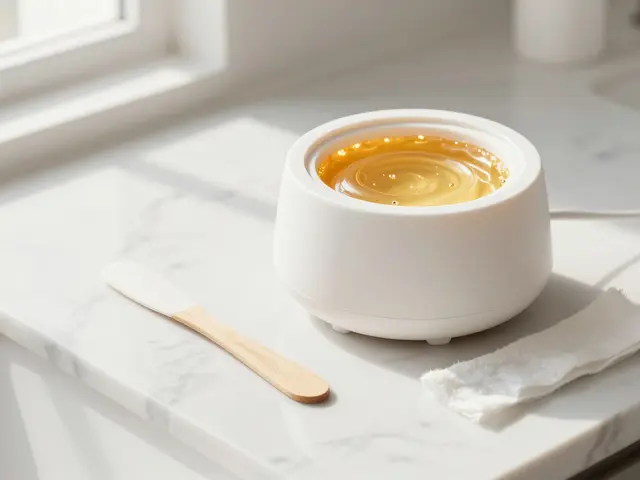
- Burns: Hot wax needs to be heated to a specific temperature. If the wax is too hot, it can cause first-degree or even second-degree burns on the delicate facial skin. Cold wax strips don’t carry this heat risk, but they require more pulling force, which can bruise sensitive areas.
- Skin Lifting: This sounds dramatic, but it happens. If your skin is dry, dehydrated, or compromised by retinoids or acne medications, the adhesive strength of the wax can pull off the top layer of your epidermis along with the hair. This leaves raw, open skin that is prone to infection.
- Ingrown Hairs: When hair grows back, it can sometimes curl under the skin instead of breaking through the surface. This causes painful bumps and potential cysts, especially in curly hair types.
To minimize these risks, always do a patch test 24 hours before your full session. Apply a small amount of wax to a discreet area, like behind your ear or on your jawline. Wait a day to see if any adverse reaction occurs. If your skin turns bright red, blisters, or feels intensely itchy, waxing might not be the right removal method for you.
Ingredients Matter: What’s Actually Touching Your Face?
Not all waxes are created equal. The composition of the wax plays a huge role in whether you’ll have a good experience or a bad one. Many commercial hard wax formulas contain resins, oils, and fragrances that can irritate sensitive skin.
| Ingredient | Purpose | Potential Risk |
|---|---|---|
| Rosin | Adhesion | Allergic reactions in sensitive individuals |
| Fragrance | Scent masking | Contact dermatitis, stinging eyes |
| Beeswax | Base structure | Low risk, but problematic for vegans/allergies |
| Jojoba Oil | Skin conditioning | Very low risk, soothing |
If you have sensitive skin, look for “sensitive skin” formulations. These often exclude fragrances and use softer resins. Hard wax is generally better for the face than soft wax because it adheres to the hair rather than the skin, reducing the likelihood of lifting the epidermis. Soft wax requires cloth strips and pulls against the skin, which increases trauma.

Who Should Avoid Facial Waxing Entirely?
Waxing isn’t suitable for everyone. There are specific medical and cosmetic conditions that make waxing dangerous or ineffective. Ignoring these contraindications can lead to serious complications.
- Active Acne: Never wax over active breakouts. The inflammation makes the skin fragile, and the pressure can burst pimples, spreading bacteria and causing deeper infections. It also hurts significantly more.
- Recent Retinoid Use: If you use prescription retinoids (like Tretinoin) or strong over-the-counter retinol, stop using them at least five to seven days before waxing. These medications thin the stratum corneum (the outermost layer of skin), making it highly susceptible to lifting.
- Sunburned Skin: Waxing sunburned skin is excruciating and damaging. Wait until the tan fades and the skin barrier fully heals.
- Certain Medications: Blood thinners can increase bruising. Oral antibiotics like tetracyclines can make skin photosensitive and fragile. Always consult your doctor if you’re on new medication.
- Eczema or Psoriasis Flare-ups: Waxing over inflamed patches of eczema or psoriasis can trigger the Koebner phenomenon, where new lesions form at sites of skin injury.
At-Home vs. Professional: Where Do Things Go Wrong?
Buying an at-home eyebrow wax kit is tempting. It’s cheaper and convenient. However, the margin for error is slim. Professionals have trained hands, proper lighting, and knowledge of facial anatomy. They know exactly where the brow bone sits and how to shape without over-plucking.
At home, people often make three critical mistakes:
- Incorrect Temperature: Guessing the heat of hard wax leads to burns. Always test the wax on your inner wrist first. It should feel warm, not hot.
- Wrong Direction: You must apply wax in the direction of hair growth and remove it against the grain. Pulling parallel to the skin or in the wrong direction breaks the hair instead of removing it from the root, leading to ingrowns.
- Re-waxing the Same Spot: Applying wax twice to the same area in one session drastically increases the risk of skin lifting. If hair doesn’t come out the first time, wait a moment for the skin to calm down, or switch to tweezers for stubborn strands.
If you are new to waxing, consider hiring a professional for the first few sessions to establish your shape. Once you know your ideal arch, maintaining it at home becomes easier and safer.
Aftercare: Protecting Your Skin Post-Wax
The job isn’t done when the hair is gone. The next 24 to 48 hours are crucial for preventing ingrown hairs and calming inflammation. Your pores are open, and your skin barrier is temporarily compromised.
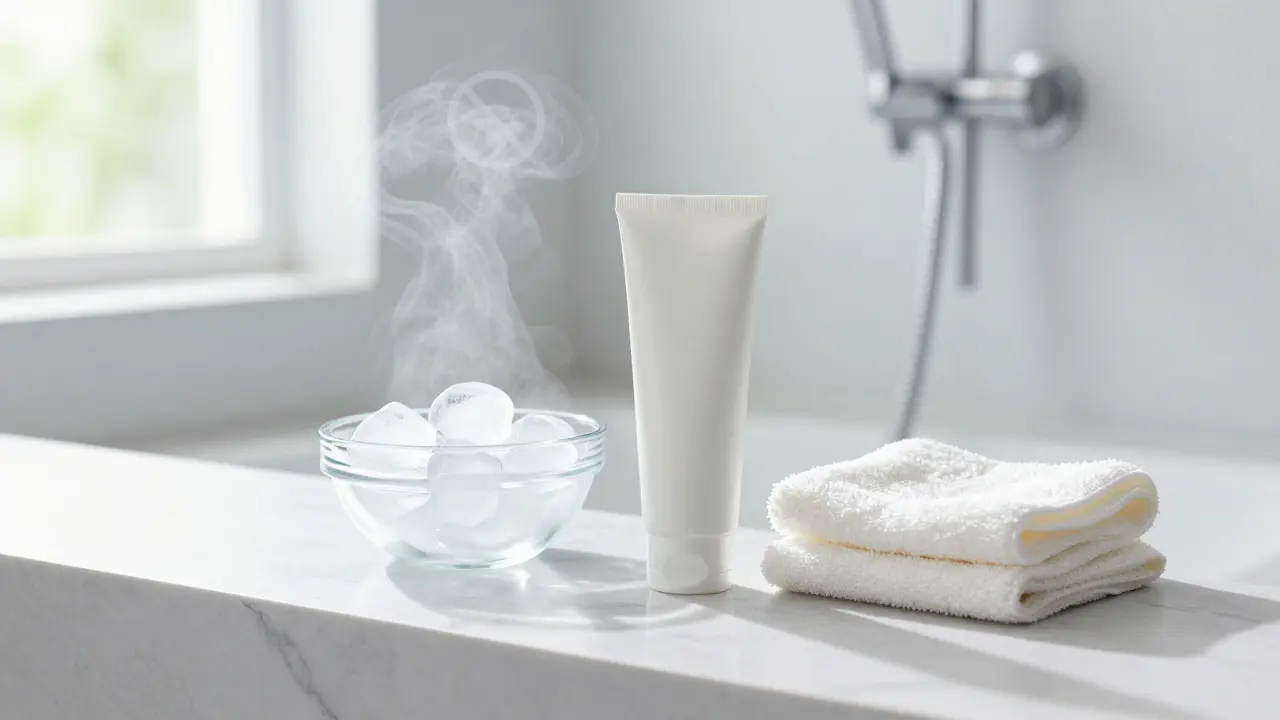
Avoid heat and friction. That means no hot showers, saunas, steam rooms, or intense workouts that cause heavy sweating for at least 24 hours. Heat increases blood flow to the area, which worsens redness and swelling. Friction from tight clothing or rough towels can irritate the fresh skin.
Skip active skincare ingredients. Do not apply retinoids, AHAs (glycolic acid), BHAs (salicylic acid), or vitamin C serums for at least three days post-wax. These exfoliants will sting and further irritate the sensitized skin. Stick to gentle, fragrance-free moisturizers containing ingredients like aloe vera, chamomile, or centella asiatica. These soothe inflammation and support barrier repair.
Start exfoliating gently after three days. Using a soft washcloth or a mild chemical exfoliant two to three times a week helps prevent dead skin cells from clogging the hair follicle, which is the primary cause of ingrown hairs. Keep the area clean and hydrated to ensure healthy regrowth.
Alternatives to Waxing for Sensitive Skin
If waxing consistently causes problems, there are other options. Each has its own pros and cons regarding pain, cost, and permanence.
- Threading: A cotton thread is twisted and rolled over the skin to catch and remove hair. It’s precise, doesn’t involve chemicals or heat, and is less likely to irritate sensitive skin. However, it can be painful and requires skill.
- Tweezing: Good for stray hairs but impractical for large areas. It’s slow and can cause ingrowns if not done correctly.
- Laser Hair Removal: Uses light energy to target melanin in the hair follicle. It’s effective for long-term reduction but requires multiple sessions and is expensive. It works best on dark hair and light skin, though newer lasers accommodate diverse skin tones.
- Depilatory Creams: Chemical creams dissolve hair proteins. They don’t pull hair, so there’s no risk of lifting. However, the chemicals can cause severe allergic reactions or chemical burns on the face. Patch testing is non-negotiable.
Choosing the right method depends on your pain tolerance, budget, and skin sensitivity. For many, a combination approach works best-laser for bulk reduction and threading or tweezing for precision shaping.
Does waxing make facial hair grow back thicker?
No, this is a myth. Waxing removes hair from the root, so when it grows back, it has a blunt tip rather than a tapered one. This can make it feel coarser initially, but repeated waxing actually weakens the follicle over time, leading to finer and sparser regrowth.
How long does redness last after facial waxing?
For most people, redness subsides within a few hours. If you have sensitive skin, it might last up to 24 hours. Applying a cold compress immediately after waxing can help reduce inflammation quickly.
Can I wax my eyebrows if I have rosacea?
It’s risky. Rosacea causes chronic inflammation and visible blood vessels. The trauma of waxing can trigger a flare-up. Consult your dermatologist first. Threading is often a safer alternative for those with rosacea.
Is cold wax or hot wax better for the face?
Hot hard wax is generally preferred for the face because it shrinks as it dries, gripping the hair tightly without sticking to the skin. This reduces pain and the risk of skin lifting. Cold wax strips are easier to use at home but can be harsher on sensitive skin.
What should I do if I get an ingrown hair after waxing?
Apply a warm compress to soften the skin. Gently exfoliate the area with a soft cloth or a salicylic acid solution to free the trapped hair. Do not pick at it, as this can cause infection and scarring. If it becomes painful or infected, see a dermatologist.

Zach Beggs
May 30, 2026 AT 01:36I've been waxing my eyebrows for years and honestly, the patch test is the only thing that really saved me from disaster. I used to just slap it on and hope for the best, but after one bad reaction with a cheap kit, I learned my lesson. It's not just about pain tolerance, it's about knowing your skin's limits.
Kenny Stockman
May 30, 2026 AT 11:18Yeah, totally agree with the patch test idea. It feels like such a hassle in the moment, but it saves you so much trouble later on. I stick to hard wax because soft wax always felt too aggressive on my face. The temperature control is also huge-burns are no joke.
Antonio Hunter
May 31, 2026 AT 09:58While I appreciate the detailed breakdown of ingredients, I think we often overlook the psychological aspect of grooming rituals, which can be just as impactful as the physical results when considering long-term satisfaction and self-image maintenance over time. The ritual itself becomes a form of meditation for some, whereas others view it purely as a chore to be endured with minimal discomfort, and this dichotomy is fascinating to observe in consumer behavior patterns across different demographics who engage in these practices regularly without fully understanding the biological implications of follicular trauma.
Paritosh Bhagat
June 2, 2026 AT 00:56You're absolutely right about the retinoid warning! People need to stop ignoring medical advice for the sake of aesthetics. It is morally irresponsible to promote waxing without emphasizing the severe risks associated with compromised skin barriers. I have seen too many people ruin their complexion because they were too lazy to wait a week. Please, for the love of everything holy, read the contraindications before you touch your face with hot wax. Your skin deserves better than negligence.
Ben De Keersmaecker
June 3, 2026 AT 16:12The section on alternatives was particularly insightful. Threading seems like a logical middle ground for those with sensitive skin, though the skill variance among practitioners is quite high. In my experience, finding a reliable threader is akin to finding a needle in a haystack, but the results are worth the effort if you avoid chemical irritants.
Aaron Elliott
June 4, 2026 AT 11:49One must consider the ontological implications of hair removal as a societal construct rather than merely a dermatological procedure. The pursuit of smoothness is an illusion perpetuated by capitalist beauty standards, yet here we discuss wax temperatures with the gravity of nuclear physics. It is absurd, yet inevitable, that we subject ourselves to such ritualistic pain for ephemeral aesthetic gains. The true harm lies not in the wax, but in the submission to arbitrary norms.
Chris Heffron
June 6, 2026 AT 01:03Just wanted to say that the table of ingredients was super helpful :) I never knew rosin could cause allergic reactions. Thanks for sharing this info! :)
Adrienne Temple
June 6, 2026 AT 14:58I tried laser once and it hurt like crazy :( But threading is so much nicer for my brows. Does anyone know if salicylic acid is okay to use immediately after? I want to prevent ingrowns but I'm scared of irritation.
Sandy Dog
June 7, 2026 AT 14:03Oh my gosh, I literally lifted my skin off my forehead last year because I didn't listen to the rule about re-waxing the same spot! It was a nightmare, I looked like a horror movie victim for weeks. Everyone needs to understand that the skin is delicate and fragile, and treating it like tough leather is a recipe for disaster. I cried for days and had to wear hats everywhere I went because I was so embarrassed by the raw patches. Please, please, please do not make the same mistake I did, because the pain is excruciating and the healing process is agonizingly slow and painful.
Nick Rios
June 7, 2026 AT 15:07I hear you, Sandy. That sounds incredibly painful and stressful. It's good that you shared your experience so others can learn from it. Taking care of our skin is important, and listening to our bodies' signals is key.
Amanda Harkins
June 8, 2026 AT 16:45The myth about thicker regrowth is so persistent. It's funny how we believe things that contradict basic biology. Waxing weakens the root, eventually. Just keep at it.
Jeanie Watson
June 10, 2026 AT 00:19Boring article. Too much text. Just tell me if it hurts or not.
Tom Mikota
June 10, 2026 AT 02:12So... you want to rip hair out of your face? Sure, why not? Because life isn't painful enough already? Great tip on the burns though. Nothing says 'good grooming' like second-degree burns on your eyelids. Bravo. Truly inspiring stuff. Can't wait to see the next post on 'How to Safely Eat Glass.'