
You’ve probably seen the debates on TikTok or Reddit: are hair extensions a cheat code for glamour or a sign of trying too hard? For some, the idea of adding length or volume feels like a beauty hack; for others, it triggers a weirdly judgmental reaction, with words like "ghetto" or "trashy" being thrown around. But here is the reality: the extensions themselves aren't the problem. The problem is usually the execution. When a blend is off or the hair looks like plastic, people notice. When it looks natural, people just assume you have amazing genes.
Quick Takeaways on the Extension Debate
- It's about the blend: Poor color matching or obvious tracks are what usually lead to negative labels.
- Quality over quantity: Synthetic hair often looks "fake," while high-end human hair integrates seamlessly.
- Placement matters: Overly long extensions that don't fit your body frame can look unnatural.
- Maintenance is key: Tangled, matted extensions are what create a "neglected" look.
Why the Stigma Exists in the First Place
To understand why people use words like "trashy" to describe extensions, we have to look at the history of beauty standards. For a long time, there was a social divide based on what was perceived as "natural" versus "artificial." Hair Extensions is a method of adding artificial or human hair to a person's natural hair to increase length, volume, or density. Because this practice has been deeply rooted in various cultural beauty traditions, especially within Black communities, some of the negative labels are actually tied to outdated social biases.
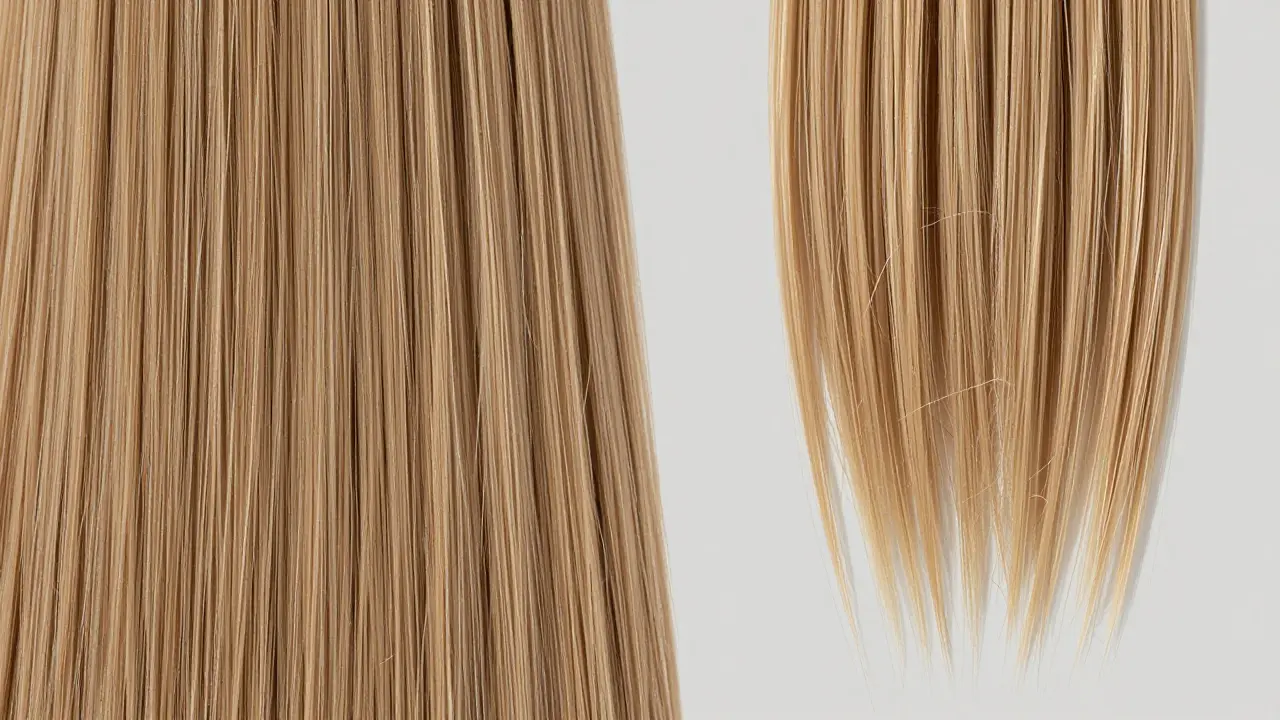
Beyond the social side, there is the "uncanny valley" of beauty. When something looks almost human but not quite, it can feel jarring. Imagine someone wearing extensions that are three shades lighter than their natural roots, or hair that has a shine so intense it looks like a PVC pipe. That lack of cohesion is what people are actually criticizing, not the act of enhancing their hair. If the transition from the scalp to the extension is seamless, most people won't even know you're wearing them.
The Difference Between "High-End" and "Obvious"
The gap between a look that feels sophisticated and one that feels "trashy" usually comes down to the material and the technician. Not all extensions are created equal. If you go to a budget-friendly spot and get synthetic fibers that don't move like real hair, you're more likely to hit those negative stereotypes. On the other hand, using Remy Hair, which is hair where the cuticles are kept intact and aligned in the same direction, ensures the hair stays smooth and doesn't tangle.
Let's look at the most common methods and how they impact the final look:
| Method | Visual Discretion | Risk of Looking "Fake" | Best For |
|---|---|---|---|
| Clip-ins | Medium | High (if too bulky) | Occasional volume/length |
| Tape-ins | High | Low | Natural blending and seamlessness |
| Sew-ins/Weaves | Medium to High | Medium (if tracks show) | Maximum volume and long-term wear |
| K-tips/I-tips | Very High | Very Low | Subtle additions and high mobility |
How to Avoid the "Trashy" Trap
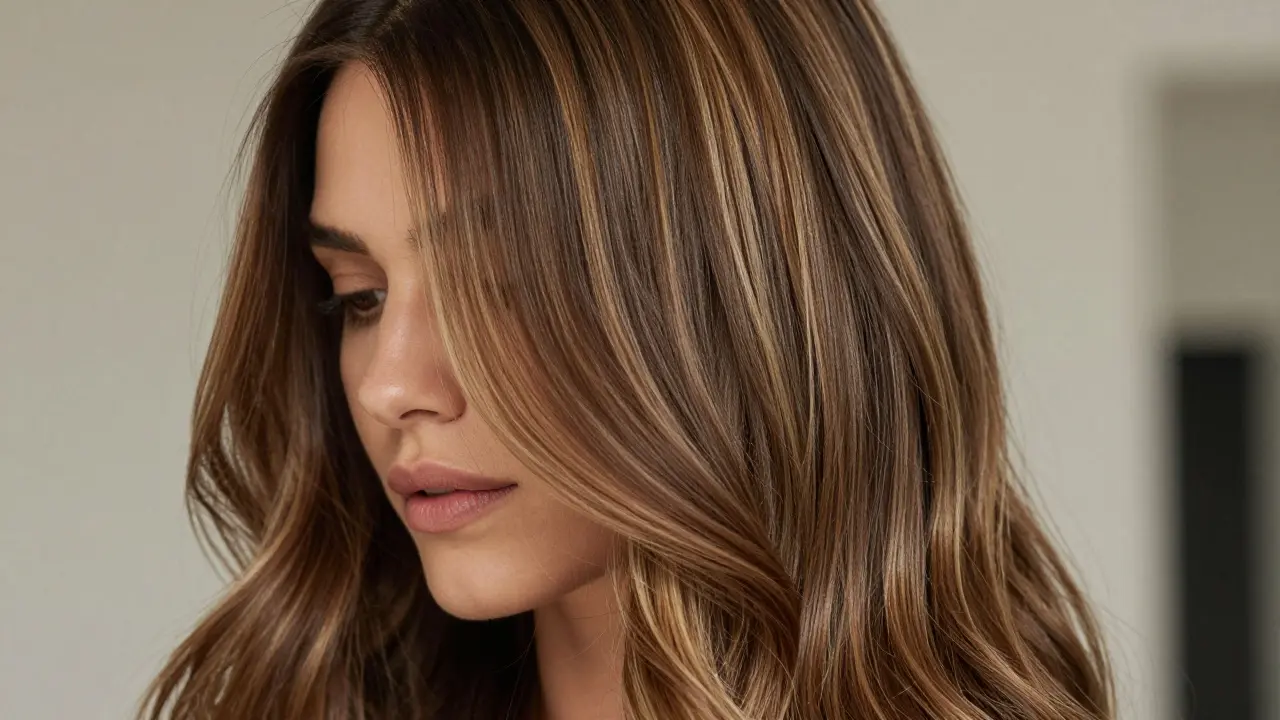
If you want to wear hair extensions and avoid any negative judgment, the secret is in the details. First, focus on the color. Don't just pick "blonde" or "brown." Look for multi-tonal shades. Real hair has highlights, lowlights, and varying depths. A solid block of one color is a dead giveaway that the hair isn't yours.
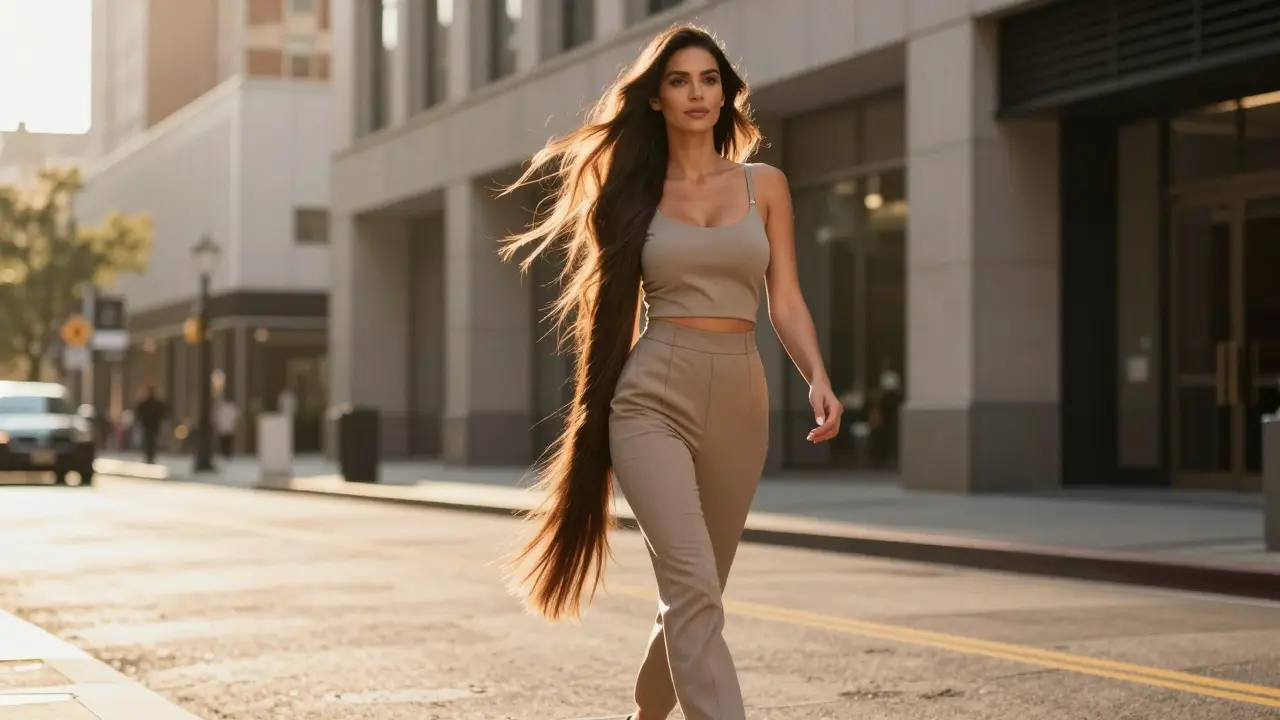
Second, consider the length. There is a golden rule in styling: the hair should be proportional to your height and frame. When a petite person wears hair that reaches their calves, it can look like a costume rather than a style choice. Aim for a length that complements your silhouette. Usually, mid-back or waist-length is the sweet spot for a polished look.
Third, don't ignore the edges. The "reveal" usually happens at the crown or the nape of the neck. If you can see a hard line where your real hair ends and the extensions begin, the illusion is broken. A professional stylist will use a technique called "layering" to blend the extensions into your natural hair, creating a soft transition.
Maintenance: Where the Look Often Fails
The reason some extensions eventually look "trashy" isn't how they started, but how they've been kept. Extensions require more work than natural hair. Because they don't receive natural oils from your scalp, they dry out faster. When hair becomes dry and brittle, it starts to fray and mat.
To keep your look high-end, you need a strict routine. Use a sulfate-free shampoo and a deep conditioner, but avoid putting heavy conditioners directly on the bonds or tapes, as this can cause them to slip. Invest in a high-quality detangling brush-don't just rip through the knots with a standard comb. If you're using Keratin Bonds, which are protein-based attachments used in fusion extensions, you need to be careful with high heat tools near the bond site.
Think of it like a car. A luxury car looks great when it's clean, but if it's covered in mud and the engine is knocking, it loses its prestige. Extensions are the same; the maintenance is what preserves the "classy" aesthetic.
The Psychological Shift: Who Cares?
At the end of the day, beauty standards are shifting. We are living in an era of "enhanced beauty." From lash extensions and lip fillers to acrylic nails, the line between natural and artificial is blurring. What was considered "too much" ten years ago is now the standard in many fashion circles. When you see celebrities like the Kardashians or Rihanna rocking massive lengths, it normalizes the look for everyone else.
If you love the way you look with extra volume, the opinion of a stranger doesn't really matter. The only time extensions become a "problem" is when they compromise the health of your natural hair. Traction alopecia-where hair is pulled out by the root due to too much tension-is a real risk. If your extensions are so tight they're causing pain or thinning your edges, that's a technical failure, not a style failure.
Can you tell when someone is wearing extensions?
Only if the blend is poor. If the color matches perfectly and the stylist has layered the hair to match the wearer's natural growth pattern, it is almost impossible to tell from a distance. The most obvious signs are a visible "ledge" of hair or a shine that looks synthetic.
Are synthetic extensions considered lower class than human hair?
It's not about class, but about aesthetics. Synthetic hair often has a "plastic" look and doesn't hold a curl or style the same way human hair does. Because it looks less natural, it is more likely to be judged by people who prefer a subtle look.
How often should I move my extensions up to avoid looking messy?
Depending on the method, you should typically get them serviced every 6 to 10 weeks. When the bonds or tapes slide down the hair shaft, you get a visible gap between your scalp and the extension, which can look unkempt.
What is the best way to hide extension tracks?
Avoid wearing your hair in high, tight ponytails if you have sew-ins or tapes. Instead, opt for low buns or loose waves. Using a bit of root touch-up spray can also help blend the transition area.
Do hair extensions cause permanent damage?
Not if they are installed correctly. Damage occurs when extensions are too heavy for the natural hair to support or when they are pulled too tight. Always ensure your stylist checks for tension and doesn't overload a single strand of hair.
Next Steps for Your Hair Journey
If you're nervous about the "trashy" label, start small. Instead of jumping straight to 24-inch extensions, try halo extensions or a few strategic tape-ins for volume. This allows you to get used to the look and ensure the color is a perfect match before committing to a more dramatic change.
If you already have extensions and feel they look too obvious, book a "blend and tone" appointment. A stylist can trim the extensions to better fit your face shape and use a gloss to match the shine of the extensions to your natural hair. Remember, confidence is the best accessory-if you feel great, you'll carry the look with a level of poise that overrides any negative stereotypes.