

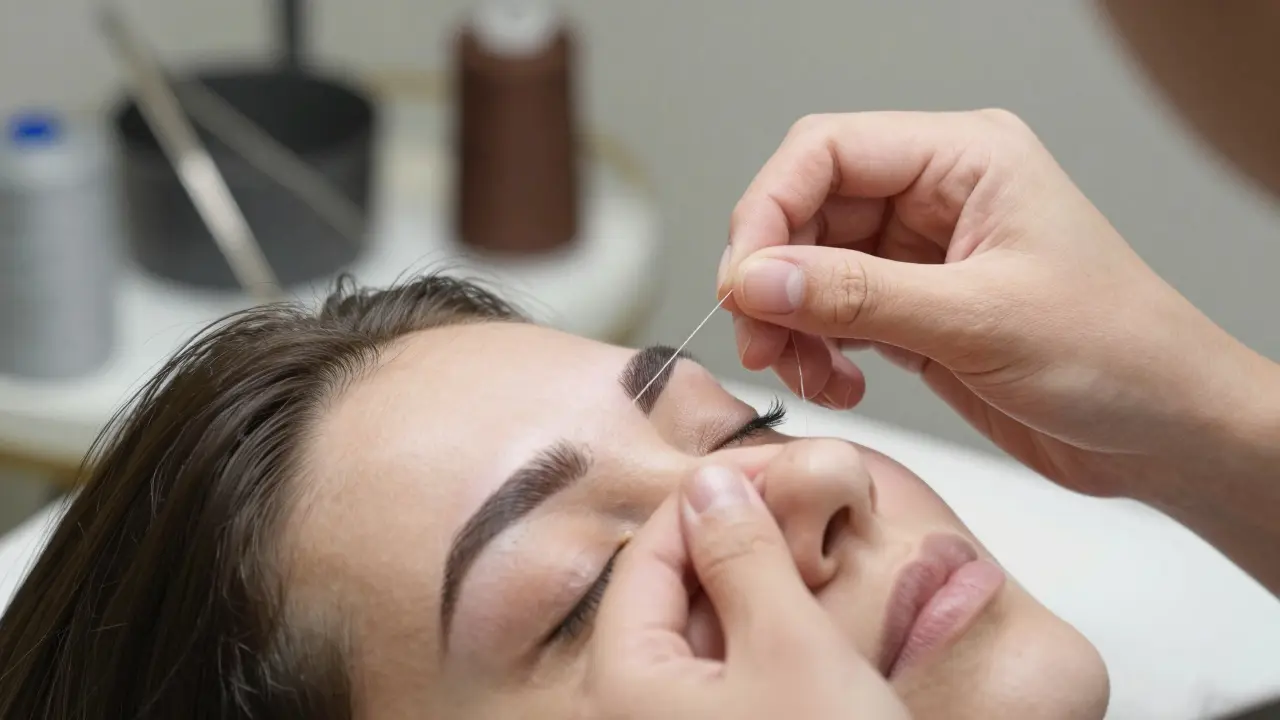
Facial threading is one of the oldest hair removal methods still in use today - dating back thousands of years in South Asia and the Middle East. Unlike waxing or laser, it uses a thin cotton thread to pluck hair directly from the follicle. It’s popular for shaping eyebrows, removing upper lip hair, and cleaning up sideburns. But with all the buzz around it, people are asking: is facial threading bad for the skin? The answer isn’t simple. For some, it’s gentle and precise. For others, it causes redness, irritation, or even breaks the skin. What matters most is your skin type, the technician’s skill, and how you care for your skin afterward.
How Facial Threading Actually Works
Threading doesn’t use heat, chemicals, or wax. Instead, a skilled practitioner twists a cotton thread between their fingers and rolls it over the skin. The thread traps hairs and pulls them out at the root. It’s like tweezing, but faster - and it can remove dozens of hairs in seconds. Because it targets individual hairs, it’s great for shaping eyebrows with sharp, clean lines. You can get your upper lip done in under five minutes.
Unlike waxing, which removes hair along with the top layer of dead skin, threading only grabs the hair. That’s why many people think it’s gentler. But here’s the catch: it still pulls hair out by the root. That means your follicles are being disturbed, and your skin is being stretched and tugged. If done poorly, it can cause micro-tears, ingrown hairs, or even small cuts.
Who Should Avoid Facial Threading
Not everyone is a good candidate for threading. If you have any of these conditions, you’re at higher risk for complications:
- Active acne - Threading over inflamed pimples can spread bacteria and cause more breakouts.
- Very sensitive or reactive skin - Rosacea, eczema, or psoriasis can flare up after threading.
- Recent chemical peels or retinoid use - If you’ve used retinol, tretinoin, or glycolic acid in the last 48 hours, your skin is thinner and more fragile.
- Open wounds or sunburn - Don’t thread over damaged skin. It will hurt more and heal slower.
- History of keloid scarring - Your skin may over-heal and form raised scars after trauma.
One 2021 study in the Journal of Clinical and Aesthetic Dermatology tracked 120 women who got regular eyebrow threading. About 22% reported temporary redness lasting more than 24 hours. Eight percent developed small pustules or folliculitis - tiny infected bumps - within a week. These cases were almost always linked to unsterile tools or untrained technicians.
Why Threading Can Be Safer Than Waxing
Compared to waxing, threading has some real advantages. Wax removes a layer of skin along with the hair. That’s why you often see redness, peeling, or stinging after waxing your upper lip. Threading doesn’t do that. It’s also better for people who use retinoids or are on acne treatments like Accutane - which make skin more sensitive to waxing.
Threading also doesn’t involve heat. Hot wax can burn the skin if it’s too warm. Threading is cool and dry. And since it’s more precise, you’re less likely to accidentally remove hair from areas you didn’t mean to - like the bridge of your nose or the edge of your cheek.
For people with fine hair, threading is often the only method that works well. Waxing can struggle with very light or short hairs. Threading grabs them easily. That’s why it’s the go-to for eyebrow shaping in many salons across India, Pakistan, and the Middle East.

The Real Risks: Infection, Ingrown Hairs, and Skin Trauma
When done right, threading is low-risk. But bad practices are common - especially in places where regulation is loose. Here are the biggest problems:
- Unsterilized thread - Some salons reuse thread or don’t change it between clients. That’s a direct path for bacteria like staph or strep.
- Dirty hands - Technicians who don’t wash their hands or wear gloves can transfer germs.
- Over-threading - Too much pressure or repeated passes on the same spot can cause bruising or broken capillaries.
- Ingrown hairs - If the hair breaks off below the skin instead of being fully pulled out, it can grow inward. This leads to red bumps and sometimes infection.
- Allergic reactions - Some technicians use talcum powder or antiseptic sprays that irritate sensitive skin.
One woman in Chicago reported a severe staph infection after getting her eyebrows threaded at a mall kiosk. The thread was reused from a previous client. She needed antibiotics and missed two weeks of work. That’s rare - but it happens.
How to Make Threading Safer for Your Skin
If you still want to try threading, here’s how to reduce your risk:
- Choose a licensed salon - Look for places that specialize in threading, not just beauty salons that offer it as an add-on.
- Watch the thread - Ask to see a fresh, clean strand before they start. It should be single-use and discarded after each client.
- Ask about hygiene - Do they wash hands? Use gloves? Sanitize tools? If they hesitate, walk out.
- Don’t go right after exfoliating - Skip scrubs, acids, or retinol for at least 24 hours before your appointment.
- Don’t touch your face afterward - Your hands carry bacteria. Avoid rubbing or picking at the area.
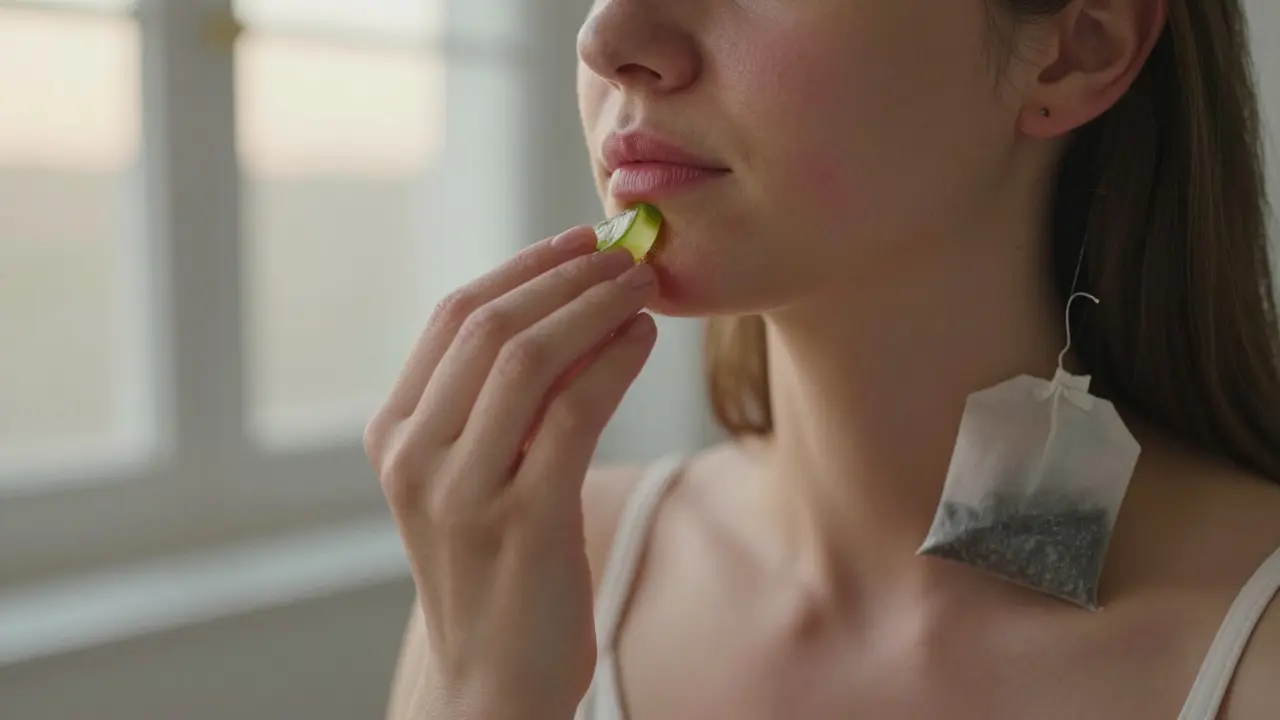
- Use a soothing cream - Apply aloe vera or calendula gel after threading to calm redness.
- Wait 24 hours before makeup - Especially foundation or powder near the threaded area. Clogged pores can lead to breakouts.
Some people swear by applying ice right after threading to reduce swelling. Others use a cold chamomile tea bag - it’s natural, anti-inflammatory, and easy to find.
Threading vs. Waxing vs. Tweezing: What’s Best for You?
Here’s a quick breakdown of the three most common methods:
| Method | Best For | Duration | Risk of Skin Damage | Pain Level |
|---|---|---|---|---|
| Threading | Precision shaping (eyebrows, upper lip) | 3-6 weeks | Low to moderate (if done right) | Mild to moderate |
| Waxing | Large areas (chin, sideburns) | 4-6 weeks | High (can strip skin) | High |
| Tweezing | Spot removal (1-2 stray hairs) | 2-4 weeks | Very low | Moderate |
Threading wins for precision. Waxing wins for speed on larger areas. Tweezing wins for safety and control - but it’s slow. If you have sensitive skin and want clean brows, threading is often the best middle ground - if you find a good technician.
What Happens If You Thread Too Often?
Threading every two weeks might seem like a good idea to stay smooth. But your skin doesn’t like constant trauma. Repeated pulling can weaken the follicles over time. In some cases, hair grows back finer and sparser - which sounds good, but can also lead to patchy growth.
More importantly, frequent threading can stretch the skin around the eyes and lips. That’s why some people who thread their eyebrows daily for years end up with loose, saggy skin in that area. Dermatologists recommend spacing sessions at least four weeks apart. Let your skin recover. Let your hair grow back to a length where threading is effective - about 1/8 inch.
When to Stop Threading Altogether
If you notice any of these signs, it’s time to stop and switch methods:
- Redness that lasts more than 48 hours
- Repeated breakouts in the threaded area
- Dark spots or hyperpigmentation after healing
- Thickened or scarred skin
- Constant itching or burning
These aren’t normal side effects. They’re warning signs your skin can’t handle threading anymore. Switch to tweezing, or try a gentle depilatory cream designed for sensitive skin. Laser hair removal is another long-term option - but only if your skin tone and hair color are compatible.
Final Verdict: Is Facial Threading Bad for the Skin?
Facial threading isn’t inherently bad - but it’s not risk-free. It’s a tool, not a miracle. Done well, it’s precise, chemical-free, and gentle on sensitive skin. Done poorly, it can cause infection, scarring, or long-term damage.
If you have normal to oily skin, no active acne, and you find a skilled, clean technician, threading can be a great option. But if your skin is reactive, you’re using strong skincare products, or you’ve had bad reactions before, skip it. There are safer alternatives.
Remember: your skin is your largest organ. Treat it with care - not just with what you put on it, but with how you remove hair from it. A little patience goes a long way.
Can threading cause permanent skin damage?
Yes, but only if done repeatedly by untrained people or on damaged skin. Chronic threading can lead to hyperpigmentation, scarring, or skin laxity around the eyes and lips. Most cases are avoidable with proper technique and spacing between sessions.
Is threading better than waxing for sensitive skin?
Usually, yes. Waxing removes layers of skin along with hair, which can irritate sensitive skin. Threading only targets hair, making it gentler - as long as the thread is clean and the technician doesn’t over-pull. But if you have rosacea or eczema, even threading can trigger flare-ups.
How long does redness last after threading?
Mild redness usually fades within 1-2 hours. If it lasts more than 24 hours, your skin is reacting. Apply a cold compress or aloe vera. Persistent redness could mean infection, over-treatment, or an allergic reaction to products used during the session.
Can I thread my eyebrows if I’m using retinol?
It’s risky. Retinol thins the outer layer of skin and increases sensitivity. Threading over retinol-treated skin can cause micro-tears, bleeding, or prolonged irritation. Wait at least 48 hours after your last retinoid application before threading. If you’re on prescription retinoids like tretinoin, talk to your dermatologist first.
Does threading make hair grow back thicker?
No. That’s a myth. Hair that grows back after threading is the same thickness as before. It may feel stubblier at first because it’s cut bluntly at the root - not tapered like shaved hair. Over time, repeated threading can actually make hair finer, but it won’t make it grow back thicker or darker.



mark nine
January 4, 2026 AT 14:22Threading’s been my go-to for eyebrows since college. No redness, no burning, just clean lines. Found a lady in Chinatown who’s been doing it for 30 years - thread’s fresh every time, no questions asked. Best $15 I’ve ever spent.
Eva Monhaut
January 4, 2026 AT 22:18I used to think threading was just a fancy way to pluck hairs, but after my first session in Delhi, I got hooked. The precision is unreal - like a pencil sketch of your brows. And no chemicals? Yes please. Just make sure the thread isn’t reused. That’s non-negotiable.
Rakesh Kumar
January 5, 2026 AT 20:33Bro, in India we thread from childhood. My grandma threaded my eyebrows when I was six. We used to laugh because it felt like tiny needles pulling hair. But honestly? Better than waxing any day. Waxing left my upper lip raw like a sunburn. Threading? Just a little pink for an hour. And no one in my family has ever gotten an infection - clean hands, fresh thread, done.
Ronnie Kaye
January 6, 2026 AT 19:39Let’s be real - if you’re getting threaded at a mall kiosk, you’re asking for trouble. I saw a girl cry because her eyebrow got ripped off sideways. That’s not threading, that’s a crime against facial symmetry. Go to a real salon. Or just tweeze. It’s slower, but you won’t end up in the ER.
Jen Becker
January 7, 2026 AT 19:26I tried it once. It hurt like hell. I cried. I still have a scar. I’m never doing it again. Who even thought this was a good idea?
Bill Castanier
January 8, 2026 AT 18:50Threading is ancient. It’s elegant. It’s precise. But only when done by someone who understands anatomy. Don’t let a teenager with a spool of thread near your face unless you’ve seen their portfolio.
Ryan Toporowski
January 8, 2026 AT 21:25Just got threaded last week - used aloe vera right after and it felt like a spa day. Seriously, if you’re nervous, try it once with a pro. Your skin will thank you. 💚
Ian Maggs
January 10, 2026 AT 13:28Is threading ‘bad’ for the skin? Or is it merely a mirror of our collective neglect of ritual, hygiene, and reverence for the body? We strip away the natural with chemicals, then turn to threads - a gesture of return - yet we do it carelessly, in fluorescent-lit kiosks, with unwashed hands. The skin remembers. The skin always remembers.
Samuel Bennett
January 11, 2026 AT 23:35Did you know the CDC tracked 37 cases of staph outbreaks from threading in 2022? Most were from places that reuse thread. The article says ‘rare’ - that’s not rare, that’s negligence. And they didn’t even mention the FDA’s warning about cotton thread being a vector for biofilm. This is a public health issue.
Michael Gradwell
January 12, 2026 AT 23:05People who thread are either delusional or masochistic. If your skin can’t handle tweezing, you shouldn’t be touching your face at all. Just let the hair grow. It’s not a crime.
Rob D
January 14, 2026 AT 08:18Waxing is for weak Americans. Threading? That’s real culture. We’ve been doing it since the Mughals. You think some French spa is gonna teach you how to shape brows? Nah. You need a desi auntie with calloused fingers and zero patience. That’s real grooming.
Franklin Hooper
January 16, 2026 AT 02:01The article misuses ‘follicle’ three times. It should be ‘hair follicle.’ Also, ‘tretinoin’ is misspelled as ‘tretinoin’ in one instance. And the table lacks a citation for the duration data. This is amateurish.
Tony Smith
January 17, 2026 AT 09:24It is, indeed, a matter of profound societal importance that we, as a collective, exercise discernment in the application of ancestral hair removal techniques. One must, with the utmost gravity, ensure that the thread employed is not merely cotton, but a sterile, single-use filament of the highest textile integrity. To neglect this is to court dermatological ruin - and, by extension, a failure of personal responsibility.
Priyank Panchal
January 18, 2026 AT 10:32You people act like threading is some dangerous ritual. In my village, we thread our kids before school. No one dies. No one cries. You Americans overthink everything. If your skin breaks, maybe you’re not meant to have eyebrows. Stop blaming the thread. Fix your skin.