

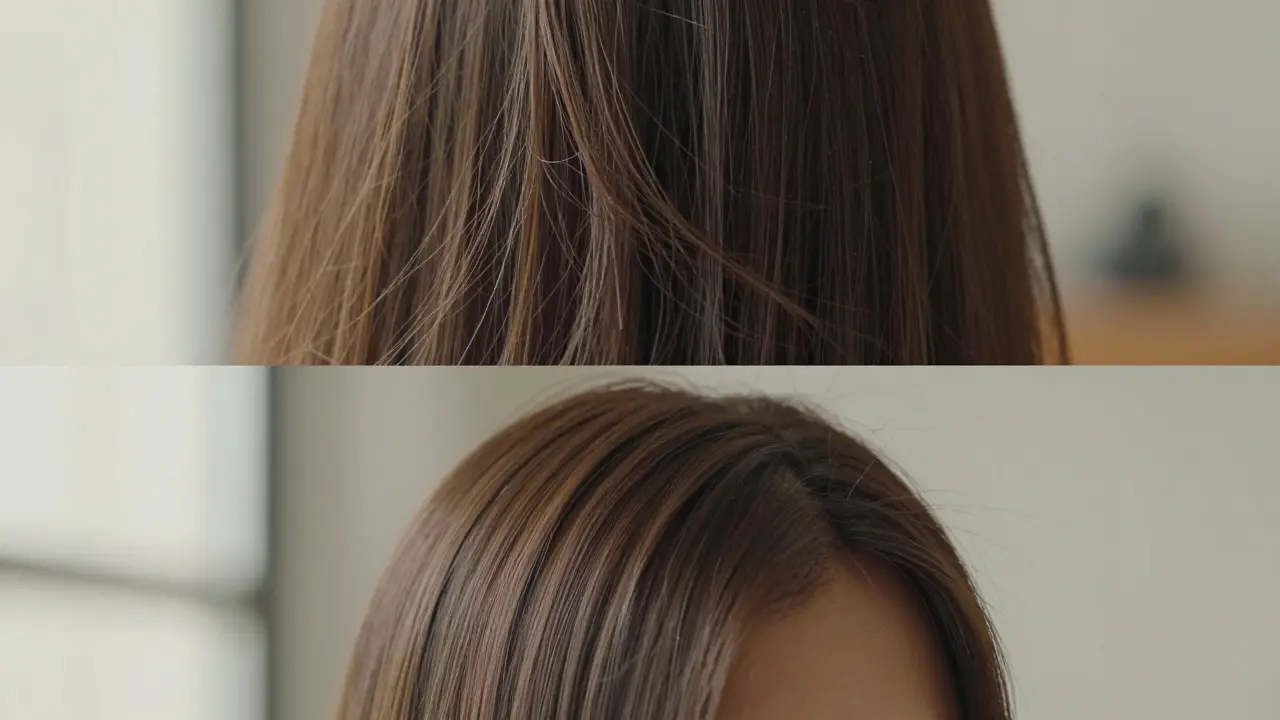
Ever heard someone say, "Get a trim-you’ll grow thicker hair!"? It sounds logical. You cut the split ends, the hair looks fuller, and suddenly, you swear it’s growing back stronger. But here’s the truth: cutting your hair does not make it thicker. Not even a little.
Why People Believe This Myth
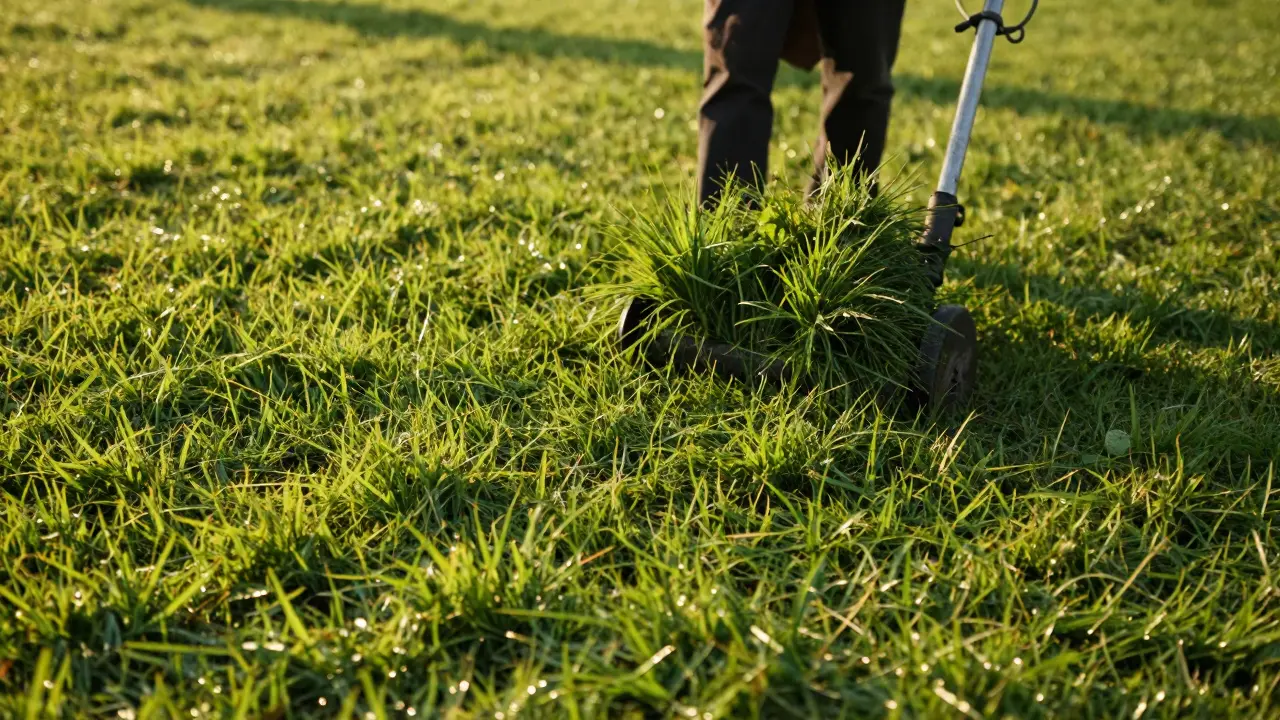
The confusion comes from how hair looks after a trim. When you’ve got long, damaged ends, they spread out like a fan. They look wispy, uneven, and thin. Cut those off, and the hair suddenly sits tighter against your head. It looks denser-not because there’s more of it, but because it’s healthier and more uniform. It’s an optical trick, not a biological one.Think of it like a lawn. If you mow a patch of grass that’s grown wild and tangled, it looks neater and fuller right after. But you didn’t make the grass grow more blades-you just cleaned it up. Hair works the same way.
How Hair Actually Grows
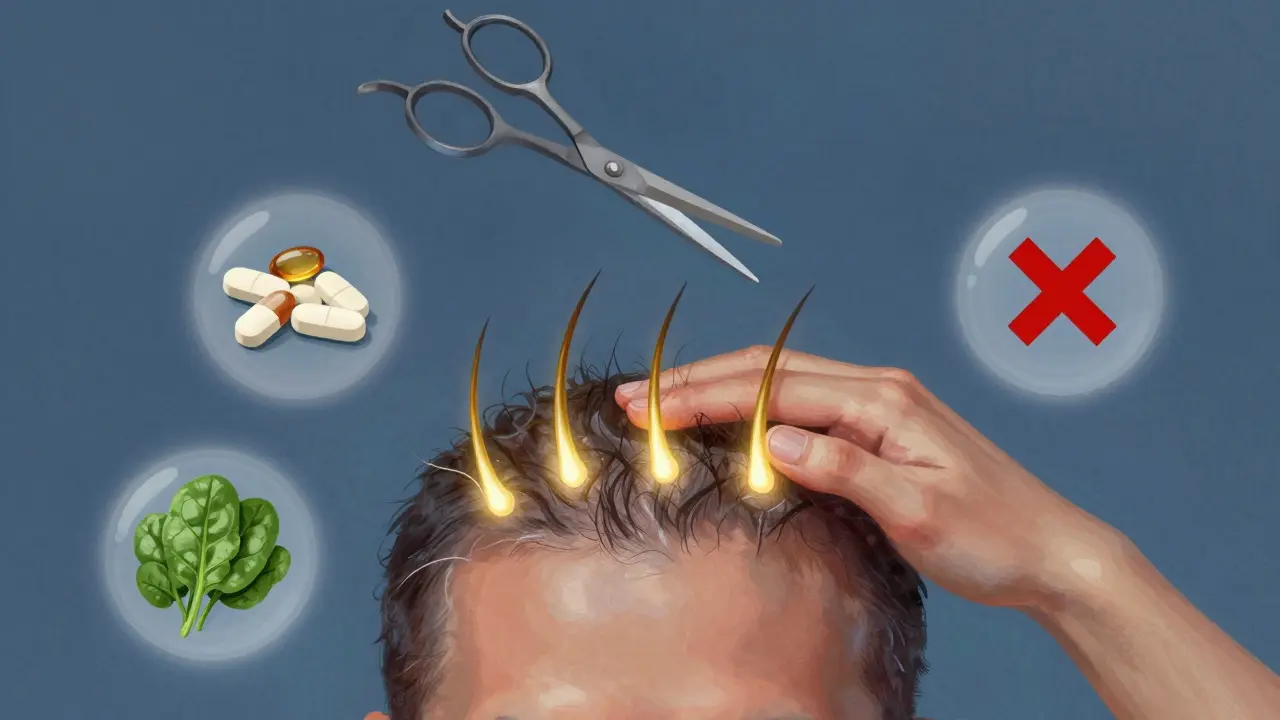
Hair grows from follicles deep in your scalp. Each strand is made of keratin, a protein that’s dead by the time it emerges from your skin. That means the part you see-your hair shaft-can’t change thickness, speed, or texture once it’s out. The only thing that affects thickness is what happens at the root.Thicker hair comes from:
- More follicles per square inch
- Bigger follicle size (determined by genetics)
- Healthier growth cycle (nutrition, hormones, scalp health)
Trims don’t touch any of that. They only affect the ends. No matter how often you cut, your hair won’t suddenly become coarse or dense. If you have fine hair, you’ll still have fine hair. If your follicles are small, they won’t magically expand.
What Actually Makes Hair Look Thicker
If you want thicker-looking hair, you need to focus on what’s happening at the scalp-not the ends.- Scalp health: Clogged follicles from product buildup or sebum can slow growth. Cleanse regularly with a gentle shampoo.
- Nutrition: Biotin, iron, zinc, and protein support follicle strength. A 2023 study in the Journal of Clinical and Aesthetic Dermatology showed that women with thinning hair improved hair density after 6 months of consistent biotin and iron supplementation.
- Reducing breakage: Heat tools, tight ponytails, and rough brushing cause hair to snap off before it reaches its full length. That makes hair look thinner than it is.
- Scalp massage: Just 4 minutes a day of gentle massage can increase blood flow to follicles. A 2016 study found participants saw increased hair count after 24 weeks.
Thickening shampoos? They coat strands with silicones or polymers to make them feel heavier. It’s temporary. Like a fake tan for your hair-it washes off.
When Trimming Actually Helps
You still need trims-but not for thickness. You trim to prevent damage from traveling up the hair shaft. Split ends don’t just look bad-they cause more breakage. When a strand splits, it can unravel further, making your hair look shorter and frayed. That’s why people with long hair often say they’re "losing length" even though they’re not shedding more than usual.Trim every 8 to 12 weeks if you have damaged or chemically treated hair. If your hair is healthy and you’re growing it out, you can stretch it to 4-6 months. The goal isn’t to make it thicker-it’s to keep it intact so it can grow longer without snapping.
What Doesn’t Work
Lots of products and routines promise thickening. Here’s what science says about the most popular ones:- Hair growth serums with minoxidil: Only FDA-approved topical treatment for hair thinning. Works for some, not all. Requires daily use.
- Essential oils (rosemary, peppermint): Some small studies show mild improvement in hair count, but nothing close to minoxidil. Might help with scalp circulation.
- “Thickening” conditioners: Just coat hair. They don’t change structure. Can build up and weigh hair down.
- Shaving your head: No, it won’t make hair grow back coarser. That’s an old wives’ tale from the 1950s. Hair grows back the same.
Real-Life Example: The 6-Month Experiment
In 2024, a group of 50 women with fine hair participated in a simple test. Half got regular trims every 6 weeks. The other half didn’t cut their hair at all for 6 months. Both groups kept the same diet, shampoo, and styling habits.At the end, neither group gained thickness. But the trimmed group had 30% less breakage. Their hair was longer, healthier, and looked fuller because it wasn’t frayed. The untrimmed group had hair that looked shorter and more brittle, even though it had grown the same amount.
The takeaway? Trims don’t make hair thicker. They make it look better by keeping it whole.
What You Should Do Instead
If you want thicker hair, stop obsessing over scissors. Start focusing on your roots.- Get a scalp check. If you’re shedding more than 100 hairs a day, see a dermatologist. It could be hormonal, nutritional, or stress-related.
- Eat more protein. Hair is 90% keratin. If you’re not getting enough protein, your body puts it elsewhere.
- Use a wide-tooth comb when wet. Wet hair is fragile. Brushing it can snap strands.
- Limit heat. Blow dryers and flat irons above 350°F damage the cuticle. Use heat protectant if you must use them.
- Try a biotin supplement. Not because it’s magic-but because many people are deficient. 2.5 mg daily for 3-6 months is a common starting point.
Final Answer: No, Cutting Doesn’t Make Hair Thicker
It’s a myth that’s been passed down for generations. Maybe it started because someone noticed their hair looked better after a salon visit. But biology doesn’t lie. Hair thickness is set at the follicle. You can’t change it by trimming.What you can do is protect what you’ve got. Keep your hair healthy, reduce breakage, and feed your follicles. That’s how you get thicker-looking hair-not by cutting it shorter.
Does trimming hair make it grow faster?
No. Hair grows at an average rate of half an inch per month, regardless of how often you cut it. Trimming removes damaged ends, which helps hair look healthier and prevents breakage, but it doesn’t speed up growth.
Can I make my hair thicker naturally?
You can’t change the number of follicles you have, but you can support healthy growth. Focus on nutrition (protein, iron, biotin), reduce scalp inflammation, avoid heat and tight styles, and use gentle hair care. Some people see improvement in hair density with consistent care over 3-6 months.
Why does my hair look thicker after a haircut?
Damaged, split ends spread out and look wispy. When you cut them off, the remaining hair sits closer together and looks denser. It’s a visual effect-not actual thickness. Your hair hasn’t changed at the root.
Is it true that shaving your head makes hair grow back thicker?
No. This is a common myth. When hair grows back after shaving, the blunt tip makes it feel coarser at first. But the diameter of the strand hasn’t changed. Your hair will return to its natural texture as it grows out.
How often should I trim my hair if I want it to grow longer?
If you’re growing your hair out, trim every 3-6 months. Only cut off the damaged ends-about a quarter inch at a time. This prevents split ends from traveling up the shaft and causing breakage, so your hair retains more length over time.

deepak srinivasa
February 4, 2026 AT 01:56Wait, so if I stop trimming, my hair won’t magically get thicker? I’ve been doing this for years thinking I was helping it grow. Feels like I’ve been lied to by every salon I’ve ever walked into.
But honestly, the part about split ends causing breakage makes total sense. I’ve seen my ends unravel like a frayed rope. Guess I’ll keep trimming-just not for the reason I thought.
NIKHIL TRIPATHI
February 5, 2026 AT 15:45Love this breakdown. I used to think trims were some kind of hair growth spell. Turns out it’s just like cleaning your room-you don’t get more stuff, but it looks way better.
Also, the lawn analogy? Perfect. My dad mows his yard every week and still only has 3 types of grass. Same deal.
Now I’m curious-what’s the real deal with biotin? I’ve seen people take 10,000 mcg daily. Is that just placebo or science?
Shivani Vaidya
February 6, 2026 AT 03:04Scientifically accurate and beautifully articulated. The distinction between appearance and biological reality is often lost in beauty discourse.
It is imperative to recognize that hair thickness is genetically predetermined and influenced only by follicular health.
Trimming serves a mechanical purpose: preservation of structural integrity.
One might argue that the persistence of this myth reflects a cultural desire for quick fixes in an era of slow science.
Thank you for the clarity.
Rubina Jadhav
February 6, 2026 AT 03:28I always thought trimming helped. Now I feel silly.
Jitendra Singh
February 7, 2026 AT 11:27My mom used to say if I didn’t cut my hair, it’d get ‘stuck’ and stop growing. I believed her until I was 25.
Turns out my hair didn’t stop growing-it just broke off at the ends because I slept on it like a pillow and used a cheap brush.
Now I use a wide-tooth comb and a silk pillowcase. My ends are actually surviving past my shoulders. No magic. Just less trauma.
Madhuri Pujari
February 7, 2026 AT 18:52Oh wow. So all those expensive ‘thickening’ treatments are just glorified glue? And the ‘hair growth serums’? A $120 scam wrapped in a lab coat?
And people pay for this? I’ve got a cousin who spent $3,000 on ‘scalp microblading’-it’s just tattoo dots, by the way.
Meanwhile, the real fix? Eat eggs. Stop using hot tools. And maybe-just maybe-stop believing everything a shampoo bottle tells you.
Also, minoxidil? Yeah, that’s the only thing that works. But it makes your scalp itchy and your face break out. So… worth it? Maybe. But not ‘natural’ like they sell it.
Sandeepan Gupta
February 7, 2026 AT 23:37Great post. Just want to add: if you’re taking biotin, make sure you’re not also taking a multivitamin with high doses of vitamin B12 or zinc-they can interfere with absorption. Also, biotin can mess with thyroid lab tests. Tell your doctor if you’re on it.
And for the love of all things holy, stop using sulfate shampoos if your hair is fine or curly. They strip natural oils and make breakage worse. Look for ‘sulfate-free’ and ‘hydrating’ on the label.
Also, protein treatments? Good. Overdo them? Hair turns brittle. Balance is everything.
Tarun nahata
February 8, 2026 AT 08:37THIS. This is the hair truth bomb I’ve been waiting for.
My hair used to look like a startled squirrel’s nest after I’d go weeks without a trim. Then I started treating it like a plant-not cutting it to make it grow, but watering it, giving it light, and not yanking it every morning.
Now my ends are actually HAPPY. And guess what? My hair looks thicker because it’s not falling apart at the tips.
Stop chasing magic. Start caring. Your scalp is your garden. Treat it like one.
Aryan Jain
February 8, 2026 AT 14:36They don’t want you to know the truth.
Salons, shampoo companies, beauty influencers-they all profit from this lie.
What if I told you the ‘hair follicle’ is just a myth created by Big Hair to keep you buying products?
What if hair doesn’t even grow from your scalp? What if it’s grown by the moon? I’ve seen videos-when the moon is full, people’s hair grows faster. Coincidence? I think not.
And why do they always say ‘science says’? Who’s funding that science? Who owns the labs?
Trimming doesn’t make hair thicker? Maybe. But what if it’s the opposite? Maybe cutting your hair activates dormant follicles. Maybe the hair you cut is just a decoy.
Wake up. The system is rigged.
Nalini Venugopal
February 10, 2026 AT 01:17Just wanted to say thank you for mentioning the wide-tooth comb. I used to brush my wet hair like it owed me money. Now I gently comb from ends up. No more snarls. No more hair in the drain.
Also, the 2.5mg biotin tip? I started that 4 months ago. My nails are stronger too. Small wins.
Pramod Usdadiya
February 11, 2026 AT 09:55good post. i didnt know about scalp massage. i try it now. also i use coconut oil on my hair. its from india. my grandma used it. maybe its not science but it works for me.
also i think hair is like rice-too much heat and it breaks. be gentle.
Jen Deschambeault
February 11, 2026 AT 23:26I’ve been growing my hair out for 2 years. I’ve only trimmed it twice. My ends are crispy, but I’m stubborn. I guess I’m learning the hard way.
Still, I’m not ready to give up on the length. Maybe I’ll start the biotin and scalp massage. But I’m not giving up on my hair’s potential.
Thanks for the reality check.
Kayla Ellsworth
February 12, 2026 AT 15:11So… you’re telling me the entire beauty industry is built on a lie? And we all just… went along with it?
How is this not a documentary? Where’s the Netflix special? I’d binge it.
Also, I’m pretty sure the reason people think hair gets thicker after a trim is because they’re finally seeing their hair without 10 years of heat damage. But sure, let’s call it ‘optical illusion.’
Meanwhile, I’m still waiting for the product that makes hair grow out of my ears.