

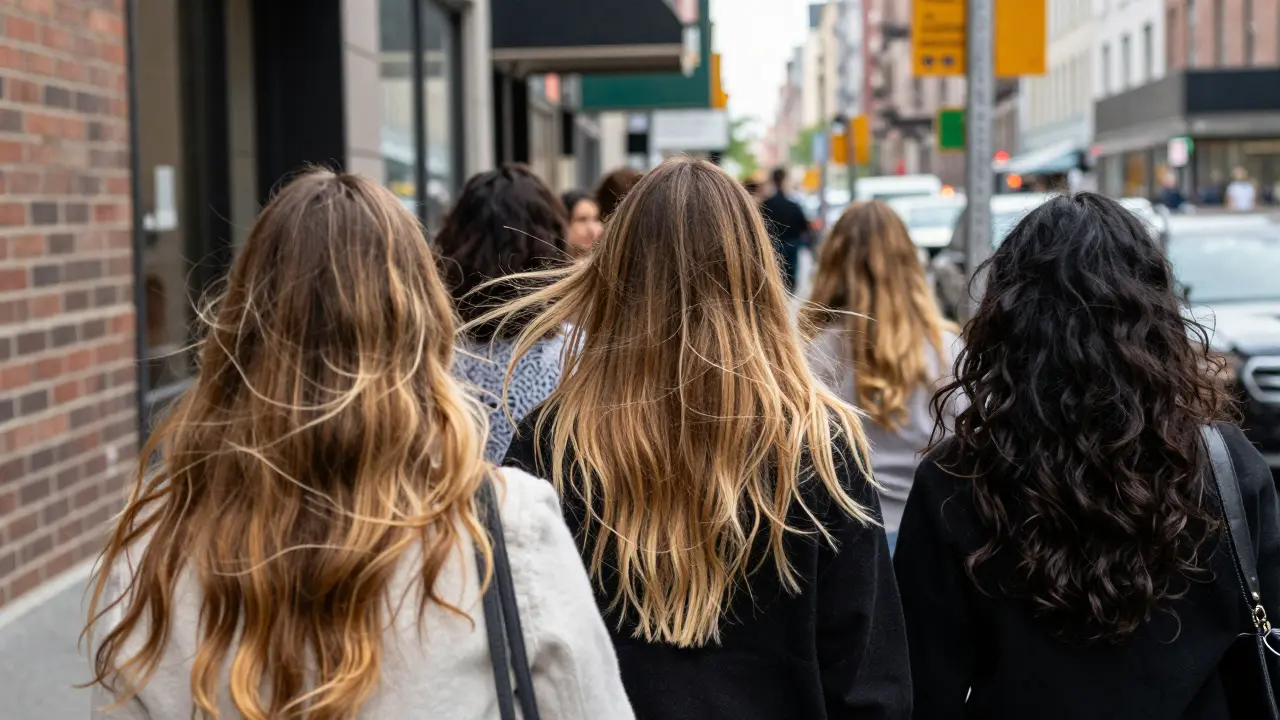
Walk down any street in New York City, or scroll through your Instagram feed, and you’ll see it: a sea of long locks. Despite the rise of bob cuts, pixie cuts, and buzzed styles among celebrities, the majority of American women still wear their hair long. It’s not just an aesthetic choice; it’s a complex mix of biological reality, deep-seated cultural conditioning, and increasingly, a shift toward ethically sourced beauty practices. So, why does this trend persist in 2026?
The Biological Baseline: Why Length Is the Default
Before we dive into culture, let’s look at biology. Human hair grows about half an inch per month. For most people, if they don’t cut it, it stays long. This is the "default" setting. In the United States, where access to basic grooming tools is widespread but time is often scarce, maintaining a short style requires more frequent salon visits than letting hair grow out. A bob needs trimming every six to eight weeks to maintain its shape. Long hair can go three to four months between trims without looking unkempt. For busy professionals and parents, that convenience factor is huge.
But biology alone doesn’t explain the preference. If it were just about laziness, we’d see a lot more messy buns and wash-and-go textures dominating the professional world. Instead, we see intentional styling. The persistence of long hair is tied to how we value femininity and professionalism in America.
Cultural Conditioning and the Femininity Myth
American media has spent decades linking long hair with youth, health, and traditional femininity. Think about the icons we grew up with: Marilyn Monroe, Audrey Hepburn (in her early roles), and later, Jennifer Aniston during the peak of the Rachel era. These images cemented long hair as the gold standard of attractiveness.
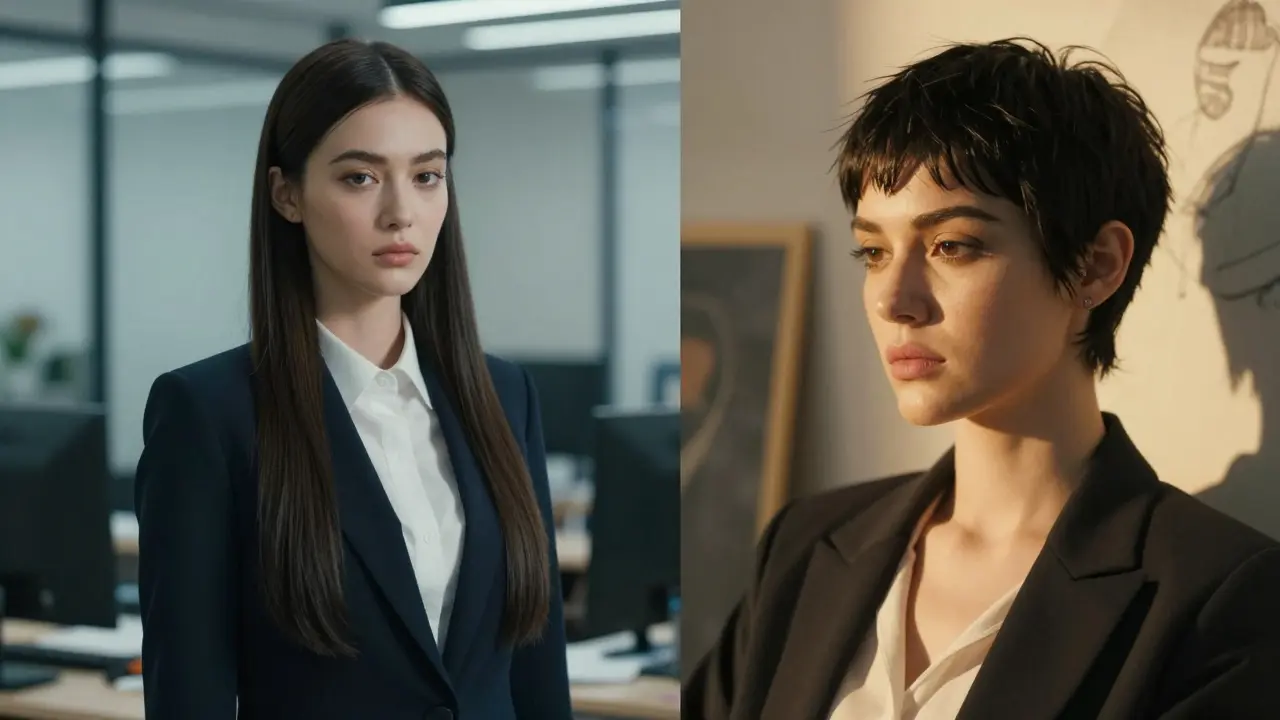
This isn’t just nostalgia. Studies in social psychology consistently show that men and women alike rate long-haired women as more feminine and approachable. While this stereotype is slowly cracking-thanks to figures like Halle Berry, Jodie Foster, and Zendaya rocking short styles-the bias remains strong in corporate and social settings. Many women report feeling judged for cutting their hair short, often being perceived as more aggressive or less trustworthy. Until those perceptions shift entirely, many women stick with length to avoid the social friction.
The Rise of Ethically Sourced Hair Extensions
Here’s where the story gets interesting. Not all American women have naturally long hair. Genetics play a massive role. Many women struggle with thinning hair, breakage, or slow growth due to health conditions, stress, or aging. So, how do they achieve the long-haired look? They use extensions.
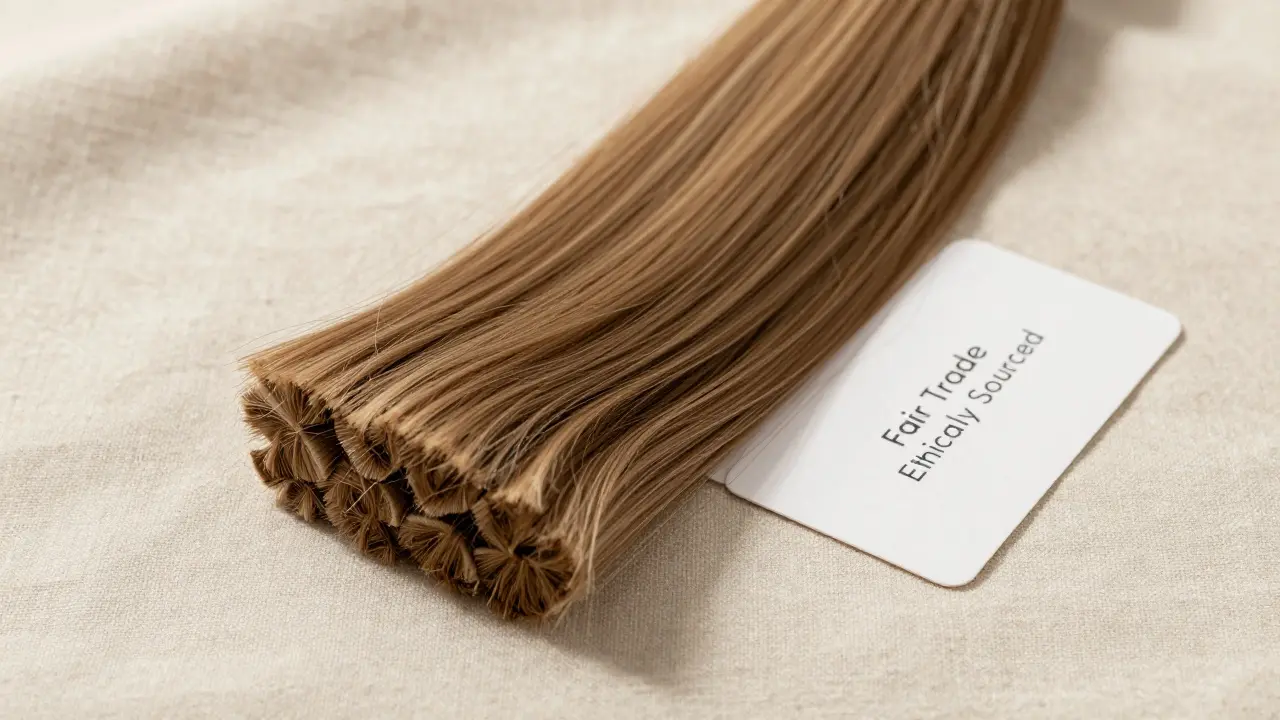
In the past, the hair extension industry was notoriously opaque. Cheap synthetic wigs and human hair harvested from questionable sources flooded the market. But in recent years, there’s been a significant pivot toward Ethically Sourced hair products obtained through fair labor practices and transparent supply chains. Consumers are becoming savvier. They want to know where their hair comes from.
Ethically sourced hair usually means:
- Voluntary Donation: Hair donated by individuals who consent to sell or donate their hair, often for religious or charitable reasons.
- Fair Compensation: Donors or collectors receive fair wages, avoiding exploitation in regions with weak labor laws.
- Traceability: Brands provide documentation showing the origin of the hair, ensuring no forced labor or deceptive practices were involved.
This shift is crucial. It allows women who don’t have natural length to participate in the long-hair trend without compromising their values. It’s a way to align personal aesthetics with ethical consumption, a growing priority for Millennials and Gen Z shoppers.
The Economic Factor: Salon Costs and Maintenance
Let’s talk money. Living in cities like New York, Los Angeles, or Chicago, getting a haircut is expensive. A simple trim can cost $50-$100, while a major restyle or color job can run hundreds of dollars. Maintaining a short, chic cut requires precision. If you mess up a home trim on a bob, it’s noticeable immediately. With long hair, a slightly uneven trim blends in better.
Moreover, the beauty industry markets long hair heavily. Products for "length retention," "split end repair," and "volume" are multi-billion dollar segments. Advertising reinforces the idea that long hair is the goal. When you combine high maintenance costs for short styles with aggressive marketing for long-hair care, the economic incentive leans toward keeping length.
Social Media and the Algorithmic Influence
You can’t ignore the power of TikTok and Instagram. Algorithms favor content that keeps users engaged, and visually striking transformations often involve long hair. Think of the "hair flip" video, the slow-motion walk, or the intricate braiding tutorials. Long hair offers more visual dynamism. It moves, it frames the face, and it serves as a canvas for accessories.
Influencers and stylists create endless content around caring for long hair. This creates a feedback loop: women see long hair everywhere, aspire to it, buy products to achieve it, and then post their own results, further saturating the feed. Even when short hair trends emerge, they often burn out quickly because they don’t offer the same level of versatile content creation opportunities for creators.
Regional and Demographic Variations
It’s also important to note that "most American women" isn’t a monolith. Hair length preferences vary significantly by region, ethnicity, and age. In the South, for example, long hair is deeply tied to traditional beauty standards. In urban centers like New York or San Francisco, shorter styles are more common and accepted. Among younger generations, there’s a growing movement toward natural textures and shorter cuts, rejecting the Eurocentric ideal of straight, long hair.
However, even within these groups, the pressure to conform remains. Many women of color, for instance, may wear protective styles like braids or locs that appear long, blending cultural tradition with modern aesthetics. The definition of "long hair" is expanding, but the desire for length-or the appearance of it-persists across demographics.
The Future of Hair Length Trends
Will American women ever abandon long hair? Probably not entirely. But the landscape is changing. As sustainability becomes a bigger concern, we’re seeing a rise in interest for low-maintenance styles that reduce water and product usage. Shorter hair uses fewer shampoos and conditioners, which appeals to eco-conscious consumers.
Additionally, as workplaces become more inclusive and diverse, the stigma around short hair for women is fading. We’re seeing more female leaders, athletes, and artists embracing bold, short cuts without penalty. This cultural shift will likely lead to a gradual decrease in the dominance of long hair, but it will be a slow process.
| Factor | Long Hair | Short Hair |
|---|---|---|
| Maintenance Frequency | Every 3-4 months | Every 6-8 weeks |
| Cost Over Time | Lower (fewer salon visits) | Higher (frequent trims) |
| Cultural Perception | Traditional, Feminine | Modern, Bold |
| Ethical Concerns | Extensions must be ethically sourced | Minimal external sourcing needed |
| Product Usage | High (more shampoo/conditioner) | Low |
Conclusion: A Complex Web of Choices
The reason most American women still have long hair isn’t one single thing. It’s a combination of biological default, cultural expectations, economic practicality, and the availability of ethically sourced alternatives for those who need them. While trends will continue to evolve, long hair remains a powerful symbol of identity and beauty in the U.S. Understanding this helps us appreciate the nuanced decisions women make about their appearance every day.
Is long hair healthier than short hair?
Not necessarily. Hair health depends on genetics, diet, and care routine. However, long hair is more prone to damage at the ends because it’s older. Regular trims are essential to prevent split ends from traveling up the shaft.
What makes hair extensions ethically sourced?
Ethically sourced hair comes from donors who voluntarily sell or donate their hair with fair compensation. Transparent brands provide traceability, ensuring no exploitation or forced labor is involved in the collection process.
Why do some women feel pressured to keep long hair?
Cultural stereotypes often link long hair with femininity and trustworthiness. Women may fear being perceived as too aggressive or unprofessional if they cut their hair short, despite changing societal norms.
Does living in a city affect hair length choices?
Yes. Urban areas often have higher salon costs and faster-paced lifestyles, which can influence women to choose lower-maintenance styles. However, urban centers also tend to be more accepting of diverse hairstyles, including short cuts.
How does social media influence hair trends?
Social media algorithms favor visually dynamic content, such as hair flips and braiding tutorials, which often feature long hair. This constant exposure reinforces the desirability of long hair among users.

Saranya M.L.
June 30, 2026 AT 04:13It is intellectually dishonest to reduce a complex sociological phenomenon to mere 'convenience' or 'biological default.' The persistence of long hair in the American demographic is fundamentally rooted in colonial aesthetic imperialism and the internalization of Eurocentric beauty standards that prioritize straight, flowing locks as the apex of femininity. While you mention cultural conditioning, you fail to adequately address the systemic erasure of indigenous hairstyles and textures that are often categorized as 'unkempt' by corporate HR departments. The notion that women choose length for economic reasons ignores the fact that the beauty industry actively penalizes natural texture maintenance with higher product costs and salon discrimination. Furthermore, the push for 'ethically sourced' extensions is largely a greenwashing tactic designed to pacify conscious consumers while maintaining the exploitative supply chains inherent in the global hair trade. One must question why the burden of ethical consumption falls on the end-user rather than regulating the source markets. This article presents a sanitized view that absolves the structural forces at play.
om gman
June 30, 2026 AT 04:50another boring take on something everyone already knows... seriously who has time to read this wall of text when you could just look in a mirror? i mean come on its obvious girls like looking pretty and men like it too simple really no need for all this pseudo-intellectual babble about biology and ethics
Jeanne Abrahams
July 1, 2026 AT 12:48Oh darling, let me educate you from the other side of the world where we actually have some sense of humor about these things. You Americans treat hair like it's a national security issue. In South Africa, we cut our hair because the wind in Cape Town would turn a bob into a bird's nest within minutes. It’s not about 'femininity myths,' it’s about survival against the elements. And don't get me started on the 'ethical sourcing' bit-most of us just use what we have or buy cheap synthetic stuff from the local market. We don't have the luxury of worrying about the supply chain traceability of keratin. It’s cute how you overanalyze everything though, truly.
Bineesh Mathew
July 3, 2026 AT 08:40The very concept of 'choice' here is an illusion woven by the capitalist machine. We are not choosing length; we are being conditioned to desire a symbol of status that requires constant financial input. The moral decay of society is reflected in our obsession with superficial markers of worth. To claim that short hair is seen as 'aggressive' is to admit that our definition of femininity is inherently submissive. This is a tragedy of epic proportions, a slow erosion of individuality in favor of a homogenized aesthetic drone culture. We are sheep grazing on the lawn of conformity, bleating in unison about split ends while the world burns around us. There is no escape, only the endless cycle of trimming and styling.
Oskar Falkenberg
July 5, 2026 AT 08:15i totally get what you're saying about the cost thing cause ive been trying to keep my hair healthy for years and its such a pain in the neck honestly. every time i go to the salon they try to upsell me on some new treatment that costs more than my rent almost which is crazy right? but then again i guess if you have long hair you dont have to go as often so maybe it balances out in the end idk its complicated stuff. i feel like people forget that maintaining any style takes effort whether its short or long and its not just about laziness like some folks think. anyway just throwing my two cents in there hope it helps someone out there struggling with their own hair dilemmas lol
Caitlin Donehue
July 6, 2026 AT 10:09I've noticed that my friends who cut their hair short seem to get asked more questions about their career choices than those with long hair. It's subtle but definitely there.
Stephanie Frank
July 8, 2026 AT 08:37Let's be real for a second, this whole 'ethical hair' movement is just another way for companies to charge premium prices for the same old human waste. You think the girl selling her hair in India is getting 'fair compensation'? Please. She's getting pennies while some influencer in LA charges $500 for a clip-in set. It's predatory capitalism wrapped in a bow of social justice buzzwords. Stop pretending you're saving the world by buying expensive extensions. You're just feeding the beast. The system is rigged and your wallet is bleeding dry for nothing.
Robert Barakat
July 8, 2026 AT 18:53The dichotomy between appearance and essence remains a central tension in modern identity formation. Hair serves as a proxy for control in an uncontrollable world.
Michael Richards
July 9, 2026 AT 12:07You're missing the point entirely. It's not about 'control' or some deep philosophical statement. It's about basic grooming standards and societal expectations. If you can't maintain a simple hairstyle, it reflects poorly on your discipline and attention to detail. Long hair is easier to manage if you follow the routine. Short hair requires precision. Most people lack the discipline for precision. That's why they stick with long hair. It's the path of least resistance for the average person who doesn't want to deal with the hassle of frequent salon visits. Don't overcomplicate it with your abstract theories. Reality is simpler than you think.
Laura Davis
July 11, 2026 AT 07:15Hey guys! I love how passionate everyone is about this topic! It's so important to express ourselves through our hair! Whether you rock a pixie cut or waist-length waves, own it! Don't let anyone tell you otherwise! Let's support each other in our beauty journeys! 💖✨