

Have you ever caught a glimpse of your roots in the mirror and wondered if covering those grays is actually making them appear faster? It’s a nagging suspicion for many of us. We color our hair to look younger or fresher, yet we worry that the very chemicals doing the job might be accelerating the aging process of our follicles. Does hair coloring worsen hair whitening, or is this just another beauty myth designed to sell expensive natural remedies?
The short answer is no. Current scientific consensus does not support the idea that using hair dye directly causes your hair to turn gray faster. However, the relationship between harsh chemicals and hair health is complex. While dye doesn’t trigger the biological switch for graying, it can damage the hair shaft and scalp, which might make existing gray hairs more noticeable or brittle. Let’s break down what’s really happening inside your follicle.
The Biology of Gray Hair: Why It Happens
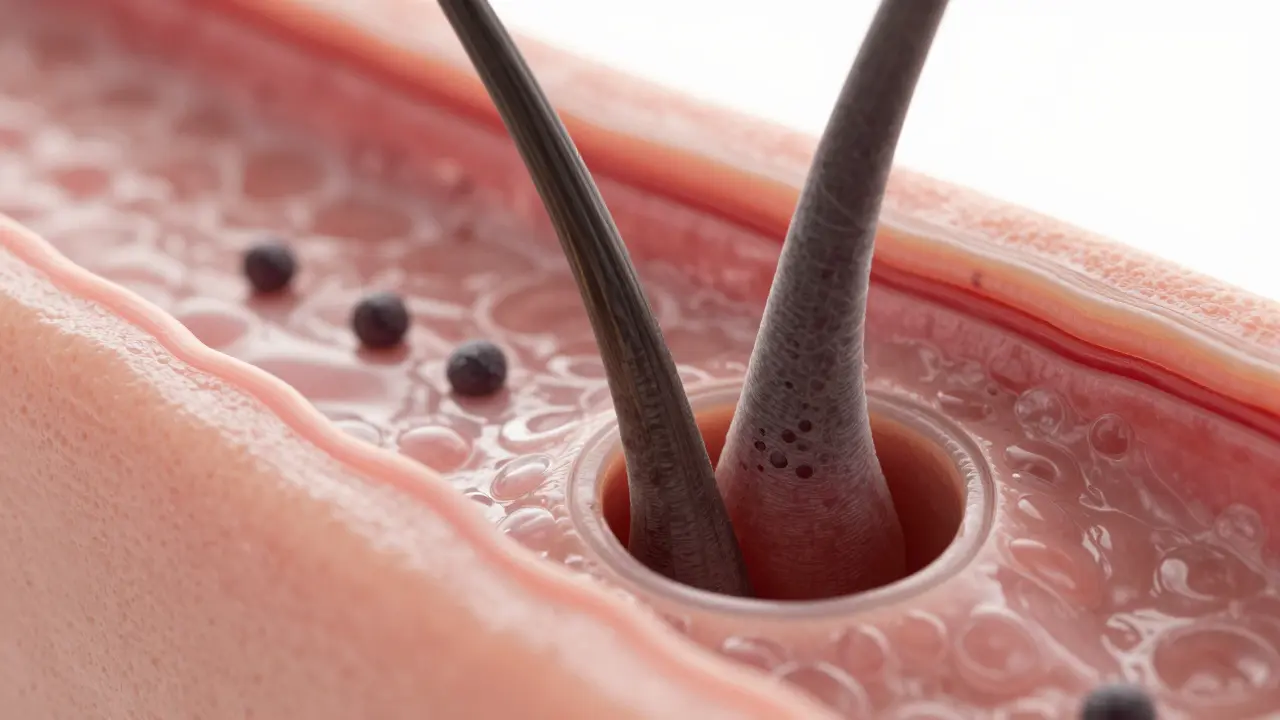
To understand why dye isn’t the culprit, we first need to look at why hair turns white in the first place. This process, known medically as canities, happens when melanocytes-the cells responsible for producing pigment called melanin-stop working or die off. These cells live in the hair bulb and are supported by stem cells in the bulge region of the follicle.
As we age, these melanocyte stem cells get exhausted. They simply run out of fuel. A 2017 study in cosmetic science noted that aging melanocytes produce fewer antioxidant enzymes, like catalase. Catalase is crucial because it breaks down hydrogen peroxide. Without enough catalase, hydrogen peroxide builds up in the hair follicle. This buildup effectively bleaches the hair from the inside out, turning it white.
So, the primary drivers are internal:
- Genetics: If your parents went gray early, you likely will too. This is the dominant factor.
- Chronological Aging: The natural depletion of stem cells over time.
- Oxidative Stress: Damage from free radicals that overwhelms the cell’s repair mechanisms.
- Psychological Stress: A 2021 Columbia University study showed that stress releases norepinephrine, which can deplete melanocyte stem cells rapidly.
Notice that hair dye isn’t on this list. The mechanism of graying is largely about the body’s inability to protect its pigment-producing cells from internal and environmental stressors, not an external chemical forcing them to quit.
The Chemical Reality of Hair Dye
Permanent hair dyes work through oxidation. They typically contain ammonia to open the hair cuticle, p-phenylenediamine (PPD) to create color molecules, and hydrogen peroxide to bleach away natural pigment and activate the dye. Semi-permanent dyes are gentler but still involve some chemical interaction with the hair shaft.
Here is where the confusion arises. Hydrogen peroxide is a key ingredient in most permanent dyes. Since we know that hydrogen peroxide buildup causes gray hair, it seems logical to assume that applying it topically would accelerate the process. However, there is a critical distinction between endogenous (internal) peroxide accumulation due to enzyme deficiency and exogenous (external) application during a styling session.
When you use dye, the peroxide acts on the hair shaft that has already grown out of the follicle. It changes the color of the keratin structure. It does not penetrate deep enough into the living follicle bulb to permanently destroy the melanocyte stem cells in a way that triggers premature graying. The damage caused by dye is primarily structural-affecting the strength and elasticity of the hair strand-not cellular, in terms of pigment production.
What Do Dermatologists Say?
Major dermatology organizations, including the American Academy of Dermatology (AAD), do not list hair coloring as a cause of premature graying. In their updated guidance from late 2024, they emphasize genetics, age, smoking, and nutritional deficiencies (like Vitamin B12 or iron) as the real risks.
Dr. Aanchal, a board-certified dermatologist, explicitly addressed this myth in a widely viewed video, stating that hair dye does not cause more greying. The medical community views hair dye primarily as a risk for contact dermatitis (allergic reactions) rather than a catalyst for canities. While some cosmetic brands claim that synthetic dyes "weaken follicles" and speed up graying, these claims often lack robust clinical trial data to back them up. They rely on theoretical models of oxidative stress rather than observed human outcomes.
The Oxidative Stress Connection
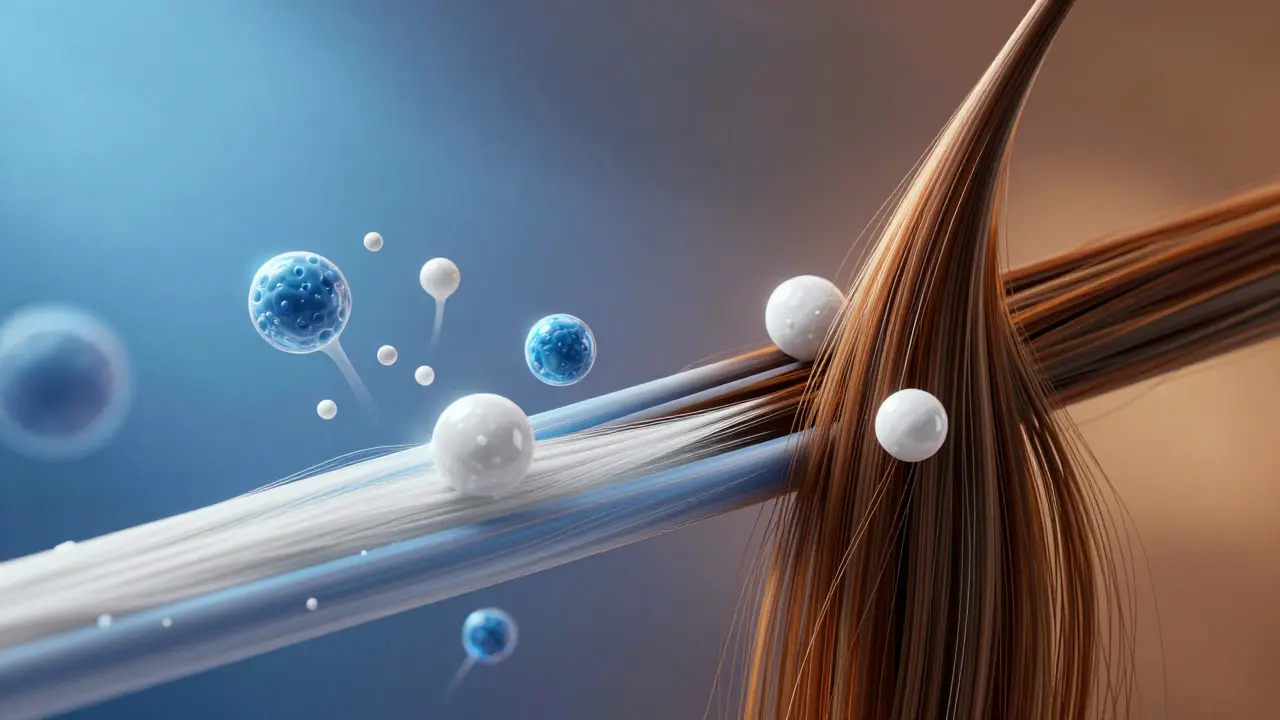
While dye doesn’t *cause* graying, it can contribute to the overall oxidative load on your scalp. Oxidative stress is a broad term for the imbalance between free radicals and antioxidants in your body. High levels of oxidative stress are linked to premature graying.
Harsh chemicals in shampoos, dyes, and heat tools can irritate the scalp and increase local inflammation. If your scalp is constantly inflamed, it creates a hostile environment for hair follicles. While this won’t instantly turn your hair white, it may compromise the long-term health of the follicle. For individuals who are already genetically predisposed to early graying, adding unnecessary chemical stress might theoretically hasten the visible appearance of thinning or dullness, even if it doesn’t change the pigment production rate significantly.
| Factor | Impact on Graying | Evidence Level |
|---|---|---|
| Genetics | High - Determines onset age | Strong |
| Smoking | High - Increases oxidative stress | Strong |
| Vitamin B12 Deficiency | Moderate - Affects melanin synthesis | Moderate |
| Psychological Stress | Moderate - Depletes stem cells | Moderate |
| Hair Coloring | Low/None - No direct causal link | Weak/Theoretical |
Natural vs. Synthetic Dyes: Is One Safer?
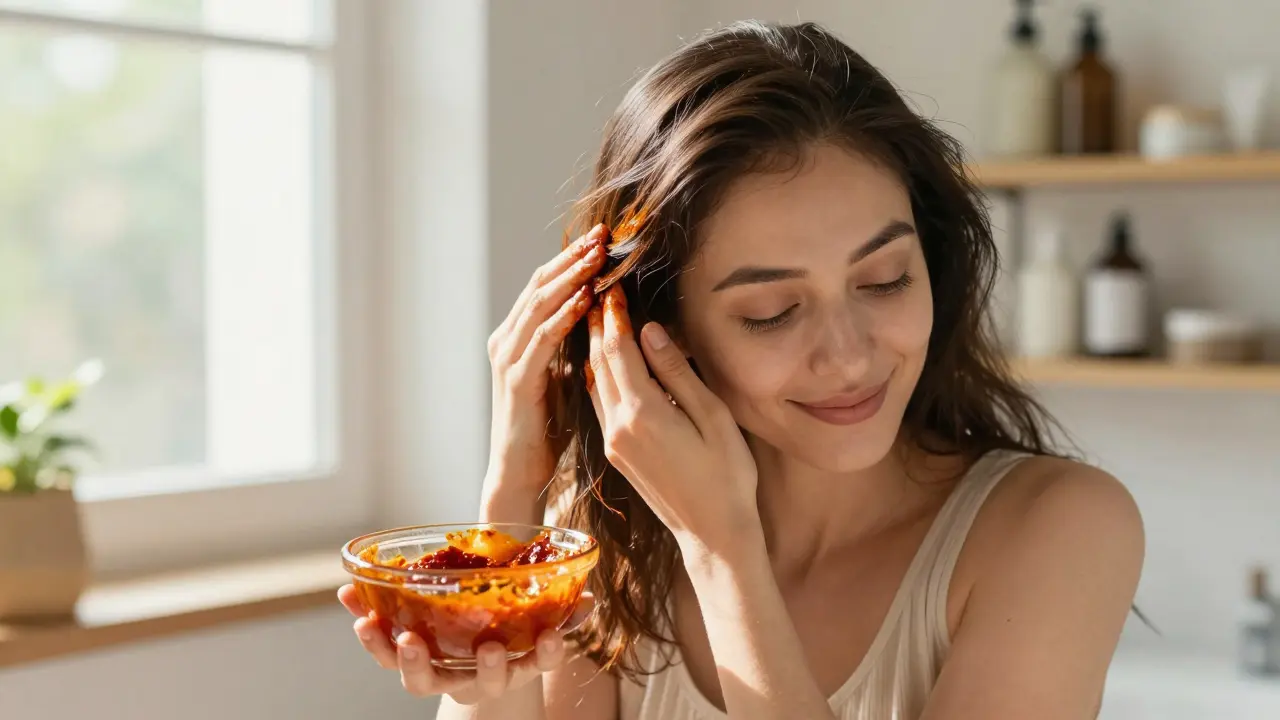
If you’re worried about chemical exposure, you might consider switching to natural options like henna. Henna coats the hair shaft without penetrating the cortex or requiring harsh developers like ammonia. Because it doesn’t involve strong oxidizers, it poses less risk of scalp irritation and allergic reaction.
However, henna does not prevent graying either. It simply covers it differently. Some users report that after years of using harsh chemical dyes, switching to henna made their hair feel healthier, leading to the perception that their graying slowed down. In reality, their hair was just less damaged and brittle, making the gray hairs less stark against the background of healthy-colored hair.
Semi-permanent dyes are another middle ground. They last longer than rinses but shorter than permanents, and they usually don’t require high-volume peroxide. They are a good option if you want to minimize chemical exposure while maintaining coverage.
Practical Tips for Managing Gray Hair
Since you can’t stop genetics, focus on what you can control. Here is how to manage the transition to gray hair without worrying about dye causing it:
- Quit Smoking: Smokers are four times more likely to experience premature graying than non-smokers. This is one of the few lifestyle factors with strong evidence.
- Check Your Nutrition: Ensure you have adequate levels of Vitamin B12, iron, copper, and zinc. Deficiencies here can disrupt melanin production.
- Manage Stress: Chronic stress accelerates the depletion of melanocyte stem cells. Meditation, exercise, and sleep help mitigate this.
- Protect Your Scalp: Use UV protection for your hair. Sun damage contributes to oxidative stress. Wear hats or use sprays with SPF.
- Choose Gentle Products: If you color, opt for ammonia-free or low-peroxide formulas. Limit treatments to every 6-8 weeks to reduce cumulative scalp irritation.
Conclusion
You can rest easy knowing that your favorite box dye isn’t plotting against your follicles. Hair coloring does not worsen hair whitening in any clinically significant way. The grays you see are coming from within-driven by your DNA, your age, and your lifestyle. While harsh chemicals can damage the quality of your hair, they do not trigger the biological loss of pigment. Focus on overall health, nutrition, and gentle care, and let the color choice remain purely aesthetic.
Can stopping hair dye reverse gray hair?
No. Once the melanocyte stem cells are depleted, the hair will grow in gray regardless of whether you dye it or not. Stopping dye will reveal your natural growth pattern, but it will not restore lost pigment unless the graying was caused by a reversible condition like a vitamin deficiency or acute stress.
Does hydrogen peroxide in hair dye bleach my hair follicles?
It does not bleach the living follicle cells permanently. The peroxide in dye acts on the dead keratin of the hair shaft above the scalp. While it causes oxidative stress, it does not penetrate deeply enough to destroy the stem cells responsible for future pigment production.
Is henna better for preventing gray hair?
Henna is gentler on the scalp and hair shaft because it lacks harsh oxidizers like ammonia and high-strength peroxide. However, it does not prevent graying. It only coats the hair. Any perceived benefit is due to reduced hair damage, not a reversal of the graying process.
Why do I see more gray hairs after I start coloring?
This is often a contrast issue. When you cover all your hair with a uniform color, the new gray growth stands out sharply against the dyed hair, making it seem like there are suddenly more of them. Additionally, chemical damage can make gray hairs (which are coarser) more visible and frizzy compared to softer pigmented hairs.
Can stress-induced gray hair be reversed?
Recent studies suggest that stress-induced graying may be partially reversible if the stressor is removed and the melanocyte stem cells haven't been fully depleted. However, age-related or genetic graying is currently irreversible.
Andrea Alonzo
July 5, 2026 AT 09:57Saranya M.L.
July 5, 2026 AT 14:19Caitlin Donehue
July 6, 2026 AT 00:19Stephanie Frank
July 7, 2026 AT 06:34Patrick Dorion
July 8, 2026 AT 00:43Marissa Haque
July 10, 2026 AT 00:06Keith Barker
July 11, 2026 AT 14:18Lisa Puster
July 13, 2026 AT 10:32Joe Walters
July 15, 2026 AT 03:32Robert Barakat
July 15, 2026 AT 14:26Michael Richards
July 15, 2026 AT 23:21