

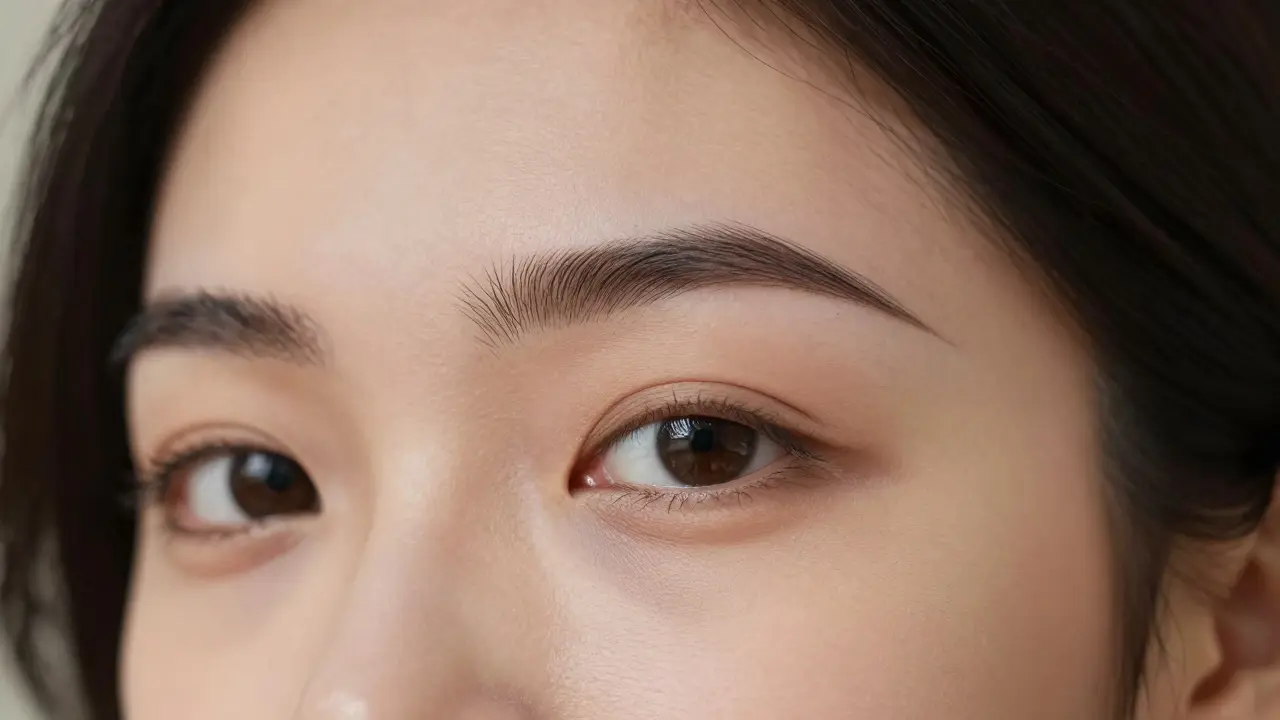
Walk down any busy street in a major city today, and you will notice a shift. The sparse, over-plucked brows of the early 2000s are gone. In their place are bold, textured, and perfectly shaped eyebrows that look real-yet require zero daily effort. This transformation is largely driven by microblading, a technique that has exploded in popularity over the last decade. But why has this specific method become the gold standard for brow enhancement? Is it just a fleeting trend, or does it solve a fundamental problem in modern beauty routines?
The rise of microblading is not accidental. It is the result of changing social media aesthetics, advancements in cosmetic technology, and a growing demand for time-saving beauty solutions. For many, it represents the perfect balance between natural appearance and low maintenance. Understanding why this procedure has taken over the beauty industry requires looking at the cultural, practical, and technical factors that drive consumer choices.
The Shift from Powder to Hair-Like Strokes
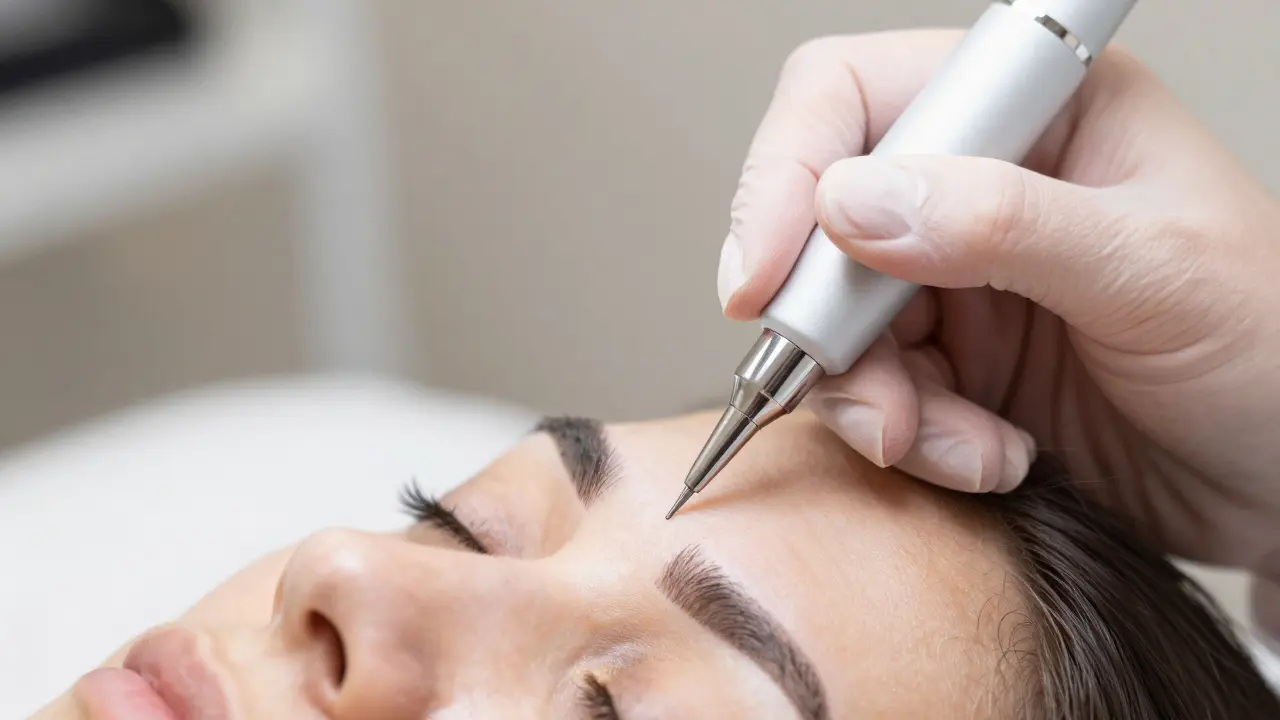
To understand the popularity of microblading, we must first look at what came before it. Traditional permanent makeup, often called tattooing, used machines to deposit ink deep into the skin. The result was often a solid block of color that could turn blue or green as it aged. It looked flat and artificial. Microblading is a manual technique using a handheld tool with tiny needles to create hair-like strokes. This mimics the natural growth pattern of eyebrow hairs.
The key difference lies in the depth and the tool. Microblading deposits pigment only into the upper layers of the dermis. Because it is semi-permanent, lasting one to three years, it allows for adjustments as facial features change and aging occurs. Consumers realized they wanted texture, not just color. They wanted brows that caught the light like real hair. This desire for realism drove the rapid adoption of microblading over traditional tattooing methods.
Social Media and the "Perfect Brow" Aesthetic
You cannot discuss modern beauty trends without mentioning the role of digital platforms. Instagram, TikTok, and Pinterest have created a global standard for beauty. Close-up selfies became the norm, meaning every detail of your face was visible. Sparse brows stood out negatively in high-definition photos.
Influencers and celebrities began showcasing flawless, symmetrical brows. However, drawing on perfect brows every morning is difficult. Many people struggled with shaky hands or asymmetry. Microblading offered a solution that looked good in 4K resolution. It provided the symmetry and fullness seen on social media without the daily struggle. The visual proof of before-and-after transformations went viral, creating a massive wave of curiosity and demand. People saw the results online and wanted them for themselves.
The Time-Saving Factor in Busy Lives
Modern life is fast-paced. Morning routines are often rushed. Applying eyebrow pencil, pomade, or gel takes time and skill. Even with practice, maintaining a consistent shape every day can be frustrating. Microblading eliminates this daily task. You wake up, wash your face, and your brows are already done.
This convenience is a huge selling point. For professionals, students, and parents, saving ten minutes a day adds up significantly over a year. It also removes the anxiety of smudging during exercise or rain. The reliability of semi-permanent makeup appeals to those who value efficiency. It is an investment in time, not just appearance.
Addressing Hair Loss and Medical Conditions
Beyond aesthetics, microblading serves a critical emotional function for many individuals. Hair loss affects millions of people due to various reasons. Alopecia areata, chemotherapy, thyroid issues, and genetic conditions can lead to thinning or complete loss of eyebrow hair. For these individuals, drawing on brows can feel like masking a medical condition rather than enhancing beauty.
Microblading restores a sense of normalcy. It provides a frame for the face that boosts confidence. The psychological impact is significant. When people feel their appearance aligns with their self-image, their overall well-being improves. This therapeutic aspect of the procedure has expanded its appeal beyond the general beauty crowd to include those seeking restorative care.
Advancements in Pigment and Technique
Early microblading had issues with fading unevenly or turning orange. Today, the industry has matured. Artists now use organic pigments designed to fade naturally to a soft gray or brown, avoiding harsh tones. Techniques have also improved. Artists study facial anatomy more deeply, ensuring the brow shape complements bone structure and eye shape.
The training standards for technicians have risen. While there are still unqualified practitioners, reputable studios follow strict hygiene protocols and use sterile, single-use tools. This increase in professionalism has built trust among consumers. People feel safer undergoing the procedure when they know the risks are minimized by skilled artists.
Comparison: Microblading vs. Other Brow Methods
| Method | Longevity | Maintenance Required | Natural Look | Cost (Initial) |
|---|---|---|---|---|
| Microblading | 1-3 years | Touch-up every 12-18 months | High (hair-like strokes) | $400-$900 |
| Powder Brows (Machine) | 2-5 years | Touch-up every 2-3 years | Medium (soft powder effect) | $400-$800 |
| Eyebrow Wax Pen | Until washed off | Daily application | Low to Medium | $10-$30 |
| Henna Tint | 2-6 weeks | Reapplication monthly | Medium (tints skin and hair) | $50-$100 |
| Botox/Lifting | 6-8 weeks | Reapplication every 2 months | High (uses natural hair) | $100-$200 |
As the table shows, microblading sits in a unique middle ground. It offers longer-lasting results than temporary methods like wax pens or henna, but it is less permanent than traditional tattoos. This flexibility is appealing. If trends change or your style evolves, you do not have to live with the same brows forever. You can adjust the shape or color at your next touch-up.
The Role of Accessibility and Pricing
While microblading is an investment, it has become more accessible. Competition among artists has stabilized prices in many urban areas. Financing options are sometimes available through salons. Additionally, the durability means the cost per day is low compared to buying high-end brow products repeatedly. A good brow pencil might cost $20 and last two months. Over three years, that adds up to hundreds of dollars, plus the time spent applying it. Microblading amortizes its cost over a much longer period with zero daily product expense.
Common Misconceptions About Microblading
Despite its popularity, myths persist. Some believe it is extremely painful. In reality, most clients report mild discomfort, manageable with topical numbing cream. Others think it looks fake if done correctly. Poor results usually stem from untrained technicians, not the technique itself. Choosing a certified artist is crucial. Another myth is that it works for everyone. Oily skin types may not be ideal candidates because oil breaks down pigment faster, leading to blurry strokes. In such cases, powder brows or nano brows might be better alternatives.
Future Trends in Semi-Permanent Makeup
The industry continues to evolve. Nano brows, which use a digital machine to create finer strokes, are gaining traction for those with sensitive or oily skin. Combination techniques, blending microblading strokes with powder shading, offer versatility. As technology advances, we may see even more personalized approaches based on skin analysis and AI-driven shape recommendations. However, the core appeal remains the same: natural-looking, low-maintenance beauty.
How long does microblading actually last?
Microblading typically lasts between one to three years. Factors like skin type, sun exposure, skincare routine, and lifestyle affect longevity. Oily skin may see fading sooner, while dry skin retains pigment longer. Regular touch-ups every 12 to 18 months help maintain the shape and color.
Is microblading painful?
Most people experience minimal pain. Technicians apply a topical numbing agent before and during the procedure. Sensations are often described as scratching or mild irritation rather than sharp pain. Pain tolerance varies by individual, but it is generally well-tolerated.
Can I get microblading if I have oily skin?
Oily skin can be challenging for microblading because excess sebum can break down the pigment quickly, causing strokes to blur. Many artists recommend powder brows or nano brows for oily skin types, as these techniques hold up better against oil production.
What is the difference between microblading and an eyebrow wax pen?
Microblading is a semi-permanent cosmetic procedure that implants pigment into the skin to create hair-like strokes. An eyebrow wax pen is a temporary cosmetic product applied to the surface of the skin to fill in brows. Microblading lasts years and requires no daily application, while a wax pen lasts until washed off and must be reapplied daily.
How much does microblading cost?
Prices vary by location and artist expertise, but typically range from $400 to $900 for the initial session. Touch-up sessions may cost less, around $150 to $300. High-end studios in major cities may charge more. Always ensure the price includes a consultation and aftercare kit.

Keith Barker
June 5, 2026 AT 11:17the brow is the frame of the soul yet we treat it as a canvas for vanity
we seek permanence in a transient world
microblading is just another attempt to freeze time
Lisa Puster
June 6, 2026 AT 21:39only degenerate cultures obsess over such trivialities while real nations focus on strength and tradition
this obsession with artificial symmetry is a sign of societal decay
why do we need machines to fix what nature provided
Joe Walters
June 8, 2026 AT 09:19i got mine done last year and wow what a mistake
the artist was supposed to be elite but ended up giving me spider legs
now i have to bleach them out which hurts like hell
people think they know whats best but they dont
Robert Barakat
June 8, 2026 AT 18:58there is a philosophical implication in altering one's natural state
it suggests dissatisfaction with the inherent self
yet society rewards conformity above authenticity
Michael Richards
June 10, 2026 AT 05:51listen here you idiots
if you cant afford proper skincare you dont deserve microblading
oily skin ruins the pigment so stop blaming the tech
you are lazy and uneducated about your own biology
Laura Davis
June 11, 2026 AT 16:57hey everyone lets keep this respectful
i understand why people want convenience
but please check your artists credentials first
your safety matters more than trends
Lisa Nally
June 12, 2026 AT 08:01actually the epidermal layer retention rate varies significantly based on melanin density
most laypeople fail to grasp the dermo-epidermal junction mechanics involved in semi-permanent cosmetic implantation
it is not merely drawing it is cellular integration
Edward Gilbreath
June 14, 2026 AT 04:31big beauty wants you hooked on touchups every two years
they use heavy metals in the ink to cause fading so you come back
its a scam designed to drain your wallet
kimberly de Bruin
June 15, 2026 AT 16:30beauty is subjective yet we chase objectivity through needles
the paradox of modern aesthetics is exhausting
Edward Nigma
June 17, 2026 AT 09:34everyone says its natural looking but thats clearly false
nature does not create perfect geometric strokes
you are lying to yourselves about realism
Francis Laquerre
June 18, 2026 AT 07:19in my culture we value subtle enhancement over drastic change
microblading can bridge that gap if done with artistic sensitivity
it reflects a global desire for harmony between face and identity
michael rome
June 20, 2026 AT 02:02it is imperative that individuals consider the psychological impact of such procedures
confidence is valuable but self acceptance is paramount
please ensure you are making this choice for yourself and not external validation
Andrea Alonzo
June 20, 2026 AT 07:02i really appreciate how this article breaks down the medical aspects because many people overlook the emotional toll of hair loss conditions like alopecia which can be incredibly isolating and devastating for self-esteem so having a solution that restores not just appearance but also a sense of normalcy and control over one's body image is truly empowering and should be viewed as a valid form of self-care rather than mere vanity especially when considering the daily struggle many face with asymmetry or thinning hairs that no amount of makeup can fully conceal without looking cakey or unnatural