
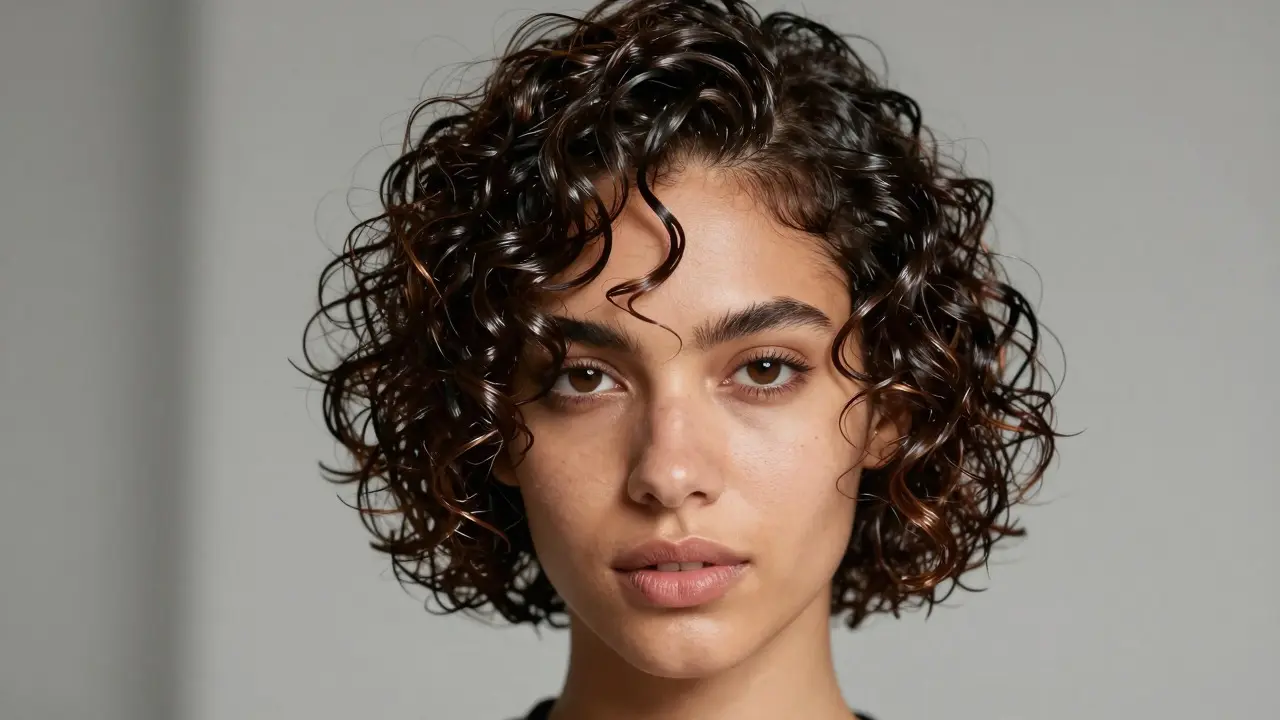
Remember the glossy, wet-look waves that defined 1980s pop culture? That iconic style is the Jheri curl, a chemical treatment designed to soften coarse hair and create loose, shiny ringlets. While it was originally famous on longer locks, getting this look right on short hair requires a different approach. You aren't just relaxing the hair; you are restructuring it to hold a specific wave pattern without weighing down your shorter strands.
If you have short, naturally straight or tightly coiled hair, achieving that signature Jheri curl look can feel tricky. The product needs enough length to coil around itself, but not so much that it drags. This guide breaks down exactly how to get those bouncy, moisturized waves on short hair, whether you choose a professional salon service or a careful at-home application.
Understanding the Jheri Curl Process
Before you touch any chemicals to your head, it helps to understand what is actually happening to your hair. A Jheri curl relaxer is not like a standard permanent wave (perm). Traditional perms use thioglycolate to break and reform bonds into tight curls. Jheri curl solutions often contain ammonium thioglycolate mixed with heavy conditioning agents and sometimes mild alkaline agents to soften the hair cuticle.
The goal isn't just curl; it's texture change. The solution penetrates the hair shaft to make it more pliable and moisture-retentive. For short hair, this means the result should be soft, springy waves rather than tight spirals. If the hair is too short-say, less than two inches-it might be difficult for the product to grip properly, leading to uneven results or scalp irritation.
| Feature | Jheri Curl Treatment | Standard Acid Perm |
|---|---|---|
| Texture Result | Loose, wet-look waves | Tight, defined curls |
| Chemical Base | Thioglycolate + Heavy Conditioners | Ammonium Thioglycolate or Glyceryl Monothioglycolate |
| Maintenance Level | High (Daily moisturizing required) | Medium (Regular deep conditioning) |
| Best For Short Hair? | Yes, if styled correctly | Risky (Can cause frizz if too short) |
Preparation: Is Your Hair Ready?
You cannot rush a Jheri curl. Prepping your hair is just as important as the application itself. If your hair is dry, brittle, or previously chemically treated, it may not survive the process well. Here is how to prepare:
- Strand Test: Always do a strand test 48 hours before the full application. Take a small section of hair from the back of your head, apply the solution, and see how it reacts. Does it hold the wave? Does it break? This saves you from a major disaster.
- Cleanse Without Stripping: Wash your hair with a clarifying shampoo to remove buildup, but avoid heavy conditioners right before the treatment. Conditioners can block the chemical solution from penetrating the hair shaft evenly.
- Dry Completely: Ensure your hair is bone-dry before applying any product. Water dilutes the chemical solution, leading to weak curls or patchy results.
- Protect Your Skin: Apply a thin layer of petroleum jelly or a specialized barrier cream along your hairline, ears, and neck. Jheri curl solutions can sting and irritate sensitive skin.
Step-by-Step Application for Short Hair
Applying Jheri curl solution to short hair requires precision. Because there is less length to work with, you need to ensure every strand gets coated without dripping onto your face. Follow these steps carefully:
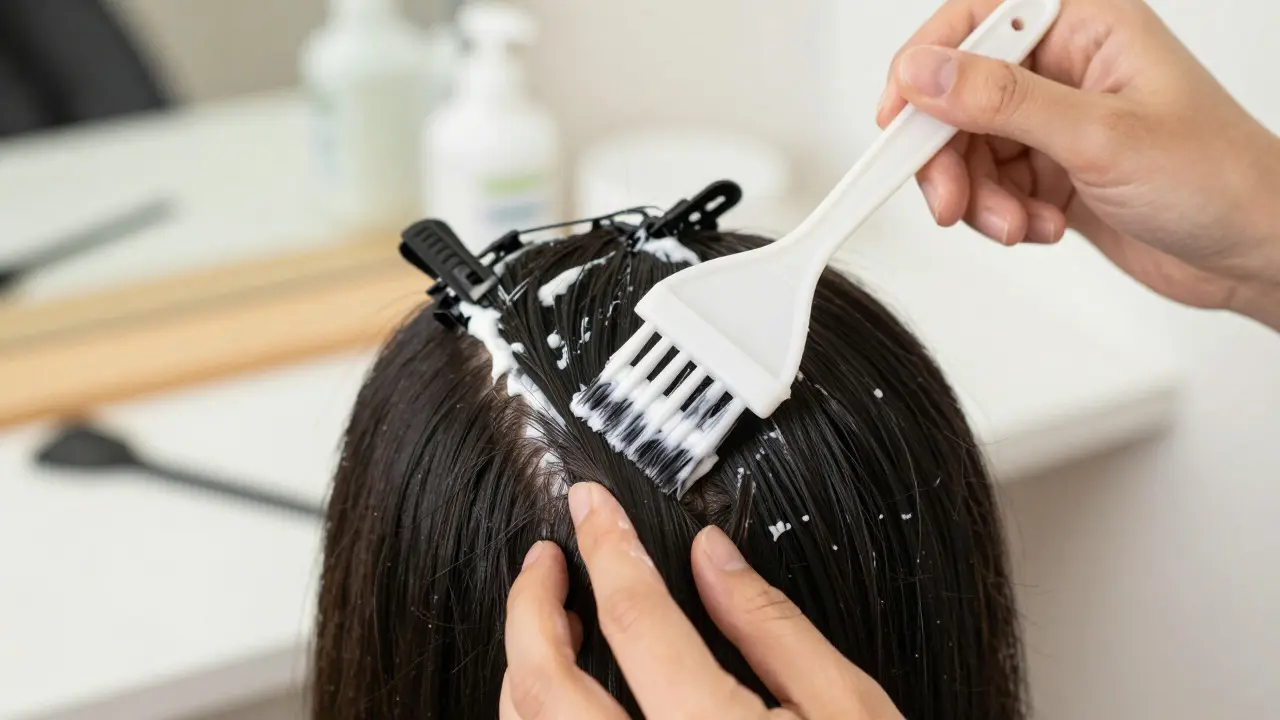
- Sectioning: Divide your hair into four quadrants using clips. Start from the nape of your neck and work your way up. Smaller sections ensure even distribution.
- Application: Using an applicator brush, saturate each section thoroughly. Do not rub the product in; simply coat the hair from root to tip. For short hair, focus on ensuring the mid-lengths and ends are fully covered, as these areas determine the wave pattern.
- Processing Time: Check the manufacturer’s instructions, but typically, the solution processes for 15-30 minutes. Check the hair every five minutes. When the hair feels slightly softer and begins to take on a wavy appearance, it is ready. Over-processing leads to mushy, damaged hair.
- Rinsing: Rinse thoroughly with lukewarm water until the water runs clear. Use a neutralizing shampoo if provided with the kit. This step stops the chemical reaction and stabilizes the new shape.
- Neutralizing: Apply the neutralizer according to the package directions. This is crucial for locking in the curl pattern and restoring the hair’s pH balance.
Styling Techniques for Short Jheri Curls
Once the chemical process is complete, the real work begins. The "wet look" is essential to the Jheri curl aesthetic, but on short hair, it can easily turn greasy if overdone. Here is how to style it effectively:
Start with damp hair. Apply a generous amount of Jheri curl gel or mousse. These products are specifically formulated to provide slip and shine without flaking. Work the product through your hair using your fingers or a wide-tooth comb. Focus on creating uniform waves by smoothing the hair downward.
If you want more definition, you can use a blow dryer with a diffuser attachment. Set the dryer to low heat and medium speed. Gently lift the roots while drying to add volume, then smooth the sides to encourage the wave pattern. Avoid high heat, which can dry out the hair and cause frizz.
For those who prefer a hands-off approach, let your hair air dry. However, keep in mind that air drying may result in less defined waves on very short hair. You can refresh the look throughout the day by misting with water and reapplying a small amount of gel.
Maintenance and Long-Term Care
Jheri curls require consistent maintenance. Unlike some styles that set and stay, this look relies on daily hydration. Here is what your routine should include:
- Daily Moisturizing: Use a leave-in conditioner or light oil to keep the hair soft. Dry hair loses its wave pattern quickly.
- Weekly Deep Conditioning: Treat your hair to a protein-rich mask once a week to strengthen the strands. Chemical treatments can weaken hair over time, so reinforcement is key.
- Avoid Sulfates: Switch to sulfate-free shampoos. Sulfates strip natural oils, leaving your hair dull and prone to frizz.
- Retouching: As your hair grows, the new growth will not have the same wave pattern. Plan for touch-ups every 6-8 weeks to maintain consistency.
Be mindful of environmental factors. Humidity can enhance the wave, but excessive dryness can cause brittleness. In colder months, consider wearing a satin-lined hat to protect your style while keeping it hydrated.
Common Mistakes to Avoid
Even experienced stylists make errors when working with short hair. Here are the pitfalls to watch out for:
- Over-Saturation: Applying too much product can weigh down short hair, making it look flat instead of wavy. Less is often more.
- Inconsistent Sectioning: Uneven sections lead to patchy curls. Take your time to divide the hair precisely.
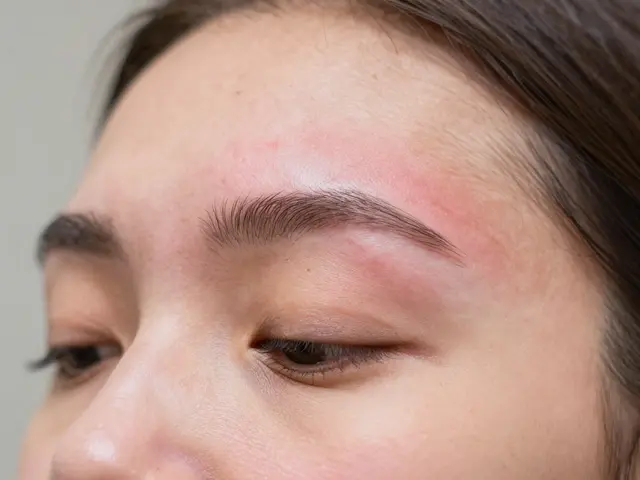
- Ignoring Scalp Health: If your scalp burns or itches excessively during processing, rinse immediately. Ignoring signs of irritation can lead to chemical burns.
- Using Wrong Products: Not all gels are created equal. Using regular hair gel instead of Jheri-specific formula can result in crunchiness and flakiness.
When to See a Professional
While DIY kits are available, short hair leaves little room for error. If you have never done a chemical treatment before, or if your hair is fragile, consider visiting a licensed stylist. They can assess your hair’s porosity and elasticity, choosing the right strength of solution for your needs. A professional application ensures even distribution and minimizes the risk of damage.
Additionally, if you have color-treated hair, a stylist can help prevent brassiness or fading that sometimes occurs with chemical relaxers. The cost of a professional service is often worth it for the first attempt, allowing you to learn the maintenance routine under expert guidance.
How long does a Jheri curl last on short hair?
On short hair, a Jheri curl typically lasts between 4 to 6 weeks. Because short hair grows out faster relative to its length, the contrast between new growth and curled hair becomes noticeable sooner. Regular maintenance and proper aftercare can extend the life of the style.
Can I dye my hair after getting Jheri curls?
It is best to wait at least two weeks after the Jheri curl process before coloring your hair. Chemical treatments can stress the hair shaft, and adding dye too soon can lead to breakage. Always perform a strand test before applying color to ensure compatibility.
Is Jheri curl damaging to short hair?
Like any chemical treatment, Jheri curls can be damaging if not applied correctly. Over-processing or using strong solutions on fine hair can cause brittleness. However, with proper preparation, timing, and aftercare, the damage can be minimized, and the hair can remain healthy and vibrant.
What products are best for maintaining Jheri curls?
Look for products specifically labeled for Jheri curls or textured waves. Key ingredients include glycerin for moisture, silicones for shine, and proteins for strength. Avoid alcohol-based products, which can dry out the hair. Brands like Jheri Redmond offer specialized lines for this style.
Can I sleep with Jheri curls on short hair?
Yes, but you should protect your style while sleeping. Use a satin bonnet or pillowcase to reduce friction and prevent frizz. You may also need to lightly reapply gel or water in the morning to refresh the wet look and redefine the waves.