


You stand in front of the mirror, staring at your reflection, wondering if a bold bob or long layers would actually suit you. The fear of a bad haircut is real-it’s not just about losing length; it’s about losing confidence for weeks until things grow back. But what if you could test-drive a hairstyle before you even pick up the scissors? You can. Thanks to modern technology and a bit of self-awareness, you don’t have to gamble with your look anymore.
Finding the right cut isn't just about picking a picture from Pinterest. It’s about understanding how your features interact with different lengths, textures, and shapes. Whether you’re looking for a subtle change or a complete transformation, knowing how to visualize these changes first saves time, money, and heartache. Here is exactly how you can see yourself in a new style before committing to it.
Use AI-Powered Virtual Try-On Apps
The easiest way to experiment with looks is through digital tools designed specifically for this purpose. These applications use augmented reality (AR) and artificial intelligence (AI) to overlay different haircuts onto your live camera feed or uploaded photos. They aren't perfect, but they are incredibly close.
ModiFace is a leading AR platform that powers many beauty apps, allowing users to virtually try on hair colors and cuts with high accuracy. It analyzes your face shape and hair texture to render realistic results. Similarly, YouCam Makeup offers a robust library of styles, from pixie cuts to balayage highlights. When using these apps, ensure you have good lighting and pull your hair back tightly so the app has a clear canvas to work with.
- ModiFace: Best for realistic hair color and texture simulation.
- YouCam Makeup: Great for quick comparisons between multiple styles.
- Hairstyle Try On: A dedicated app for men and women focusing on structural changes like bobs or fades.
Remember, these tools are guides, not guarantees. They show you the general silhouette and vibe, but they can’t replicate how your specific hair density or curl pattern will behave under gravity. Use them to narrow down your choices, then take those images to your stylist.
Determine Your Face Shape First
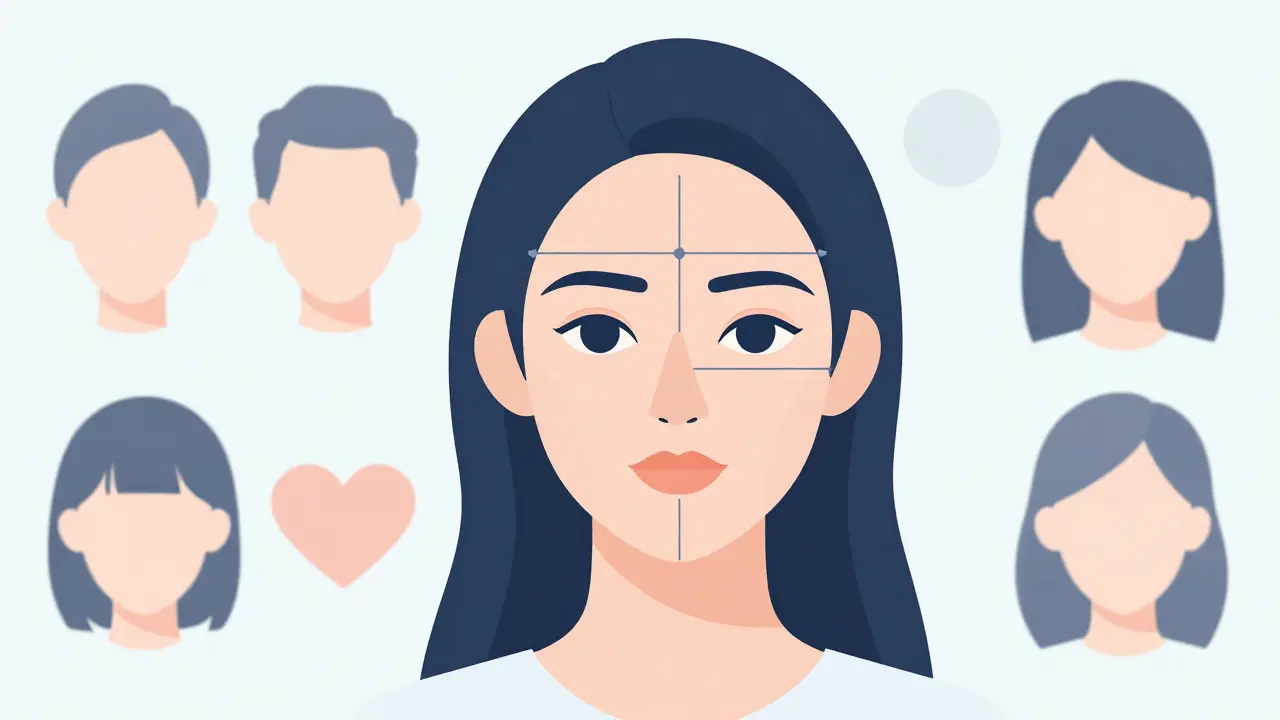
Before you download any app, you need to understand the foundation of your styling strategy: your face shape. Hair frames your face, and the right cut enhances your natural symmetry while balancing out proportions. If you ignore your face shape, even the most trendy haircut might look off.
To find your shape, pull your hair back and look in the mirror. Measure your forehead width, cheekbone width, jawline width, and face length. Here is how to categorize yourself:
| Face Shape | Key Features | Best Hairstyles | Avoid |
|---|---|---|---|
| Oval | Balanced proportions, slightly narrower chin | Almost anything, especially blunt bobs | Heavy bangs that shorten the face |
| Round | Equal width and length, soft angles | Side-swept bangs, long layers, pixie cuts with height | Chin-length bobs, center parts |
| Square | Strong jawline, wide forehead | Soft layers, side-parted waves, curtain bangs | Severe straight lines, blunt cuts |
| Heart | Wide forehead, narrow chin | Side-swept bangs, chin-length bobs, layered shags | Volume at the crown, slicked-back styles |
| Oblong | Longer than wide, uniform width | Full bangs, curly volume, side parts | High ponytails, very long straight hair |
Once you know your shape, you can filter the styles you see online. If you have a round face, skip the sleek, chin-length bob and look for styles that add vertical height or asymmetry. This step alone eliminates 50% of bad haircut decisions.
Analyze Your Hair Texture and Density
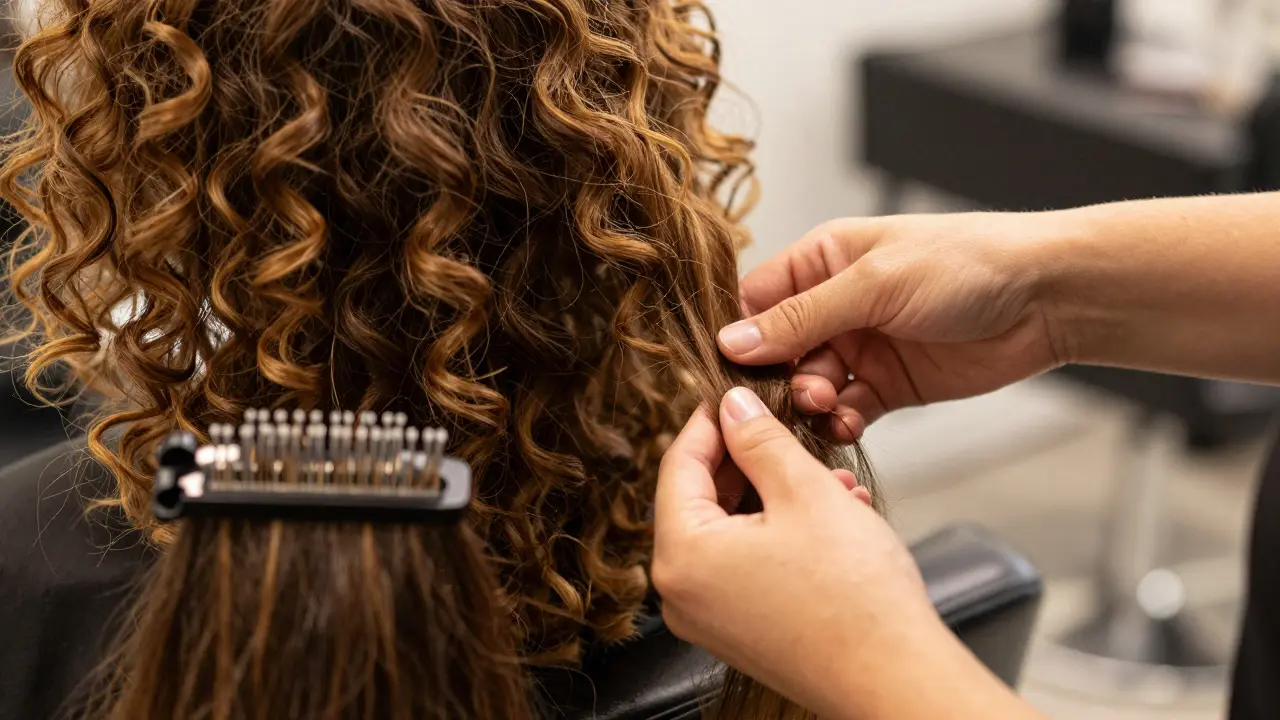
Your face shape tells you *where* the hair should fall, but your hair type tells you *how* it will sit. A photo of a model with fine, straight hair wearing a shaggy mullet doesn’t mean you’ll get the same result if you have thick, coily hair. Ignoring texture is the number one reason people regret their cuts.
Hair Texture is the diameter of individual hair strands, categorized as fine, medium, or coarse. Fine hair tends to lie flat and may lack volume, making heavy layers look sparse. Coarse hair holds its shape well but can become bulky if not layered correctly. Medium hair is the most versatile.
Consider these factors:
- Wavy vs. Straight: Wavy hair creates natural volume. A cut that looks thin when wet might look full when dry. Always ask your stylist to cut wavy hair while it is in its natural state, not stretched straight.
- Curl Pattern: Curly hair shrinks. A "long" curly cut might end up being a bob once it dries. Use apps like Curlsmith’s virtual try-on features which are calibrated for shrinkage.
- Density: This is how many hairs you have per square inch. Thick hair needs weight removal (texturizing) to avoid looking triangular. Thin hair benefits from blunt cuts to create the illusion of fullness.
If you have low-density hair, avoid choppy, heavily textured ends as they can make your hair look wispy and weak. Instead, opt for solid, blunt lines that reflect light and create a denser appearance.
Consult with Professional Stylists Online
Apps are great for visualization, but they lack human intuition. Many stylists now offer virtual consultations via platforms like Instagram DMs, Zoom, or specialized booking sites like StyleSeat. This is often more accurate than an AI because a professional can see your hair growth patterns, cowlicks, and scalp health.
When booking a virtual consult:
- Prepare Photos: Take clear photos of your hair from the front, sides, and back. Include a photo of your current parting and any areas where your hair behaves differently.
- Show Inspiration: Bring 3-5 photos of styles you like. Be honest if you love the length but hate the color, or vice versa.
- Ask Questions: Ask, "Will this style require daily heat styling?" or "How much maintenance does this cut need every six weeks?"
A good stylist will tell you if a style is unrealistic for your hair type. For example, if you want a sleek, straight pixie cut but have naturally tight curls, they will warn you about the daily blow-drying required. This insight is invaluable and cannot be replicated by an app.
Test Drive with Temporary Solutions
If you’re still unsure after trying apps and consulting pros, bridge the gap with temporary solutions. You can wear a style without cutting your hair permanently.
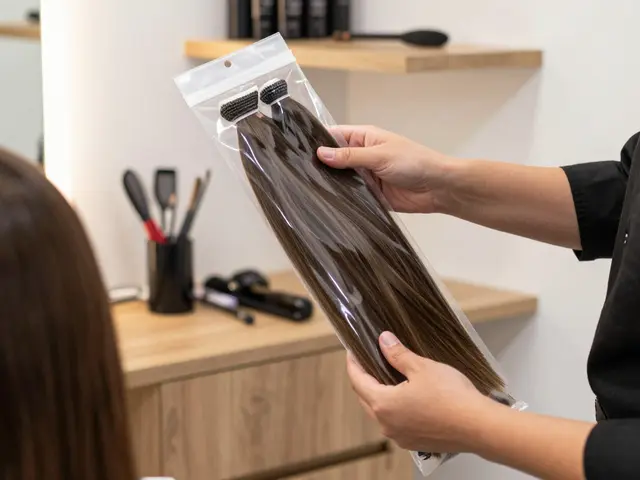
Clip-in Extensions are removable hair pieces that allow you to add length, volume, or color instantly without chemical damage. They let you experiment with longer layers or different colors. For shorter styles, try tucking your hair behind your ears and pinning it up to simulate a shorter silhouette. You can also use dry shampoo or texturizing spray to mimic the volume of a layered cut.
Another option is a wig or a half-wig. High-quality synthetic wigs are affordable and allow you to walk around with a completely different haircut for a day. Wear it to work, to dinner, and see how it feels in social situations. Does it bother you? Do you feel confident? This psychological test is crucial.
Check Maintenance Requirements
A beautiful hairstyle is only as good as your willingness to maintain it. Before committing, ask yourself: Do I have the time and budget for this?
Short cuts like pixies and bobs require trims every 4-6 weeks to maintain their shape. Long layers may only need a trim every 8-12 weeks. Textured shags often require daily styling with mousse or sea salt spray to prevent frizz. Sleek, straight styles may need weekly blowouts or expensive flat iron treatments.
Calculate the cost. If a haircut costs $50 and requires monthly visits, that’s $600 a year. Add product costs. If the math doesn’t fit your lifestyle, choose a lower-maintenance alternative. A messy bun-friendly cut is better than a high-maintenance perfectionist style if you lead a busy life.
Which app is best for trying on hairstyles?
ModiFace and YouCam Makeup are currently the most advanced apps for virtual hairstyle try-ons. ModiFace offers highly realistic rendering for hair color and texture, while YouCam Makeup provides a wide variety of styles for quick comparison. Both are available on iOS and Android.
How do I know my face shape accurately?
Pull your hair back and measure your forehead, cheekbones, and jawline. Compare the widths and your face length. Oval faces are balanced, round faces have equal width and length, square faces have strong jawlines, heart faces have wide foreheads and narrow chins, and oblong faces are longer than they are wide.
Can AI hairstyle apps predict how my hair will grow out?
No, AI apps only show the immediate result of a cut. They cannot predict growth patterns, cowlicks, or how your hair texture will change over time. For growth predictions, consult a professional stylist who understands your hair's biology.
What hairstyle suits thick, curly hair?
Thick, curly hair benefits from layered cuts that remove bulk without sacrificing shape. Shags, long layers, and defined bobs work well. Avoid blunt cuts at the chin level as they can create a triangular 'triangle' effect due to volume expansion.
Is it worth paying for a virtual consultation?
Yes, if you are considering a major change. Virtual consultations typically cost between $20-$50 and provide personalized advice based on your specific hair texture and face shape. This fee is often deducted from your first appointment if you book with the same stylist.




Aditya Singh Bisht
May 8, 2026 AT 20:49Bro this is actually a game changer! I was so scared to chop my hair short but now i feel like i can try it safely first. The part about face shapes is super helpful too. I always thought i had a round face but after measuring maybe its more oval? Gonna download those apps right now and see what happens. Thanks for sharing this guide it really helps with the anxiety of getting a bad haircut.
Pramod Usdadiya
May 10, 2026 AT 12:35Nice article but some points are not fully correct. In india we have diffrent hair types mostly thick and straight or wavy. Apps like modiface dont work well for indian hair texture because they are trained on western datasets mostly. Also the face shape table is too generic. Many indians have square faces but soft jawlines so blunt bob might still work. You should mention that cultural context matters in styling choices.
Agni Saucedo Medel
May 10, 2026 AT 15:59Oh my gosh yes!!! 😍 I tried youcam makeup last week and it was kinda scary how accurate it was for color changes. But for cuts it was a bit off. I love the tip about pulling hair back tightly though, makes so much sense. 👏✨
ANAND BHUSHAN
May 10, 2026 AT 19:04good info. simple and clear. i just use google images usually. apps are ok but sometimes laggy on old phones.
Indi s
May 12, 2026 AT 14:17I really struggle with finding styles that suit my face. My hair is very fine and thin so layers make it look even thinner. This post helped me understand why. I think i will stick to blunt cuts as suggested. It feels good to know there is a logic behind it instead of just guessing.
Rohit Sen
May 13, 2026 AT 16:24Pretty basic stuff. If you actually know your hair type you do not need an app. Apps are for people who cannot trust their own eyes or stylists. A good stylist knows better than any algorithm. Do not waste time on digital gimmicks. Go to a salon.
Vimal Kumar
May 14, 2026 AT 11:56@Rohit Sen hey rohit i get where you are coming from but apps are great for visualizing before spending money. Not everyone has access to expensive stylists who give honest advice. These tools help level the playing field a bit. Plus it is fun to play around with different looks without commitment. Everyone deserves to feel confident in their choice.
Amit Umarani
May 14, 2026 AT 16:08The grammar in this post is acceptable but the formatting is messy. Why are there random line breaks? Also 'ModiFace' is misspelled in some contexts online but here it is correct. However the sentence structure in the intro is weak. 'You stand in front of the mirror...' is cliché. Just say what you mean. Stop wasting words.
Noel Dhiraj
May 15, 2026 AT 01:11hey guys check out the section on maintenance costs. most people forget that part. if you have busy life like me then low maintenance cut is key. i used to spend hours styling every morning now i just wash and go. saves so much time and energy. highly recommend thinking about daily routine before cutting.
vidhi patel
May 16, 2026 AT 23:01This article is fundamentally flawed in its approach to professional consultation. Relying on Instagram DMs for serious hair advice is unprofessional and lacks accountability. One must consult certified trichologists or licensed cosmetologists through official channels only. The suggestion to use clip-in extensions as a primary method of testing is trivial and ignores the structural integrity of natural hair growth patterns. Disappointing lack of rigor.
Priti Yadav
May 17, 2026 AT 15:16These apps are probably tracking your biometric data. ModiFace and YouCam are owned by big tech companies who sell user data to advertisers. They want your face scans for facial recognition databases. Do not upload your photos to these servers. It is a privacy nightmare waiting to happen. Use local software if you must but avoid cloud-based AR filters entirely.