

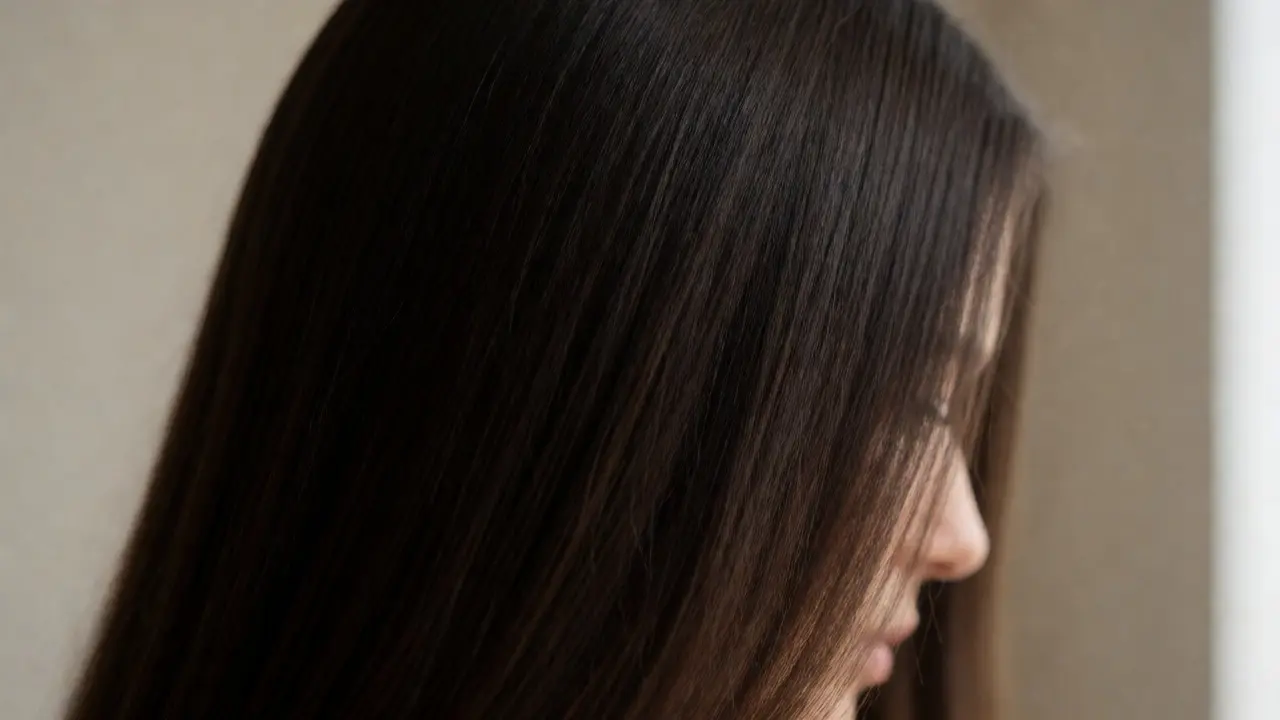
You know the struggle. You spend hours washing, conditioning, and blow-drying your silky long hair until it looks like a shampoo commercial. Then you step outside, or worse, put on a sweater, and five minutes later it’s flat, tangled, or sliding off your shoulders. Silky hair is beautiful, but its smooth cuticle structure means it lacks the friction needed to hold volume or stay in place. If you’re dealing with fine-to-medium density strands that slip through clips and fall out of ponytails, you need strategies that work *with* the physics of your hair, not against it.
This guide breaks down exactly how to style silky, long locks so they look intentional rather than accidental. We’ll cover cuts that add shape without weight, updos that actually grip, and heat-free tricks that boost body. No vague advice-just concrete techniques for keeping your mane looking fresh from morning to night.
Why Silky Hair Behaves Differently
To fix styling issues, you first have to understand why silky hair acts up. Unlike coarse or wavy hair, which has a rougher cuticle layer that creates natural friction, silky hair has tightly packed, smooth scales. This reflects light beautifully (hello, shine) but offers zero grip. Think of it like trying to stack polished glass marbles versus sandpaper blocks. The marbles slide apart; the blocks stick.
Fine hair often overlaps with silky textures, exacerbating the problem because there’s less individual strand diameter to create bulk. When you try to tease it back into a bun, the lack of surface tension causes the style to collapse under gravity. The solution isn’t necessarily more product-it’s about creating artificial texture and choosing shapes that distribute weight evenly.
Cuts That Add Structure Without Bulk
If your hair feels heavy and lifeless, the right cut can change everything. Avoid blunt one-length cuts if your hair is very fine; they tend to drag the roots down. Instead, consider these structural changes:
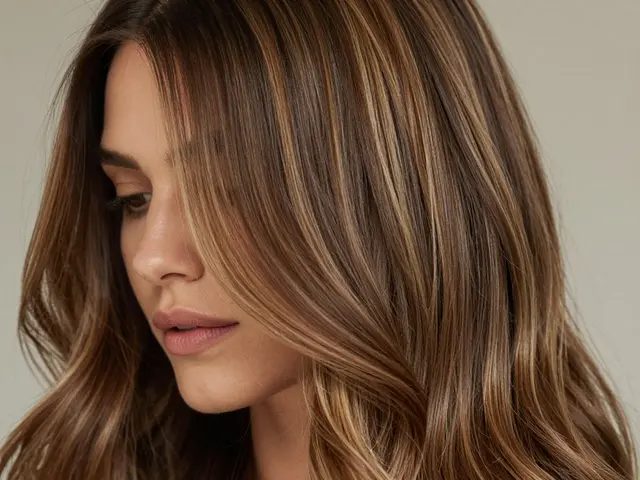
- Face-Framing Layers: Start layers at the chin or collarbone level. This removes weight from the ends, allowing the top section to lift naturally. It also creates movement around the face, breaking up the "curtain" effect that long straight hair can sometimes create.
- The V-Cut: A subtle V-shape in the back keeps length while removing excess mass from the center. This prevents the triangular silhouette where the bottom gets too wide and flat.
- Texturizing Shears: Ask your stylist to use thinning shears only on the ends, never the mid-lengths. Removing 10-15% of density helps styles hold better by reducing the sheer weight pulling the hair down.
A common mistake is over-layering. Too many short layers mixed with long lengths can make silky hair look frizzy and uneven because the shorter pieces stand up while the longer ones hang straight. Keep layers long and blended for a sleek, polished look.
Updos That Actually Hold
Ponytails and buns are the go-to for long hair, but they fail quickly on silky strands. Here’s how to make them last.
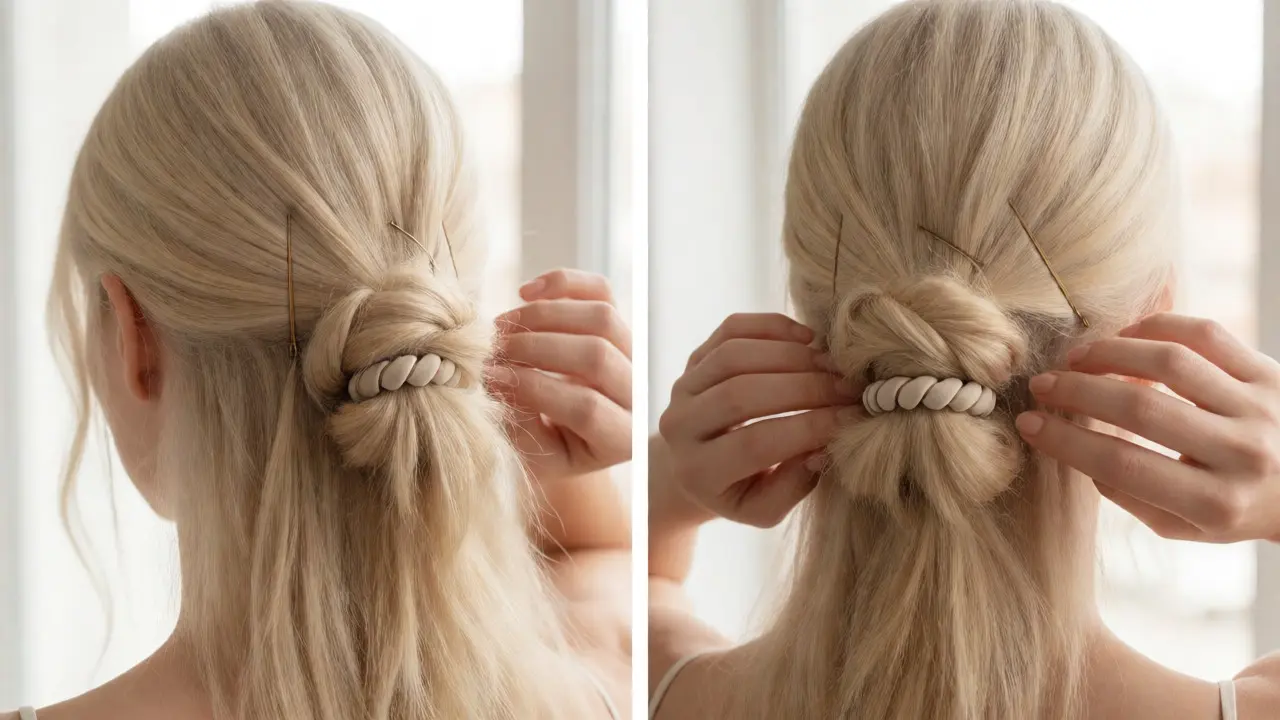
The Textured Low Bun
Forget the slicked-back bun that slips after an hour. Try this instead:
- Apply a dry texturizing spray to damp hair before drying, or to dry hair if you’re rushing. Focus on the mid-lengths.
- Gather hair into a low ponytail. Do not pull it tight against the scalp; leave a little slack at the crown.
- Twist the ponytail loosely rather than wrapping it tightly. Loose twists hide slippage better than tight coils.
- Secure with a fabric-covered elastic or a spiral hair tie. These grips hold smoother hair better than standard rubber bands.
- Tuck the ends underneath and pin with bobby pins crossed in an "X" shape. Cross-pinning locks the hair in place mechanically.
The Half-Up Knot
This style keeps length visible while securing the slippery top section. Pull the top half of your hair back into a small knot or twist at the crown. Secure it with two bobby pins inserted horizontally, parallel to the scalp. Because the rest of the hair remains down, any minor slippage in the knot goes unnoticed. It’s perfect for days when you want polish but don’t feel like committing to a full updo.
Heat-Free Volume Boosters
Since silky hair lies flat, adding volume at the roots is key. Heat tools can damage delicate strands, so try these mechanical methods:
| Technique | How It Works | Best For |
|---|---|---|
| Root Clips | Lifts hair at the base while drying, creating permanent bend at the root. | Daily wear, air-drying routines. |
| Silk Scarf Wrap | Wrapping damp hair in silk creates gentle waves and reduces friction tangles. | Adding texture without heat. |
| Backcombing | Light teasing at the nape provides anchor points for updos. | Special occasions, formal styles. |
Pro Tip: Use a boar bristle brush to distribute natural oils from the scalp to the ends. This adds slight weight to the ends, helping them hang straighter, while keeping the roots lighter and fuller.
Product Selection: Less Is More
Silky hair absorbs products differently than porous hair. Heavy creams weigh it down instantly. Stick to lightweight formulas.
- Dry Shampoo: Not just for oily hair. Spray it on clean, dry roots to add grit. The starch particles create friction, helping clips and elastics hold better.
- Mousse: Apply a golf-ball-sized amount to damp roots before blow-drying. It provides flexible hold without crunchiness.
- Hairspray: Choose a flexible-hold formula. Mist it onto a toothbrush to tame flyaways around the hairline. Direct spraying often leaves white residue on dark, shiny hair.
Avoid silicone-heavy serums unless you apply them strictly to the ends. Silicone coats the hair shaft, making it even smoother and harder to style. If you must use oil, opt for lightweight argan or jojoba oil, applied sparingly to dry ends only.
Nighttime Care to Prevent Morning Tangles
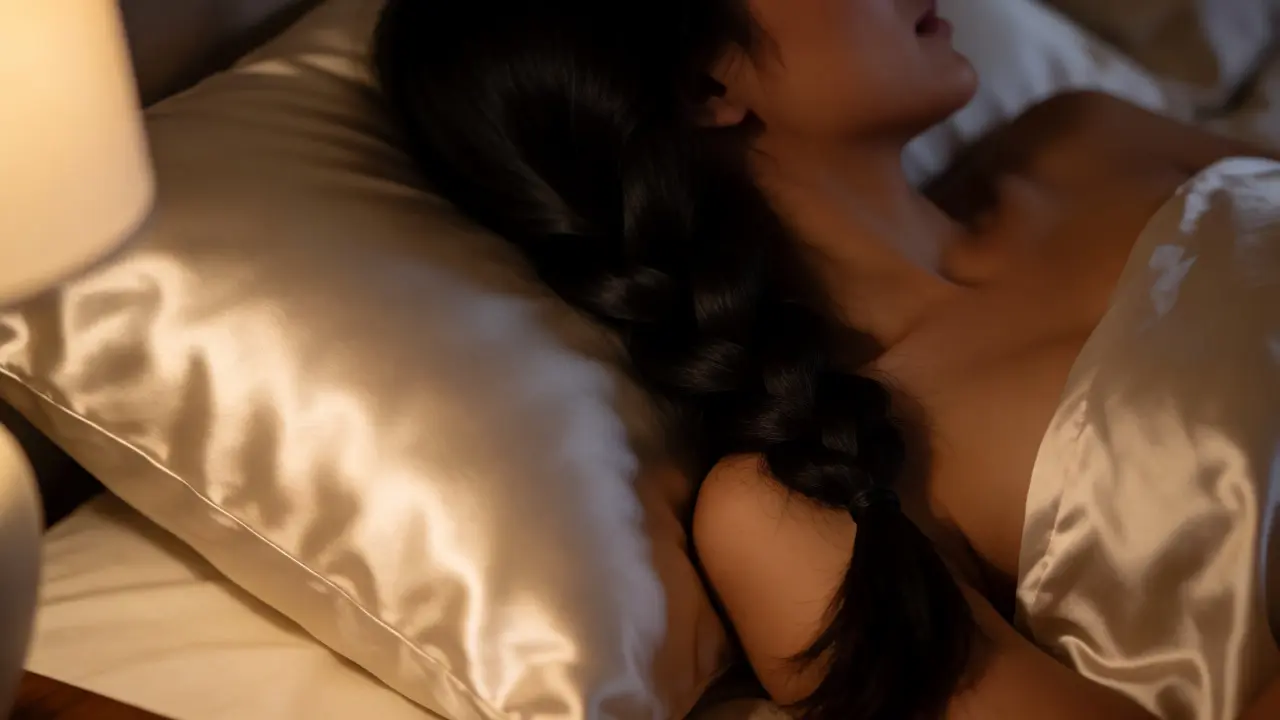
Silky hair tangles easily during sleep due to friction against cotton pillowcases. Switch to a silk or satin pillowcase. These materials reduce drag, preventing breakage and preserving your style overnight.
Before bed, braid your hair loosely. A single loose side braid prevents knots from forming at the nape. In the morning, undo the braid gently. You’ll wake up with soft waves and minimal detangling required, saving you time and stress.
Frequently Asked Questions
Why does my silky hair always look flat?
Silky hair has a smooth cuticle layer that reflects light but lacks friction. This smoothness causes strands to slide against each other, collapsing volume. Additionally, fine silky hair often has lower density, meaning there is less physical mass to support itself against gravity.
Do layers help silky long hair?
Yes, but they must be long and blended. Short, choppy layers can make silky hair look frizzy and disconnected. Long layers starting below the chin remove weight from the ends, allowing the top sections to lift and move more freely.
What is the best way to keep a ponytail secure on silky hair?
Use dry shampoo at the roots to add grit before tying. Opt for spiral or fabric-covered hair ties instead of standard elastics. Finally, wrap a small section of hair around the base to hide the tie and pin it securely with crossed bobby pins for extra hold.
Can I use heavy conditioners on silky hair?
Heavy conditioners can weigh silky hair down, making it look greasy and flat. Use lightweight, volumizing conditioners applied only to the mid-lengths and ends. Clarify your hair once a month to remove product buildup that can further flatten fine strands.
How do I stop my hair from slipping out of clips?
Smooth hair needs grip. Apply a texturizing spray or dry shampoo to the area where the clip will sit. Alternatively, use clips with rubberized teeth or velvet-lined interiors, which provide more friction than smooth metal or plastic clips.
Mark Harvey
September 3, 2026 AT 07:49Great breakdown on the physics of silky hair. The tip about using dry shampoo for grip instead of just oil is a total game changer. I've been doing this for months and my ponytails finally stay put all day without feeling crunchy.
Savara Gunn
September 4, 2026 AT 14:48The half-up knot suggestion is exactly what i needed. usually i give up because it slips but the horizontal pin trick makes sense. thanks for sharing.
Anthony Miller
September 5, 2026 AT 01:58This article fundamentally misunderstands the nature of hair care by suggesting that one can simply 'trick' the cuticle with temporary fixes. You are treating the symptom rather than the disease. True beauty comes from internal health and proper nutrition, not from spraying starch on your roots like some desperate teenager trying to look cool. If your hair lacks friction it is because you have damaged it through excessive heat styling or poor genetic luck which no amount of texturizing spray can fix permanently. Stop buying into the marketing lies of big cosmetic companies who profit from your insecurity and start eating better foods rich in biotin and zinc. Your hair reflects your overall vitality and if it is slipping out of clips it is a sign that your body is crying out for help not for another silicone-free serum. We need to return to traditional methods of care rather than relying on chemical crutches that eventually lead to breakage and thinning. This superficial approach to hair styling ignores the deeper biological reality of follicle health and scalp integrity. People waste hundreds of dollars on products that do nothing but coat the shaft while their actual problem remains untreated at the root level. It is frustrating to see so many people falling for these quick fixes when the solution has always been simple discipline and natural living. The industry thrives on confusion and this article merely adds to the noise without providing any real scientific insight into why hair behaves the way it does beyond surface level observations. You should be ashamed for promoting such shallow solutions to complex biological issues that require serious attention and respect for natural processes.
michelle veluz
September 7, 2026 AT 00:13OMG!!! Wait... hold on... stop scrolling!!!
Do you realize what they aren't telling us??? Silky hair isn't just a texture issue!!! It's a conspiracy by the pillowcase manufacturers!!! Why do you think cotton is still sold?? Because they WANT you to tangle!! They want you to buy more detangler!!! More conditioner!!! More $$$!!!
And don't even get me started on the 'silicone-heavy serums' warning!! Who decided silicone was bad?? The government?? Or maybe Big Water?? Think about it!!! If your hair slips it's because they're putting something in the water supply that smooths it too much!! That's why everyone looks flat!! It's not genetics!! It's contamination!!!
I'm switching to silk immediately but I'm also buying a filter!!! Don't let them fool you with 'friction' explanations!! It's all about control!!! Control of your morning routine!!! Control of your wallet!!! Wake up people!!! The marbles vs sandpaper analogy is cute but it hides the truth!!! We are being manipulated by the hair industrial complex!!!
Jacob Baby Official
September 7, 2026 AT 09:59Actually, the premise is flawed. Silky hair doesn't lack friction; it lacks density. You're confusing slip with volume loss. Most people with 'silky' hair actually have coarse hair that has been over-conditioned. By adding more texture, you're just creating frizz where there should be shine. The author assumes fine hair equals silky, which is a classic amateur mistake. Real pros know that tension, not product, holds styles. If your bun falls out, your technique is wrong, not your hair type. Blaming the cuticle structure is just an excuse for lazy styling habits. I bet most of you haven't even tried proper sectioning before complaining about slippage.
john randall
September 7, 2026 AT 11:11the spiral ties tip is solid. been using those for years. works better than rubber bands for sure.
Jeff Falcon
September 8, 2026 AT 05:59I totally agree with the point about avoiding blunt cuts because honestly, I made that exact mistake last year and my hair looked so heavy and lifeless, like a helmet, until I went back to the salon and asked for long face-framing layers which completely transformed the silhouette and gave it movement that I didn't know was possible, and now every time I blow-dry it, it feels lighter and bouncier, especially when I use a round brush at the ends, and I also found that skipping conditioner on the roots really helps keep the volume alive throughout the day, so yeah, structural changes are key, not just product application, which is often overlooked in these guides, but this one nailed it pretty well, so good job on the detailed explanation of how weight distribution affects style longevity, it's rare to see such practical advice without fluff.
Alyson Karson
September 8, 2026 AT 09:16YES!! The dry shampoo hack changed my life!! I used to think it was only for dirty hair but using it on clean roots for grit is genius!! My clips finally stay in!! Also switch to satin pillowcases ASAP its worth every penny!!
Chris Neal
September 8, 2026 AT 13:03Technically, the cuticle scales are indeed smoother, but the term 'silky' is subjective. What matters is the coefficient of friction between strands. Dry shampoo works because rice starch increases surface roughness. Mousse provides polymer film formation. These are established cosmetic chemistry principles. However, the advice to avoid silicone on mid-lengths is debatable; dimethicone can actually reduce static electricity which causes flyaways. One must balance slip against manageability depending on humidity levels. In high humidity, silicone is beneficial. In low humidity, it may weigh hair down. Context is everything.
Vishnu Vardhan Reddy M S
September 9, 2026 AT 18:43Haha, love the enthusiasm! But seriously, the V-cut recommendation is spot on. I tell all my clients that removing weight from the center is the secret sauce. And yes, fabric elastics > rubber bands. Always. The rest is just noise.
Elisabeth Ballet
September 10, 2026 AT 05:43This is fantastic advice for anyone struggling with fine textures. The emphasis on mechanical techniques like root clips and cross-pinning is crucial because it empowers you to work with your natural state rather than fighting it. Remember, consistency is key. Start with small changes like the silk pillowcase and build from there. You've got this!
Joanna Mucha
September 10, 2026 AT 06:20The reductionist view presented here fails to acknowledge the existential dread of waking up with matted locks. To speak of 'grip' is to ignore the metaphysical burden of vanity. Yet, one cannot deny the aesthetic utility of the half-up knot, which serves as a visual metaphor for containment amidst chaos. It is a clever, if slightly pedestrian, solution to the entropy of daily existence.
Kim Edwards
September 11, 2026 AT 17:55I literally cried reading this. The part about stepping outside and watching your hard work collapse? THAT IS MY LIFE. I felt so seen. The textured low bun tutorial saved me today. I did it and it held for 8 hours!! I am obsessed.
Bonnie Watt
September 12, 2026 AT 23:41Not gonna lie, the advice about avoiding short layers is controversial but mostly right. Short layers on straight hair just look messy unless you have a lot of density. But saying 'never' use silicone is dumb. Some silicones are volatile and evaporate. Generalizations like this annoy me. Still, the dry shampoo tip is valid. Just don't overdo it or you'll get buildup.