

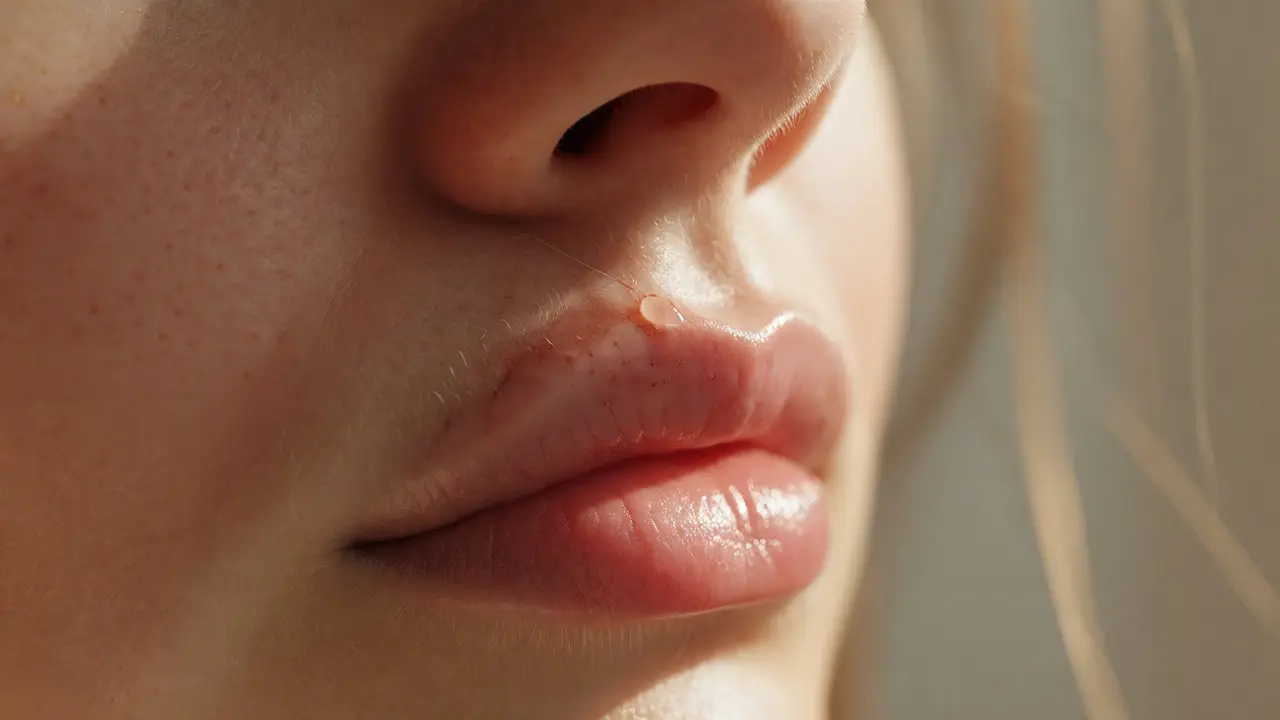
You just pulled the strip off your upper lip, expecting smooth skin, but instead, you see a tiny spot of blood. Panic sets in immediately. Did you ruin your face? Is this an infection waiting to happen? First, take a breath. Seeing a little bit of pink or red on the cotton pad is actually pretty common, especially with upper lip waxing. The skin there is thin, sensitive, and packed with hair follicles that are deeply rooted. But there’s a fine line between "normal reaction" and "I need ice." Let’s figure out exactly what’s happening under your skin and how to fix it fast.
Why Does My Skin Bleed After Waxing?
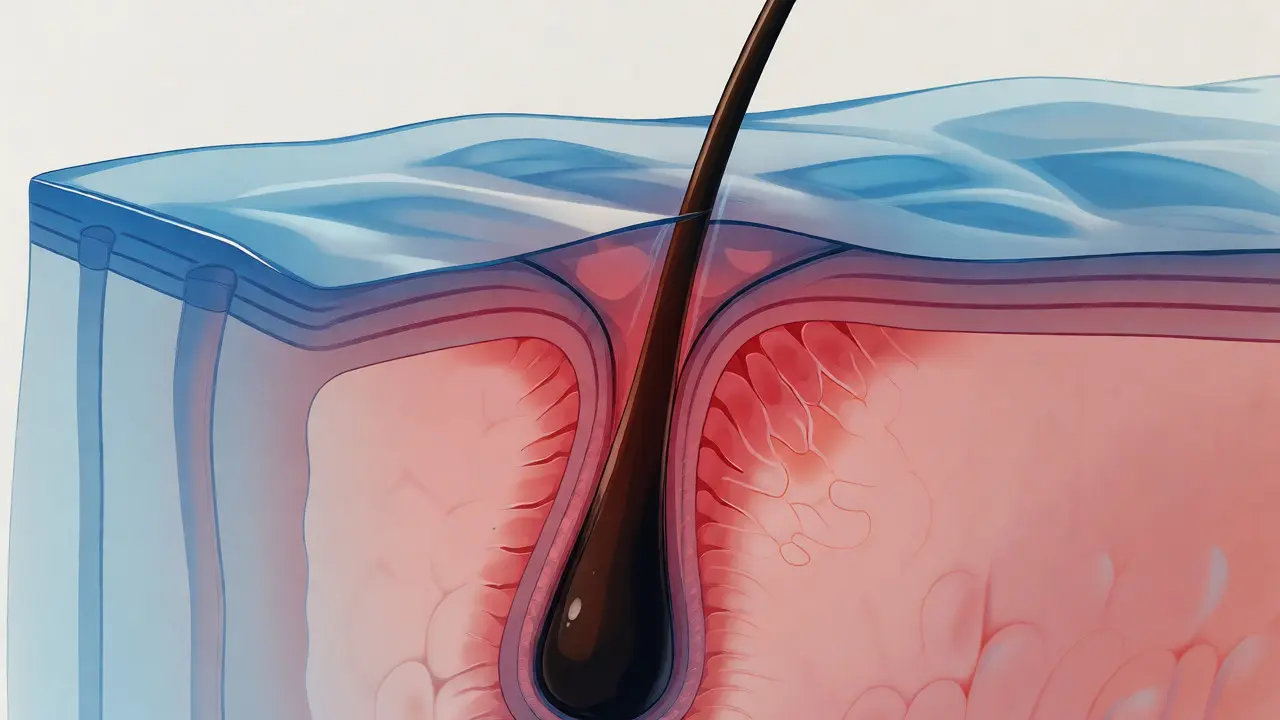
It feels like the wax ripped your skin, but usually, it didn’t. Here is the mechanics: Hair grows from a follicle deep inside the dermis. When you wax, you aren't just pulling the hair; you are yanking the entire root structure out of its socket. If the hair was thick, coarse, or if the follicle was inflamed (even slightly), pulling it out can cause micro-trauma to the surrounding tissue. This results in pinpoint bleeding, often called petechiae. It looks scary-like tiny red dots-but it’s rarely serious.
However, if you see actual streaks of blood or open sores, that’s different. That suggests the wax was too hot, causing a superficial burn, or the strip was pulled parallel to the skin rather than against the grain, tearing the epidermis. Knowing which one you have dictates your next move. Pinpoint bleeding heals quickly. A tear or burn needs more TLC.
Is It a Burn or Just Irritation?
Distinguishing between normal post-wax trauma and a genuine wax burn is critical for treatment. A standard wax job leaves the skin red and warm. That’s inflammation. It should subside within a few hours. A burn, however, stays hot, might blister, and hurts when you touch it gently. If you used hard wax, check the temperature history. Hard wax is generally safer for the face because it shrinks as it cools, gripping only the hair. Soft wax adheres to the skin, increasing the risk of lifting top layers if pulled incorrectly.
| Symptom | Normal Post-Wax Trauma | Wax Burn / Skin Tear |
|---|---|---|
| Bleeding Type | Pinpoint dots (petechiae) | Streaks, oozing, or raw patches |
| Pain Level | Mild sting, fades in 10-20 mins | Sharp, burning pain lasting hours |
| Skin Appearance | Pink/red, slightly raised bumps | White/pale patches, blisters, or dark scabs |
| Healing Time | 24-48 hours | 3-7 days |
Immediate Steps to Stop Bleeding and Soothe Skin
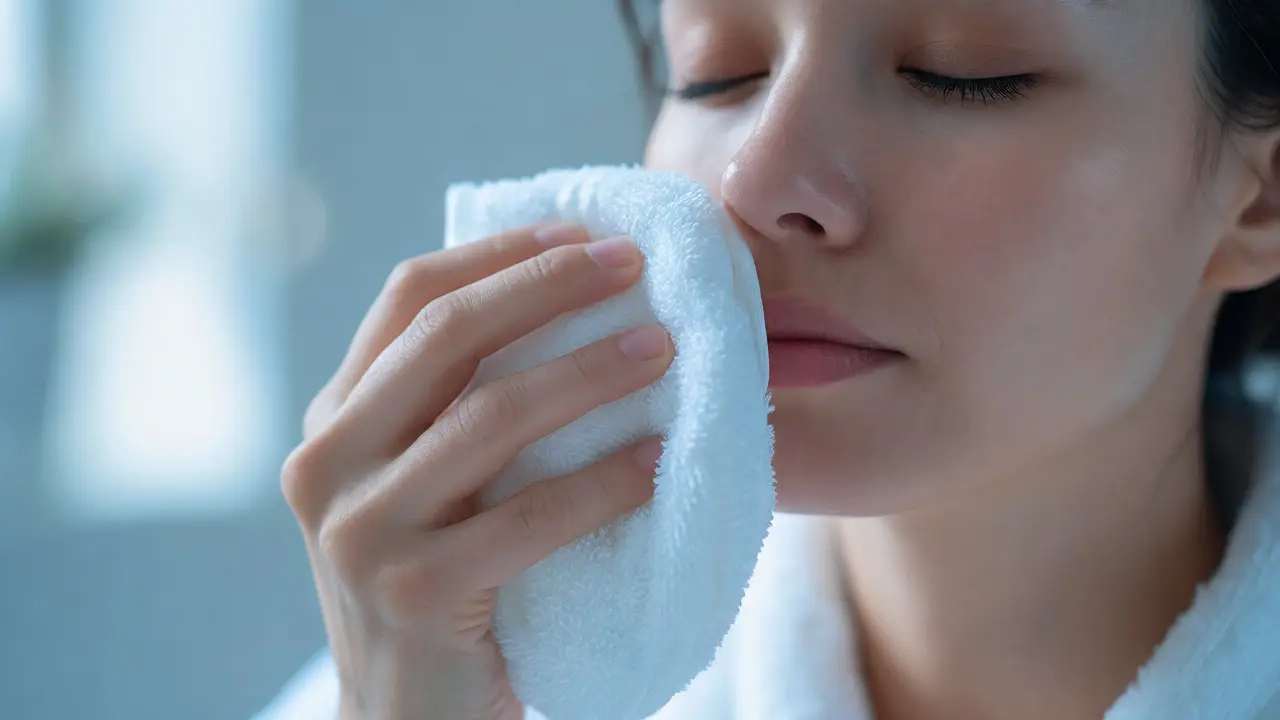
Don’t rub the area. Rubbing spreads bacteria and irritates the open follicles. Instead, grab a clean cloth soaked in cold water or an ice pack wrapped in a towel. Hold it against your lip for 5-10 minutes. Cold constricts the blood vessels, stopping the flow and reducing swelling. If the bleeding doesn’t stop after ten minutes of pressure, apply a styptic pencil or a dab of aluminum chloride solution. These are common in men’s grooming kits for shaving cuts, but they work wonders here too by sealing the tiny holes left by the hairs.
Once the bleeding stops, resist the urge to put heavy makeup on. Foundation traps heat and bacteria into those open pores. If you must cover it up, use a mineral-based concealer with zinc oxide. Zinc is anti-inflammatory and helps heal the skin barrier. Avoid anything with alcohol, fragrance, or retinol for at least 24 hours. Your skin barrier is compromised right now; throwing harsh chemicals at it will turn a minor irritation into a dermatitis flare-up.
The Role of Exfoliation and Ingrown Hairs
If you’re prone to bleeding, you might also be prone to ingrown hairs. When you wax regularly, the new hair grows back with a softer tip. Sometimes, this soft tip curls back into the skin instead of breaking through the surface. This causes inflammation, making the follicle fragile and more likely to bleed during the next session. To prevent this cycle, start gentle exfoliation two days after waxing. Use a chemical exfoliant like salicylic acid or glycolic acid rather than a scrub. Scrubs are too abrasive for fresh, healing skin. Salicylic acid penetrates the oil in the pore, keeping it clear so the hair can exit easily.
Consistency matters more than intensity. Exfoliating once a week keeps the skin turnover healthy without stripping it. If you skip this step, dead skin cells build up, trapping hairs. Next time you wax, you’ll have to pull harder to get those trapped roots out, leading to more trauma and more bleeding.
When to See a Professional
Most home waxing mishaps resolve themselves. But watch for signs of infection. If the area becomes increasingly red, hot to the touch, or starts oozing yellow pus after 48 hours, you might have a bacterial infection like staphylococcus aureus. This is rare but possible if non-sanitary tools were used or if you touched the area with dirty hands. Also, if you notice dark hyperpigmentation forming where the bleed happened, you’re dealing with post-inflammatory hyperpigmentation (PIH). This is more common in darker skin tones. Sunscreen is your best friend here. UV exposure darkens healing scars significantly.
If you find yourself bleeding heavily every single time, consider switching methods. Laser hair removal targets the pigment in the hair follicle, destroying it permanently without ripping the skin. While expensive upfront, it eliminates the trauma of waxing entirely. Alternatively, try threading. Threading pulls hair from the follicle using twisted cotton threads, which can be less traumatic on the skin surface than wax strips, though it still pulls from the root.
Preventing Future Bleeding
Preparation prevents problems. Before your next appointment, ensure your hair is the right length. Too short (under 1/4 inch) means the wax can’t grip, so estheticians go over the same spot multiple times. Too long causes unnecessary pain and trauma. Aim for about 1/4 to 1/2 inch. Hydrate well before waxing; hydrated skin is more elastic and resists tearing better than dry skin.
Talk to your esthetician. Tell them you tend to bleed. They can adjust their technique, perhaps using a lower temperature wax or applying pre-wax oil to protect the skin layer. If you do it at home, practice your angle. Pull the skin taut and rip the strip low and fast, parallel to the body, not upward. Upward pulls lift the skin, causing tears.
How long does bleeding last after waxing?
Typically, pinpoint bleeding stops within 10 to 20 minutes after applying pressure. If it continues beyond an hour, it may indicate a deeper skin tear or a clotting issue, and you should monitor it closely or seek medical advice if it persists.
Can I wear makeup right after waxing?
It's best to wait at least 24 hours. Makeup can clog the open hair follicles, leading to breakouts or infections. If you absolutely must, use a clean brush and non-comedogenic, mineral-based products, avoiding heavy foundations.
What causes dark spots after waxing?
Dark spots are often Post-Inflammatory Hyperpigmentation (PIH). They occur when inflammation triggers excess melanin production. Sun exposure worsens PIH, so wearing SPF 30+ daily is crucial for prevention and fading existing marks.
Should I shave between waxing sessions?
No. Shaving cuts hair at the surface, creating blunt edges that are harder for wax to grip later. This leads to more passes and more trauma. Wait until the hair grows back to at least 1/4 inch before waxing again.
Is bleeding a sign of bad technique?
Not always. Minor pinpoint bleeding is physiological due to deep follicles. However, excessive bleeding or skin tearing often indicates poor technique, such as pulling against the grain, insufficient skin tension, or using wax that is too hot.



Kathy Mccoy
October 6, 2026 AT 03:00Oh honey, take a deep breath! You are going to be absolutely fine.
I know seeing that little spot of blood feels like a disaster when you're trying to get ready for the day, but it really is just your skin doing its thing. The upper lip is so sensitive because there are so many nerve endings and hair follicles packed into such a tiny space. I used to panic every single time until my esthetician explained that it's basically just the root popping out of its socket. It looks way worse than it actually is. Just keep it clean, maybe use some aloe vera gel if you have it, and don't touch it with dirty hands. You've got this! The redness will fade before you even finish your coffee. Trust me on this one, it heals faster than you think.
Ejike Ugwu
October 6, 2026 AT 13:41They want us bleeding. Think about it. Why do they make the wax strips so sticky? Why is the pain always in the most vulnerable spots? It’s not just cosmetic; it’s psychological conditioning. They bleed you dry metaphorically and literally. I saw a video once where a guy said his blood turned black after waxing, which obviously means toxins leaving the body, or maybe he was just dehydrated from the stress they put us through. Don’t trust the 'normal' narrative. Your body is screaming at you that something is wrong with the chemicals in that strip. Who knows what synthetic garbage they are mixing in there now that nobody is regulating properly? Keep your eyes open. This isn't just about smooth skin; it's about control over our own biology. If you start feeling dizzy or weird, run. Literally run away from the salon. They are harvesting more than just hair.
Kathleen Johnson
October 8, 2026 AT 08:10The article presents a somewhat simplified view of dermal trauma mechanisms. While pinpoint bleeding is indeed common due to follicular extraction, the distinction between petechiae and superficial epidermal tearing is often misidentified by laypeople. One must consider the viscosity of the wax and the ambient temperature during application. If the wax was applied too thinly, it fails to grip the hair shaft adequately, resulting in repeated pulls that shear the stratum corneum rather than extracting the follicle cleanly. Furthermore, the recommendation for salicylic acid is valid, but only if the pH level is appropriate for facial skin, typically around 3.0 to 4.0. Many over-the-counter products are formulated for body acne and can cause chemical burns on the delicate perioral area. One should also evaluate the client's recent retinoid usage, as increased cell turnover significantly compromises skin integrity, making the 'normal' reaction threshold much lower than described here. It is lazy analysis to assume all bleeding is benign without assessing these variables.
jyotshna Senapati
October 9, 2026 AT 15:49Ugh, honestly? If you’re bleeding, you probably didn’t prep right. Like, did you exfoliate? Did you moisturize? Or did you just walk in with dry, crusty skin and expect magic? It’s so annoying when people complain about pain or bleeding but refuse to do the basic work beforehand. I had a friend who bled every time she waxed her eyebrows, and it turned out she was using a heavy oil-based moisturizer right before the appointment, which made the wax slip and tear her skin instead of pulling the hair. She blamed the technician, but it was clearly her fault for not listening to instructions. People need to stop being so dramatic about minor inconveniences. If you treat your skin like trash, it’s going to react like trash. Next time, wash your face properly and skip the lotion an hour before. Problem solved. Stop crying over a drop of blood, it’s embarrassing.
Sundaraiah Kollipara
October 11, 2026 AT 04:06this is interesting to think about because we often separate the physical sensation from the emotional response to pain
when the skin breaks, even slightly, it triggers a primal alarm system in the brain that says danger is present. so the panic mentioned in the post is not irrational, it is evolutionary. but then we have to ask ourselves why we submit to this process repeatedly. is it social pressure? is it the desire for conformity? or is it a form of ritualistic cleansing? the blood represents a small sacrifice for aesthetic order. perhaps the bleeding serves as a reminder of the cost of beauty. i wonder if people who don't bleed feel less committed to the result. maybe the pain validates the effort. it makes you think about how we construct meaning around bodily discomfort. we normalize suffering for things that are purely visual. that is a strange human trait to observe. anyway good advice on the cold compress though that part is solid practical wisdom
Liam Whelan
October 11, 2026 AT 16:50honestly man i hate this stuff :-(
i tried waxing my chest once and ended up with a bruise that looked like a crime scene for two weeks. the article says it's normal but idk... feels like torture. plus the styptic pencil thing sounds scary lol. i just stick to trimming now. safer. better safe than sorry right? :)
Elizabeth Calwell
October 12, 2026 AT 09:03This is such helpful info! I wish I had read this before my last appointment. I definitely panicked when I saw the redness, thinking I had burned myself, but it turns out it was just irritation. The tip about avoiding makeup for 24 hours is gold. I learned that the hard way when I broke out in tiny bumps because I clogged those open pores immediately. Also, switching to mineral sunscreen has saved my skin from hyperpigmentation. It really does darken if you don't protect it. We should all be kinder to our skin during these processes. It’s resilient, but it needs patience. Great read!
Sabrina Silvani
October 13, 2026 AT 22:30the mechanics of follicular extraction are fascinating yet brutal
we accept this micro-trauma as a necessary evil for smoothness but rarely question the cumulative effect on the dermis over years of repeated sessions. each pull is a minor assault on the tissue matrix. eventually the skin loses elasticity in those zones. is the smoothness worth the long-term degradation of collagen structure? perhaps. but we should acknowledge the violence inherent in the act. the blood is evidence of resistance. the body fights back against the removal. we suppress that fight for aesthetics. it is a quiet rebellion of cells.
Mithilesh Singh
October 14, 2026 AT 10:37Stop complaining. Men have been shaving with razor blades for centuries without whining about every little nick. Waxing is efficient. It removes the root. Done. Simple. No fuss. If you bleed, press a cloth on it. Move on. Life is short. Do not waste energy on trivialities. Hygiene is important. Discipline is important. Get it done and go about your day. No excuses.
Shaina Silver-Baird
October 15, 2026 AT 22:24I find the normalization of this procedure suspicious. Why must we endure pain and potential infection risk for arbitrary beauty standards imposed by society? The chemicals in commercial waxes are often proprietary blends with undisclosed ingredients. There is a possibility that certain additives cause chronic low-level inflammation that goes unnoticed until later stages. We are essentially applying heated adhesive directly to our faces and ripping it off. Is this science or barbarism? I suspect the industry downplays the risks of bacterial entry through open follicles. Staph infections are no joke. One should be wary of shared spatulas and double-dipping, which is rampant despite regulations. The 'normalcy' of bleeding might be a marketing construct to discourage consumers from seeking alternatives like laser treatments which are more expensive upfront but eliminate the recurring trauma. Be cautious.