
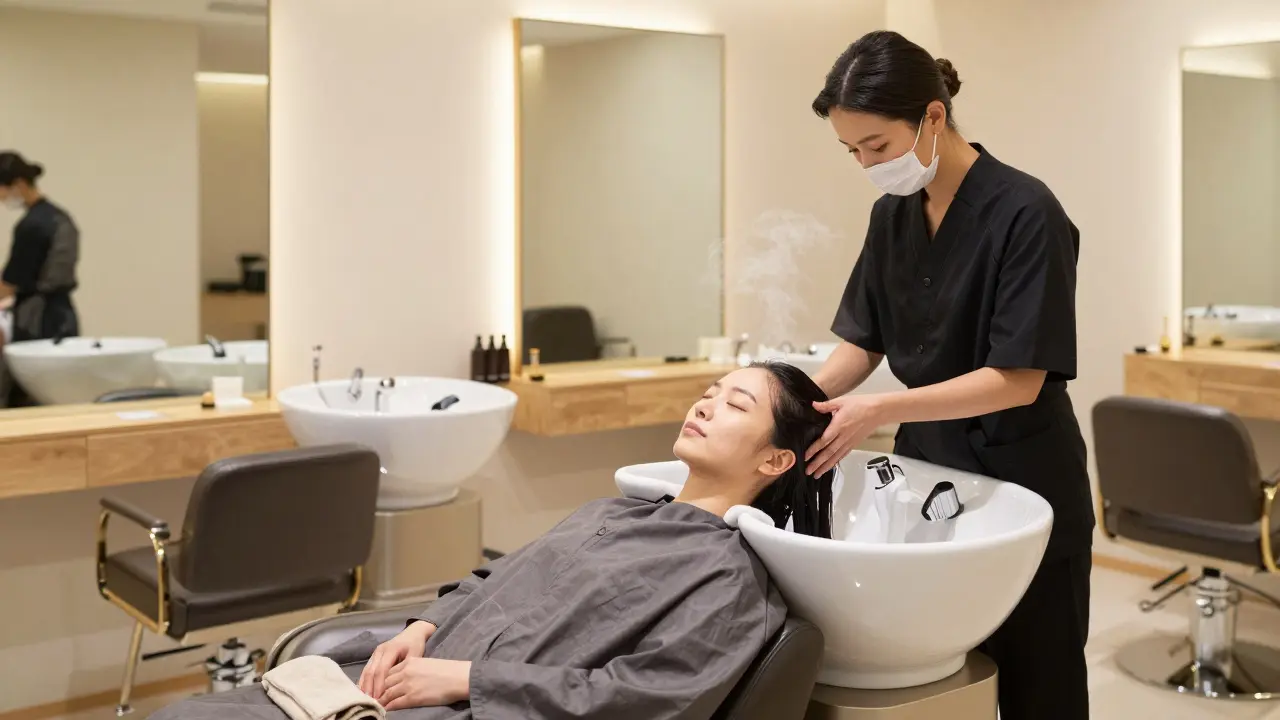
Walking into a hair salon in Japan can feel like stepping into a different world. The service is impeccable, the shampoo chairs are ergonomic wonders, and the attention to detail is obsessive. But before you sit down, there’s one question on everyone’s mind: how much will this actually cost? If you’re used to grabbing a quick cut for $15 back home, you might be shocked by the price tag in Tokyo or Osaka. On the other hand, if you’re looking for high-end styling, you’ll find that Japan offers some of the best value for premium services globally.
The short answer? A standard haircut in Japan typically ranges from ¥3,000 to ¥8,000 (roughly $20 to $55 USD) for men and women at mid-range salons. However, prices can swing wildly depending on where you go, who cuts your hair, and whether you include treatments like coloring or perming. This guide breaks down exactly what you should expect to pay in 2026, so you don’t get sticker shock when the bill arrives.
Quick Summary: Average Haircut Costs in Japan
- Budget/Chain Salons: ¥1,500 - ¥3,000 ($10-$20). Fast, functional, no frills.
- Mid-Range Salons: ¥4,000 - ¥8,000 ($27-$55). Standard choice for locals; includes wash and basic styling.
- High-End/Luxury Salons: ¥10,000 - ¥20,000+ ($65-$135+). Celebrity stylists, premium products, extended service time.
- Barbershops (Men): ¥3,000 - ¥6,000 ($20-$40). Focus on fades, line-ups, and traditional shaving.
- Tax: All prices listed are usually inclusive of the 10% consumption tax, but always confirm.
Why Are Haircuts in Japan So Expensive?
If you’ve been to a discount chain elsewhere, the idea of paying ¥5,000 for a simple trim seems steep. But here’s the thing: you aren’t just paying for the snip. You’re paying for an experience that includes a thorough consultation, a scalp massage, multiple rinses, and often a blow-dry that leaves your hair magazine-ready.
In Japan, labor costs are high, and salon staff undergo rigorous training. Many stylists work long hours and provide personalized care that feels more like a spa treatment than a utility service. Plus, rent in major cities like Tokyo and Kyoto is astronomical, which gets factored into the pricing. When you compare the quality of the cut and the longevity of the style, many travelers argue it’s worth every yen.
Breaking Down Prices by Salon Type
Not all salons are created equal. Your budget will largely depend on the type of establishment you choose. Here’s a realistic look at the tiers available in 2026.
| Salon Type | Average Price Range (JPY) | Average Price Range (USD) | Best For |
|---|---|---|---|
| Discount Chains (e.g., Mynavi, LIPPS) | ¥1,500 - ¥3,000 | $10 - $20 | Quick trims, students, budget travelers |
| Standard Neighborhood Salons | ¥4,000 - ¥7,000 | $27 - $47 | Daily use, reliable styles, English speakers |
| Premium/Boutique Salons | ¥8,000 - ¥15,000 | $55 - $100 | Special occasions, complex color/cuts |
| Luxury/Celebrity Salons | ¥20,000+ | $135+ | VIP treatment, top-tier stylists |
1. Discount Chain Salons
If you’re traveling on a tight budget, chains like Mynavi is a popular discount salon chain known for fixed low prices and quick service. offer cuts starting around ¥1,980. These places are efficient but fast-paced. You won’t get a lengthy chat or a deep scalp massage. It’s purely transactional. Good for a tidy-up before a flight, but not for a dramatic style change.
2. Mid-Range Salons
This is where most Japanese residents shop. Expect to pay between ¥4,000 and ¥7,000. These salons prioritize customer satisfaction. They’ll spend 15-20 minutes just discussing your hair texture, face shape, and lifestyle. The wash is luxurious, often involving hot towels and scalp massages. If you want a cut that lasts and looks great, this is the sweet spot.
3. High-End and Luxury Salons
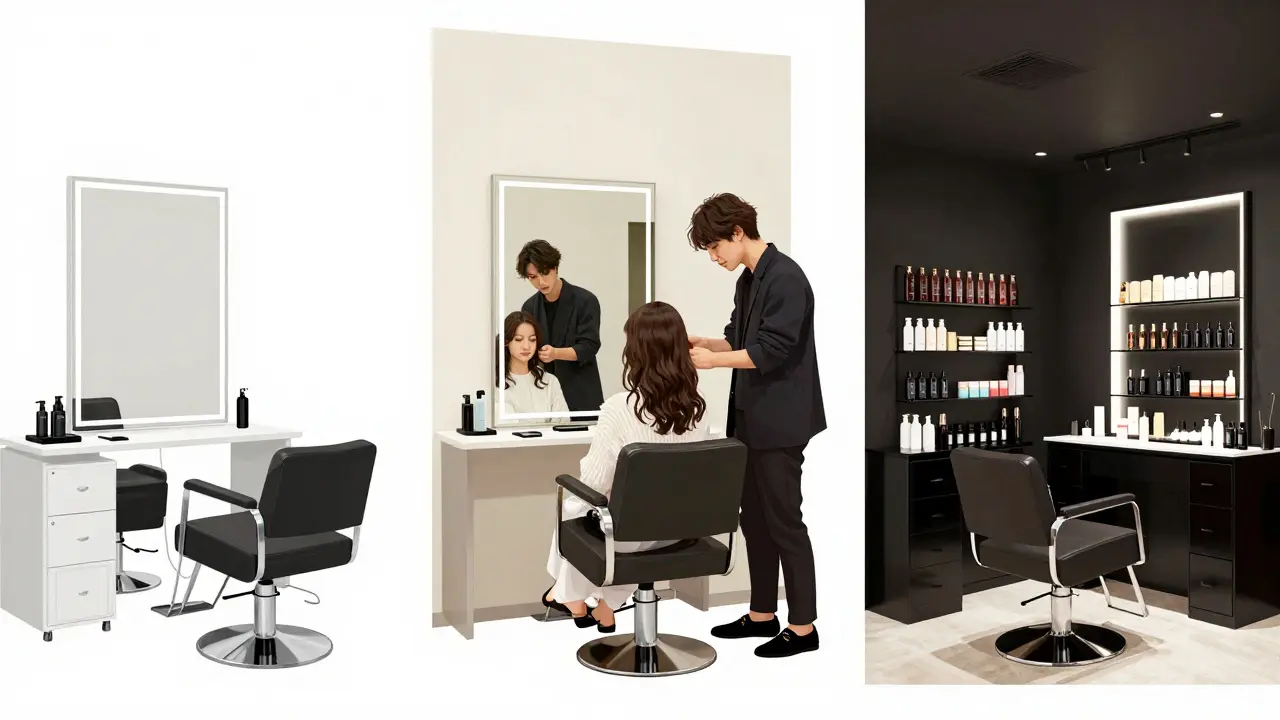
In districts like Ginza, Omotesando, or Shibuya, you’ll find salons catering to celebrities and executives. Prices start at ¥10,000 and can exceed ¥30,000 for master stylists. You’re paying for expertise, exclusivity, and premium products. The environment is quiet, elegant, and highly professional. Booking in advance is essential.
Men vs. Women: What’s the Difference?
Gender plays a role in pricing, though the gap has narrowed slightly in recent years. Generally, women’s haircuts cost more due to the complexity of layering, longer drying times, and the expectation of more elaborate styling.
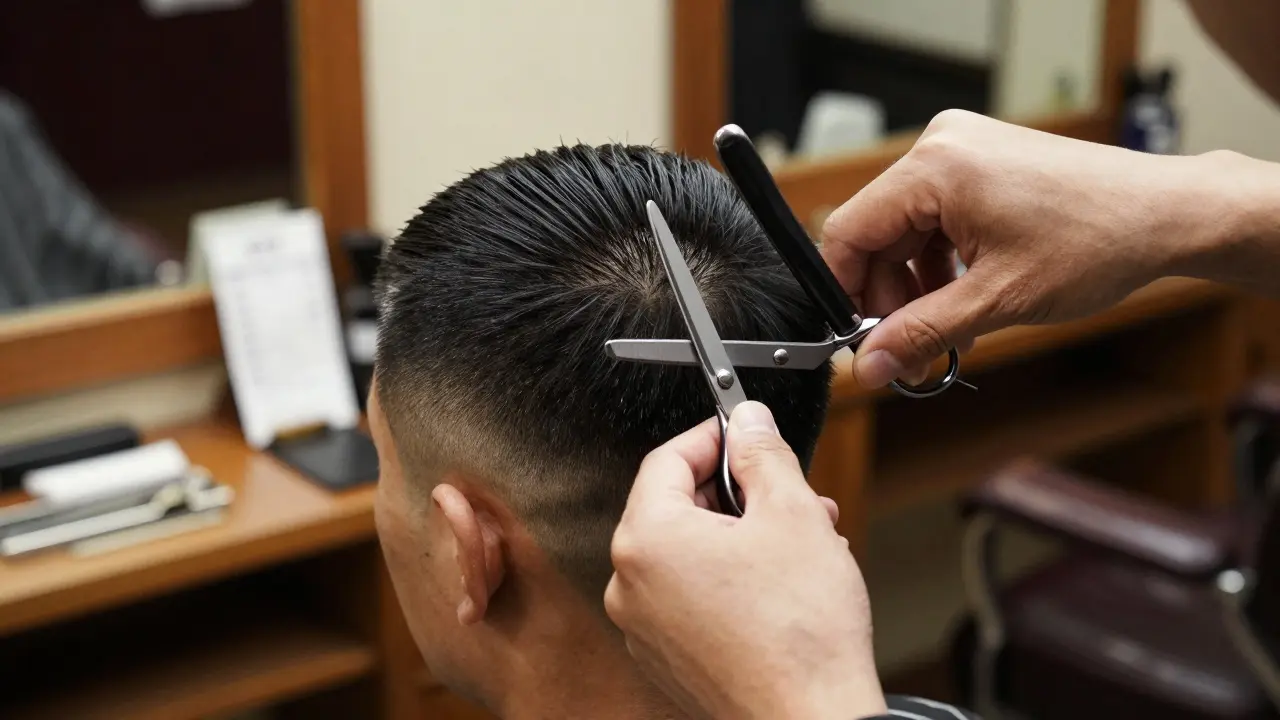
- Men’s Cuts: Typically range from ¥3,000 to ¥6,000 at standard salons. Barbershops, which specialize in short back-and-sides, fades, and straight razor shaves, charge similar rates. Some modern unisex salons have flat rates regardless of gender.
- Women’s Cuts: Usually start at ¥4,500 and go up to ¥8,000+. If your hair is very long or thick, some salons add a “long hair” surcharge of ¥1,000-¥2,000.
Hidden Costs and Add-Ons to Watch For
The base price rarely covers everything. Here’s what else might appear on your receipt:
- Coloring: Single-process color adds ¥5,000-¥10,000. Balayage or highlights can push the total past ¥20,000.
- Perming: Digital perms or curl perms range from ¥8,000 to ¥15,000.
- Treatments: Keratin or moisture treatments add ¥3,000-¥6,000.
- Long Hair Surcharge: As mentioned, if your hair falls below the collarbone, expect an extra fee.
- Tip Culture: Tipping is not expected in Japan. In fact, it can sometimes confuse staff. Great service is standard, not something you pay extra for.
How to Find Affordable Yet Quality Salons
You don’t need to break the bank to get a great cut. Here are some pro tips for navigating the Japanese salon scene:
- Use Online Platforms: Websites like Hot Pepper Beauty is Japan's leading online booking platform for beauty salons, offering reviews and first-time discounts. allow you to filter by price, location, and language support. Many salons offer “first-time visitor” discounts of 20-30% to attract new clients.
- Look for “English OK” Signs: Communication barriers can lead to misunderstandings. Salons with English-speaking staff or translation apps readily available save you stress. Look for icons on their website or Google Maps listing.
- Avoid Peak Hours: Weekday mornings or early afternoons are less crowded. Some salons may offer slight discounts or more attentive service during off-peak times.
- Check Student Discounts: If you’re a student, carry your ID. Many university-area salons offer reduced rates.
Regional Differences: Tokyo vs. Rural Areas
Location matters. Tokyo, Osaka, and Kyoto are the most expensive hubs. A haircut in rural Shikoku or Hokkaido might cost 20-30% less. However, the quality remains high. In smaller towns, salons are community-focused, and you might get even more personalized attention despite the lower price.
Frequently Asked Questions
Do I need to make a reservation for a haircut in Japan?
For high-end and popular mid-range salons, yes, reservations are highly recommended. Walk-ins are accepted at discount chains and smaller neighborhood shops, but you might wait. Always book ahead if you have a specific stylist in mind.
Is tipping expected in Japanese hair salons?
No, tipping is not part of Japanese culture. The price you see is the final price. Leaving cash on the table can cause confusion. If you had an exceptional experience, a verbal thank you or a return visit is the best compliment.
Can I get a haircut in Japan if I don’t speak Japanese?
Absolutely. Many salons in tourist areas and larger cities have English-speaking staff. Even if they don’t, bringing photos of desired styles works universally. Apps like Hot Pepper Beauty often list English-friendly salons.
What payment methods do salons accept?
Most salons accept credit cards, IC cards (like Suica or Pasmo), and cash. However, some smaller, traditional shops may prefer cash. It’s wise to carry some yen just in case.
Are there any hidden fees I should watch out for?
Watch for “long hair” surcharges, product upsells, and additional costs for coloring or perming. Always ask for a total estimate before starting the service. Reputable salons will provide a clear breakdown.
How long does a typical haircut appointment take?
A standard haircut with wash and dry takes about 60-90 minutes. At luxury salons, expect 2 hours or more. Discount chains may finish in 30-45 minutes. Plan accordingly if you have a tight schedule.