
When you bleach your hair and then dye it with permanent color, you're asking a lot from your strands. The question isn't just how long the color lasts-it's why it fades so fast compared to natural hair. The answer lies in the damage, the chemistry, and the daily habits you might not even realize are working against you.
Why Bleached Hair Fades Faster
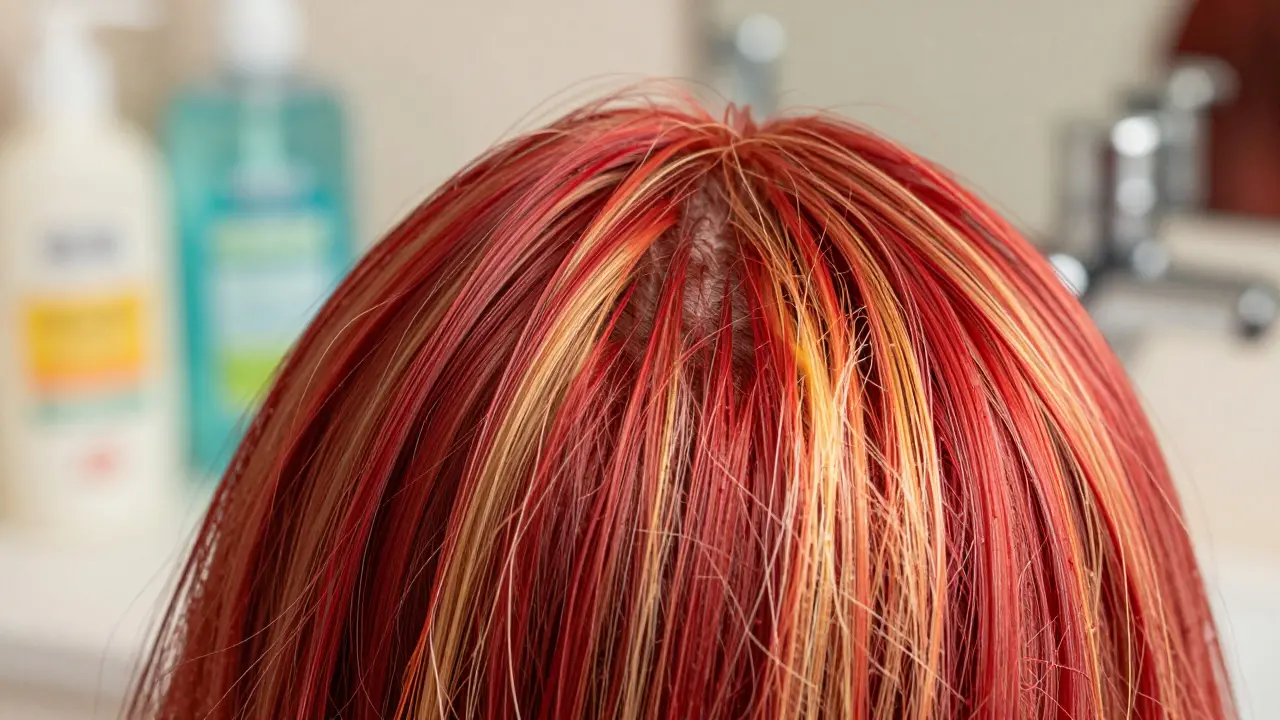
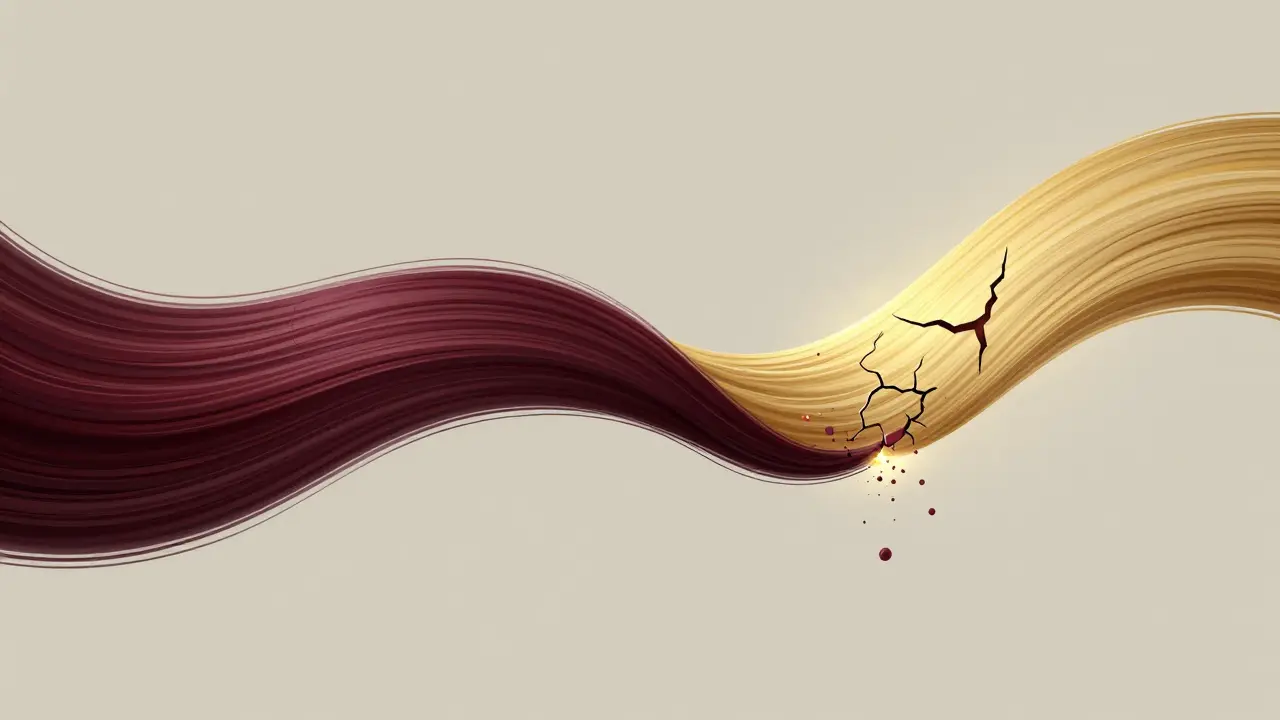
Bleached hair is porous. That means it’s full of tiny gaps and cracks in the cuticle layer, like a sponge that’s been squeezed too many times. When you dye it, the color molecules rush in easily-but they also slip right back out. Permanent dye doesn’t just sit on top like a stain; it tries to penetrate deep into the cortex. But with bleached hair, the cortex is already weakened. The pigment doesn’t lock in the way it does on healthy hair.That’s why you might notice your vibrant red or ash blonde turning muddy or brassy within weeks. It’s not the dye failing-it’s your hair’s structure failing to hold onto it. The more your hair was bleached, the more porous it became. If you went from dark brown to platinum in one session, you’re looking at a hair strand that’s been stripped of its natural protective layer. That’s a recipe for fast fading.
How Long Until You Notice Fading?
On average, permanent dye on bleached hair starts looking dull or off between 4 and 8 weeks. But this isn’t a fixed number. Some people see color loss in under 3 weeks. Others keep vibrancy for 10 or even 12 weeks. The difference? It all comes down to four big factors: your hair’s condition, the dye color you chose, your washing habits, and environmental exposure.Let’s break them down.
Color Choice Matters More Than You Think
Not all permanent dyes fade the same. The size and structure of the pigment molecules determine how deeply they can anchor into your hair.- Reds, oranges, and coppers fade fastest. Their pigment molecules are large and bulky. They can’t sink deep into the cortex, so they sit closer to the surface-and wash out with every shower.
- Blacks, mahogany, and deep browns last longer. These pigments are smaller and more stable. They penetrate deeper and cling tighter, even in porous hair.
- Pastels and vivid tones (like lavender, mint, or electric blue) are the most fragile. They’re often semi-permanent or require toners to stay true. On bleached hair, they can vanish in as little as 2 weeks without daily upkeep.
If you want your color to stick, go darker. A rich burgundy or espresso brown will outlast a fiery red by weeks, even on the same strand of bleached hair.
Your Hair’s Texture Plays a Role
Fine hair has a thinner cuticle layer. That means color escapes faster. If you have thin, silky strands, expect to touch up every 4 to 5 weeks.Coarse hair? It’s got a thicker cuticle that acts like a shield. Color stays locked in longer-sometimes up to 10 weeks. But here’s the catch: coarse hair also tends to be drier after bleaching. Without enough moisture, it gets brittle and breaks, which makes color loss even worse.
So even if your hair is thick, if it’s damaged, it’s still going to fade faster than healthy coarse hair. Condition is more important than texture.
Washing Habits Are Your Biggest Enemy
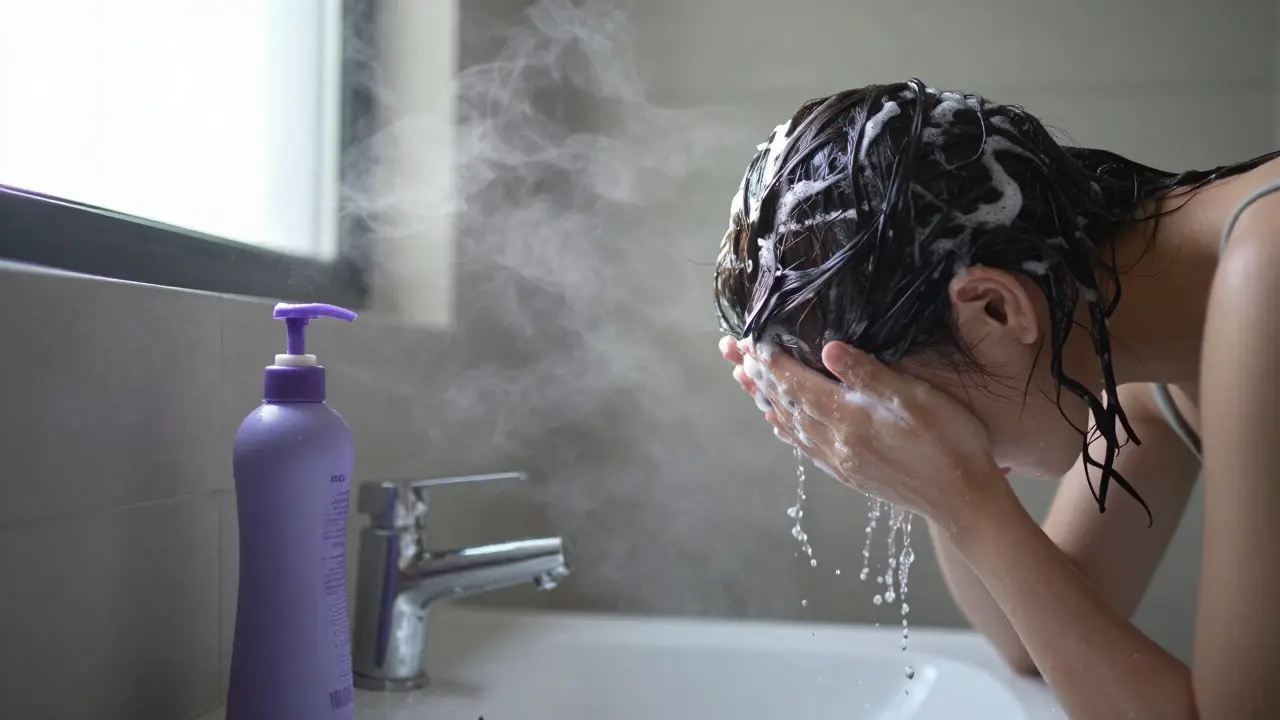
Every time you wash your hair, you’re rinsing away a little bit of color. It’s inevitable. But some habits speed it up dramatically.- Sulfate shampoos strip color like a power washer. If you’re still using a regular clarifying shampoo, you’re asking for trouble.
- Hot water opens the cuticle wide, letting pigment pour out. Switch to lukewarm or cool water-your color will thank you.
- Washing too often (daily or every other day) is a color killer. Try to stretch washes to every 3-4 days. Use dry shampoo in between if you need to.
- Hard water deposits minerals like calcium and iron on your hair. These can make your color look dull, orange, or greenish. A shower filter or a chelating shampoo every few weeks can help.
Sun, Heat, and Environmental Damage
UV rays don’t just fade your skin-they fade your hair too. Sunlight breaks down the color molecules the same way it yellows white fabric left outside. If you spend a lot of time outdoors without protection, your color will fade faster, especially on the ends.Heat styling? Flat irons, curling wands, and blow dryers on high heat cause micro-damage to the cuticle. That damage creates more gaps for color to escape. If you style daily, you’re accelerating fading by 2-3 weeks.
Even chlorine from pools and salt from the ocean can alter your color. Rinse your hair with fresh water before and after swimming. Use a leave-in conditioner with UV filters.
How to Make Your Color Last Longer
You can’t stop fading completely-but you can slow it down by a lot.- Use color-safe shampoo and conditioner. Look for sulfate-free formulas labeled for dyed or bleached hair. Brands like Olaplex, Redken, and Pureology have lines designed for this.
- Deep condition weekly. Bleached hair needs moisture more than protein. Use a hydrating mask with ingredients like shea butter, argan oil, or ceramides.
- Try a color-depositing conditioner. These are like a daily color top-up. A purple conditioner for blonde hair, or a red one for copper tones, can refresh your shade between salon visits.
- Rinse with cold water. It seals the cuticle and locks in pigment. It might feel uncomfortable, but it’s worth it.
- Limit heat styling. Use heat protectant every time. Lower your tool settings. Give your hair at least one heat-free day per week.
- Protect from sun. Wear a hat or use a spray with UV filters. Even a light mist can make a difference.
When Should You Touch Up?
There’s no one-size-fits-all answer. If you have dark roots growing in against bright blonde, you might need a touch-up at 4 weeks. But if you did a balayage or ombre with a shade close to your natural color, you can wait 8-10 weeks.Here’s a simple rule: if you can see a clear line of difference between your roots and the dyed part, it’s time. If the color still looks vibrant and blended, wait.
And remember: don’t re-dye immediately after bleaching. Wait at least two weeks. Your hair needs time to recover. Reapplying dye too soon can lead to breakage, uneven color, or even hair loss.
What Happens When the Color Fades?
On bleached hair, fading doesn’t mean going back to your natural color. It usually turns brassy, yellow, or muddy. That’s because the toner (the pigment that neutralizes yellow) washes out first. What’s left behind is the underlying pigment your bleach couldn’t fully remove.If your color turns orange, you need a toner-not another dye job. A purple or blue toning shampoo can neutralize the warmth without damaging your hair further.
Trying to re-dye over faded, brassy hair often leads to darker, duller results. That’s why many people end up with a muddy brown instead of the bright color they wanted. The fix? Toning, not more dye.
Final Reality Check
Permanent dye on bleached hair will fade. There’s no magic product that stops it entirely. But with smart care, you can stretch it out by weeks-and avoid the costly, damaging cycle of constant re-dyeing.Think of it like this: bleached hair is already on life support. Permanent dye is a temporary patch. The real long-term solution? Healthy hair. Focus on hydration, protection, and patience. Your color-and your strands-will last longer for it.