
Have you ever looked in the mirror after a fresh wax or shave and felt like your skin lost its shine? It’s a common worry. We want smooth skin, but we don’t want it to look tired or rough. The short answer is that waxing and shaving themselves do not make your skin biologically dull. However, the way you do it-and what you do afterward-can definitely strip your skin of its natural glow.
Let’s break down why this happens. Your skin has a protective layer called the stratum corneum. This layer holds moisture and reflects light, giving you that healthy "glow." When you remove hair, you are physically disturbing this layer. If you’re too harsh, you cause micro-trauma. This leads to dryness, redness, and a matte appearance that looks like dullness.
The Science Behind the Shine (and the Loss of It)
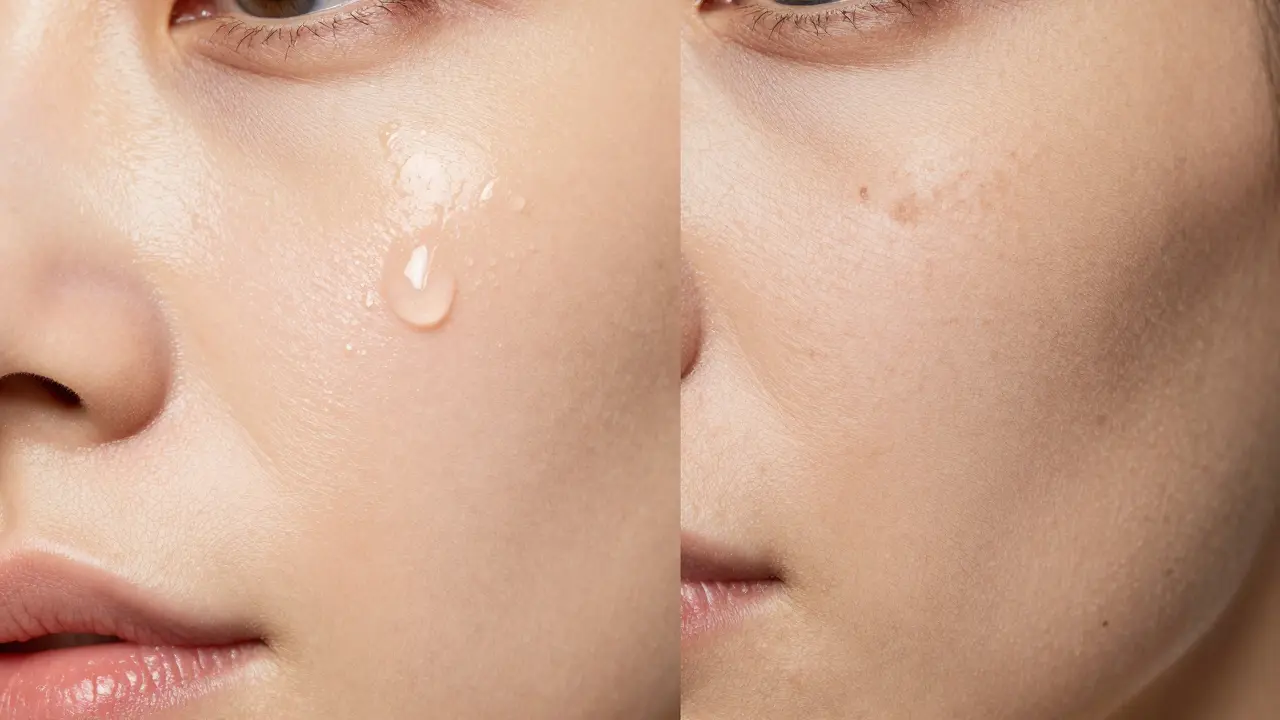
To understand why skin looks dull, you have to look at how light hits your face. Healthy skin is hydrated. Water molecules in the outer layer of skin refract light, creating a reflection. When skin is dehydrated, those flat cells lie unevenly. Light scatters instead of reflecting. You see a matte, grayish tone instead of a bright one.
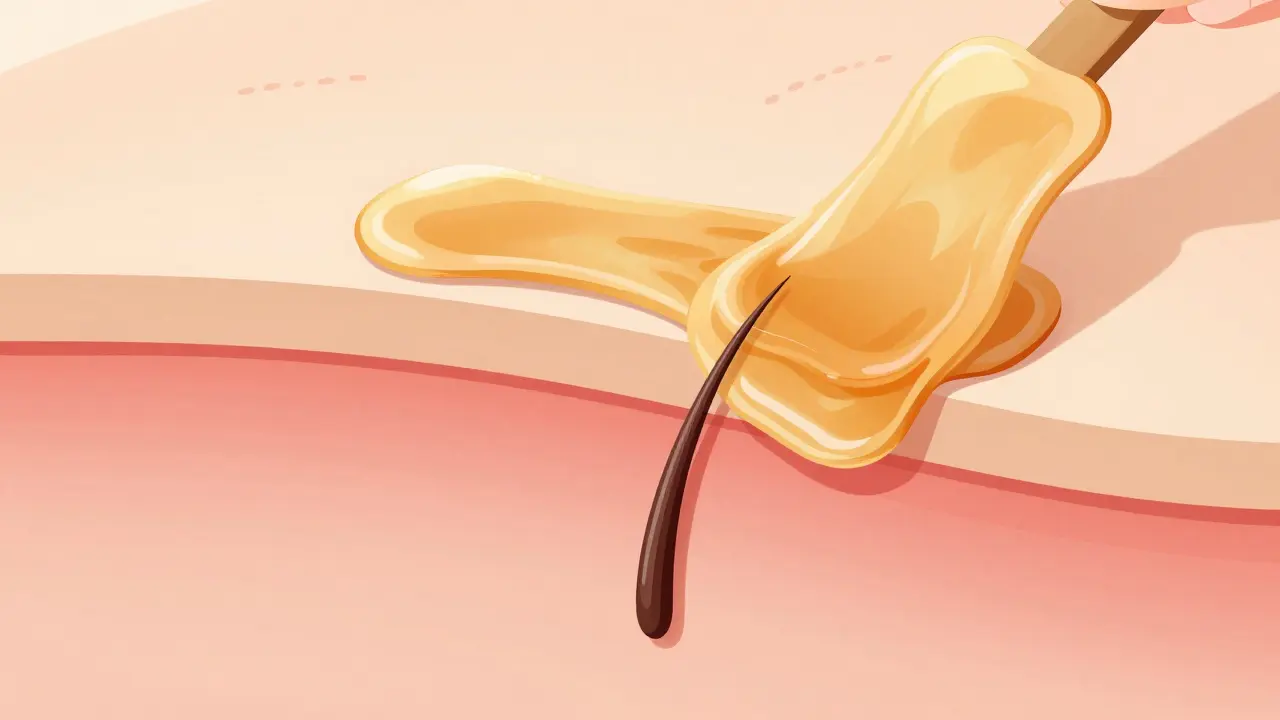
Waxing is a hair removal method that pulls hair from the root using heated or cold resin. Because it removes the hair bulb, it exfoliates the top layer of dead skin cells. On paper, this should make skin brighter. In reality, if the wax is pulled too quickly or applied incorrectly, it can tear off healthy skin cells along with the hair. This is called epidermal lifting. It causes inflammation. Inflamed skin produces less oil temporarily and loses moisture rapidly. That loss of moisture is what creates the dull look.
Shaving is a surface-level hair removal technique using a blade to cut hair at the skin line. Shaving acts as a physical exfoliant. It scrapes away dead skin cells. But it also nicks the living skin. Even if you don’t see blood, you create microscopic tears. These tears allow water to evaporate faster. Dry skin equals dull skin. Additionally, shaving often leaves tiny stubble beneath the surface. This texture can catch shadows on your face, making skin look uneven and less radiant.
Why Eyebrow Waxing Needs Special Care
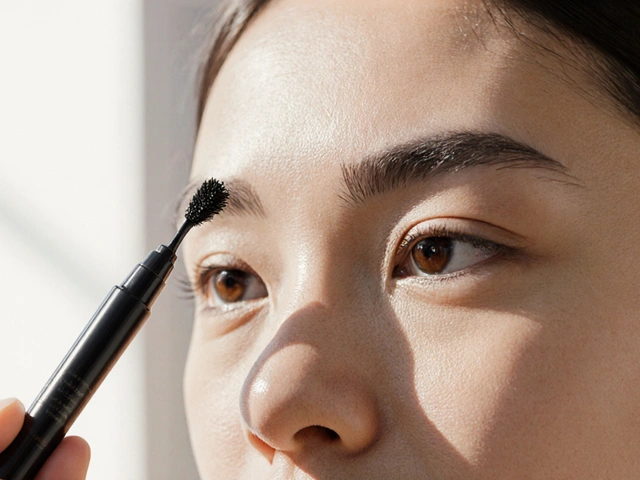
You mentioned eyebrow waxing specifically. The skin around your eyes is different from the rest of your body. It is thinner. It has fewer oil glands. This means it dries out much faster than your legs or arms. When you buy an eyebrow wax kit from a store like Walmart, you are getting products designed for general use. They might be too strong for the delicate eye area.
Many commercial waxes contain rosin or high-heat components. If these sit on thin skin too long, they cause thermal stress. Thermal stress damages the lipid barrier. The lipid barrier is your skin’s wall against moisture loss. Break that wall, and your skin looks parched within hours. This is why people often feel their brow bone looks "ashy" after a bad wax job.
Also, consider the angle. Eyebrows follow the curve of the brow bone. Pulling wax against the grain on a curved surface creates uneven tension. Some areas get over-exfoliated. Others get missed. Over-exfoliated areas become red and flaky. Flakes scatter light poorly. Result: dull patches right above your eyes.
The Real Culprits: Products and Technique
It’s rarely the hair removal itself that kills your glow. It’s the supporting cast. Let’s look at three common mistakes that lead to dull skin.
- Using Alcohol-Based Toners: Many people apply toner after shaving or waxing to "close pores." Most toners contain alcohol. Alcohol strips natural oils. Without oils, skin cannot reflect light well. Skip the alcohol. Use a hydrating mist instead.
- Skipping Moisture: After hair removal, your skin is thirsty. If you don’t apply a moisturizer within ten minutes, water escapes. Look for ingredients like hyaluronic acid or ceramides. These hold water in the skin. Hydrated skin bounces light back to your eyes.
- Ignoring Sun Protection: Freshly waxed or shaved skin is sensitive to UV rays. Sun exposure causes hyperpigmentation. Dark spots absorb light rather than reflect it. This makes skin look sallow and dull. Always wear SPF 30 or higher after hair removal.
| Factor | Waxing | Shaving |
|---|---|---|
| Exfoliation Level | High (removes dead skin cells) | Medium (scrapes surface) |
| Risk of Micro-Tears | Low (if done correctly) | High (blade friction) |
| Dryness Potential | Medium (oil stripping) | High (barrier disruption) |
| Immediate Glow | Bright (due to exfoliation) | Matte (due to dehydration) |
| Best For Sensitive Skin | No (use sugar wax) | Yes (with proper prep) |
How to Keep Your Skin Glowing After Hair Removal
You can prevent dullness by changing your routine. Here is a simple plan that works for both face and body.
Prep with Oil: Before you wax or shave, apply a thin layer of oil. For waxing, use a pre-wax oil. It protects the skin from sticking too hard. For shaving, use a shaving gel with aloe vera. This reduces friction. Less friction means less irritation. Less irritation means more glow.
Cool Down Immediately: After removing hair, your skin is inflamed. Heat increases redness and dryness. Apply a cool compress. Or use a product with cucumber extract or chamomile. These calm the skin. Calm skin retains moisture better.
Hydrate Deeply: Within five minutes, apply a rich moisturizer. Look for shea butter or jojoba oil. These mimic your skin’s natural sebum. They seal in hydration. Sealed hydration creates a smooth surface. A smooth surface reflects light evenly.
Avoid Active Ingredients: For 48 hours after waxing or shaving, skip retinol, glycolic acid, or salicylic acid. These acids exfoliate chemically. Your skin is already physically exfoliated. Adding chemical exfoliation causes peeling. Peeling skin looks rough and dull. Wait until your skin heals.
Natural Remedies for Post-Removal Radiance
If your skin already looks dull, you can bring the glow back naturally. You don’t need expensive treatments. Simple ingredients work best because they soothe without irritating.
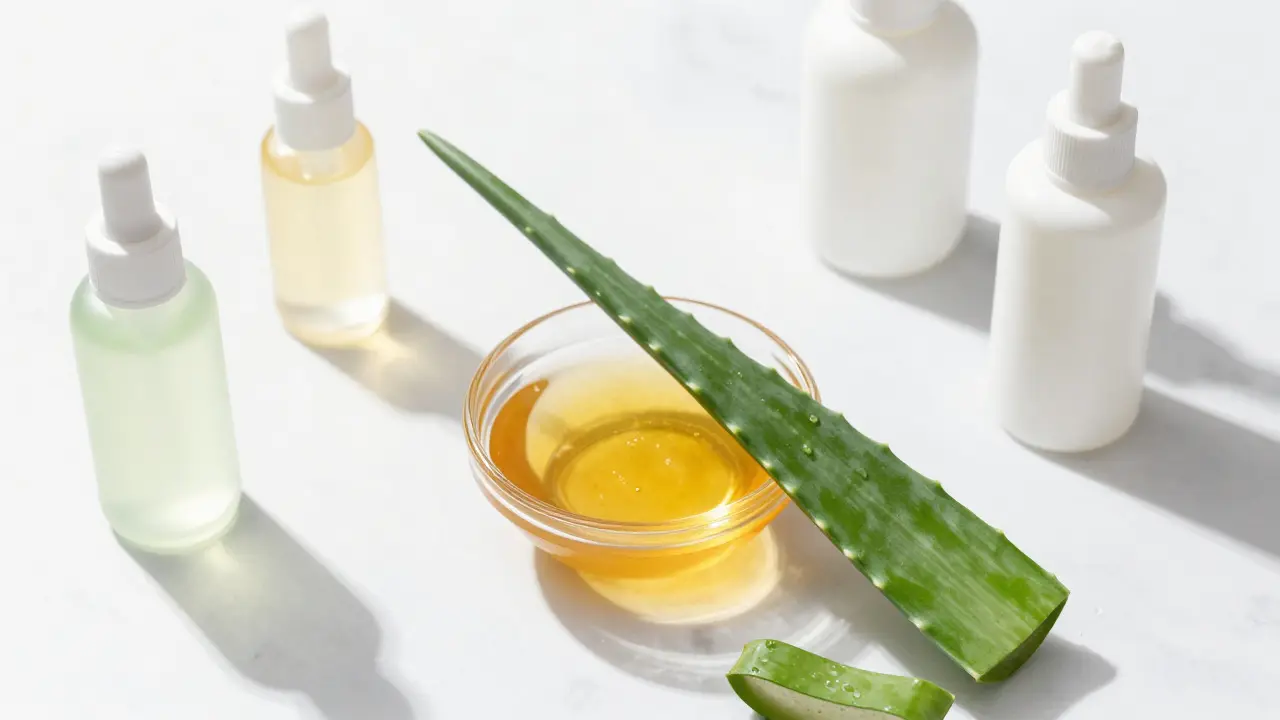
- Honey: Raw honey is humectant. It draws moisture into the skin. It also has antibacterial properties. This prevents clogged pores. Clogged pores make skin look gray. Honey keeps them clear and bright.
- Aloe Vera: Pure aloe gel cools inflammation. It contains polysaccharides that boost collagen. Collagen improves skin elasticity. Elastic skin looks firmer and more reflective.
- Vitamin C Serum: Once your skin is no longer sensitive, use vitamin C. It brightens dark spots. It also boosts collagen production. Brighter skin reflects light better. Just wait a few days after hair removal before applying it.
When to See a Professional
Sometimes, dullness isn’t just about hair removal. If your skin stays matte despite good care, check for other issues. Dehydration from diet or lack of sleep can mimic post-wax dullness. Hormonal changes also affect skin texture. If you notice persistent dryness, patchiness, or redness, consult a dermatologist. They can rule out conditions like eczema or rosacea. Treating the underlying issue will restore your natural shine.
Remember, your skin is resilient. It repairs itself quickly. With the right gentle care, you can enjoy smooth hair-free skin without sacrificing your glow. The key is balance. Remove hair gently. Protect the barrier. Hydrate deeply. Your skin will thank you with a healthy radiance.
Does waxing make hair grow back thicker?
No, waxing does not make hair grow back thicker. This is a myth. Hair grows back with a blunt tip initially, which may feel coarser, but the follicle size remains the same. Over time, regular waxing can weaken follicles, leading to finer regrowth.
How soon can I apply makeup after eyebrow waxing?
Wait at least 24 hours before applying makeup to freshly waxed eyebrows. Pores remain open and sensitive immediately after waxing. Applying makeup too soon can cause clogging, breakouts, and irritation, leading to dull or inflamed skin.
Why does my skin look gray after shaving?
Gray-looking skin after shaving is usually due to dehydration and dead skin cell buildup. Shaving removes the top layer of skin, disrupting moisture retention. Use a hydrating moisturizer and avoid alcohol-based products to restore brightness.
Is sugar wax better for sensitive skin than traditional wax?
Yes, sugar wax is generally gentler. It adheres to hair rather than skin, reducing the risk of epidermal lifting. It is also easier to clean up and less likely to cause allergic reactions, making it ideal for sensitive areas like eyebrows.
Can I use retinol after waxing my face?
No, avoid retinol for at least 48 hours after facial waxing. Retinol accelerates cell turnover, which can irritate freshly exfoliated skin. This leads to peeling, redness, and a dull appearance. Wait until your skin has fully healed.