

Getting your eyebrows done for the first time can feel overwhelming. You’ve probably seen flawless arches on social media, or maybe you’ve tried tweezing at home and ended up with uneven brows that took weeks to grow back. The truth? There’s nothing wrong with letting a professional handle it - especially if you’re starting from scratch. Eyebrow waxing isn’t just about removing hair. It’s about shaping your face, framing your eyes, and making your daily routine easier. Here’s how to walk into a salon, know what to expect, and walk out with brows that actually look like they belong to you.
Start with a Consultation, Not Just a Service
Don’t just walk in and say, "Make them look good." A good technician will ask you questions before they even touch your face. They’ll want to know how you normally groom your brows, if you’ve had any reactions to waxing before, and what kind of look you’re going for - natural, bold, arched, or soft. This isn’t a one-size-fits-all service. Your bone structure, skin tone, and even your hair texture matter. If the salon skips this step, walk out. You’re paying for customization, not a factory reset.
Most places offer a free 5-minute consultation. Use it. Bring a photo of your ideal brow shape if you have one. But don’t copy someone else’s brows exactly. What works on a celebrity with high cheekbones might make your face look unbalanced. A pro should guide you toward what suits your features, not your Instagram feed.
What Happens During Your First Wax?
Here’s the step-by-step breakdown of what you’ll experience:
- Prep: The technician will clean your skin with a gentle toner to remove oils and dirt. This helps the wax stick to hair, not skin.
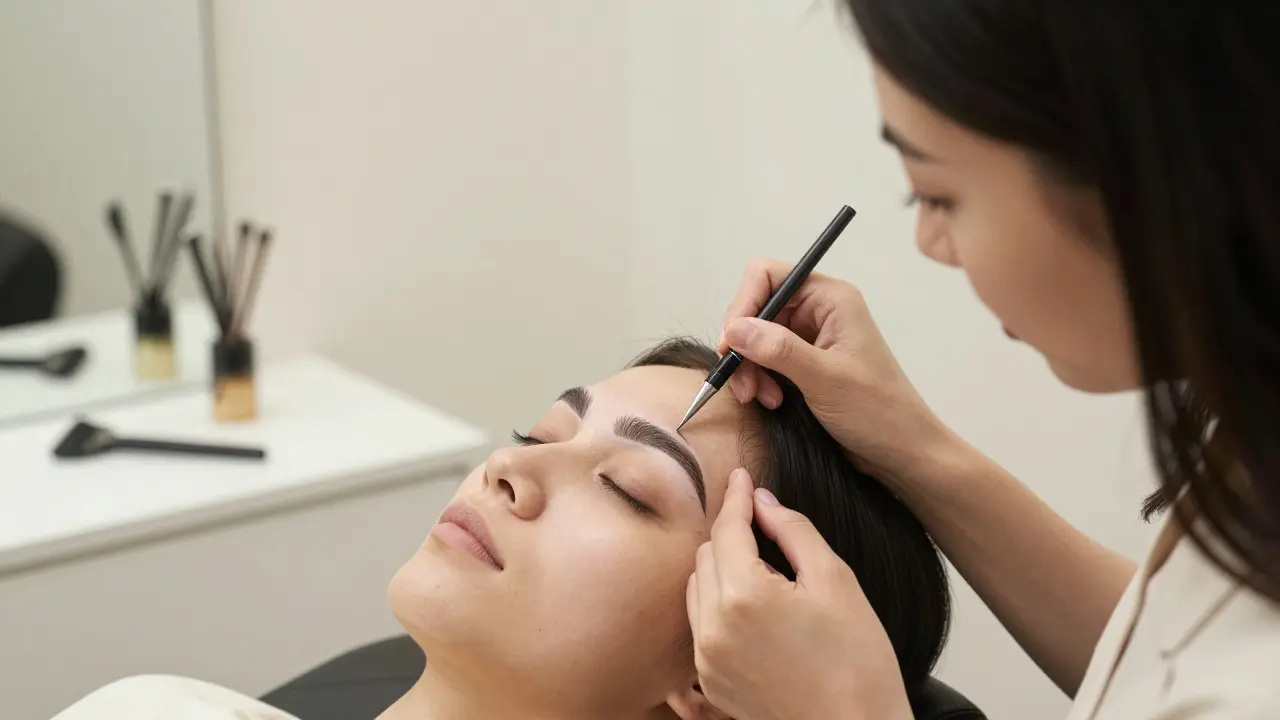
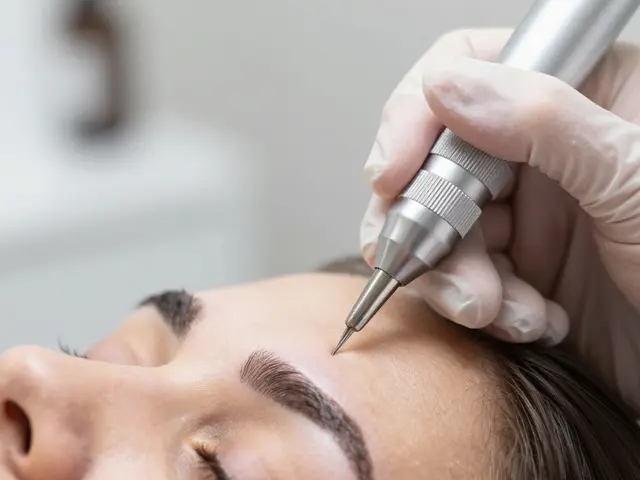
- Mapping: They’ll use a brow pencil or powder to lightly outline the shape they plan to create. This is your chance to say, "Can we make it a little less dramatic?" or "I’d like to keep more hair in the tail."
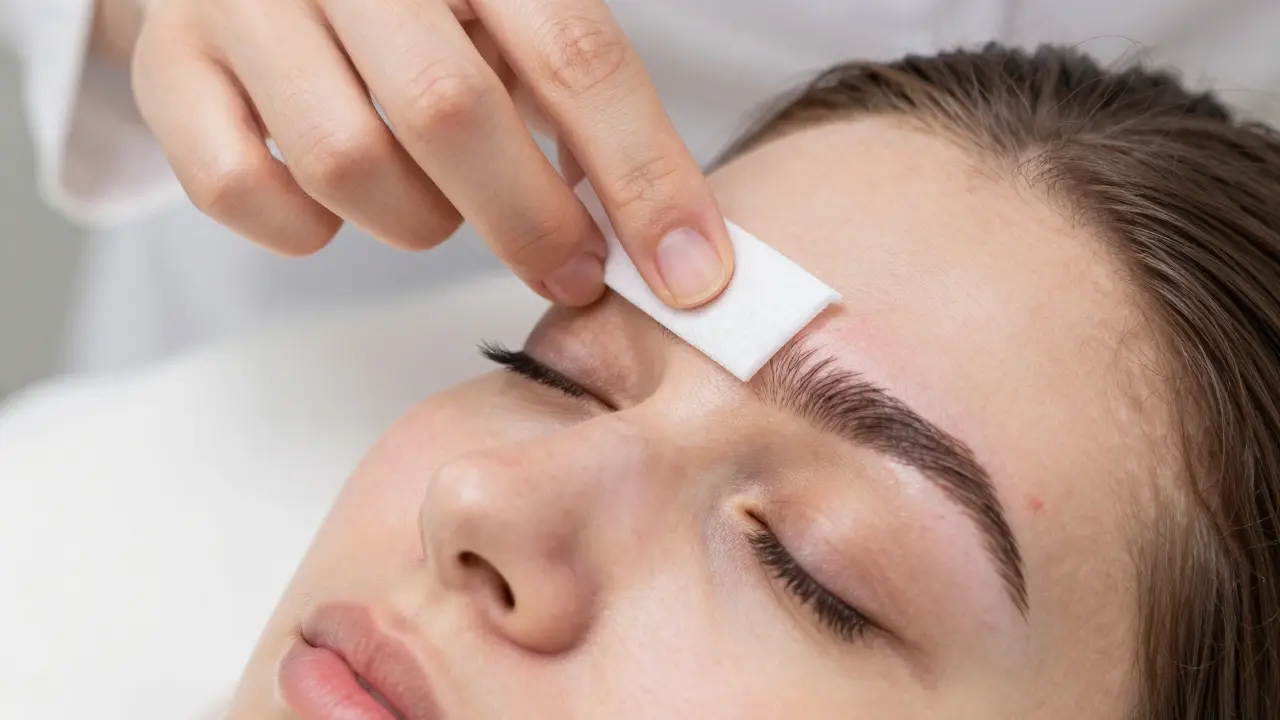
- Waxing: They’ll apply warm, soft wax in thin layers, pressing a cloth strip over it, then pulling quickly in the direction of hair growth. It stings - but only for a second. Most people say it’s less painful than they expected.
- Touch-ups: After the main wax, they’ll tweezing stray hairs you can’t see, like those between your brows or along the tail. This is where the magic happens.
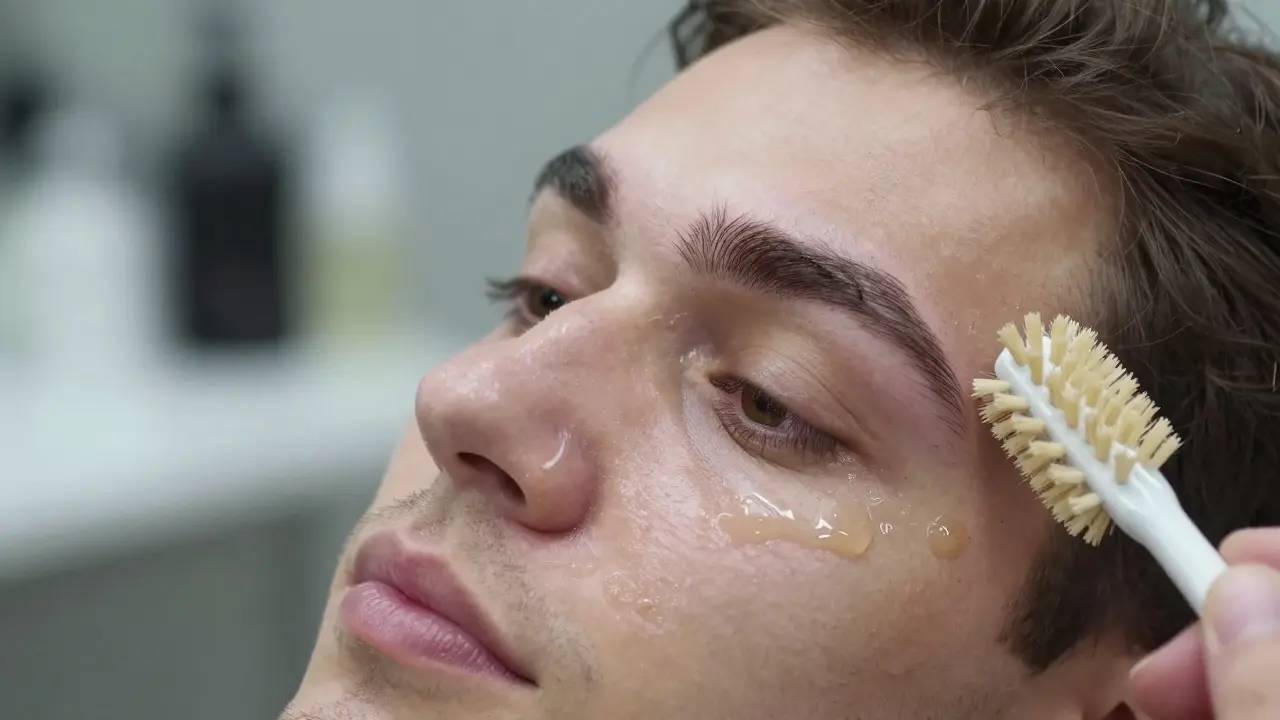
- Soothing: A cool gel or aloe-based lotion goes on to calm redness. You might feel a little tingling, but it fades in 10-15 minutes.
The whole process takes about 15-20 minutes. You’ll be done before you can check your phone.
What to Avoid Before Your Appointment
There are a few things that can make your waxing experience worse - or even painful.
- Don’t exfoliate 24-48 hours before. Your skin is more sensitive after scrubbing. Waxing over irritated skin = more redness and possible bumps.
- Avoid retinoids, AHAs, or BHAs. If you use acne treatments or anti-aging serums, skip them for 3 days before your appointment. These thin your skin and increase irritation risk.
- Don’t shave. Waxing needs hair to be at least 1/4 inch long. If you’ve been shaving, wait 2-3 weeks. If you’ve been tweezing, let it grow out for a full month.
- Don’t drink caffeine or alcohol right before. Both can make your skin more reactive and increase discomfort.
What to Expect Afterward
You’ll probably feel a little tender for the rest of the day. That’s normal. Here’s how to handle it:
- Keep it clean. Avoid touching your brows with dirty hands. Bacteria can cause ingrown hairs.
- Skip makeup for 6-8 hours. Foundation and concealer can clog pores and trap sweat. Let your skin breathe.
- Avoid heat. No saunas, hot yoga, or steam rooms for 24 hours. Heat opens pores and increases swelling.
- Use a soothing product. A fragrance-free aloe gel or tea tree oil serum helps calm redness. Avoid anything with alcohol - it’ll burn.
Redness usually fades within an hour. Some people get tiny bumps - those are normal, too. They’ll disappear in 1-2 days. If you have persistent swelling, itching, or pus, see a dermatologist. That’s not normal.
How Often Should You Get Them Done?
Most people need a touch-up every 3-6 weeks. It depends on your hair growth cycle. If you’re someone who grows hair fast (like many people with darker hair), you might need to go every 3 weeks. If your hair is fine and slow-growing, you could stretch it to 5-6 weeks.
Here’s a simple rule: when you start seeing stubble along the bottom edge of your brow, it’s time to go back. Don’t wait until it looks messy. That’s when you risk over-waxing and losing shape.
Home Maintenance Between Sessions
You don’t need to do anything between appointments - but if you want to keep your brows looking neat, here’s what you can do:
- Tweeze stray hairs. Only remove hairs that are clearly outside your natural shape. Don’t try to reshape - leave that to the pro.
- Brush them daily. Use a clean spoolie to comb your brows upward. It helps you see where hairs are growing out of place.
- Don’t over-tweeze the tail. The tail of your brow is delicate. Remove one hair at a time. You can’t grow it back.
Never use a razor. It makes hair grow back thicker and darker. And never wax at home - especially for the first time. At-home kits are risky. You can’t see your own brow shape clearly, and pulling wax on your face without training leads to uneven brows or worse - skin damage.
Common Mistakes First-Timers Make
Here’s what goes wrong when people don’t know what they’re doing:
- Asking for "arched brows" without knowing what that means. There’s no universal arch. Your arch should sit above the outer edge of your iris. A pro will show you where it should be.
- Trying to match a celebrity’s brows. Your face is unique. What looks perfect on someone else might look unnatural on you.
- Going too soon after a previous wax. Waxing every 2 weeks is too frequent. It weakens hair follicles and can lead to thinning over time.
- Not telling the technician about allergies. If you’re allergic to beeswax or have sensitive skin, say so. Some salons use hard wax, which is gentler.
What to Ask Before Booking
Not all salons are created equal. Ask these questions before you commit:
- "Do you use hard wax or soft wax?" Hard wax is better for sensitive skin. It grips hair without sticking to skin.
- "Are your tools single-use?" They should use fresh strips each time. Reused strips = bacteria risk.
- "Do you offer a patch test?" Especially if you have reactive skin. A small test area avoids full-face irritation.
- "How long have you been doing brows?" Look for someone with at least 2 years of experience. Brow shaping is an art.
Good technicians will be happy to answer all of this. If they seem annoyed or vague, find someone else.
Final Tip: Give It Time
Your first brow wax might not be perfect. That’s okay. Your brows might look too thin at first. Or maybe they’re too sharp. But give them a week to settle. Hair grows back slowly, and your face will adjust. You’ll start to notice how much easier your morning routine is. No more tweezing in the bathroom mirror. No more smudged brow pencil. Just clean, natural-looking brows that frame your face without effort.
After your first session, you’ll know exactly what you like. Next time, you’ll walk in with confidence. And that’s the real win.
Does eyebrow waxing hurt?
Yes, it stings - but only for a second. Most people describe it as a quick pinch, like ripping off a Band-Aid. The pain fades fast, and most say it’s less intense than they expected. Hard wax is gentler than soft wax, especially for sensitive skin. If you’re nervous, ask for a patch test on your wrist first.
How long do eyebrows last after waxing?
Typically, your brows will stay smooth for 3 to 6 weeks. It depends on your hair growth cycle. People with darker, coarser hair usually need a touch-up every 3-4 weeks. Those with finer hair can go 5-6 weeks. When you start seeing stubble along the bottom edge of your brow, it’s time to go back.
Can I wax my eyebrows at home?
You can, but it’s not recommended for first-timers. At-home kits lack precision, and it’s easy to remove too much hair. You can’t see your own brow shape clearly, and mistakes take weeks to grow back. Most people who try it end up with uneven brows or skin irritation. Save DIY for maintenance between salon visits - not your first session.
What’s the difference between waxing and threading?
Waxing removes hair in larger sections using warm wax and cloth strips. It’s faster and better for dense hair. Threading uses a twisted cotton thread to pluck hairs one by one. It’s more precise and better for sensitive skin, but takes longer. Both are effective. Waxing is more common in the U.S., while threading is popular in South Asia and the Middle East. Try both if you’re unsure - your skin type and hair texture will tell you which one suits you.
Will my eyebrows grow back thicker after waxing?
No. This is a myth. Waxing removes hair from the root, and over time, it can actually make hair finer and sparser. It doesn’t change the thickness of new hair growth. Shaving, on the other hand, can make hair feel stubbly because it cuts hair at the surface. But waxing? It doesn’t alter hair texture - it just removes it cleanly.
Can I get my brows waxed if I have acne or sensitive skin?
Yes - but be careful. If you have active breakouts on your brow area, wait until they heal. Waxing over pimples can spread bacteria and cause more breakouts. If you have sensitive skin, ask for hard wax, which is gentler and less likely to pull on skin. Avoid waxing if you’re using retinoids, chemical peels, or isotretinoin - these make your skin more fragile. Always do a patch test first.



Teja kumar Baliga
February 22, 2026 AT 14:55Been doing my brows for years, and honestly? Waxing changed my life. No more tweezing in the dark while scrolling TikTok. Just walk in, chill for 20 mins, walk out looking like a polished human. My mom used to thread mine in Mumbai - felt like a tiny needle dance - but waxing? Faster, cleaner, less drama. Also, hard wax for sensitive skin. Trust me.
Fredda Freyer
February 22, 2026 AT 20:51There’s something deeply human about the way we obsess over our brows - it’s not vanity, it’s identity. We shape them to match the version of ourselves we want the world to see. That consultation isn’t just about symmetry - it’s a quiet conversation between your face and your confidence. A good technician doesn’t just remove hair - they help you recognize your own architecture. And yeah, it’s weirdly emotional when you see the result for the first time.
Alan Crierie
February 24, 2026 AT 01:03Just had my first wax last week 😊 and I’m still stunned. I went in thinking I’d get "the perfect arch" like Instagram, but the tech asked me what I wanted to feel - "natural? bold? soft?" - and I said "like I woke up like this." She drew a shape that looked nothing like celebrities, and now I look like me. Just… better. Also, no caffeine before. Big mistake last time. Felt like my face was on fire. Lesson learned.
Tiffany Ho
February 25, 2026 AT 20:41I tried waxing at home once and it was a disaster. I lost half my tail and cried for a week. Just go to a pro. Seriously. Worth every penny.
k arnold
February 26, 2026 AT 09:21Wow so much text for "get your eyebrows waxed"? Can we just admit this is just another $$$ beauty scam? You’re paying someone to do what you could do with tweezers and a mirror. Also, why is everyone acting like this is life-changing? It’s hair. On your face. Chill.
Gareth Hobbs
February 28, 2026 AT 04:56Waxing?? In this day and age?? You people are being manipulated by salons. The government knows waxing weakens follicles long-term - that’s why they push it. Threading is the real deal. And don’t even get me started on "hard wax" - that’s just soft wax with a fancy name. Also, why do they always use "you" like you’re a child? I’m not your customer, I’m a citizen.
Aryan Gupta
February 28, 2026 AT 14:16Waxing? Are you kidding? That’s just chemical slavery. The wax? Probably laced with microchips. And the "consultation"? That’s how they collect biometric data. I’ve been threading since 2012. No wax. No lies. No government trackers. Also, your "aesthetic"? It’s a corporate construct. Your brows should be wild. Free. Untamed. Like nature intended.
Zelda Breach
March 1, 2026 AT 12:47"Don’t drink caffeine before"? Really? And yet the salon serves you espresso while you’re lying there with your face half-waxed. Hypocrisy. Also, "hard wax is gentler" - sure, if you think 170-degree wax is "gentle." You’re not getting a spa. You’re getting a temporary hair removal tattoo. And why are you so scared of your own hair? Just leave it. Let it live.
Nicholas Zeitler
March 1, 2026 AT 19:05Just wanna say - this guide is PERFECT. Every single point. Especially the "don’t copy celebrity brows" part. I did that once. Looked like a startled owl. Now I go to the same technician every 4 weeks. She knows my face better than my therapist. And yes - the first time felt weird. The second time? Like coming home. Also - don’t skip the patch test. I did. Regret. Every. Single. Second.