
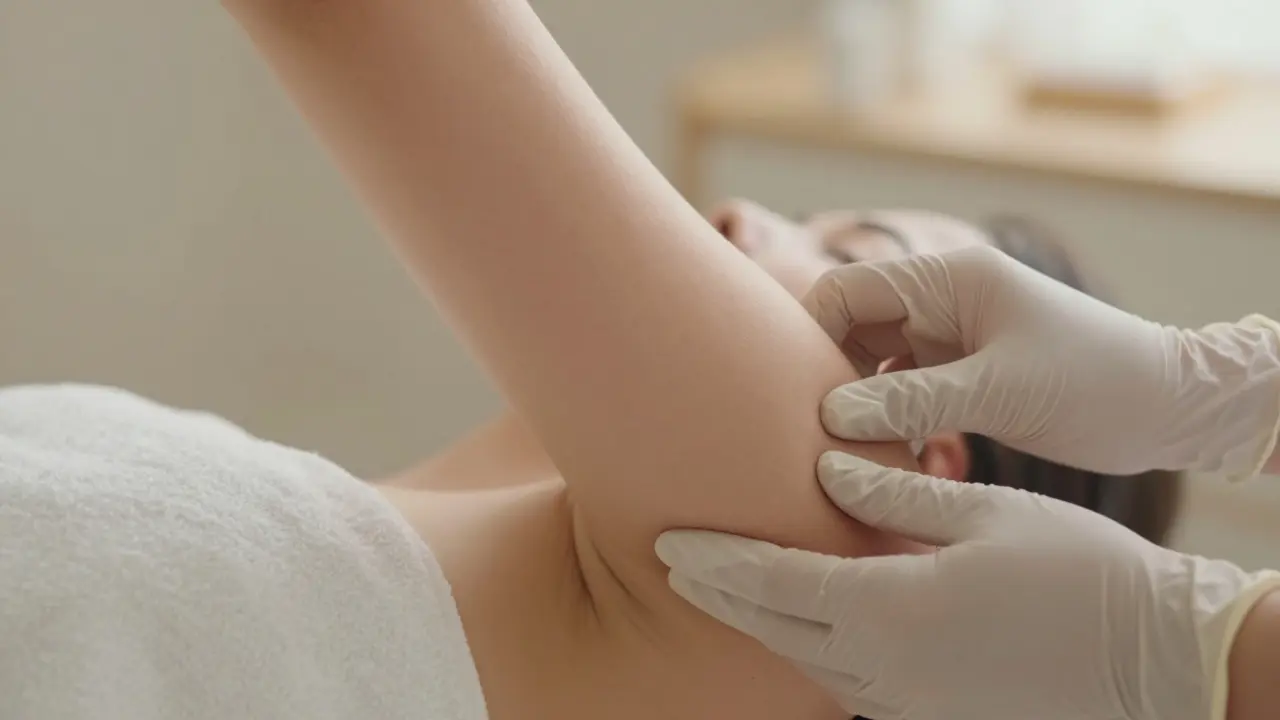
Picture this: You’re sitting on the edge of a massage table, arms raised, waiting for that strip to rip off. Your heart races. You hold your breath. Then-*yank*. The sting hits instantly. If you’ve ever wondered whether underarm waxing is worth the wince, you are not alone. For many people, the idea of pulling hair out from one of the most sensitive parts of the body sounds like a recipe for disaster.
The short answer? Yes, it hurts. But it doesn’t have to be unbearable. In fact, most people find that after the first few sessions, the pain drops significantly. The key lies in understanding why it hurts, how to prep your skin, and exactly what to do when the esthetician pulls that strip. Let’s break down the reality of armpit hair removal so you can walk into that appointment (or open that at-home kit) with confidence, not dread.
Why Do Underarms Feel More Sensitive Than Other Areas?
To understand the pain, you have to look at the anatomy. Your underarms are packed with nerve endings. This area sits right next to major lymph nodes and blood vessels, which means your skin there is thinner and more reactive than the skin on your legs or back. When you wax, you aren't just removing hair; you are physically ripping the follicle out of the dermis. That action sends a sharp signal straight to those nerves.
Compare this to leg waxing. On your shins, the skin is thicker, and the hairs are often finer. In the armpit, the hair tends to be coarser and grows in multiple directions because of the way we move our arms throughout the day. This chaotic growth pattern requires the wax to adhere tightly and pull firmly, increasing the intensity of the sensation.
| Body Area | Skin Thickness | Hair Coarseness | Pain Level (1-10) |
|---|---|---|---|
| Legs | Thick | Fine to Medium | 3-4 |
| Bikini Line | Thin | Coarse | 7-8 |
| Underarms | Very Thin | Coarse/Uneven | 6-8 |
| Face/Eyebrows | Thin | Fine | 5-6 |
It is also worth noting that sweat glands live here. While waxing doesn't remove the glands themselves, the friction and heat can irritate the surrounding tissue if the skin isn't properly prepped. This is why some people feel a burning sensation rather than just a sharp sting immediately after the service.
The Hair Growth Cycle: Why Timing Matters
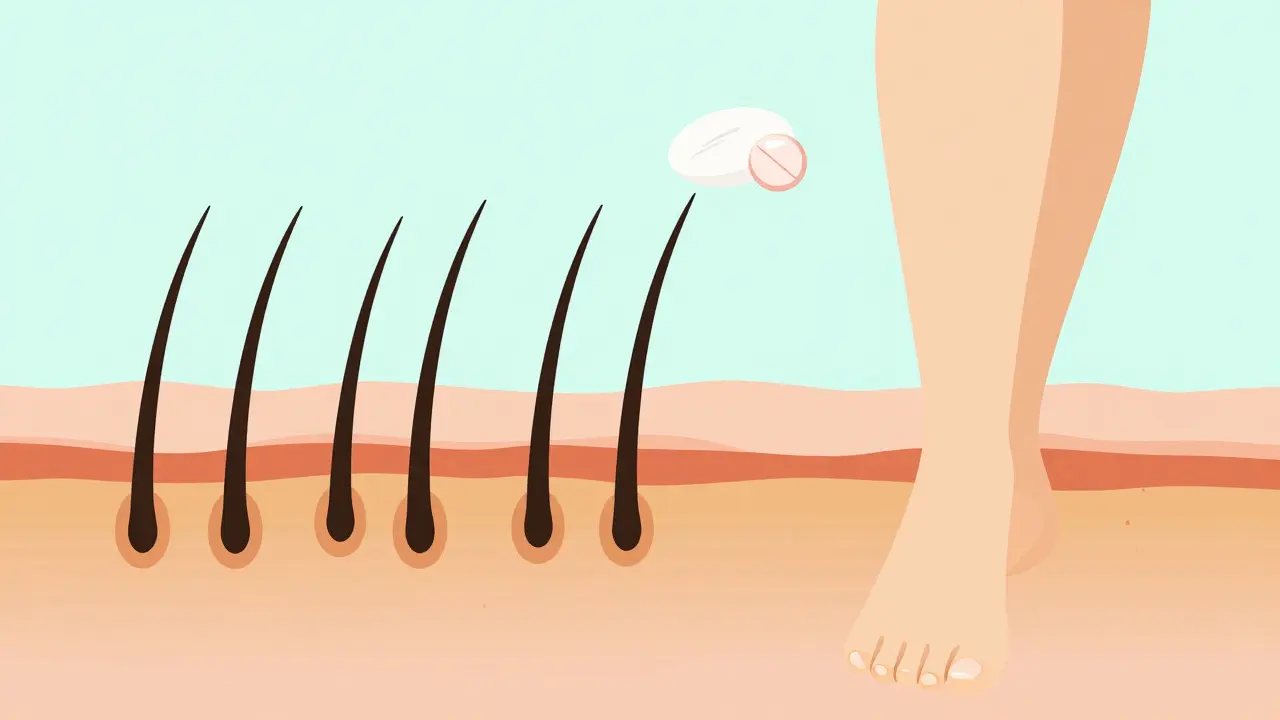
If you wax too soon after shaving, you are setting yourself up for failure and extra pain. Hair grows in three distinct phases: Anagen (active growth), Catagen (transitional), and Telogen (resting). Waxing only works effectively on hair in the Anagen phase because that is when the hair is firmly rooted in the follicle.
If you shave regularly, most of your hair is in the Telogen or early Anagen phase. It hasn't grown long enough for the wax to grab onto securely. This leads to broken hairs instead of removed roots. Broken hairs cause ingrown hairs later, which are painful, red, and unsightly. To get a clean wax, your hair needs to be about a quarter-inch long, roughly the length of a grain of rice. This usually takes two to four weeks of growth after shaving.
Patience is your best friend here. If you try to wax stubble, the esthetician will likely refuse the service, or worse, they will struggle to remove it, causing more trauma to your skin. Waiting for that full quarter-inch ensures the wax grabs the entire shaft, resulting in smoother skin and less overall discomfort per session.
How to Prep Your Skin to Minimize Pain
You can actually control a significant portion of the pain experience before you even step into the salon. Preparation starts days before your appointment, not minutes before.
- Exfoliate gently: Two days before your wax, use a mild scrub or a dry brush on your underarms. This removes dead skin cells that can trap hairs and prevent the wax from adhering properly. However, avoid harsh scrubs 24 hours before the appointment, as this can sensitize the skin.
- Skip the deodorant: On the day of your wax, do not apply deodorant or antiperspirant. Aluminum-based products can clog pores and increase irritation when mixed with hot wax. Clean, dry skin is the goal.
- Take an anti-inflammatory: If you know you are sensitive, taking an over-the-counter ibuprofen 30 to 60 minutes before your appointment can help reduce inflammation and dull the pain response slightly. Just make sure you have no medical contraindications for NSAIDs.
- Avoid caffeine: Caffeine constricts blood vessels and can make your nervous system more reactive. Skip the morning latte before your appointment to keep your pain threshold higher.
If you are doing this at home using a hard wax a type of wax that hardens on the skin and is removed without strips, ideal for sensitive areas, ensure the temperature is tested on your inner wrist first. Hard wax is generally less painful than soft wax because it adheres to the hair, not the skin, reducing the tugging sensation.
During the Appointment: Techniques to Reduce Discomfort
When the esthetician is ready, communication is vital. Tell them if you are a first-timer or if you have low pain tolerance. A good professional will adjust their technique accordingly.
One simple trick is to tense your muscles. It sounds counterintuitive-you want to relax, right? But if you let your arm go limp, the skin stretches and snaps back, which increases the sting. Instead, gently press your elbow against your side or flex your bicep slightly. This stabilizes the skin and gives the wax something solid to pull against, reducing the shock to the nerve endings.
Breathing is another critical factor. Do not hold your breath. Holding your breath tenses your whole body and heightens anxiety. Instead, take a deep inhale through your nose, and exhale sharply through your mouth as the strip is pulled. This rhythmic breathing helps distract your brain from the pain signal.
Also, ask the esthetician to pull the strip parallel to the skin, not upwards. Pulling upwards stretches the skin excessively and can lead to bruising or lifting of the top layer of skin, especially in older clients or those using retinoids.
Aftercare: Preventing Ingrowns and Redness
The job isn't done when the last strip comes off. The next 48 hours are crucial for healing. Your pores are open, and your skin is inflamed. Treating it poorly now can lead to bumps, infections, or dark spots.
- No heat for 24 hours: Avoid hot showers, saunas, steam rooms, and intense workouts that cause heavy sweating. Heat opens pores further and introduces bacteria, leading to folliculitis (infected hair follicles).
- Wear loose clothing: Tight sleeves or synthetic fabrics rub against the freshly waxed skin, causing friction and irritation. Opt for cotton and loose fits for the first day.
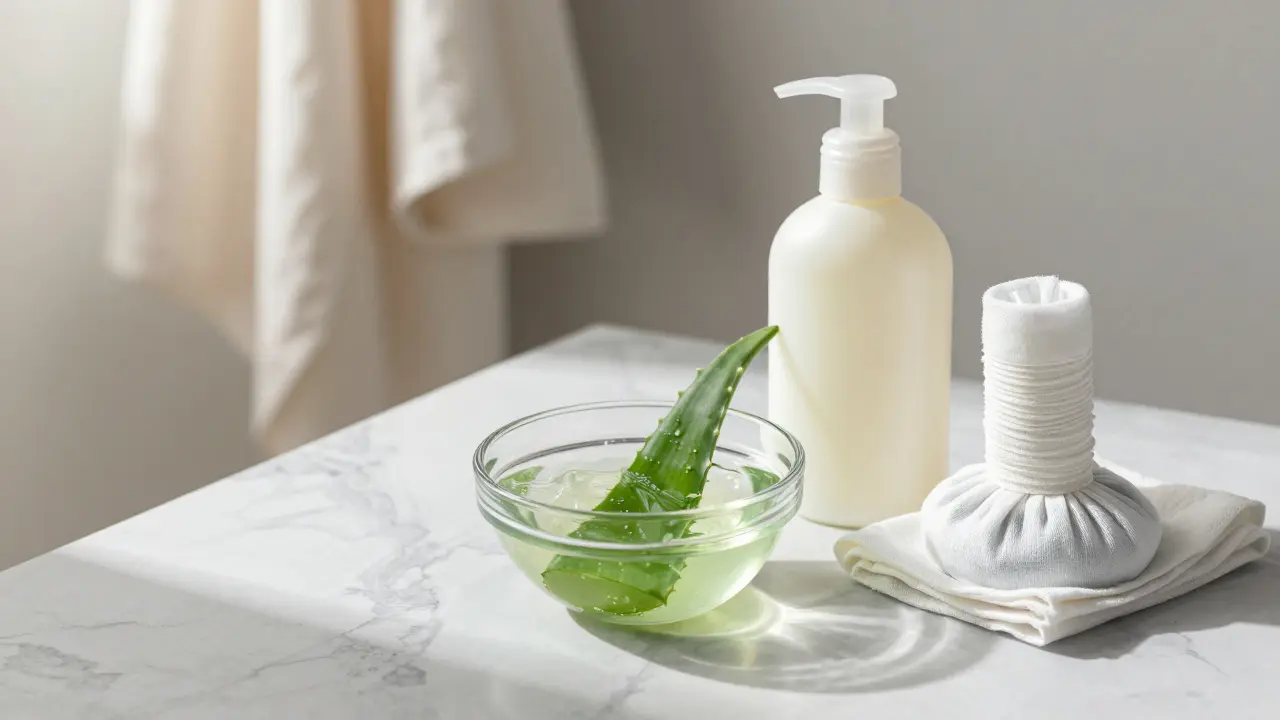
- Soothe the skin: Apply aloe vera gel or a post-wax lotion containing chamomile or tea tree oil. These ingredients calm inflammation and have natural antibacterial properties. Avoid lotions with alcohol, fragrance, or heavy perfumes.
- Delay exfoliation: Wait at least 48 hours before exfoliating again. Once you start, gentle chemical exfoliants like salicylic acid or glycolic acid are better than physical scrubs for preventing ingrown hairs in the underarm area.
If you notice small red bumps, don't panic. This is normal inflammation. However, if you see pus-filled pimples or excessive swelling, contact a dermatologist, as this could indicate an infection.
At-Home vs. Salon: Which Is Less Painful?
Many people consider switching to at-home waxing kits to save money and avoid the embarrassment of being watched. But is it less painful? Not necessarily. In fact, it can be more painful if you lack technique.
In a salon, professionals work quickly and efficiently. They know exactly how much wax to apply and the precise angle to pull. At home, you might hesitate, reapply wax, or pull at the wrong angle, which causes repeated trauma to the same area. Plus, looking in a mirror while twisting your arm behind your back makes it difficult to see what you are doing, leading to missed spots or accidental burns.
That said, if you are determined to wax at home, invest in a high-quality hard wax kit designed for sensitive areas. Soft wax requires cloth strips, which can be messy and harder to control in the underarm crease. Hard wax shrinks as it cools, allowing you to lift it off by the edge without needing a strip. This method is generally gentler on the skin and reduces the risk of lifting the epidermis.
How long does the pain last after underarm waxing?
The sharp stinging sensation usually subsides within 15 to 30 minutes after the appointment. However, a dull ache or sensitivity may persist for 24 to 48 hours. Applying cool compresses and soothing lotions can speed up this recovery process.
Can I wax my underarms if I have sensitive skin?
Yes, but you need to take extra precautions. Use a hard wax specifically formulated for sensitive skin, avoid waxing during your menstrual cycle when pain sensitivity is higher, and always patch test new products. If you have eczema or psoriasis in the area, consult a dermatologist first, as waxing can trigger flare-ups.
Does underarm hair grow back thicker after waxing?
No, this is a myth. Waxing removes hair from the root, so when it grows back, the tip is blunt rather than tapered, which might make it feel coarser initially. Over time, consistent waxing weakens the hair follicle, leading to finer and sparser regrowth.
How often should I wax my underarms?
Most people need to wax every 3 to 4 weeks. This aligns with the hair growth cycle, ensuring that the majority of hairs are in the active growth phase and long enough to be removed effectively. Waxing too frequently can damage the skin and lead to increased sensitivity.
Is laser hair removal a better alternative for underarms?
Laser hair removal offers long-term reduction and is generally less painful than repeated waxing sessions once you get past the initial treatments. However, it requires multiple sessions and is more expensive upfront. Waxing remains a cost-effective option for those who prefer immediate results without a long-term commitment.