You just colored your roots, and two weeks later, you look in the mirror and panic. The gray is back. Worse, it seems like there’s more of it than before. Did you accidentally trigger a chain reaction that made your hair age faster? It’s a fear that keeps many people from coloring their hair at all, convinced that chemicals are somehow poisoning the follicle into giving up pigment prematurely.
Here is the good news: you can stop worrying about that specific scenario. Dyeing your hair does not make it go gray faster. It’s one of the most persistent myths in beauty care, but biology simply doesn’t work that way. What you’re seeing isn’t accelerated aging; it’s an optical illusion created by contrast and growth cycles. Let’s break down why this happens, what actually causes gray hair, and how to manage your color without damaging your strands.
The Biology of Gray Hair: Why It Happens
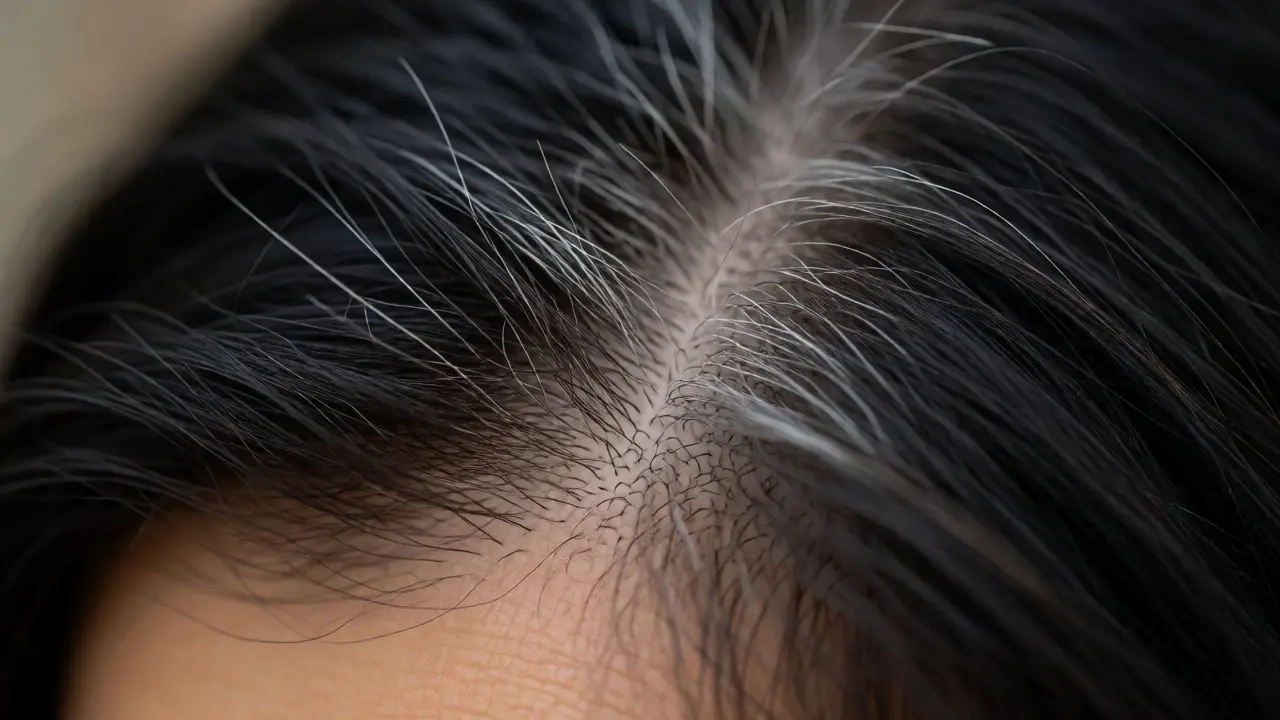
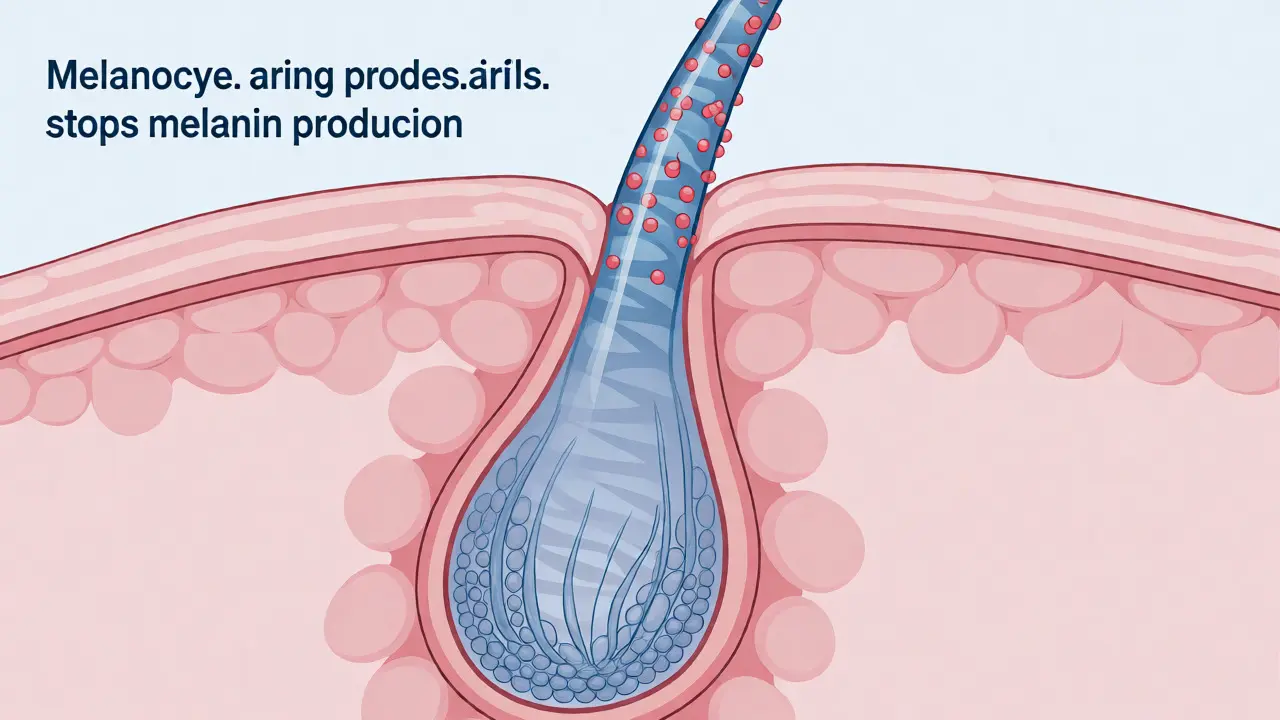
To understand why dye doesn’t cause graying, you have to understand where graying starts. It begins deep inside the hair follicle, specifically with cells called melanocytes. These tiny factories produce melanin, the pigment that gives your hair its natural color. As we age, these melanocytes gradually slow down, stop producing pigment, or die off entirely. When a new strand of hair grows out without melanin, it appears white or gray because of how light reflects off the transparent shaft.
This process is driven primarily by genetics and time. A 2019 review in scientific literature confirms that the reduction of functional melanocyte stem cells is the root cause. External factors like smoking, oxidative stress, and certain nutritional deficiencies can speed this up, but they act on the internal machinery of the follicle. Hair dye, on the other hand, sits mostly on the outside of the hair shaft-the dead part of the hair that has already emerged from the scalp. The chemical reaction happens in the cortex of the existing hair fiber, not in the living factory below the skin. Since the dye never reaches the melanocytes in a way that alters their genetic programming or lifespan, it cannot tell them to quit working sooner.
The Optical Illusion: Why It Looks Like More Gray
If dye doesn’t cause graying, why does it feel like more gray is popping up after you start coloring? The answer lies in visibility and contrast. Before you started dyeing, your gray hairs blended in with your natural color. Maybe you had 30% gray mixed with 70% brown, which looked like a salt-and-pepper blend. Once you apply permanent dark dye, you create a uniform block of color. Then, as your hair grows-about half an inch per month-the new growth comes in gray. Because there is now a sharp line between the dyed lengths and the natural roots, those few millimeters of gray become incredibly conspicuous.
Dermatologist Antonella Tosti notes that coloring or bleaching does not affect graying in any way. However, the maintenance cycle creates a perception shift. When you first start dyeing, you might only visit the salon every six to eight weeks. During that gap, the regrowth becomes obvious. If you were previously ignoring the gradual spread of gray, suddenly focusing on the root line makes it seem like the change happened overnight. It didn’t. You just turned up the contrast dial.
| Factor | Before Dyeing | After Dyeing |
|---|---|---|
| Gray Visibility | Blended with natural color | High contrast against dyed lengths |
| Growth Rate | ~0.5 inches/month (unchanged) | ~0.5 inches/month (unchanged) |
| Follicle Activity | Natural decline in melanin | Natural decline in melanin (unaffected by dye) |
| Perceived Speed | Gradual, often unnoticed | Immediate upon regrowth |
Real Risks: Damage vs. Graying
While dye won’t turn your hair gray, it can definitely damage it. And damaged hair can sometimes mimic the appearance of poor health associated with aging. Permanent dyes use ammonia and hydrogen peroxide to open the hair cuticle and deposit color. This process strips moisture and proteins, leaving strands dry, brittle, and prone to breakage. If your hair breaks off near the root, it might look thinner or patchier, which some people misinterpret as rapid graying or hair loss.
The American Academy of Dermatology warns that chemical treatments can lead to irritant dermatitis or allergic reactions, particularly to ingredients like para-phenylenediamine (PPD). These issues affect the scalp and the texture of the hair, not the pigment production. Bleaching is even harsher. Lightening dark hair to cover gray or achieve a silver look requires strong oxidizers that can severely compromise the hair structure. If you bleach your hair and then see frizz or breakage, that’s structural damage, not biological graying. The follicle is still producing whatever pigment it was programmed to produce; the shaft just looks worse because it’s been chemically stressed.
Choosing the Right Dye for Your Situation
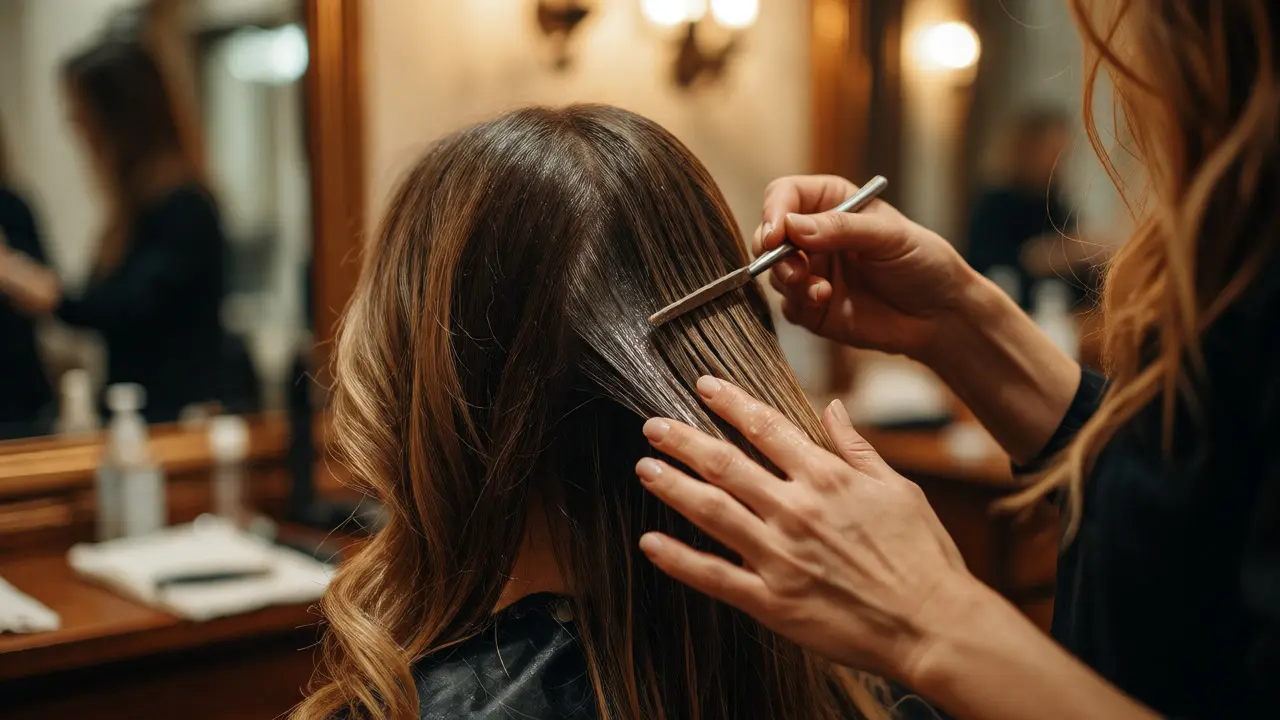
Since the goal is to manage gray hair without unnecessary damage, picking the right product matters. You don’t need to avoid dye, but you should match the method to the amount of gray you have.
- Less than 30% Gray: Consider semi-permanent dyes or glosses. These coat the hair rather than penetrating deeply, causing less damage. They fade gradually, avoiding the harsh root line.
- 30-50% Gray: Demi-permanent colors are a great middle ground. They add tone and blend gray without the commitment or harshness of permanent color.
- Over 50% Gray: Permanent dye is usually necessary for full coverage. Look for formulas with conditioning agents to mitigate dryness. Stick to shades within three levels of your natural color to minimize processing strength.
Pro tip: Space out your touch-ups. The American Academy of Dermatology suggests waiting eight to ten weeks between applications if possible. This gives your scalp time to recover and reduces cumulative exposure to potential allergens.
When to See a Doctor
Most graying is normal. But sudden changes can signal underlying issues. If you notice patches of gray appearing rapidly alongside hair loss, or if graying starts unusually early (before age 20 for White individuals, 25 for Asian individuals, or 30 for Black individuals), consult a dermatologist. Conditions like thyroid disorders, vitamin B12 deficiency, or autoimmune diseases can accelerate pigment loss. In these cases, treating the medical condition might help, though reversing established gray hair is rare. Remember, the dye itself isn’t the culprit here-it’s just highlighting what’s happening biologically.
Can stopping hair dye make my hair gray faster?
No. Stopping dye reveals the gray hair that was already growing out naturally. Many people report that their hair "turned gray overnight" after quitting dye, but this is because the hidden gray roots became visible. The rate of graying is determined by genetics and age, not by whether you are covering it up.
Is bleaching bad for gray hair?
Bleaching can be harsh on gray hair because gray strands are often coarser and more resistant to color uptake. Bleaching removes pigment and can lead to dryness and breakage. If you want a silver look, consider using a toner on pre-lightened hair or choosing a blonde shade designed for gray blending rather than full bleach.
What causes premature graying?
Genetics is the biggest factor. Other contributors include smoking, oxidative stress, UV exposure, and nutritional deficiencies (like Vitamin B12, iron, or copper). Medical conditions such as vitiligo or thyroid issues can also play a role.
How often should I dye my gray roots?
For permanent color, every 4 to 6 weeks is common to maintain full coverage. For demi-permanent or glosses, you might stretch this to 8 to 10 weeks. Extending the time between applications reduces chemical exposure and allows your hair and scalp to recover.
Does henna prevent graying?
Henna coats the hair and provides color, but it does not stop the biological process of graying. It is a cosmetic solution, not a cure. It may be gentler than synthetic dyes, but it will not reactivate melanocytes.