

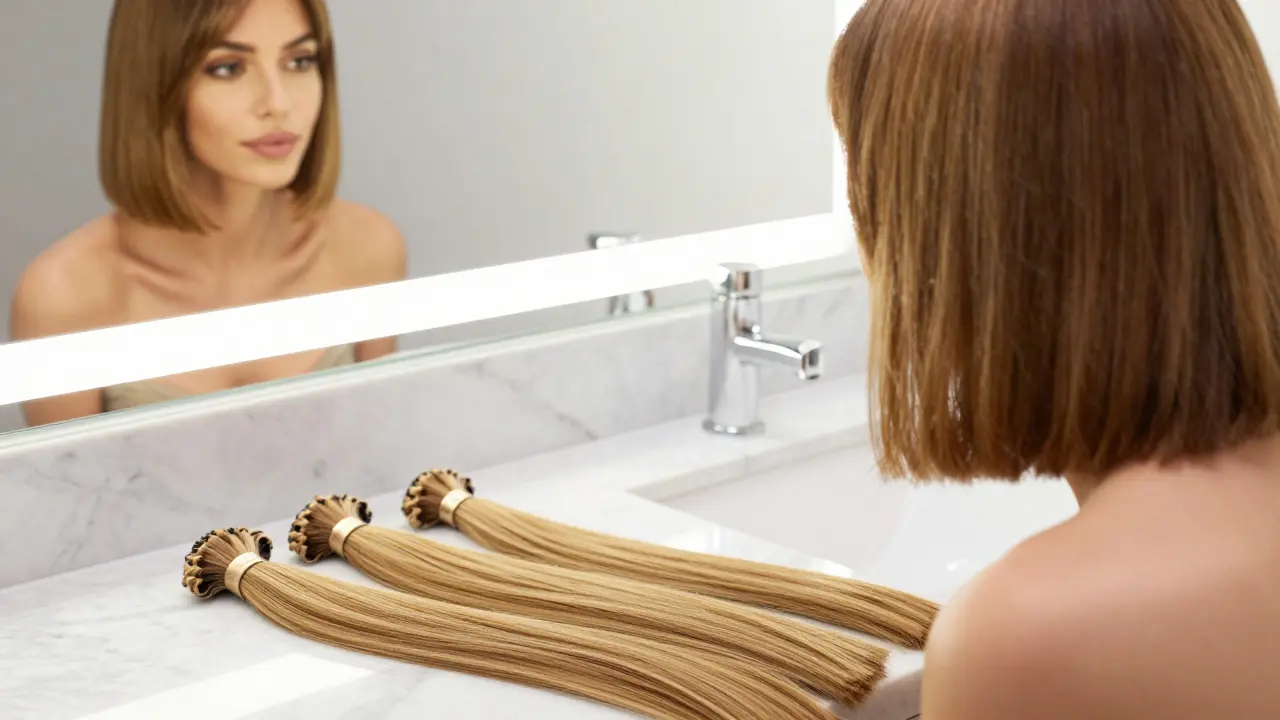
Quick Tips for Short Hair Extensions
- Choose the right extension type based on your hair density.
- Place tracks higher up on the head to hide shorter layers.
- Use a curling iron to blend the transition between natural and faux hair.
- Avoid putting too much weight on fragile, short strands.
- Always match the color to your roots, not just your ends.
Picking the Right Bellami Method for Your Length
Not all extensions are created equal, and when you're working with short hair, the method you choose can make or break the look. If you have a pixie cut, clip-ins might slide out because there isn't enough hair to "grip." For those with a chin-length bob, you have more options, but the goal remains the same: invisibility.
Clip-in Extensions are the go-to for beginners. They're fast and don't damage your hair, but they can be bulky. If your hair is very fine, the clips might show through. On the other hand, Tape-in Extensions offer a flatter profile. Because they lay closer to the scalp, they're often better for hiding those short layers around the ears. Then there are Sew-in Wefts, which are great for adding massive volume, but they require a professional to ensure the braid is tight enough to hold the weight without pulling on your scalp.
| Extension Type | Best For | Hiding Ability | Effort Level |
|---|---|---|---|
| Clip-ins | Temporary length / Events | Moderate | Low (DIY) |
| Tape-ins | Daily wear / Fine hair | High | Medium (Salon) |
| Sew-ins | Maximum volume / Thick hair | Very High | High (Salon) |
The Secret to Hiding the "Shelf" Effect
The biggest fear with short hair is the "shelf"-that awkward line where your short natural hair ends and the long extension begins. To avoid this, you can't just put the extensions at the nape of your neck. You have to move the placement higher.
Instead of starting your first track at the very bottom, move it up an inch or two. This allows your natural hair to drape over the tracks more effectively. If you have a lot of shorter layers around the crown, you'll need to place smaller pieces of Human Hair extensions strategically around the sides. Don't try to use one giant piece across the back; instead, use multiple smaller wefts. This distributes the weight and prevents the extensions from pulling your short hair flat, which would expose the clips.
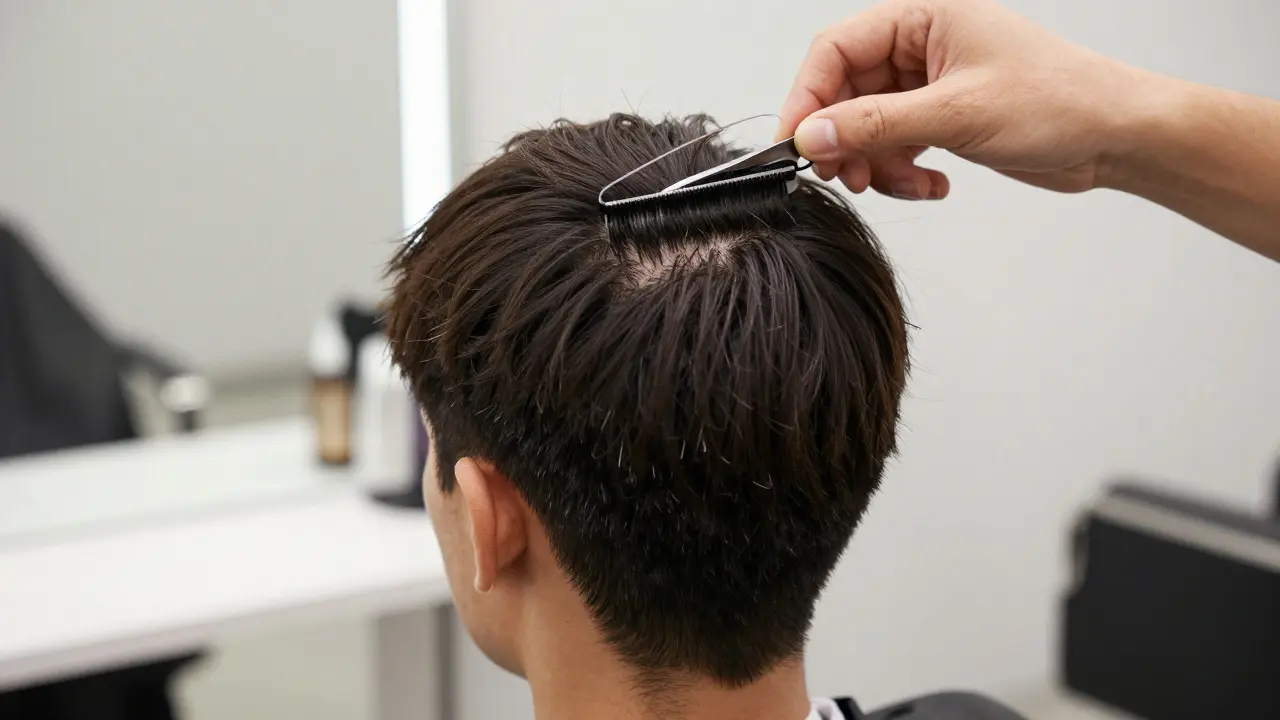
Step-by-Step Installation for Short Hair
Ready to put them in? Follow these steps to ensure a seamless blend. This process works best if you're using clip-ins, but the placement logic applies to all types.
- Prep Your Hair: Start with clean, dry hair. Avoid using heavy conditioners or oils right before installation, as this makes the clips slide. Brush through your hair to remove any tangles.
- Section Carefully: Create a horizontal section about an inch wide at the nape of your neck. Remember, go slightly higher than you normally would to ensure your shorter hairs can cover the track.
- Secure the First Track: Open the clip, press it firmly into the root, and snap it shut. If you feel the clip sliding, you may need to tease the root of your natural hair slightly with a comb to create a "cushion" for the clip to grip.
- The Side Strategy: This is where most people mess up. Take the side pieces and place them slightly behind the ear. If you place them too far forward, the short hairs around your face will pop out, creating a disconnect in length.
- Layer the Wefts: Work your way up the head in a "staircase" pattern. Place the next track slightly above the previous one, leaving a small gap so the hair can flow naturally.
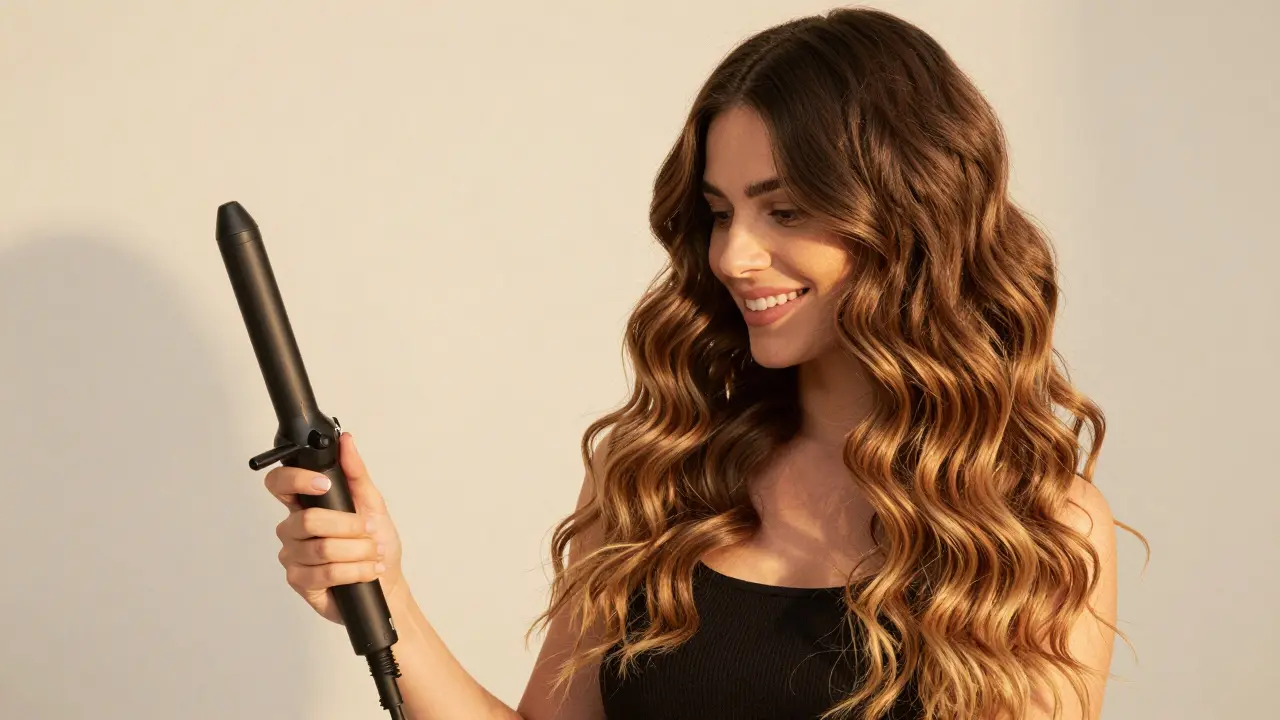
- The Final Blend: Once everything is clipped in, don't just shake your hair and hope for the best. Use a curling iron or a flat iron to create waves. Waves hide the transition points and blend the different lengths together much better than straight hair does.
Common Pitfalls to Avoid
One major mistake is choosing hair that is too heavy. When your natural hair is short, it doesn't have the structural support to hold 200 grams of extensions. If the extensions are too heavy, they will literally pull your natural hair down, exposing the tracks. Stick to a medium weight or mix and match different weft sizes.
Another issue is the color match. With long hair, you can get away with a slight mismatch at the ends. With short hair, the extension is sitting very close to your scalp. If the root color of the Bellami hair doesn't match your natural root perfectly, it will look like a wig. If you're between two shades, always go for the one that matches your roots better than your tips.
Maintenance for Long-Term Wear
Short hair extensions require a bit more care because they are often placed in high-tension areas of the scalp. If you're using semi-permanent options like tape-ins, you must be careful during the brushing process. Always use a Loop Brush or a wide-tooth comb, starting from the ends and working your way up to the roots. This prevents you from tugging on the short hairs that are supporting the weight of the extension.
When sleeping, braid your hair or put it in a loose low ponytail. This prevents the short hair from tangling with the extensions overnight, which can lead to matting at the root. If you're using clip-ins, always take them out before bed. Leaving them in can stretch out your natural follicles and lead to thinning over time.
Can I put extensions in a very short pixie cut?
It's possible, but challenging. For very short hair, clip-ins often won't stay put. Your best bet is to visit a professional for a sew-in or a specialized micro-link method. You'll need enough hair to create a small anchor braid to hold the weight of the extension.
How often should I move my clip-in extensions?
If you're wearing them for a full day, it's a good idea to shift them slightly if you feel tension on your scalp. However, for short hair, once you find the "sweet spot" where they are hidden, keep them there. Don't wear them for more than 48 hours straight to avoid hair breakage.
Will Bellami extensions damage my short hair?
If installed correctly and removed gently, they shouldn't cause permanent damage. The risk with short hair is "traction alopecia" if the extensions are too heavy for your hair to support. Always choose a weight that feels comfortable and doesn't pull on your scalp.
What is the best way to blend short layers with long extensions?
The best way is to add texture. Straight hair shows every gap and "shelf." Use a 1-inch curling iron to create loose waves. This masks the transition and makes the extensions look like they're growing naturally from your head.
Which Bellami hair line is best for short hair?
For short hair, the 100% Remy Human Hair lines are best because they can be cut and styled. If your natural hair is a specific texture, choose the line that matches it (e.g., straight or wavy) so the blend is effortless.
Next Steps for Your Hair Journey
If you're still nervous about doing it yourself, try a "half-head" installation first. Use only the back wefts to get a feel for the placement before adding the side pieces. If you find the clips are still too visible, consider a visit to a stylist for a custom cut-having a pro trim the extensions to blend with your short layers is the gold standard for a natural look.
For those with extremely fine hair, try using a volumizing powder at the roots before clipping in your Bellami pieces. This gives the clips more to grab onto and adds a bit of lift, which helps hide the tracks even further.


mark nine
April 18, 2026 AT 04:07tried the teasing thing at the root and it actually works way better for the clips to stay put especially if you have that silky fine hair that everything just slides off of
Jen Kay
April 19, 2026 AT 16:13Oh, absolutely. Because obviously, the most logical solution to not having enough hair is to just add more hair from a box. Truly a revolutionary breakthrough in scalp physics.
But in all seriousness, the part about the curling iron is actually a lifesaver because straight hair is basically a neon sign pointing directly to where the fake hair starts.
Michael Thomas
April 19, 2026 AT 21:26Tapes are better. Clips are amateur.
Ronnie Kaye
April 20, 2026 AT 07:55Wow, Michael, thanks for that deep dive. I'm sure we all feel so much more enlightened by your four-word masterpiece.
Seriously though, the 'shelf' is the real enemy here. I've seen some people try this and end up looking like they're wearing a very confused ponytail on the back of their head.
Abert Canada
April 21, 2026 AT 04:02Man, I've seen some crazy hair mods back home and some of these tips are legit but the weight thing is huge. If you go too heavy you're just asking for your hair to fall out in clumps which is a total nightmare
Karl Fisher
April 22, 2026 AT 11:43I simply cannot imagine the sheer audacity of attempting a DIY installation with a pixie cut. The horror of a misplaced track! I’ve always insisted that only the most elite stylists can handle such a delicate transition, though I must admit, the idea of a 'staircase' pattern is quite a charmingly quaint way to describe it.
Xavier Lévesque
April 22, 2026 AT 21:28Right because nothing says 'natural' like spending three hours in front of a mirror trying to hide plastic clips with a curling iron. Total game changer.
I love how we just pretend this isn't basically a high-stakes game of hide and seek with your own scalp.
Thabo mangena
April 24, 2026 AT 20:56It is truly commendable to provide such a detailed guide for those seeking a transformation in their appearance. One must emphasize that the patience required for a proper blend is a virtue in itself. I believe that with the correct adherence to these instructions, one can achieve a most sophisticated result that honors the integrity of the natural hair while embracing the beauty of extensions. It is a wonderful testament to personal expression and the pursuit of aesthetic excellence in our modern era. The guidance regarding the root color is particularly astute, as harmony in tone is the cornerstone of a believable look. May all who attempt this journey find success and confidence in their new silhouette. Such meticulous planning ensures that the final outcome is not merely an addition, but an enhancement. It is a pleasure to see such practical advice shared with the community. The emphasis on maintenance is equally vital to ensure the longevity of the style. Truly an exemplary resource for the aspiring fashion enthusiast.