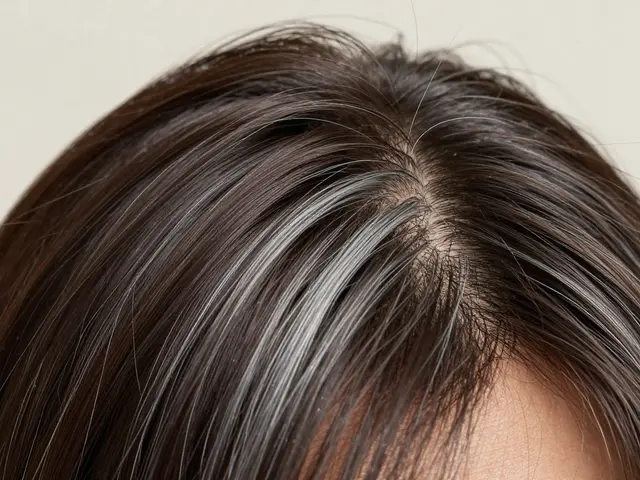
You stare at your reflection, noticing the widening part or the lack of volume at the crown. You’ve heard about Micro Loop Hair Extensions, a method that adds length and fullness without glue or heat. But then the horror stories hit you: bald spots, traction alopecia, and hair that snaps off at the root. Is this popular trend actually safe, especially if your hair is already fine or thinning?
The short answer? No, micro loops don’t inherently ruin your hair. In fact, they are often recommended for clients with delicate strands because they avoid the chemical harshness of fusion methods. However, they can absolutely cause damage if installed incorrectly, left in too long, or removed by someone who doesn’t know what they’re doing. It’s not the technique itself that’s the villain; it’s the execution.
What Exactly Are Micro Loop Extensions?
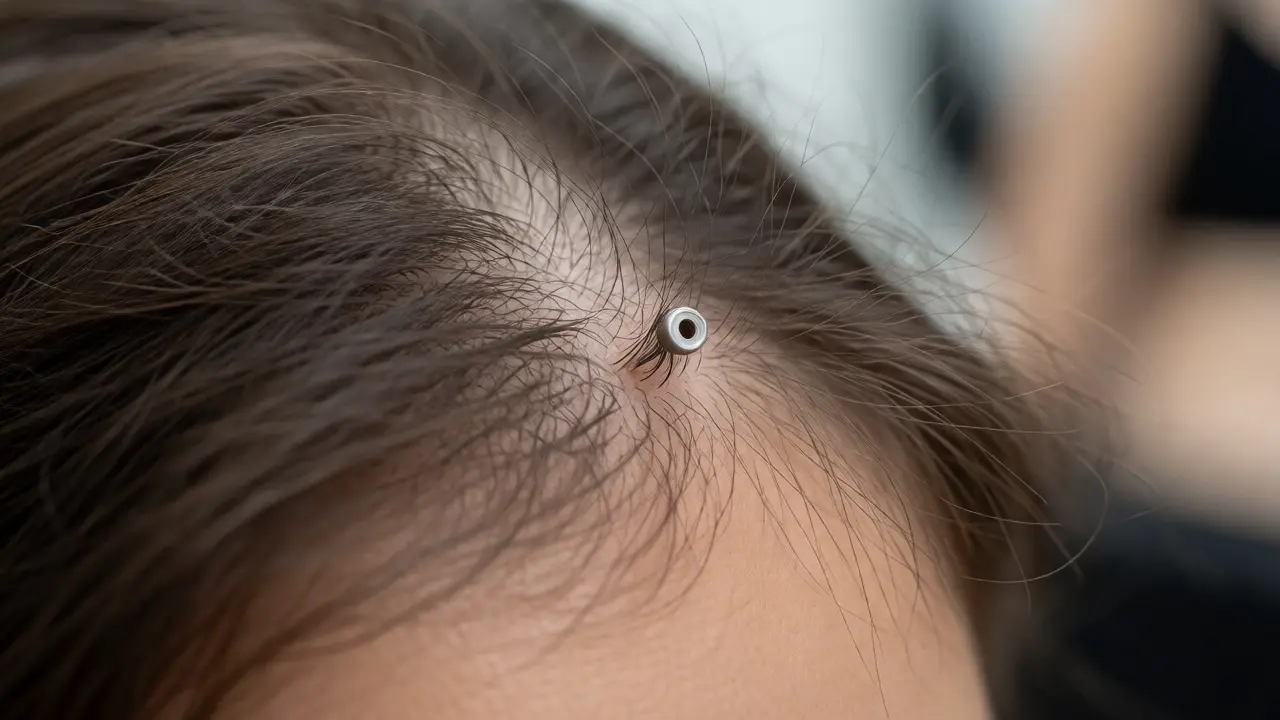
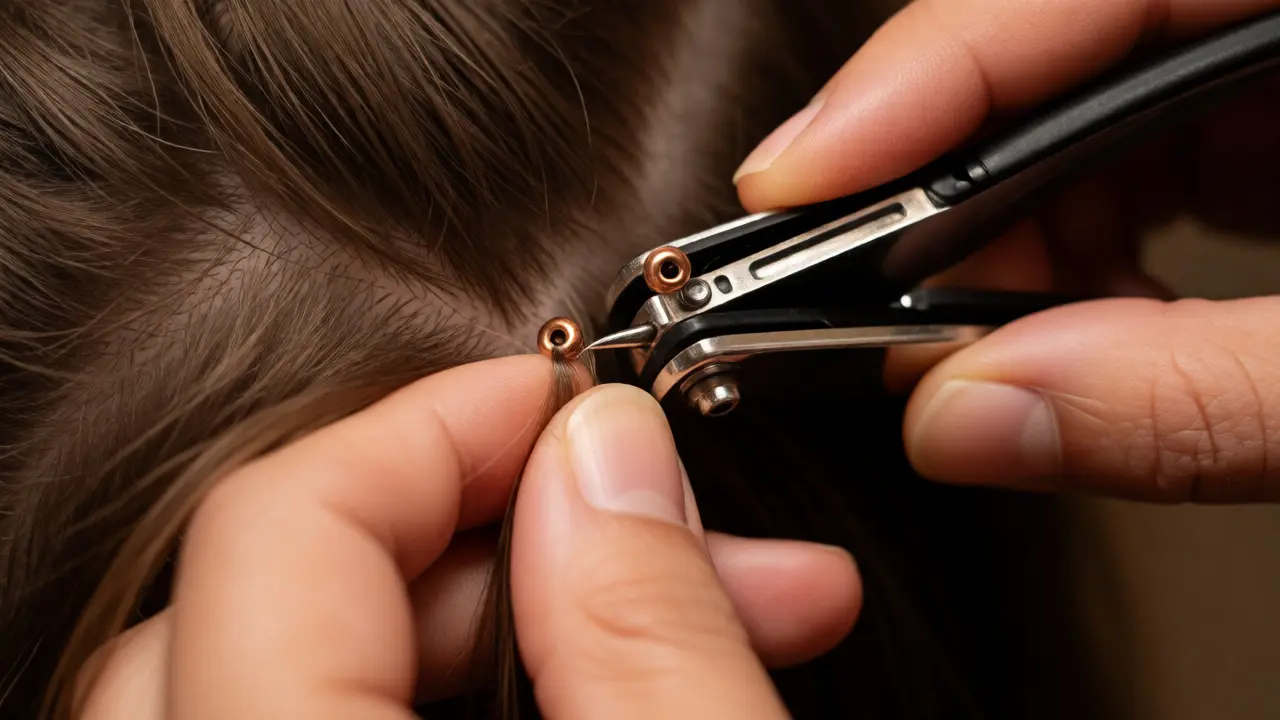
To understand the risk, you need to understand the mechanism. Unlike tape-ins that sit flat against the scalp or keratin bonds that melt into your natural hair, micro loops (also called micro rings or I-tip extensions) use a small silicone-lined bead to clamp a tiny section of your natural hair together with the extension strand.
The Bead is the critical component here. It is usually made of copper, aluminum, or steel, lined with silicone to prevent slipping and metal-to-hair friction. The installer uses a specialized tool to crimp this bead shut, securing the extension. Because there is no adhesive involved, the removal process is mechanical-you simply squeeze the bead open and slide the extension out.
This design offers distinct advantages for those with fragile hair. Since the weight is distributed through a clamped point rather than glued along the shaft, there’s less bulk near the root. For people with thin hair, this means less tension pulling on the follicle compared to heavier methods like sew-ins or large clip-ins.
Why Thin Hair Requires Extra Caution
If you have fine or thin hair, your margin for error is smaller. Thick, coarse hair can withstand more tension and weight before showing signs of stress. Thin hair, however, has a lower tensile strength. If you attach an extension that weighs too much for your specific density, gravity becomes your enemy. Every time you move your head, that weight pulls on the root.
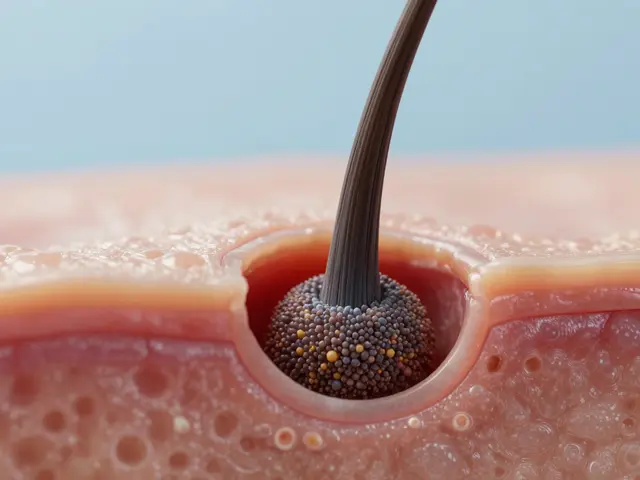
This constant pulling leads to Traction Alopecia. This isn’t just temporary shedding; it’s a condition where prolonged tension damages the hair follicle, potentially leading to permanent hair loss if the stress continues for months or years. With micro loops, the risk comes from two sources:
- Weight Mismatch: Using standard-weight extensions on very fine hair creates excessive drag.
- Installation Tension: If the stylist pulls the natural hair too tightly before clamping the bead, it restricts blood flow to the scalp and stresses the follicle immediately.
For thin hair, the key is selecting lighter-weight wefts or single-strand tips specifically designed for fine textures. A skilled stylist will assess your hair density before starting. If they try to cram three inches of heavy hair onto a strand that can barely hold its own weight, you’re asking for trouble.
| Method | Damage Risk for Thin Hair | Trauma Level | Removal Safety |
|---|---|---|---|
| Micro Loops | Low to Medium (depends on installation) | Low (no heat/glue) | High (mechanical release) |
| Tape-In | Medium (adhesive residue issues) | Medium (peeling can snap hair) | Medium (requires solvent) |
| Keratin Fusion | High (heat damage) | High (melting bond) | Low (solvent + heat) |
| Sew-In/Weave | High (braiding tension) | Very High (tight braids) | Medium (cutting thread) |
The Real Culprits Behind Damage
When people say "extensions ruined my hair," they rarely mean the hair fell out on its own. Usually, it’s one of three mistakes happening behind the scenes.
Poor Installation Technique
A micro loop should be placed about 1/4 inch away from the scalp. If a stylist places it directly on the skin, it causes irritation and makes brushing impossible. If they pull the hair too tight when threading it through the loop, you’ll feel immediate pain. That pain is a warning sign. Healthy extensions should feel virtually undetectable after the first day. If you’re wincing when you brush your bangs, the tension is wrong.
Neglecting Maintenance
Your natural hair grows. As it does, the bead moves down the shaft, but the new growth remains unattached. Over time, this creates a gap between the scalp and the bead. Two things happen here:
- Matting: The loose natural hair above the bead tangles with the adjacent extensions. If you don’t brush gently and regularly, these tangles turn into knots.
- Slippage: As the bead slides down due to oil production and movement, it can become loose. Clients often panic and try to tighten it themselves, which crushes the hair shaft.
Most stylists recommend moving up micro loops every 6 to 8 weeks. Leaving them in for 4 months allows significant matting. When you finally remove them, trying to comb out matted sections often results in ripping out chunks of your natural hair.
DIY Removal Disasters
Removing micro loops looks easy-just squeeze the bead-but it requires precision. If you don’t fully open the bead, you might twist the extension instead of sliding it out. Twisting wraps the natural hair around the extension tip, creating a knot that only comes out by cutting. Many clients end up losing inches of their own hair because they tried to save $50 on a professional removal.
How to Protect Your Hair While Wearing Them
You can wear micro loops safely even with thin hair if you follow a strict care routine. Think of your extensions as a commitment, not a quick fix.
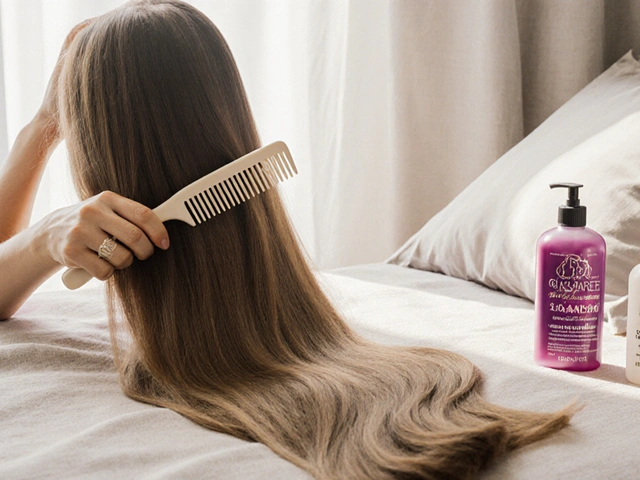
Brushing is Non-Negotiable: Use a loop brush or a soft-bristle brush designed for extensions. Start at the ends and work your way up to the roots. Never yank a brush through tangled hair. Hold the roots firmly with one hand while brushing the lengths with the other to reduce tension on the beads.
Sleep Smart: Friction is the enemy. Tie your hair in a loose braid or ponytail before bed. Better yet, sleep on a silk or satin pillowcase. Cotton absorbs moisture and creates friction, which encourages tangling around the beads. Silk lets the hair glide, reducing the chance of knots forming overnight.
Product Choices Matter: Avoid sulfate-free shampoos? Actually, look for sulfate-free formulas. Sulfates strip natural oils, making hair dry and brittle, which increases breakage. Also, keep conditioner away from the roots and the beads. Conditioner buildup inside the silicone lining can cause the bead to slip, forcing you to tighten it prematurely.
Regular Check-Ups: Go back to your stylist every 6-8 weeks. They will check for slippage, re-tighten loose beads, and ensure no matting has started. This maintenance appointment is cheaper than treating hair loss later.

Who Should Avoid Micro Loops?
While safer than many alternatives, micro loops aren’t for everyone. If you have severe alopecia or extremely sparse hair with almost no density at the front, adding weight-even light weight-might be too much stress. In these cases, halo extensions (which rest on the head like a crown) or clip-ins worn occasionally might be better options.
Also, if you have an active lifestyle involving frequent swimming in chlorinated pools or saltwater without rinsing, the beads can corrode or trap chemicals, leading to odor and irritation. If you swim often, you must rinse thoroughly and wash more frequently, which dries out both natural and synthetic hair.
The Verdict
Do micro loop hair extensions ruin your hair? Not if you treat them with respect. They are one of the safest options for thin hair because they eliminate heat and harsh adhesives. The damage usually stems from human error: bad installs, skipped maintenance, or rough handling.
If you’re considering them, prioritize finding a certified specialist over finding the cheapest price. Ask to see photos of their previous work on clients with similar hair types. During the consultation, pay attention to how they handle your hair. Do they pull hard? Do they discuss weight limits? If they rush you, walk away. Your hair’s health depends on their patience and skill.
Can micro loops cause bald spots?
Yes, but usually due to traction alopecia caused by improper installation or leaving them in too long. If the beads are placed too close to the scalp or pulled too tight, the constant tension can weaken the follicle. Regular maintenance and proper placement minimize this risk significantly.
Are micro loops good for very thin hair?
They can be, provided the stylist uses lightweight extensions and places them strategically. Heavier methods like sew-ins or large clip-ins often cause more damage to fine hair. Micro loops offer a secure hold without the bulk of glue, making them a viable option if managed correctly.
How long can I leave micro loop extensions in?
Typically 6 to 8 weeks. After this period, your natural hair has grown enough that the beads may slip or begin to mat with new growth. Leaving them longer increases the risk of tangling and potential breakage during removal.
Does removing micro loops hurt?
No, if done professionally. The process involves squeezing the bead open with a tool and sliding the extension out. There is no pulling or tearing. If it hurts, the stylist is likely twisting the hair or failing to open the bead fully, which indicates poor technique.
Will my hair grow back faster with extensions?
Extensions do not speed up growth rates, which are determined by genetics and health. However, they protect the ends of your natural hair from environmental damage and brushing friction, allowing you to retain length. So, your hair appears to grow longer because less of it breaks off.