

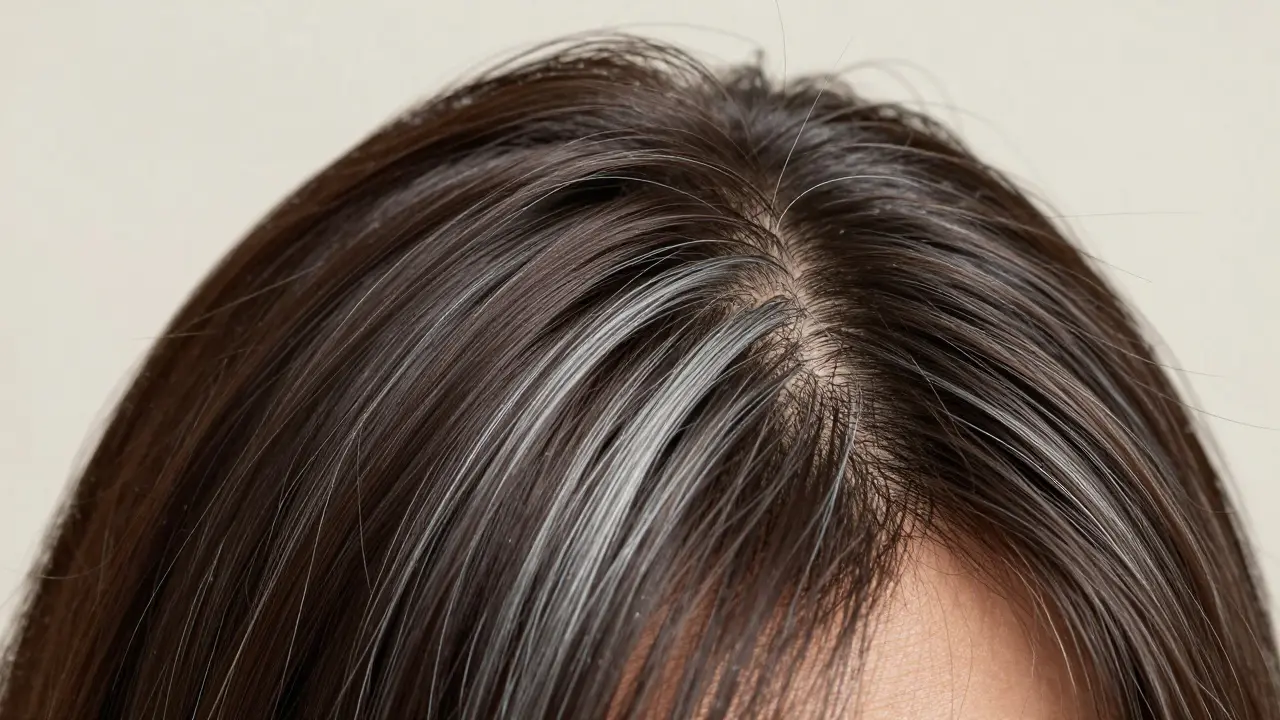
Trying to shift from a deep brunette shade to a softer, light brown while managing gray hair is a bit like trying to paint a room while the walls are still drying. You can't just slap a box of light brown dye over dark hair and expect it to work; in fact, that's a recipe for patchy colors and orange tones. The real challenge isn't just the color change, but the "demarcation line"-that harsh stripe where your natural gray roots meet the old dark dye.
If you want a natural-looking result that doesn't require a salon visit every 21 days, you need to stop thinking about "covering" and start thinking about "blending." The goal is to create a seamless gradient that makes your gray hair look like intentional highlights rather than a mistake. Here is how to actually make the switch without ruining your hair health.
The Core Strategy: Gray Blending vs. Full Coverage
Most people start by reaching for a permanent all-over color. While that hides the grays for a few weeks, it creates a high-maintenance cycle. The moment your roots grow a fraction of an inch, that silver line reappears, and you're back in the stylist's chair. Instead, professional colorists use gray blending is a technique that diffuses the intensity of natural gray hair by using a mix of tones rather than one flat color .
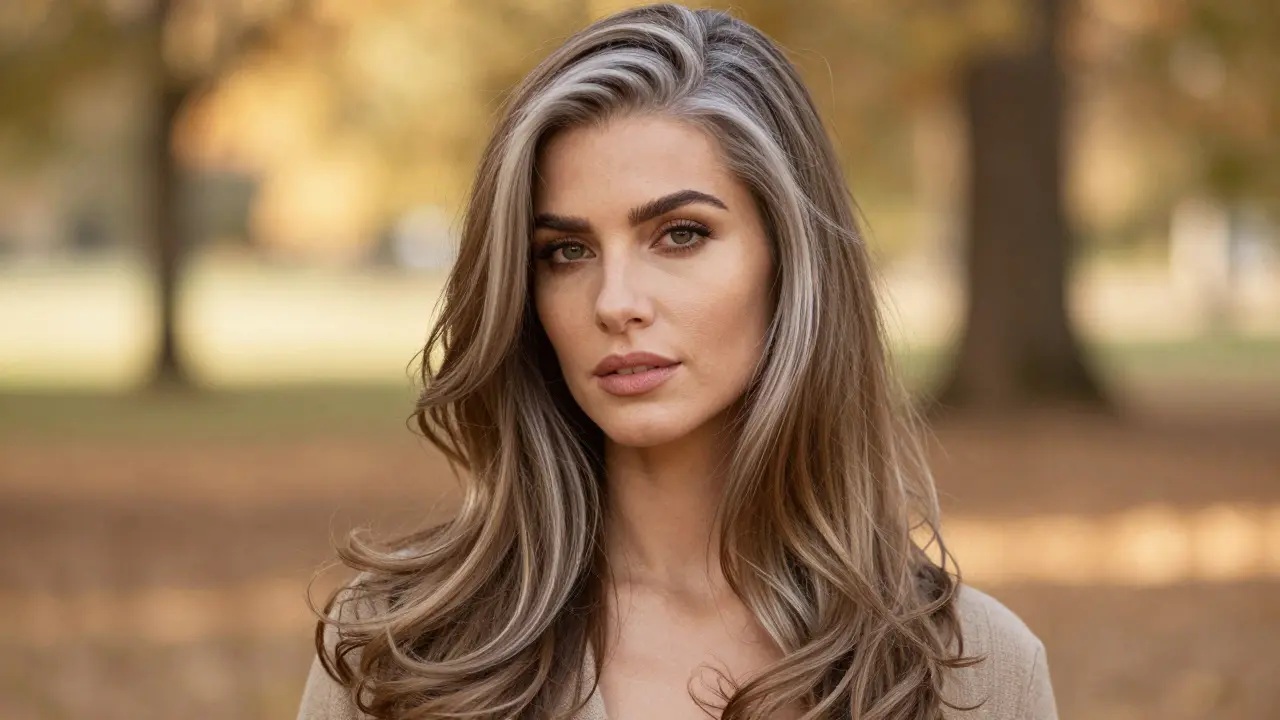
By using a variety of light brown and gold tones, you create a soft contrast. This means that as your hair grows, the transition is gradual. You won't have that "skunk stripe" effect because the grays are integrated into the overall color palette. For those with a high percentage of gray-say, 80% on top-this approach is a lifesaver because it allows the natural silver to act as a built-in highlight.
Your Step-by-Step Transition Plan
Going from dark to light brown is a journey, not a single appointment. If you try to do it all at once, you'll likely end up with brittle hair or a color that looks "muddy." A sustainable transition usually happens over several months.
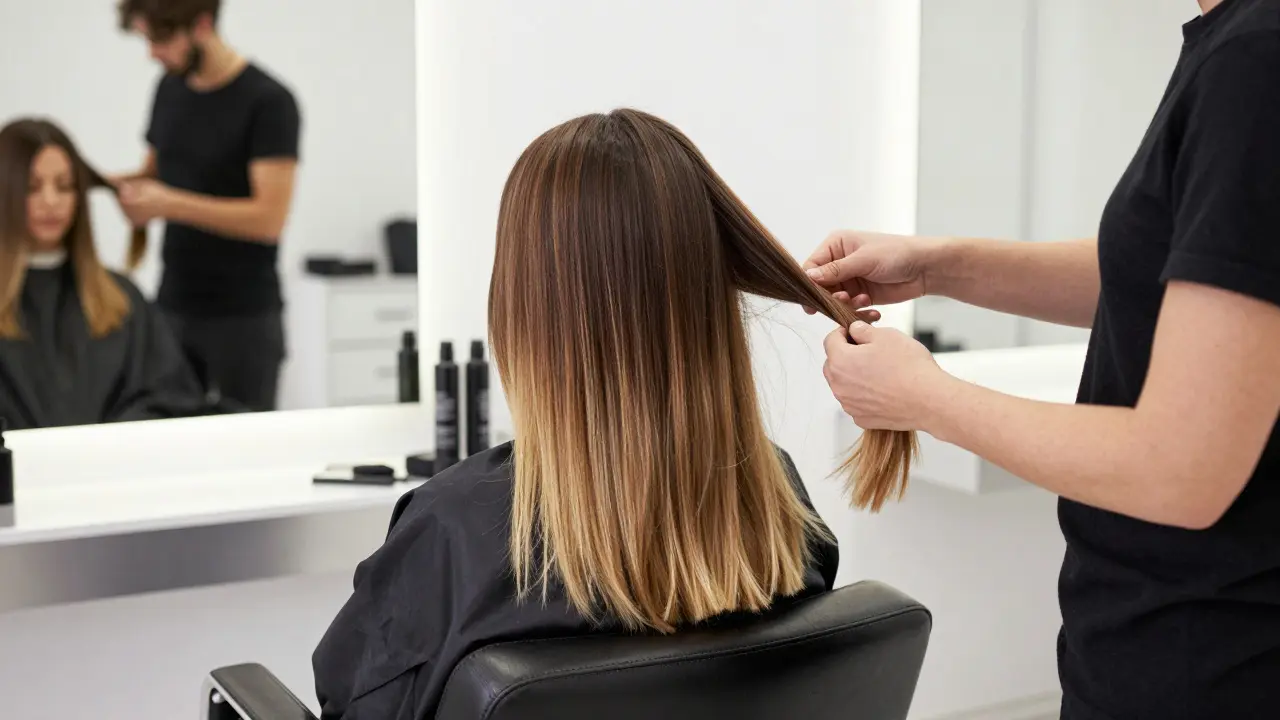
- The Initial Lift: Your first visit should focus on breaking up the dark brown base. This usually involves highlights or a balayage to bring the overall level of the hair up to a medium or light brown. A toner is applied afterward to remove any brassy or orange tones that appear when dark hair is lightened.
- The "Halo" Phase: About three months in, focus on the top layer of your hair. Stylists often use "halo highlights"-lightening the most visible sections around the face and crown. This blends the gray growth into the light brown ends without touching the middle layers, keeping the look natural.
- Refining the Blend: By the sixth or seventh month, the focus shifts to softening the demarcation line. This involves adding fine highlights (baby lights) specifically where the gray meets the dyed hair. At this stage, a haircut is usually necessary to trim away the oldest, darkest ends.
Comparing Transition Methods
Depending on your patience level and budget, you might choose a different path. Some prefer the slow road, while others want the change faster.
| Method | Timeframe | Maintenance | Risk |
|---|---|---|---|
| Gray Blending / Highlights | 6-12 Months | Low (every 8-12 weeks) | Minimal damage if professional |
| Permanent All-Over Color | Instant | High (every 3-4 weeks) | Hard demarcation lines |
| Cold Turkey (Growing Out) | 2+ Years | None | High "skunk stripe" visibility |
Managing the "In-Between" Phase
The hardest part of going light brown is the middle stage where you don't feel like you're fully gray, but you're no longer brunette. This is where temporary tools come into play. Root sprays are great for a quick fix before an event, though they don't hold up well in the rain. For a more semi-permanent fix, some people use temporary hair colors to blend the line for a week or two while experimenting with different shades of brown.
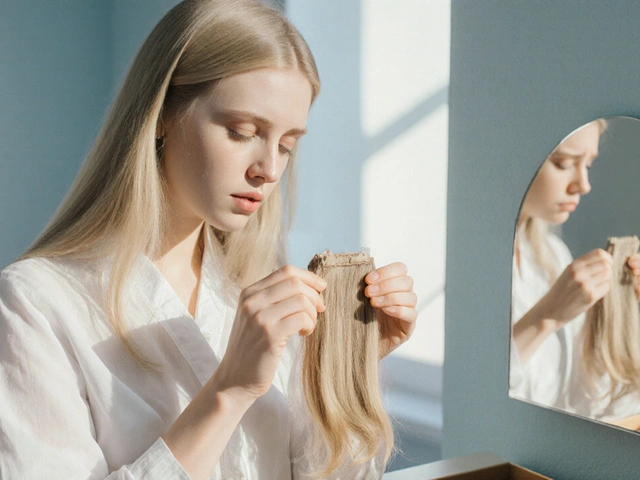
If you have a big event and the transition looks too messy, high-quality wigs or extensions can hide the demarcation line entirely. There is also the "Dye Strip Technique," where you only dye the very top sliver of your part line, allowing the silver to grow in underneath. This makes the process of going gray much less obvious to the casual observer.
Protecting Your Hair Health
Lightening dark brown hair requires chemicals that can strip moisture. If you are doing multiple highlighting sessions, your hair will become porous. To prevent breakage, you need a strict care routine. Use a restorative hair mask once a week to put lipids back into the hair shaft.
Heat is the enemy during a color transition. If you must use a curling iron or straightener, keep the temperature between 300 and 320 degrees Fahrenheit. Always apply a heat protectant spray before any styling. If you notice your light brown tones turning orange (brassiness), avoid harsh purple shampoos if they make your scalp itchy; instead, look for color-depositing conditioners in silver or ash tones to neutralize the warmth without drying out your skin.
Finding the Right Professional
Not every stylist is comfortable with the "going gray" movement. Some are trained to only provide full coverage, which is the opposite of what you want for a blend. When looking for a colorist, ask specifically if they have experience with balayage or gray blending. A good stylist will start with a consultation to measure your percentage of gray-knowing if you are 20% or 80% gray completely changes the formula they use.
Can I use a box dye to go from dark brown to light brown?
Generally, no. Box dye cannot lift existing permanent dark dye. If you put light brown dye over dark brown hair, it will only change the gray roots, leaving the rest of your hair dark and creating a strange, multi-toned effect. You need a lifting agent (bleach or high-volume developer) to lighten the dark pigment first.
How often do I need to visit the salon during a blend?
Unlike permanent color which requires a touch-up every month, a blending approach usually only requires a visit every 8 to 12 weeks. Because the goal is a soft gradient, the growth is less noticeable.
Will my hair turn orange during the transition?
It is very common for dark brown hair to pull warm, orange, or red tones when lightened. This is why "toning" is a critical part of the process. A professional toner neutralizes these warm tones to give you a cool, ash-brown or neutral light brown result.
What is the fastest way to get to light brown?
The fastest method is a series of aggressive highlighting and toning sessions over about 7 months. This involves lifting the hair in stages to avoid excessive damage while gradually blending the gray roots.
Does gray blending work for curly hair?
Yes, but you have to be more careful with bleach. Curly hair is naturally drier and more prone to damage. A professional will likely use a lower-volume developer and focus more on baby lights than heavy foil highlights to preserve the curl pattern.
Next Steps and Troubleshooting
If you're just starting, your first step is to stop using permanent all-over dark dye immediately. Every time you apply a dark coat, you make the future transition harder because the stylist has more "buildup" to strip away.
- For the impatient: Try a high-contrast balayage. It creates a bolder look that makes the transition to light brown feel faster.
- For the cautious: Start with baby lights. These are tiny, thin highlights that mimic natural sunlight and make the gray blend in almost invisibly.
- If you hit a plateau: If your hair feels too dry or the color looks flat, schedule a "gloss' treatment. This adds shine and refreshes the tone without using harsh chemicals.
Amanda Harkins
April 28, 2026 AT 10:49It's funny how we spend half our lives dyeing our hair to look young and the other half spending a fortune to make it look like we're aging naturally. Just a cycle of vanity, really.
Sandy Dog
April 30, 2026 AT 07:45Oh my gosh, the "skunk stripe" is literally my worst nightmare!! 😱 I remember one time I tried to do a home touch-up during a vacation and it was such a disaster that I actually cried in the hotel bathroom for an hour because I looked like a zebra 🦓 and I had a dinner party that night! It is just so stressful when you're trying to look put together and your hair decides to have a mid-life crisis of its own, and don't even get me started on the cost of the salons in my city because they charge an absolute arm and a leg just to put some bleach in your hair! 💸😭
Nick Rios
May 1, 2026 AT 03:00That transition period can be really tough on the self-esteem. It takes a lot of courage to let the natural colors come through, but the end result is usually much more peaceful.
Chris Heffron
May 2, 2026 AT 04:37The tip about heat protectant is so key! ✨
Mark Tipton
May 2, 2026 AT 14:33While the advice provided is aesthetically sound, one must consider the chemical composition of the developers mentioned. Most commercial salons are utilizing ammonia-based products that may have long-term systemic effects that the industry prefers to keep quiet. It is quite probable that the shift toward "blending" is merely a strategy to keep clients returning for more frequent, lower-cost sessions rather than a genuine health-conscious choice. Furthermore, the specific temperature ranges suggested for styling tools are often ignored by the tools themselves due to inconsistent thermostat calibrations in consumer-grade hardware. It is a fascinating web of corporate interests designed to keep us dependent on the salon ecosystem.
Tom Mikota
May 4, 2026 AT 04:36Yeah, because obviously, we all have "professional colorists" waiting on speed dial... lol!!! Just use a hat, it's way cheaper!!!!
Adithya M
May 4, 2026 AT 16:47The logic in the table is completely flawed! Why suggest a 2-year timeline for cold turkey when you can just use high-lift dyes to speed it up? This is just inefficient advice for people who actually want results now!
Adrienne Temple
May 5, 2026 AT 10:23I really like the idea of the halo highlights! 😊 It sounds like a great way to make everyone feel included in the natural aging process without feeling like they've lost their style. I wonder if this works as well for different hair textures?
Anyway, the part about the restorative mask is super helpful because dry hair is the absolute worst. Thanks for sharing this guide! 🌸