

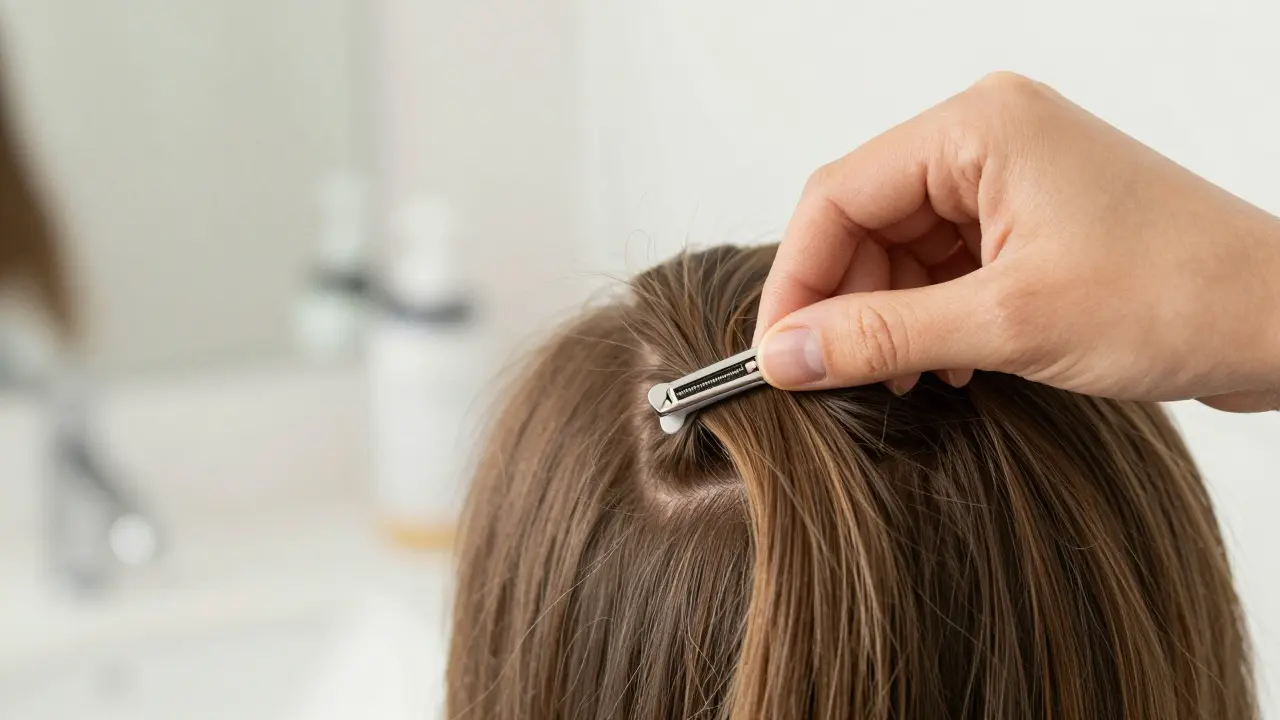
The short answer is that for most people, clip-in hair extensions are perfectly fine, but that comfort depends entirely on how you place them and the quality of the materials. If you put them in wrong, you'll feel a constant tugging. If you put them in right, you might actually forget they are there.
The Quick Breakdown of Comfort
- Weight: High-quality human hair is lighter and moves more naturally than synthetic alternatives.
- Placement: Avoiding the hairline and spacing clips evenly prevents tension headaches.
- Scalp Type: People with very sensitive skin or thinning hair might feel more pressure.
- Wear Time: They are designed for temporary use; wearing them for 48 hours straight is where the discomfort starts.
How Clip-Ins Actually Feel on Your Scalp
When you first snap a clip into place, you feel a slight pinch. That's normal. However, the discomfort people complain about usually comes from "tension points." This happens when too many clips are concentrated in one small area, or when a clip is attached to a section of hair that is too thin to support the weight. Clip-in hair extensions is a temporary hair enhancement method where wefts of hair are attached to the natural scalp using small pressure-sensitive clips. These are different from permanent methods like tape-ins or sew-ins because they don't use adhesives or needles.
If you have a high pain tolerance, you'll likely find them effortless. But if you're prone to migraines or have a tender scalp, the constant pressure of the metal clips can become irritating. The trick is to use a "staggered" layout. Instead of lining everything up in a straight row, weave the clips slightly to distribute the weight across a larger surface area of your scalp.
Material Matters: Human Hair vs. Synthetic
You might think synthetic hair is lighter because it's plastic, but the opposite is often true in terms of comfort. Remy human hair is hair where the cuticles are kept intact and aligned in the same direction, preventing tangles and allowing for a more natural drape. Because Remy hair flows with your natural movement, it doesn't "fight" your head when you move. Synthetic hair can sometimes feel stiff or "clumpy," which creates an unnatural drag on your roots.
| Feature | Remy Human Hair | Synthetic Fiber |
|---|---|---|
| Weight Distribution | Light and fluid | Can feel heavy/stiff |
| Scalp Friction | Low (moves with hair) | Higher (tangles more easily) |
| Breathability | High | Low (can trap heat) |
| Daily Comfort | Excellent for 12+ hours | Better for short events |
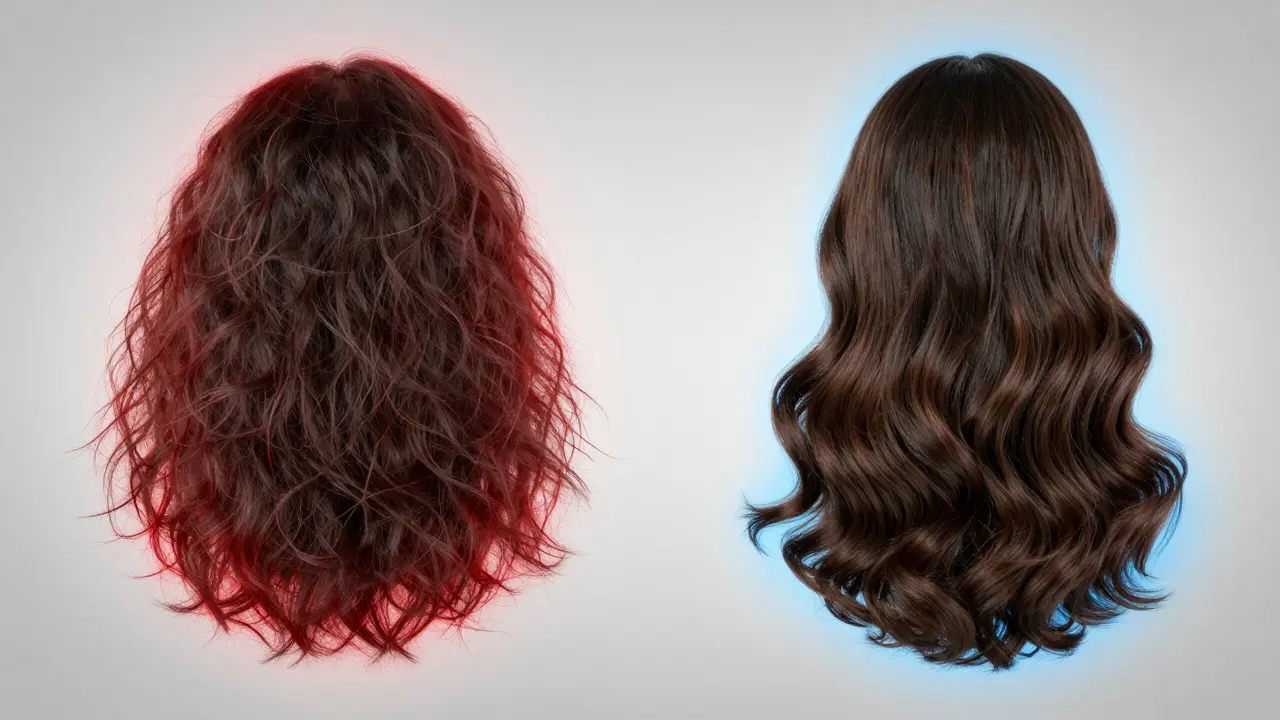
Common Comfort Pitfalls and How to Fix Them
Most "uncomfortable" experiences with clip-ins are actually user errors. Here are the most common mistakes and how to solve them:
- The "Too Close to the Edge" Mistake: Many people place clips right at the crown or the very edge of their hairline. This creates a visible bump and puts immense pressure on the most sensitive parts of the scalp. Instead, place your first row of clips about an inch back from the hairline.
- Ignoring the Sectioning: If you just clip them in randomly, the hair underneath will bunch up. Use a rat-tail comb to create clean, straight sections. This ensures the clip grips the hair flat against the scalp rather than pulling it upward.
- Overloading the Crown: Putting too much volume at the very top of your head can lead to a "heavy head" feeling. Distribute the weight by placing more of the longer wefts toward the back and sides.
- Wearing Them While Sleeping: This is the golden rule. Never sleep in clip-ins. Not only do the clips dig into your scalp while you toss and turn, but the friction causes matting and tangles that make the extensions feel heavy and messy the next morning.
Are They Safe for Thinning Hair?
If you have thinning hair or a receding hairline, you need to be more cautious. The weight of the extensions is supported entirely by the hair you already have. If the hair is fragile, the constant tension from the clips can lead to Traction Alopecia, which is hair loss caused by repeated pulling or tension on the hair follicle.
For those with thinner hair, look for "mini-clips" or "halo" extensions. Halo extensions use a transparent wire that sits on top of the head, distributing the weight across the entire circumference of the skull rather than pulling on individual strands of hair. If you stick with clip-ins, limit your wear time to a few hours at a time and avoid using the heaviest wefts.
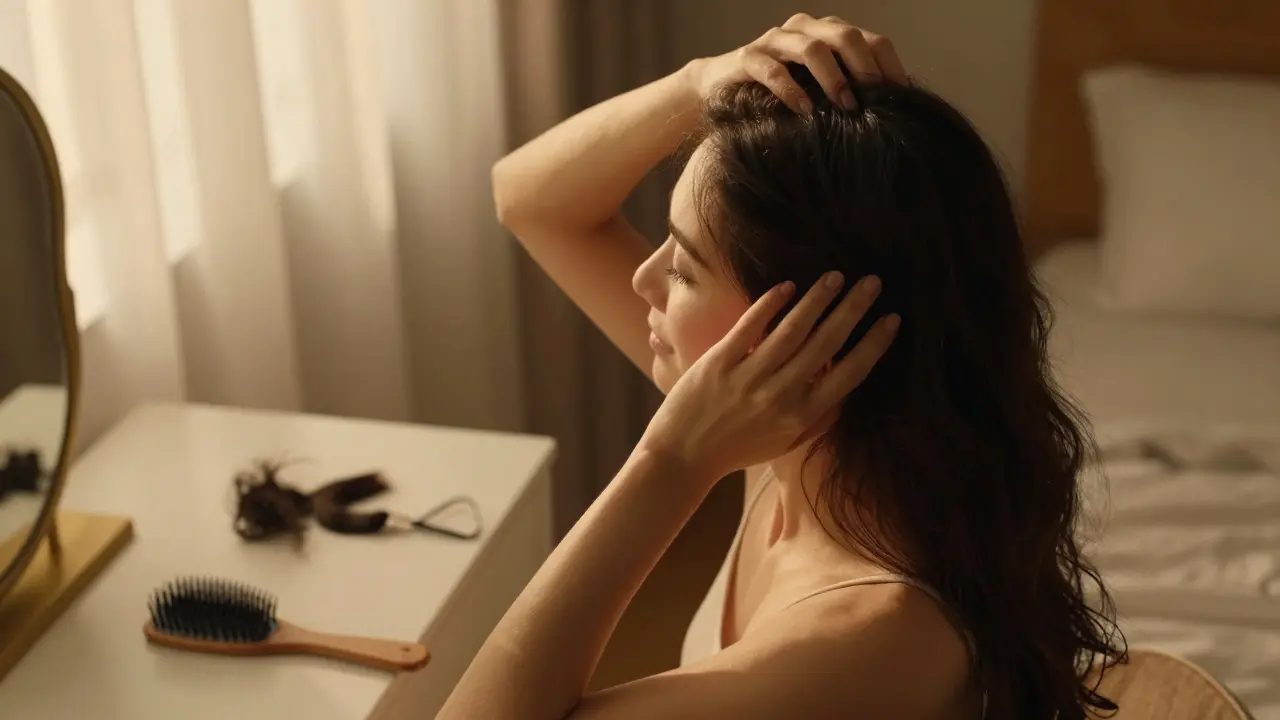
The "End of Day" Feeling: What to Expect
After a full day of wearing clip-ins, you'll likely experience a sensation similar to taking off a tight pair of shoes. There's a distinct feeling of relief when the clips come out. This doesn't necessarily mean they were "uncomfortable," but it does mean your scalp was under a different kind of pressure than usual.
To make the transition easier, give your scalp a quick massage after removing the extensions. This boosts blood flow to the follicles and relieves any lingering tension. If you notice red marks or a persistent ache, it's a sign that your clips were too tight or your placement was off.
Pro Tips for Maximum Comfort
Want to make sure you can wear your extensions for a full wedding or a long work day without thinking about them? Try these tweaks:
- Use Dry Shampoo: Applying a bit of dry shampoo to your roots before clipping in creates a "grittier" surface. This prevents the clips from sliding, which means you don't have to clamp them down as hard to keep them secure.
- Check the Clip Coating: Look for extensions with silicone-lined clips. The silicone provides a better grip and a softer cushion against the scalp, reducing the metallic "pinch" feeling.
- Balance the Sides: Always mirror your placement. If you put a clip two inches above the ear on the left, do the exact same on the right. An unbalanced load creates a subtle pull that can lead to a headache over several hours.
Can I wear clip-in extensions every day?
While you can, it's not recommended to keep them in 24/7. Because they rely on pressure, wearing them daily without breaks can stress your hair follicles. It's best to take them out every night to let your scalp breathe and prevent tension on the roots.
Do clip-ins pull on the hair?
Yes, they do exert a small amount of pull because that's how they stay attached. However, if they are placed correctly and the weight of the extension matches your hair density, the pull should be minimal and not painful.
What is the most comfortable type of hair extension?
For temporary use, halo extensions are often the most comfortable because they don't clip into the hair. For long-term use, high-quality tape-ins or hand-tied wefts are usually more comfortable than clip-ins because they distribute weight more evenly across the scalp.
Will my scalp get itchy under the clips?
Some people experience itchiness due to sweat getting trapped under the wefts or a reaction to the metal in the clips. Keeping your scalp clean and using silicone-backed clips can help minimize this.
How do I know if my extensions are too heavy?
If you feel a "dragging" sensation on your scalp, a headache starting at the crown, or if the clips are sliding down despite being closed tight, the extensions are likely too heavy for your natural hair density.


Honey Jonson
April 23, 2026 AT 07:35totally agree bout the sleepin rule!! i tried it once n woke up with a giant knot in my hair lol
Jason Townsend
April 25, 2026 AT 03:58the silicone lining is probably just some way to track your scalp temperature for big pharma’s next experiment dont trust the coatings
Jane San Miguel
April 26, 2026 AT 18:11One simply cannot justify the use of synthetic fibers when the aesthetic disparity is so glaringly obvious. If one is going to invest in their appearance, the only acceptable choice is high-grade Remy human hair, as anything less is merely a masquerade of quality.
TIARA SUKMA UTAMA
April 27, 2026 AT 02:55Which brand do you use? Tell me where you buy them.
Sally McElroy
April 27, 2026 AT 21:29The pursuit of artificial length is a symptom of a society obsessed with external validation... a hollow victory for the ego!!!
Nathaniel Petrovick
April 29, 2026 AT 00:04dry shampoo really is the secret weapon here. it makes such a huge difference in how the clips stay put without having to jam them in too hard.
Antwan Holder
April 30, 2026 AT 11:07I feel the weight of these extensions as a metaphor for the crushing burden of expectation we all carry through this desolate existence! Every clip is a shackle! The relief of taking them off is the only moment of true liberation I feel in a week! My scalp screams in agony and so does my soul!
Sara Escanciano
April 30, 2026 AT 19:02It is honestly disgusting that people prioritize a bit of fake volume over the health of their actual hair follicles. Traction alopecia is a permanent consequence for a temporary trend. You are literally destroying your body for a look.
Jennifer Kaiser
May 2, 2026 AT 06:54We have to remember that the desire for longer hair often stems from a need for security or a transition in identity. While the physical discomfort is real, the emotional comfort of feeling confident is where the true value lies, provided it doesn't cross into self-harm.
Destiny Brumbaugh
May 3, 2026 AT 20:56Best way to look great is to just have real american standards for beauty and not rely on some cheap stuff from overseas lol!
James Winter
May 5, 2026 AT 19:17Waste of money. Just grow your hair.
Angelina Jefary
May 7, 2026 AT 15:23The grammar in the table is questionable at best, but more importantly, these clips are likely designed to emit low-frequency signals that interfere with your natural circadian rhythm. Do your own research on the metallic alloys used in these mass-produced wefts.
Elmer Burgos
May 8, 2026 AT 16:29it's all about finding a balance that works for you man just take it easy on the scalp and you'll be golden
Jasmine Oey
May 8, 2026 AT 17:49Omg I totally agree that the silicone is a lifesaver!! But honestly if you aren't spending at least five hundred on your hair you're just playing house with your looks lol!! It's such a tragedy when people settle for mediocre quality just because they're afraid to spend the money!! I just can't even imagine wearing anything that isn't top shelf!! Truly a nightmare!!
Marissa Martin
May 10, 2026 AT 07:44I suppose some people enjoy the risk of thinning their hair just for a photo, but I find the whole concept quite unsettling.