

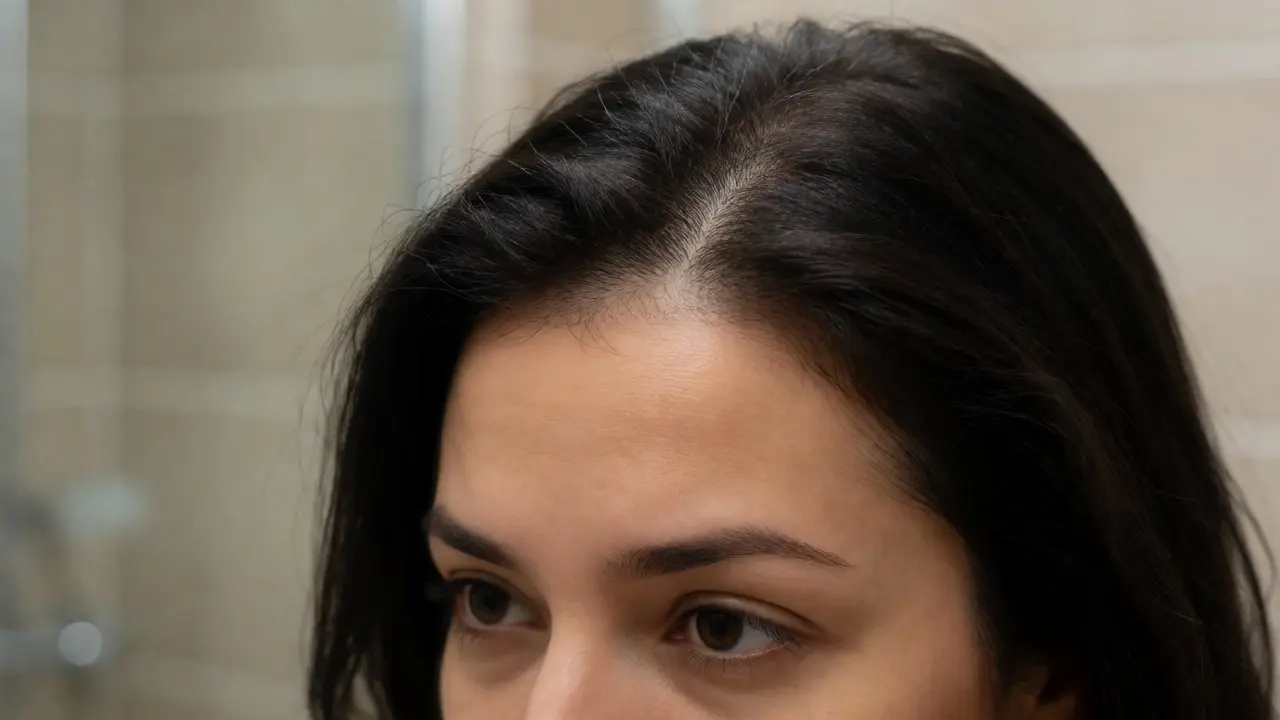
You just colored your hair four weeks ago, but that line of regrowth is already staring back at you in the mirror. It’s tempting to grab a box of dye and fix it immediately, but is dyeing roots every two weeks actually safe? The short answer is: it depends entirely on what kind of dye you’re using and how careful you are with application. For most people using permanent color, two weeks is too frequent and can lead to serious breakage. However, if you’re dealing with stubborn gray or fast-growing hair, you might feel like you have no choice. Let’s look at what professional colorists and brand guidelines actually say about this tricky timeline.
The Standard Rule: Why Four to Six Weeks?
If you ask almost any professional stylist or check the instructions on major brands like L’Oréal Paris or Garnier, they will tell you the sweet spot for root touch-ups is between four and six weeks. This isn’t arbitrary. Hair grows at an average rate of about half an inch per month. Waiting until you have roughly half an inch to one inch of new growth ensures that you aren’t applying chemicals to hair that has already been processed. Overlapping dye onto previously colored strands is the number one cause of "hot roots" (where the roots end up brighter than the rest of the head) and severe structural damage.
Permanent hair dye works by opening the hair cuticle with alkaline agents like ammonia and depositing pigment deep into the cortex. This process weakens the hair shaft slightly each time. If you repeat this aggressive chemical process every 14 days, you don’t give the cuticle enough time to recover. The result is often dry, brittle hair that snaps easily when you brush it. Most experts agree that sticking to a monthly or six-week cycle allows the scalp’s natural oils to replenish and the hair structure to stabilize.
When Is Two Weeks Acceptable?
There are exceptions to the rule. Celebrity colorist Sharon Dorram notes that you can technically dye roots as frequently as every 10-14 days, but only if you apply the color strictly to the new growth with zero overlap onto the previously dyed lengths. This requires precision. If you miss a spot or smear dye down the shaft, you’re re-processing old hair, which accelerates damage significantly.
You might consider a two-week interval if:
- You have resistant gray hair: Gray strands lack melanin and can be difficult to cover. Some clients find that their gray starts showing within three weeks, especially if they wear very dark or vibrant shades.
- You have fast-growing hair: Genetics play a role here. If your hair grows faster than the average half-inch per month, the contrast line becomes visible sooner.
- You use semi-permanent or demi-permanent dyes: These formulas coat the outside of the hair rather than penetrating deeply. They are gentler and fade over time, making more frequent applications safer. Brands like Garnier suggest semi-permanent colors can be refreshed every 1-2 weeks without significant risk.
Risks of Frequent Permanent Dyeing
If you decide to stick with permanent dye on a two-week schedule, you need to be aware of the cumulative risks. The primary concern isn’t just color fading; it’s health. Repeated exposure to hydrogen peroxide and PPD (para-phenylenediamine), a common ingredient in permanent dyes, can sensitize the skin. Dermatologists warn that frequent contact increases the likelihood of allergic reactions or contact dermatitis, leading to an itchy, flaky scalp.
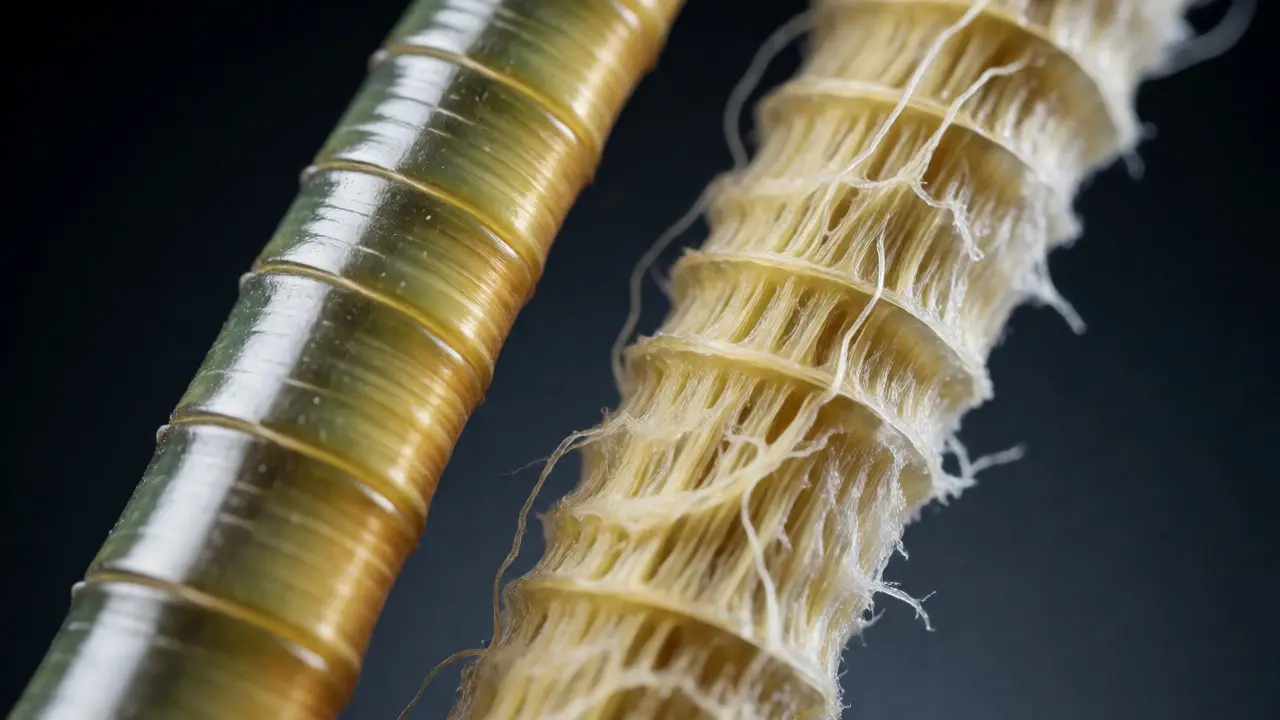
Physically, the hair suffers from protein loss. Each dye session strips away some of the keratin bonds that hold the hair together. Without adequate recovery time, these bonds don’t reform properly. You might notice your hair feeling straw-like, losing its shine, or developing split ends much faster than usual. In extreme cases, the hair at the root line becomes so fragile that it breaks off entirely, creating uneven length and thinning patches.
How to Minimize Damage if You Must Dye Often
If your lifestyle or hair type demands a shorter interval, you can mitigate the damage with smart habits. First, switch to a bond-building treatment system. Products containing ingredients like Olaplex No. 3 or K18 mask help repair broken disulfide bonds inside the hair shaft. Using these treatments weekly can counteract some of the stress caused by frequent coloring.
Second, adjust your shampoo routine. Sulfate-free shampoos are essential because sulfates strip both moisture and color. Wash your hair less frequently if possible-aim for twice a week instead of daily. When you do wash, focus the shampoo on the scalp and let the suds run through the ends, avoiding rough scrubbing of the mid-lengths where the hair is older and more porous.
Alternatives to Frequent Root Touch-Ups
If the idea of damaging your hair every two weeks sounds daunting, consider changing your color strategy rather than your schedule. One popular option is to add highlights or balayage. These techniques blend the natural color with the dyed color, creating a softer transition that hides regrowth for longer. With balayage, you can often stretch appointments to 12-16 weeks because there is no harsh line of demarcation.
Another trick is using root concealers. Temporary powders, sprays, or sticks can fill in the gap between dye sessions. While they wash out after one shower, they buy you valuable time. A root concealer spray applied strategically can make a three-week-old root line look fresh for a special event, allowing you to push your next dye appointment to the recommended four-week mark.
At-Home Application Tips for Short Intervals
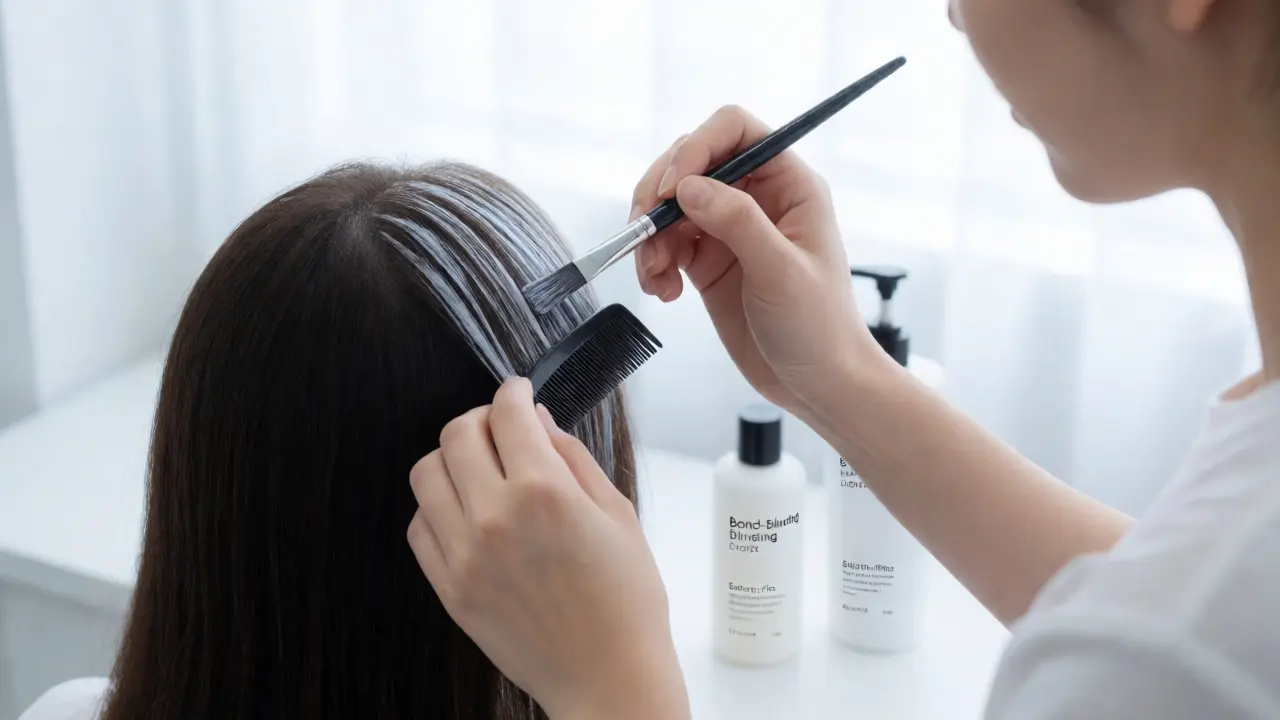
If you are doing this yourself at home, precision is non-negotiable. Use a fine-tooth comb to section your hair meticulously. Apply the dye only to the new growth, stopping exactly where the color begins. Do not pull the dye down the lengths of the hair unless you are refreshing the color for the last 5-10 minutes of processing time-and even then, use a lower volume developer or a diluted mixture.
Always perform a strand test before applying the full amount. This helps you gauge how quickly your specific hair absorbs the color, preventing over-processing. Also, protect your skin. Apply a barrier cream around your hairline and ears to prevent staining and reduce irritation from the chemicals touching your skin repeatedly.
| Color Type | Standard Interval | Minimum Safe Interval | Risk Level |
|---|---|---|---|
| Permanent | 4-6 weeks | 3 weeks | High (if <3 weeks) |
| Demi-Permanent | 4-6 weeks | 2-3 weeks | Moderate |
| Semi-Permanent | Every wash/fade | 1-2 weeks | Low |
| Bleach/Lightening | 6-8 weeks | 4 weeks | Very High |
Frequently Asked Questions
Is it bad to dye my roots every two weeks?
For permanent hair dye, yes, it is generally considered too frequent and can lead to breakage and scalp irritation. However, if you use semi-permanent dye or take extreme care to avoid overlapping on previously colored hair, it may be manageable for some individuals.
What happens if I dye my roots too soon?
Dyeing too soon often results in "banding," where the new growth looks different from the rest of the hair because the previously colored hair absorbs more pigment. It also increases the risk of dryness, brittleness, and allergic reactions due to repeated chemical exposure.
How long should I wait between root touch-ups for gray hair?
Gray hair typically shows contrast sooner than other colors. While the standard recommendation is 4-6 weeks, many people with heavy gray coverage find they need to touch up every 3-4 weeks to maintain uniformity. Two weeks is usually unnecessary unless the gray is extremely resistant or the chosen shade is very dark.
Can I use semi-permanent dye every two weeks?
Yes, semi-permanent dyes are designed to fade gradually and do not contain harsh developers like ammonia. Applying them every two weeks is generally safe and can help refresh vibrancy without causing significant structural damage to the hair.
Does bleaching roots every two weeks cause damage?
Absolutely. Bleach is highly aggressive and removes natural pigment. Doing this every two weeks is strongly discouraged by professionals because it can lead to severe breakage, scalp burns, and mushy, over-processed hair. Stick to a minimum of 4-6 weeks for bleach touch-ups.


Vishnu Vardhan Reddy M S
September 10, 2026 AT 07:12oh wow great advice i totally agree with the four to six week rule honestly my scalp would just fall off if i did it every two weeks lol but hey good luck to those brave souls
Elisabeth Ballet
September 11, 2026 AT 19:03You need to listen to your hair. It is telling you something when it gets brittle. Stop forcing it. Get a bond builder. Seriously. Your future self will thank you for not frying your cuticles into oblivion.
Meagan Mueller
September 12, 2026 AT 00:02they don't want us to know this but box dye is basically poison and they push it on us because they make billions off our damaged hair trust me i saw a documentary about it once or maybe it was a dream i can't remember anymore but the chemicals are definitely lying to us
Kyle Ware
September 13, 2026 AT 04:11precision is key here especially if you are doing it at home
use a tint brush and section properly
overlap causes banding and breakage
semi permanent is safer for frequent use
always do a patch test first
Brannen Hall
September 14, 2026 AT 01:33This article is just regurgitating what every stylist says to justify their high prices. You can dye roots every two weeks if you use low volume developer and condition well. People are too scared of ammonia. My grandmother dyed her hair every Sunday with no issues. The industry wants you to think it's fragile so you pay them more.
Elisabeth Ballet
September 15, 2026 AT 18:44Low volume doesn't mean zero damage. Hydrogen peroxide still oxidizes the melanin and opens the cuticle. If you think your grandma had perfect hair structure by modern standards you're mistaken. She probably had thick coarse hair that could handle abuse better than fine Asian or European hair types. Don't generalize from anecdotal evidence.
Brannen Hall
September 16, 2026 AT 16:20Whatever. Fine hair breaks because people don't use protein treatments. It's not the dye schedule it's the lack of maintenance. Lazy critics like you always blame the product instead of the routine.
Brenna Gonedrman
September 16, 2026 AT 17:06OH MY GOD YES THE DAMAGE IS REAL I CRIED WHEN MY HAIR FELT LIKE STRAW AFTER DOING IT TOO SOON IT WAS TRAGIC AND DEVASTATING AND I HAD TO CUT IT ALL OFF BECAUSE IT WAS JUST GONE POOF VANISHED LIKE A DREAM OF BETTER DAYS
Onyinyechi Nwosu
September 16, 2026 AT 23:07i feel this deeply because my hair grows so fast that waiting four weeks feels like an eternity and the gray line looks so harsh against my skin tone i wish there was a gentle way to cover it without breaking everything down slowly over time
Courtney Wagstaff
September 18, 2026 AT 09:51hey friend have you tried root concealers? they are literally magic dust for those in-between days. i keep a little spray in my bag for emergencies. saves your sanity and your hair shafts from getting fried. also try switching to a balayage style if you can stand the grow out phase it changes everything
Chandan Singh
September 18, 2026 AT 10:34Actually, the half-inch growth rate is an average. Some individuals experience rapid anagen phases due to hormonal factors or genetics. In such cases, the demarcation line becomes visible within 10-14 days. However, applying permanent oxidative dye every 14 days requires strict adherence to non-overlapping application techniques. Most consumers fail to achieve this precision at home leading to cumulative protein loss. Dermatological studies suggest that repeated exposure to PPD increases sensitization risk significantly. Therefore while technically possible it is clinically inadvisable for the general population without professional supervision.
Joanna Mucha
September 18, 2026 AT 14:20The obsession with uniformity is a construct of late-stage capitalism designed to sell us insecurity. We treat our hair as a canvas for chemical warfare rather than accepting the organic cycle of growth and decay. To dye every two weeks is to deny the temporal nature of existence itself. You are fighting entropy with ammonia. It is futile. Let the roots show. Embrace the chaos.
tiffany King
September 19, 2026 AT 16:17I love that everyone has such strong opinions! I think finding what works for YOUR hair is the most important thing. If semi-permanent works for you go for it! Just make sure to hydrate and be kind to yourself throughout the process 💖
Kim Edwards
September 20, 2026 AT 07:43I DID IT EVERY TWO WEEKS FOR SIX MONTHS AND THEN ONE DAY WHILE BRUSHING MY HAIR IT JUST SNAPPED OFF IN CHUNKS I LOOKED LIKE A PLUCKED CHICKEN I WENT TO THE SALON CRYING AND THE STYLIST SAID 'WHAT DID YOU DO?' AND I COULD ONLY WHISPER 'I PANICKED' IT WAS THE MOST HUMILIATING EXPERIENCE OF MY LIFE BUT NOW I WAIT AT LEAST FIVE WEEKS AND USE OLAPLEX RELIGIOUSLY NEVER AGAIN WILL I RISK IT