
You just opened a box of permanent hair dye, looked in the mirror, and thought: "Why not use this on my eyebrows too?" It seems like an easy way to save money and get darker brows in one go. But before you dip that brush into your sensitive eye area, stop. The short answer is no, you should not use standard scalp hair dye on your eyebrows. The skin around your eyes is thinner, more absorbent, and significantly more prone to severe allergic reactions than the rest of your head.
Using the wrong product can lead to chemical burns, blindness, or permanent scarring. This isn't just scare tactics; it's chemistry. In this guide, we'll break down why scalp dye is dangerous for brows, what safe alternatives exist, and how to maintain healthy brow color without risking your vision.
The Chemistry Difference: Why Scalp Dye Fails on Brows
To understand the risk, you have to look at the ingredients. Most permanent hair dyes for your head contain Ammonia, which opens the hair cuticle to allow color to penetrate deeply. They also rely heavily on Hydrogen Peroxide as a developer to lift natural pigment.
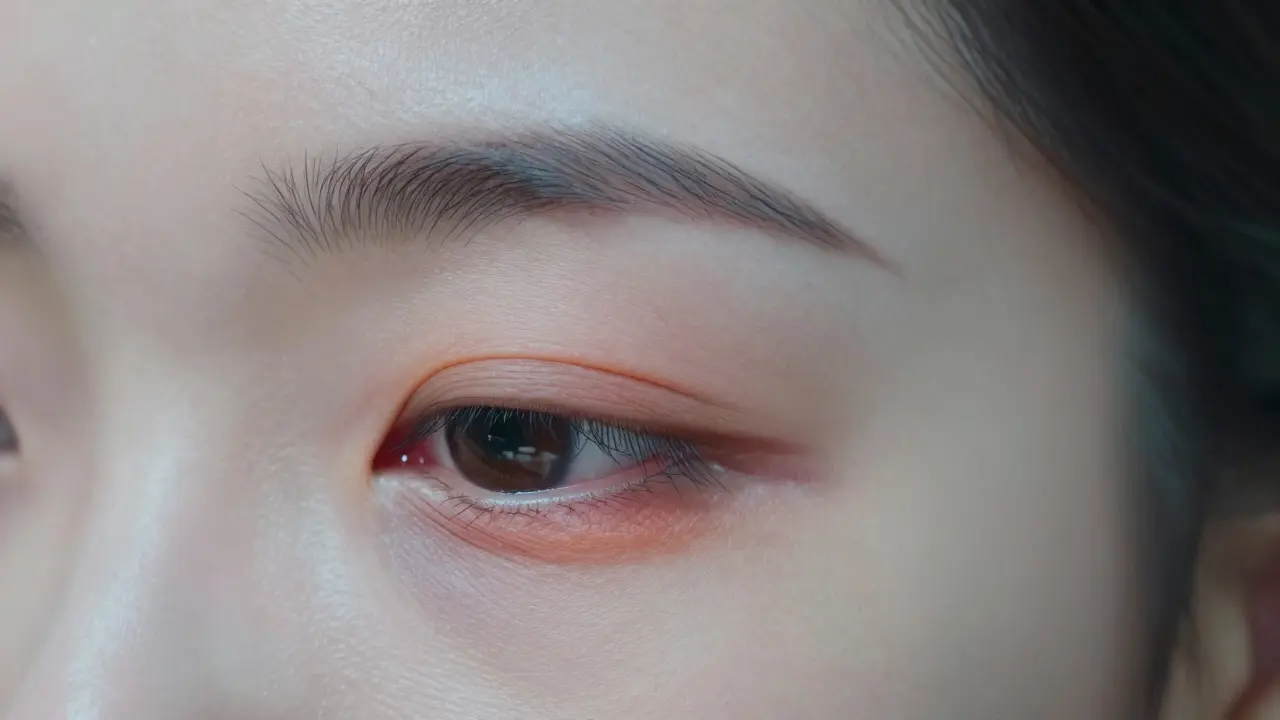
Your scalp has thicker skin (about 1.5 mm thick) compared to the delicate skin around your eyes (which can be as thin as 0.5 mm). When you apply high-volume developers (like 20 volume or higher) near your eyes, the chemicals are absorbed much faster. If even a tiny drop migrates into your tear duct or touches the eyeball, it causes immediate, intense pain and potential corneal damage.
- Absorption Rate: Eye-area skin absorbs chemicals up to three times faster than scalp skin.
- pH Levels: Scalp dyes often have a high pH (9-10) to open hair shafts. This alkalinity disrupts the natural protective barrier of the eye socket.
- Contact Time: Scalp dyes sit for 30-45 minutes. Leaving strong oxidizers near your eyes for that long is a recipe for chemical burns.
The Real Danger: PPD Allergies and Severe Reactions
The biggest culprit in hair dye allergies is Paraphenylenediamine (PPD), a common ingredient in dark permanent dyes. While many people use PPD-containing dyes on their heads without issue, the concentration required to darken coarse brow hairs often triggers sensitization when applied to the face.
An allergic reaction to PPD on the face doesn't just cause a rash. It can lead to angioedema-severe swelling of the eyelids that can shut your eyes completely for days. In extreme cases documented by dermatologists, repeated exposure can cause contact dermatitis that lasts for weeks, requiring steroid treatment.
If you've never done a patch test, do not assume you're safe. Sensitization can happen after years of use. One day you're fine; the next time you apply it near your eyes, your body reacts violently because your immune system has finally recognized the molecule as a threat.
Safer Alternatives: How to Color Your Brows Correctly
Just because you shouldn't use head dye doesn't mean you can't change your brow color. There are products specifically formulated for the eye area. These are designed with lower ammonia levels, gentler developers (usually 3% to 6% hydrogen peroxide), and shorter processing times.
Professional Eyebrow Tinting
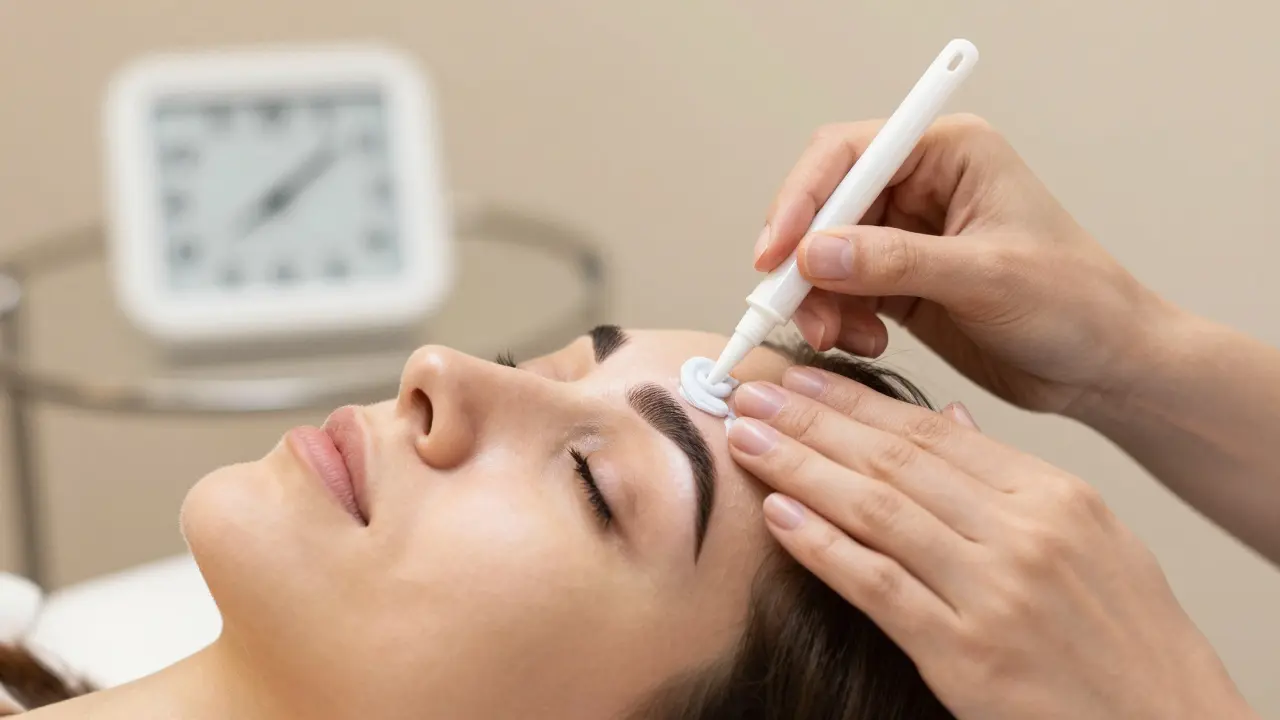
This is the gold standard. A licensed esthetician uses vegetable-based or low-ammonia tints that sit on the surface of the hair rather than penetrating deep into the follicle. The process takes about 5-10 minutes. Because it’s done by a professional, they know how to protect your skin with petroleum jelly and prevent migration into the eyes.
At-Home Brow Tint Kits
If you prefer doing it yourself, buy a kit labeled specifically for "eyebrows" or "lashes." Brands like Refectocil, L'Oreal Casting Crème Gloss (used cautiously), or specialized brow gels are safer bets. Look for these features:
- Low Volume Developer: Ensure the developer is 3% to 6% (often called "extra mild"). Never use 10% or higher.
- No Ammonia: Opt for ammonia-free formulas to reduce fumes and irritation.
- Short Processing Time: These kits usually require only 3-5 minutes of contact time.
Henna Brow Tinting
Natural henna is another popular option. Unlike chemical dyes, henna coats the hair shaft and stains the skin slightly, giving a fuller appearance. However, be cautious of "black henna," which often contains illegal amounts of PPD to achieve a dark color quickly. Stick to pure, natural henna powders from reputable sources.
| Method | Safety Level | Duration | Cost | Best For |
|---|---|---|---|---|
| Scalp Hair Dye | High Risk | 4-6 Weeks | Low | Avoid entirely |
| Pro Brow Tint | High Safety | 3-6 Weeks | Medium ($40-$80) | Precision, first-timers |
| At-Home Kit | Moderate Safety | 2-4 Weeks | Low ($10-$20) | Budget-conscious users |
| Henna | High Safety (if pure) | 4-6 Weeks | Medium | Fuller look, natural preference |

The Connection Between Waxing and Dyeing
Many people combine eyebrow shaping with coloring. If you use an eyebrow wax kit to shape your brows, timing matters immensely. Waxing removes the top layer of skin and opens pores. Applying any dye immediately after waxing increases absorption rates dramatically, raising the risk of irritation and uneven color uptake.
Always wait at least 48 hours after waxing before applying any tint or dye. This allows the skin barrier to heal and reduces the chance of a chemical burn. Conversely, if you tint first, wait a few days before waxing to ensure the color has set and the skin isn't sensitized.
Step-by-Step: How to Safely Tint Brows at Home
If you decide to proceed with an at-home brow tint, follow these steps to minimize risk:
- Perform a Patch Test: 48 hours before tinting, apply a small amount of the mixed dye behind your ear or on your inner arm. Check for redness, itching, or swelling.
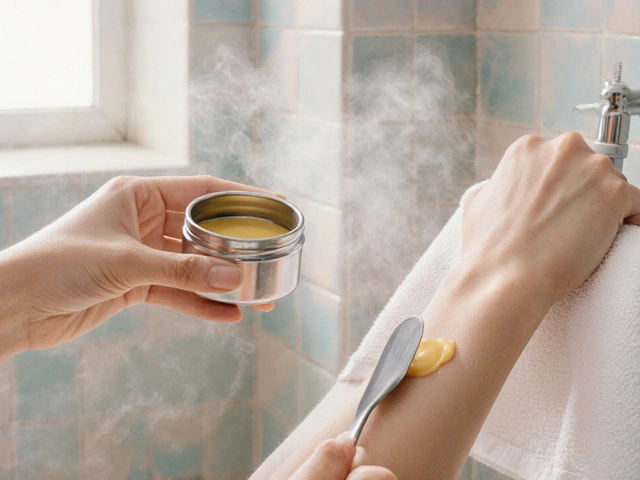
- Protect the Skin: Apply a thin layer of petroleum jelly or a specialized barrier cream along the brow bone and under the brow. This prevents the dye from staining the skin and protects against minor irritation.
- Mix Freshly: Only mix the amount of dye you need. Pre-mixed solutions lose potency and can become unstable.
- Apply Carefully: Use a angled brush to apply the tint only to the hair, avoiding the skin as much as possible. Work quickly but gently.
- Set a Timer: Do not guess the time. Follow the kit instructions exactly. Usually, this is 3-5 minutes. Longer does not mean better; it means more damage.
- Rinse Thoroughly: Use cool water and a cotton pad to wipe away the tint. Avoid rubbing harshly. Moisturize the area afterward.
What to Do If You Get Dye in Your Eyes
Accidents happen. If you accidentally get hair dye or tint in your eye, act immediately:
- Flush Immediately: Rinse your eye with lukewarm water or saline solution for at least 15 minutes. Keep your eye open during the rinse.
- Do Not Rub: Rubbing can scratch the cornea, especially if particles are present.
- Seek Medical Help: If pain persists, vision is blurred, or redness doesn't subside after rinsing, go to an urgent care clinic or ER. Chemical burns to the eye can worsen over time if not treated properly.
FAQ: Common Questions About Brow Dyeing
Can I use box hair dye on my eyebrows?
No, you should not use standard box hair dye on your eyebrows. The chemicals are too strong for the sensitive skin around the eyes and can cause severe allergic reactions, chemical burns, or even blindness if they enter the eye.
Is eyebrow tinting safe?
Eyebrow tinting is generally safe when performed by a professional using products formulated for the eye area. At-home kits are safer than scalp dyes but still carry risks if not used correctly. Always perform a patch test 48 hours prior.
How long does eyebrow tint last?
Professional eyebrow tinting typically lasts 3 to 6 weeks, depending on your hair growth cycle and skincare routine. At-home kits may fade slightly faster, lasting 2 to 4 weeks.
Can I tint my eyebrows right after waxing?
No, you should wait at least 48 hours after waxing before tinting your eyebrows. Waxing exfoliates the skin and opens pores, making it more susceptible to irritation and chemical absorption from the dye.
What should I do if I get dye in my eye?
Rinse your eye immediately with lukewarm water or saline solution for at least 15 minutes. Do not rub your eye. If pain, redness, or vision changes persist, seek medical attention immediately.
Are there natural alternatives to chemical brow dye?
Yes, pure henna is a popular natural alternative. It coats the hair and stains the skin slightly, providing a fuller look. However, avoid "black henna" which may contain harmful additives like PPD. Other options include coffee grounds or tea bags, though results are subtle and temporary.
How often can I tint my eyebrows?
It is recommended to tint your eyebrows every 3 to 4 weeks. Over-processing can weaken the hair and irritate the skin. Allow your brows to rest between sessions to maintain health.
Final Thoughts: Prioritize Safety Over Convenience
While it might seem tempting to use whatever dye is lying around the house, your eyes are not worth the risk. The difference between a scalp dye and a brow tint is significant in terms of formulation and safety. Invest in a proper eyebrow tinting kit or visit a professional. Your brows will look great, and your eyes will thank you.