
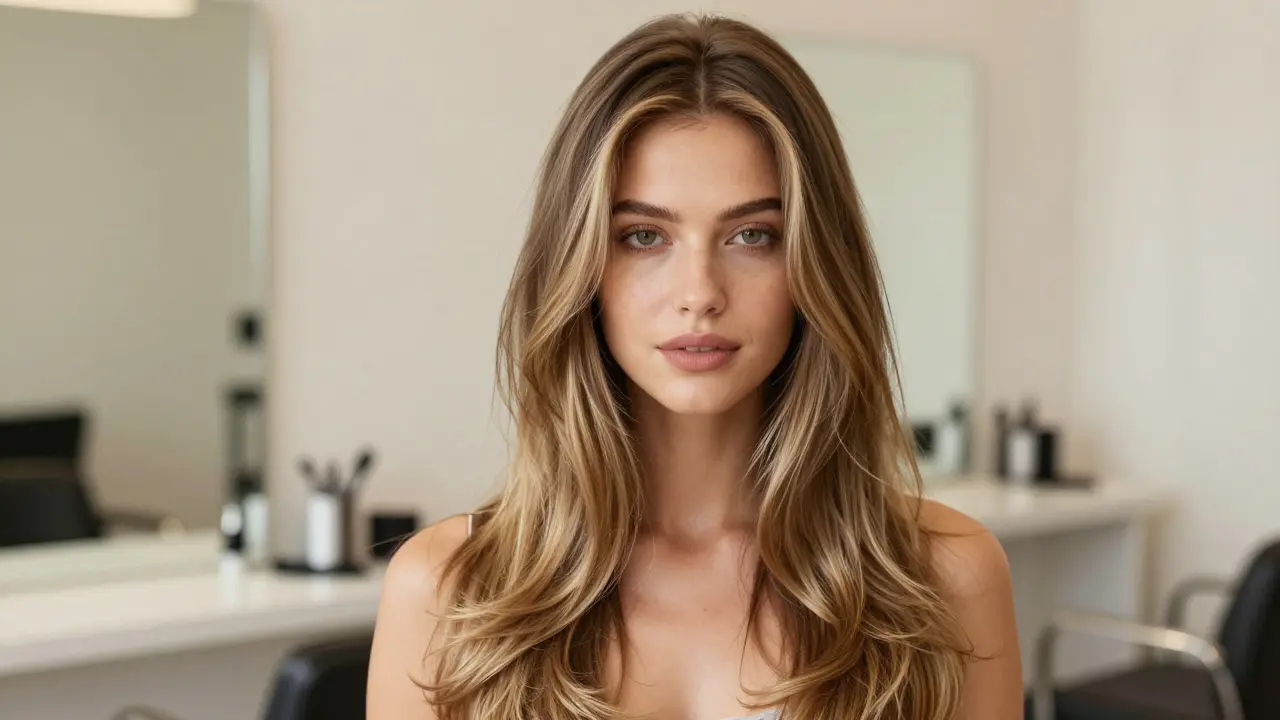
There is no single "best" hairstyle for every girl. The perfect cut depends entirely on your face shape, hair texture, and how much time you want to spend styling it each morning. In 2026, the trend has shifted away from high-maintenance perfection toward styles that look effortless but are actually strategically designed to flatter specific features. Whether you have thick curls, fine straight strands, or something in between, finding the right silhouette can change how you feel about your reflection.
We often chase what we see on social media feeds, but a style that looks amazing on an influencer with a long oval face might completely overwhelm someone with a round or square jawline. The goal here isn't just to follow a trend; it's to find a cut that works *for* you. Let’s break down exactly which styles suit which faces, textures, and lifestyles so you can walk into any salon with confidence.
Matching Your Cut to Your Face Shape
Your face shape is the most critical factor in choosing a flattering hairstyle. It determines where volume should sit and where lines should be soft or sharp. If you get this wrong, even the most trendy cut will look off. Here is how to identify your shape and pick the winner.
| Face Shape | Key Features | Best Styles | Styles to Avoid |
|---|---|---|---|
| Oval | Balanced proportions, slightly narrower chin | Long layers, blunt bobs, center parts | Heavy bangs that cover forehead entirely |
| Round | Equal width and length, soft angles | Sidebar part, long layers starting below chin, pixie with height | Chin-length blunt bobs, wide curls at cheek level |
| Square | Strong jawline, broad forehead | Soft waves, side-swept bangs, shag cuts | Straight-across blunt bangs, severe slick-backs |
| Heart | Wide forehead, narrow chin | Side-parted bobs, chin-length lobs, curtain bangs | Top-heavy volume, very short back pixies |
| Oblong | Longer than wide, narrow cheeks | Side-swept bangs, voluminous curls, blunt bobs | Super long straight hair, high ponytails without volume |
If you have a round face, the trick is to create the illusion of length. Avoid cuts that end exactly at the widest part of your cheeks, as this emphasizes width. Instead, opt for layers that start below the chin or add height at the crown. For those with a square face, softening the strong jawline is key. Side-swept bangs and textured waves break up the angularity better than straight, heavy lines.
Texture Matters More Than Length
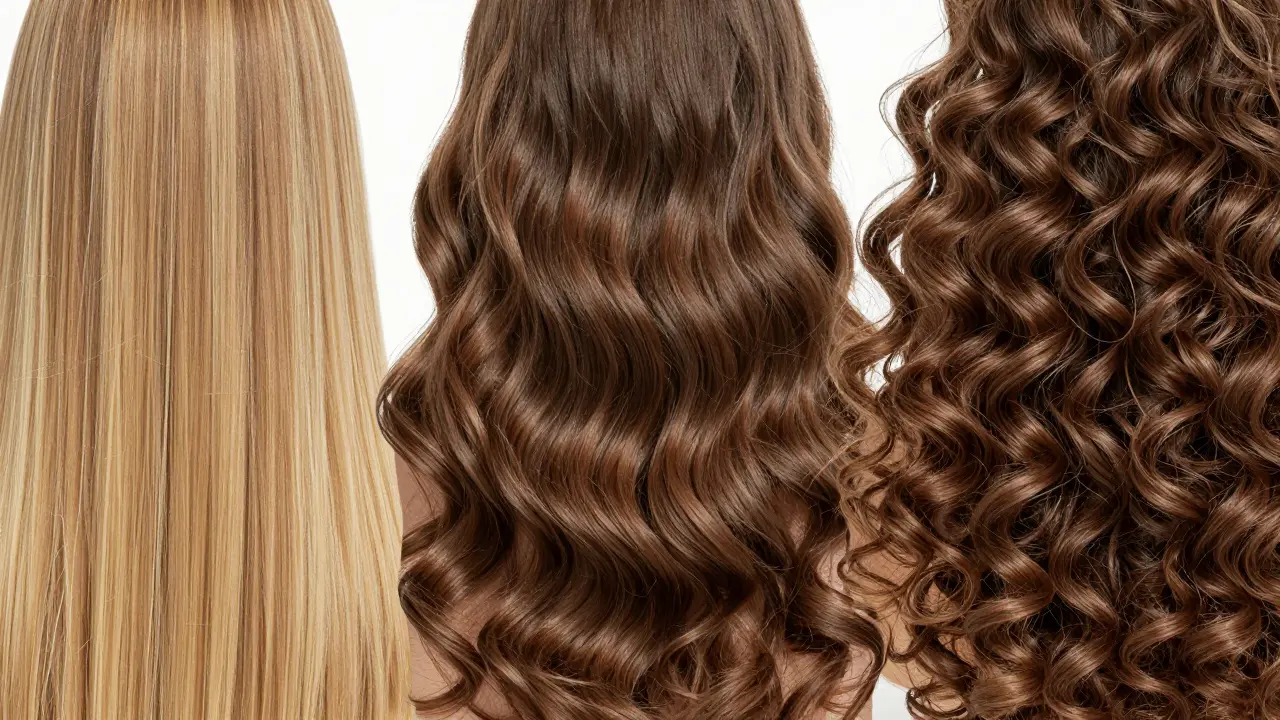
Hair texture dictates how a style will behave in real life, not just in the salon chair. Many girls struggle because they try to replicate a style meant for fine, straight hair onto their own thick, curly locks. Understanding your natural texture helps you choose a cut that requires less fighting against your hair’s natural pattern.
- Fine, Straight Hair: This type often lacks volume. Blunt cuts like the classic bob or lob (long bob) work well because they create the illusion of thickness. Avoid excessive layering, which can make fine hair look wispy and thin. Use lightweight volumizing sprays rather than heavy creams.
- Wavy Hair: Wavy hair thrives on movement. Long layers prevent the hair from looking triangular or bulky. The "shag" cut remains popular in 2026 because it enhances natural wave patterns without requiring heat styling. Ask your stylist for point-cutting techniques to soften ends.
- Curly/Coily Hair: Curly hair shrinks when dry, so length perception is tricky. Cuts like the DevaCut or other curl-specific methods ensure the shape holds up when dry. Short pixies or bobs reduce weight, allowing curls to spring up rather than stretch out. Heavy products define coils, while light mousses enhance bounce.
- Thick, Coarse Hair: This texture holds structure well but can look frizzy if not managed. Long layers help remove bulk without sacrificing length. Regular trims are essential to prevent split ends from traveling up the shaft, which causes frizz.
Ignoring your texture leads to daily frustration. If you have tight curls, a sleek, straight bob will require daily heat styling, which damages hair over time. Embracing your natural texture with the right cut saves hours and keeps your hair healthier.
Low-Maintenance Styles for Busy Schedules
Not everyone wants to spend twenty minutes styling their hair before school or work. In 2026, "wash-and-go" aesthetics dominate because they prioritize health and ease. These styles look intentional even when you’re rushing.
The textured lob is the ultimate low-maintenance champion. It hits just above the shoulders, making it easy to tie up if needed, but looks polished left down. Because it’s not super long, it doesn’t tangle easily, and because it’s not super short, it grows out gracefully without needing frequent trims.
Another great option is the curtain bangs. Unlike blunt bangs that grow out awkwardly and require cutting every few weeks, curtain bangs blend seamlessly into the rest of your hair as they lengthen. They frame the face beautifully and can be tucked behind ears if they get in the way. This style works for almost all face shapes and hair types, provided the length is adjusted to your proportions.
For those with shorter hair preferences, the modern pixie with longer sides offers a fresh look that dries quickly. It eliminates blow-drying time entirely. Just apply a small amount of product to damp hair, scrunch, and let air dry. It’s a bold choice but incredibly freeing once you adjust to the new routine.

Trends That Actually Last Beyond 2026
Hair trends come and go, but some silhouettes remain timeless because they align with human facial symmetry principles. While TikTok may push extreme changes weekly, these styles have staying power.
- The Classic Bob: Clean, sharp, and versatile. It can be worn sleek for a professional look or tousled for a casual vibe. It never goes out of style because it highlights the neck and jawline universally.
- Long Layers: Adding movement to long hair prevents it from looking like a heavy curtain. This style allows for versatility-you can wear it down, half-up, or in a bun. It grows out invisibly, meaning fewer salon visits.
- Natural Texture Enhancement: The trend of embracing natural curls and waves continues. Products and cuts are increasingly designed to enhance, not fight, natural patterns. This approach reduces damage and boosts confidence.
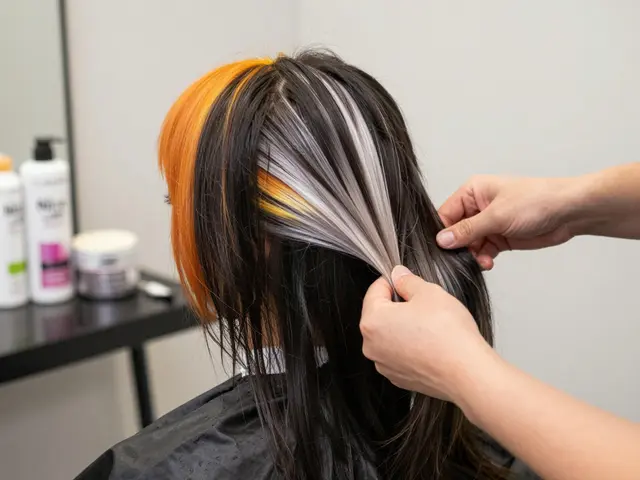
Avoid chasing micro-trends like extreme undercut fades or neon colors unless you are prepared for the upkeep. These styles require frequent touch-ups and can limit job opportunities in conservative fields. Stick to structural changes-cuts and lengths-that offer flexibility.
Styling Tips Without Heat Damage
Heat styling is the number one cause of hair damage, leading to breakage, dryness, and loss of elasticity. You can achieve polished looks without touching a flat iron or curling wand.
Use heatless curls techniques. Braiding damp hair overnight or using silk rollers creates soft waves by morning. This method protects the cuticle and adds shine. For straight hair, use a tension-based drying technique: brush hair straight while blow-drying on cool settings, or use a paddle brush to smooth flyaways after washing.
Product selection matters. Silicone-based serums seal moisture but can build up on fine hair, weighing it down. Water-based leave-in conditioners provide hydration without residue. Always apply product to damp hair, not dry, for even distribution. Section hair to ensure roots get attention, not just ends.
Regular trims every 8-12 weeks prevent split ends from traveling up the strand. Split ends cannot be repaired; they must be cut. Neglecting this step makes even the best haircut look ragged within months.
What is the best hairstyle for a round face?
For a round face, aim for styles that elongate the face. Long layers starting below the chin, side-parted bobs, and pixie cuts with volume at the crown work well. Avoid chin-length blunt cuts or wide curls at cheek level, as these emphasize width.
How do I choose a hairstyle for thick hair?
Thick hair benefits from long layers to remove bulk without losing length. Point-cutting techniques soften edges. Regular trims are essential to prevent tangling and frizz. Avoid overly short cuts unless you are willing to use thinning shears regularly.
Are curtain bangs good for beginners?
Yes, curtain bangs are ideal for beginners. They grow out gracefully without looking awkward, unlike blunt bangs. They frame the face softly and can be tucked behind ears if they become bothersome. Most hair types can carry them well.
What is the lowest maintenance hairstyle?
The textured lob (long bob) is widely considered the lowest maintenance. It doesn’t require daily styling, grows out evenly, and can be tied up if needed. A modern pixie with longer sides is also low maintenance for those who prefer short hair.
How often should I trim my hair?
Every 8-12 weeks is recommended for most hair types. This prevents split ends from traveling up the shaft, keeping the cut looking sharp and healthy. Fine hair may need more frequent trims to maintain shape, while coarse hair can sometimes go longer.