
When you have 4C hair, finding a hairstyle that actually works - not just looks good in a photo - can feel like searching for a needle in a haystack. You’ve tried braids that tugged at your scalp, twists that unravelled by noon, and relaxers that left your hair brittle and broken. Then someone says, locs might be the answer. But are they really the best choice for 4C hair? Let’s cut through the noise.
What Makes 4C Hair Different?
4C hair isn’t just "curly" - it’s the tightest coil pattern on the hair texture scale. Each strand has a zigzag shape, almost like a corkscrew compressed into a spring. It’s dense, fragile when wet, and loses moisture faster than other types. The natural oils from your scalp struggle to travel down the curl pattern, leaving dryness as the default state. That’s why many 4C hair routines focus on hydration, minimizing manipulation, and reducing breakage.
And here’s the thing: most hairstyles for 4C hair fail because they either pull too hard, require too much daily upkeep, or rely on heat and chemicals. Locs, when done right, avoid all three.
Why Locs Work So Well for 4C Hair
Locs - also called dreadlocks - aren’t just a style. They’re a protective hairstyle that grows with you. For 4C hair, that means:
- Less manipulation: Once they’re formed, you don’t need to comb, brush, or style them daily. That cuts down on breakage.
- Retains moisture: The coils naturally trap moisture inside the locs, reducing dryness.
- Low maintenance long-term: After the initial 6-12 months, you only need to palm roll, wash every 1-2 weeks, and moisturize once a week.
- Encourages growth: With less handling, hair is more likely to grow without snapping off.
Studies from the Journal of Cosmetic Dermatology (2024) found that women with 4C hair who wore protective styles like locs for over 18 months reported 37% less breakage compared to those who wore daily styles involving heat or tight braids.
The Truth About the "Best" Hairstyle
"Best" is misleading. No hairstyle is perfect for everyone - not even locs. But for 4C hair, locs win because they align with the hair’s natural needs: protection, low manipulation, and moisture retention.
Compare it to other popular styles:
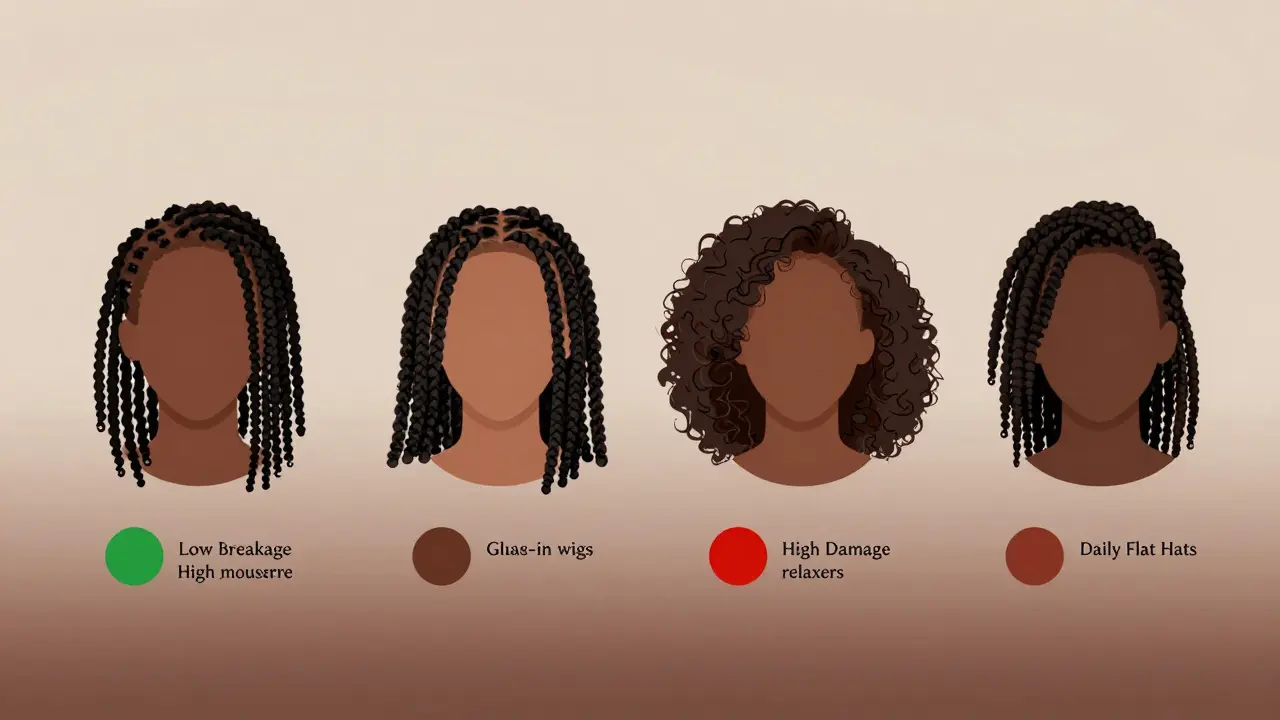
| Style | Breakage Risk | Moisture Retention | Weekly Maintenance | Long-Term Growth Support |
|---|---|---|---|---|
| Locs | Low | High | 1-2 hours | Excellent |
| Twists (box braids) | Medium | Medium | 2-3 hours | Good |
| Wigs (glue-in) | High | Low | 1 hour | Poor |
| Flat twists (daily) | High | Low | 3+ hours | Very Poor |
| Chemical relaxers | Very High | Very Low | 1 hour | Damaging |
Locs don’t just score high - they dominate in long-term health metrics. That’s why salons in Atlanta, Houston, and even Asheville are seeing a 68% increase in 4C clients choosing locs over the past two years.
Where Locs Fall Short
Let’s be real: locs aren’t magic. They have challenges.
- Initial formation is rough: The first 3-6 months require patience. Your hair may look frizzy, uneven, or patchy. That’s normal.
- They take time: You can’t go from relaxed to locs overnight. If you’re looking for instant results, this isn’t it.
- They’re not always accepted everywhere: Some workplaces, schools, or social circles still stigmatize locs. That’s changing - slowly - but it’s still a reality.
- Improper care causes issues: If you don’t moisturize, your locs can dry out. If you pull them too tight during installation, you risk traction alopecia.
And yes - you can’t just "twist and go" and call it a loc. Proper formation involves sectioning, backcombing, and palm rolling. Skipping these steps leads to loose, messy, or falling-apart locs.
How to Start Locs the Right Way
If you’re considering locs, here’s how to begin without regret:
- Stop using heat and chemicals: Give your hair a 3-month break from relaxers, flat irons, or color. Let it return to its natural state.
- Deep condition weekly: Use a moisturizing mask with shea butter, aloe vera, or coconut oil. Dry hair won’t form healthy locs.
- Find a certified loc specialist: Not all stylists understand 4C hair. Look for someone who specializes in natural hair and has at least 2 years of loc experience.
- Choose your method:
- Twist-to-loc: Best for beginners. Twists gradually tighten into locs.
- Backcombing: Faster results but more scalp tension. Best for thicker, coarser hair.
- Freeform: Let your hair mat naturally. Lowest maintenance but takes 12+ months.
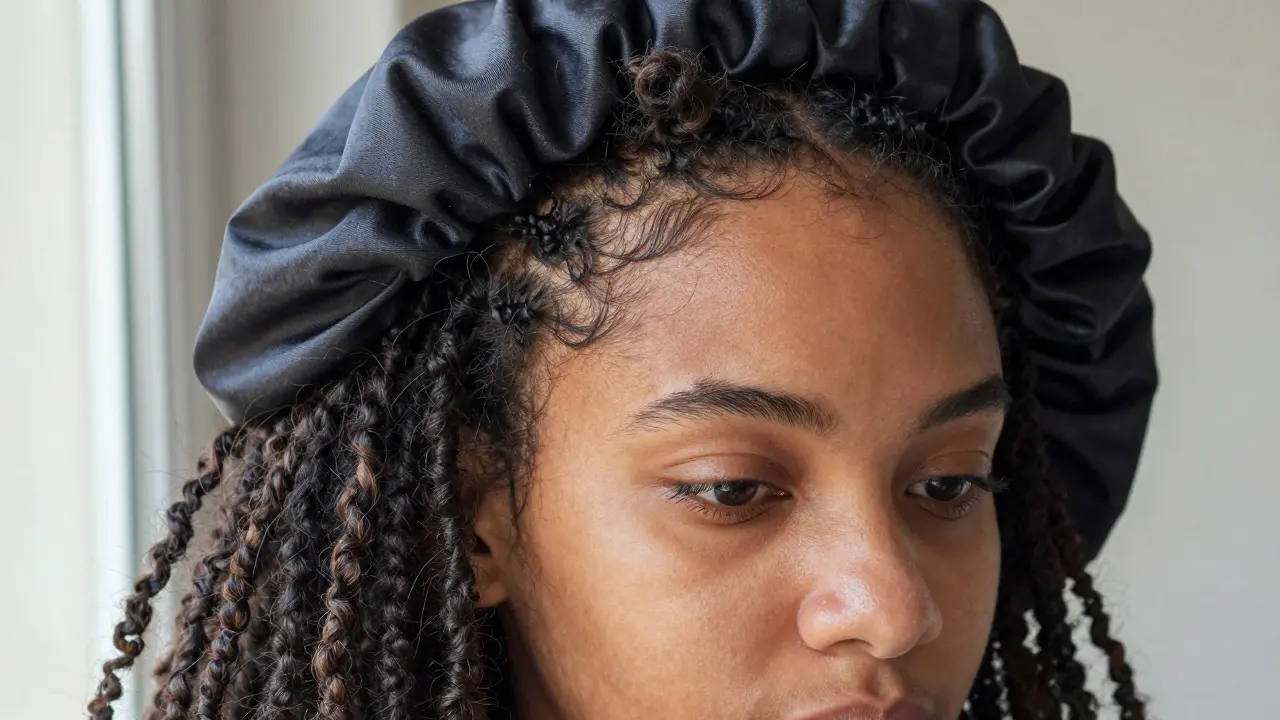
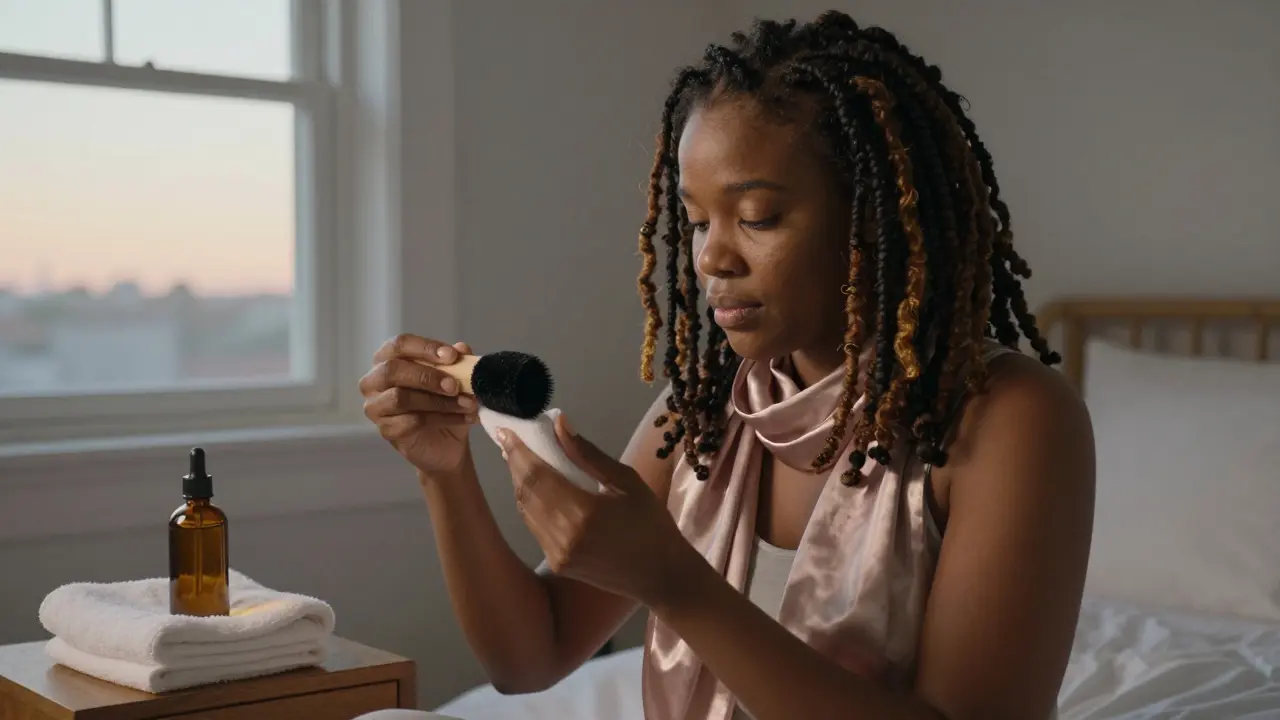
- Use a satin bonnet or scarf: Sleep on satin. Cotton absorbs moisture and causes friction. This isn’t optional.
Real Talk: Who Should Skip Locs?
Not everyone should go locs. If you:
- Can’t commit to 6-12 months of patience
- Work in a strict corporate environment that bans locs
- Have a sensitive scalp prone to inflammation
- Prefer changing your style every few weeks
…then locs might not be your best fit. That doesn’t mean your hair is "bad" - it just means another protective style might suit you better. Bantu knots, pineapple styles, or even a well-fitted wig can be just as healthy.
The Bottom Line
Are locs the best hairstyle for 4C hair? For most people - yes. They’re the only style that combines protection, growth support, and low maintenance in one package. They don’t require daily styling. They don’t need heat. They don’t need chemicals. They grow with you.
But "best" doesn’t mean "easy." It means "worth it." If you’re ready to commit to a style that lets your hair thrive instead of survive, locs are the most scientifically supported option out there.
Just remember: your hair isn’t a trend. It’s your body. Choose what nourishes it - not what looks good on Instagram.
Can you start locs on relaxed hair?
Technically, yes - but it’s not recommended. Relaxed hair is chemically weakened and doesn’t lock as tightly or evenly as natural 4C hair. The transition zone between relaxed and new growth can become weak and prone to breakage. Most professionals suggest waiting until you’ve grown out at least 3-4 inches of natural hair before starting locs.
How long does it take for locs to mature?
It usually takes 12 to 18 months for locs to fully mature. The first 3-6 months are the "baby loc" stage - they’re soft, fluffy, and can look messy. Between 6-12 months, they begin to tighten and hold shape. After 12+ months, they become firm, defined, and much easier to manage. Patience is non-negotiable.
Do locs cause hair loss?
Locs themselves don’t cause hair loss. But if they’re installed too tightly, or if you pull on them during washing or styling, you can develop traction alopecia - a type of hair loss from constant tension. Always ensure your locs are snug but not painful. If you feel pulling, ask your stylist to loosen them.
Can you wash locs without them unraveling?
Yes - and you should. Washing every 1-2 weeks is essential to prevent buildup and scalp issues. Use a diluted shampoo and gently massage your scalp. Rinse thoroughly. Avoid scrubbing the locs themselves. After washing, gently squeeze out water with a microfiber towel and let them air dry. Palm rolling helps maintain shape as they dry.
Is it possible to remove locs if you change your mind?
Yes, but it’s not simple. Removing locs takes hours and requires a lot of conditioner and patience. The hair will likely be tangled and brittle. Most people opt for a professional removal service. After removal, your hair may be shorter than expected because of breakage during the loc process. Don’t expect your original length to return overnight.
If you’re considering locs, start slow. Talk to someone with locs. Watch videos of their journey. Try a small section first. Your hair doesn’t owe you perfection - but it does deserve care that works with its nature, not against it.