
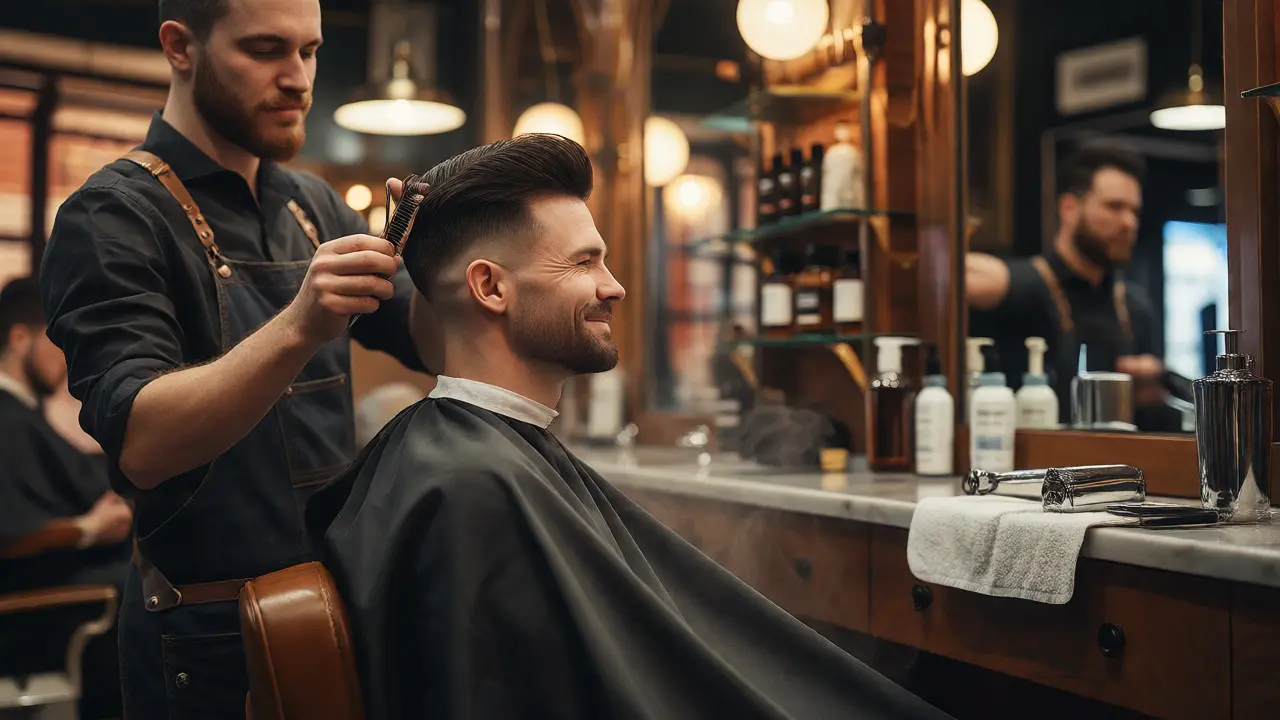
You sit in the chair, the cape is on, and the barber starts cutting. The cut looks great. You walk to the register, see the total, and hesitate. Is $30 plus tip actually fair for a men's haircut? Or are you getting ripped off? This question pops up constantly because hair prices vary wildly depending on where you live, who cuts your hair, and what services you get.
The short answer: It depends. But we can break it down so you know exactly when that price tag is justified and when you’re overpaying. Let’s look at the numbers, the service quality, and the social norms around tipping in 2026.
What Does $30 Actually Buy You?
In many major US cities like New York, San Francisco, or Chicago, $30 is barely enough to cover a basic clipper cut at a high-end shop. In smaller towns or rural areas, $30 might buy you a luxury experience with hot towels and beard trim included. Context matters more than the raw number.
When you pay $30 before tip, you should expect specific things. If you aren’t getting them, you’re overpaying. Here’s what a standard $30 men’s haircut includes in most metropolitan areas:
- Consultation: A quick chat about what you want, not just "same as last time" without checking if your style needs updating.
- Precision Cutting: Scissor work on top, clean fades or tapers on the sides, and attention to detail around the ears and neck.
- Wash and Style: Most barbers include a shampoo and blow-dry. If they don’t, ask why. At this price point, it’s usually expected.
- Cleanliness: Fresh capes, sanitized tools, and a tidy station. No one wants to feel hair clippings falling into their collar from a previous customer.
If you’re paying $30 for a 15-minute rushed job in a strip mall with no wash, you’re probably paying too much. Conversely, if you’re paying $30 for a 45-minute session with a master barber who styles your hair perfectly, that’s a steal.
The Tipping Etiquette: How Much Should You Add?
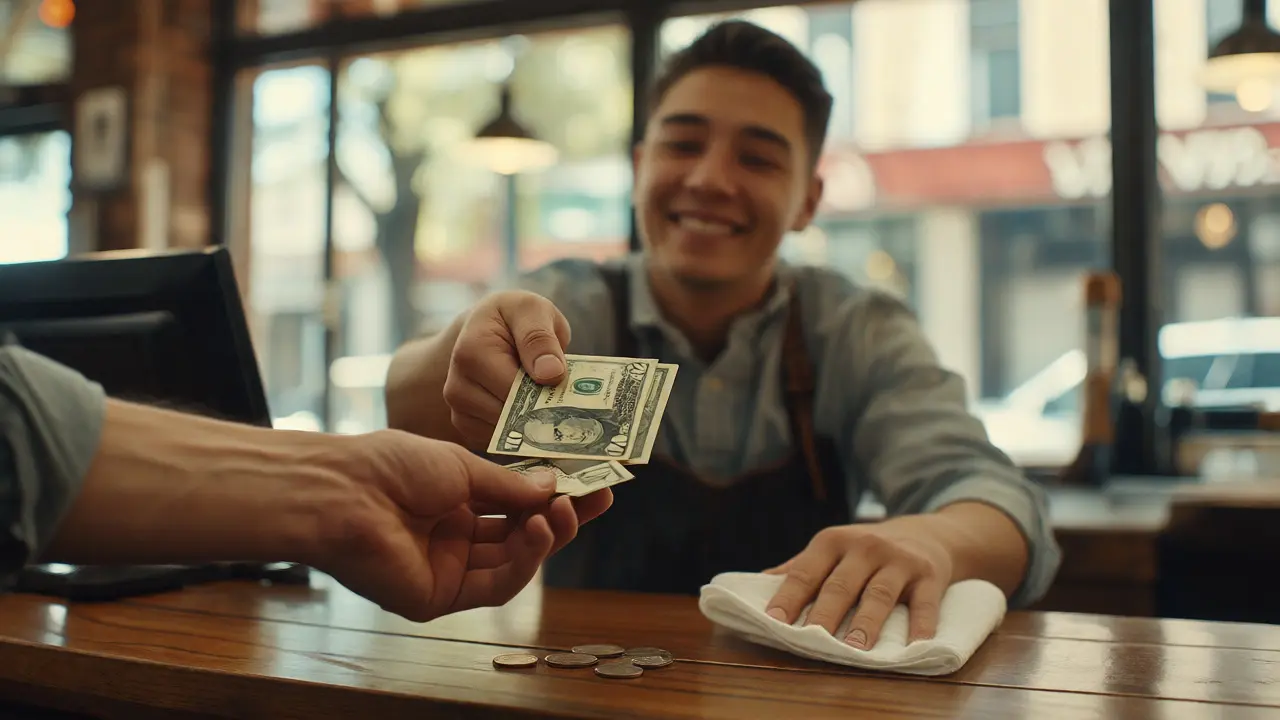
Tipping confuses everyone. Should you tip on the pre-tax amount? On the service only? What percentage is standard now? In 2026, the norm has shifted slightly due to inflation and rising costs of living for service workers.
Most barbers expect 20% to 25% of the service cost. Yes, twenty percent. That means on a $30 cut, you’re handing over $6 to $7.50. Your total becomes $36 to $37.50. Some people still stick to 15%, but that’s becoming less common in urban centers. If the barber goes above and beyond-fixes a mistake, gives great advice, or remembers your name and preference-tipping closer to 25% builds loyalty. They’ll take better care of you next time.
Do you tip on tax? Generally, no. Tip on the subtotal. Do you tip cash? Cash is king. Barbers often prefer cash tips because they hit their pocket immediately, bypassing credit card processing delays and fees. If you pay by card, the tip goes through the system, which might mean slower access to funds for the barber.
Regional Price Differences: Where $30 Is Cheap vs. Expensive
A haircut isn’t priced in a vacuum. Rent, labor laws, and local demand drive costs. Let’s compare three typical scenarios to show how $30 fits differently across the country.
| Region Type | Average Base Price | Expected Service Level | Is $30 + Tip Fair? |
|---|---|---|---|
| Major Metropolis (NYC, SF, LA) | $40 - $80+ | Luxury/High-End | Yes, it's cheap. Likely a junior barber or promo. |
| Mid-Sized City (Austin, Denver, Atlanta) | $25 - $40 | Standard Professional | Yes, very fair for a solid mid-range shop. |
| Small Town / Rural | $15 - $25 | Basic/Community | No, likely overpriced unless it's a premium boutique. |
Notice the pattern? In expensive cities, $30 is low. You might be seeing an apprentice or catching a happy hour deal. In rural areas, $30 is high. You need to justify that cost with exceptional skill or amenities. Always check Yelp or Google Reviews for local averages before judging the price.
Service Quality: When Is It Worth Paying More?
Not all haircuts are created equal. A simple buzz cut takes ten minutes. A textured crop with scissor work and styling takes forty. You’re paying for time and expertise.
Consider these factors when deciding if the price matches the value:
- Barber Experience: Master barbers charge more because they’ve spent years perfecting their craft. They understand head shapes, hair density, and growth patterns better than a novice.
- Complexity of Style: Fades, undercuts, and intricate designs require more skill and time. If you have thick, curly hair that needs precise thinning, expect to pay more than someone with straight, fine hair.
- Additional Services: Beard trims, hot towel treatments, and scalp massages add value. If your $30 quote includes a beard shape-up, that’s a good deal. If it doesn’t, and you add it later, the total will climb.
Ask yourself: Did the barber listen? Did they offer advice? Did the cut grow out well? If yes, the price was fair. If you had to go back for corrections within a week, you wasted your money regardless of the sticker price.
How to Evaluate Your Barber Before Committing Long-Term
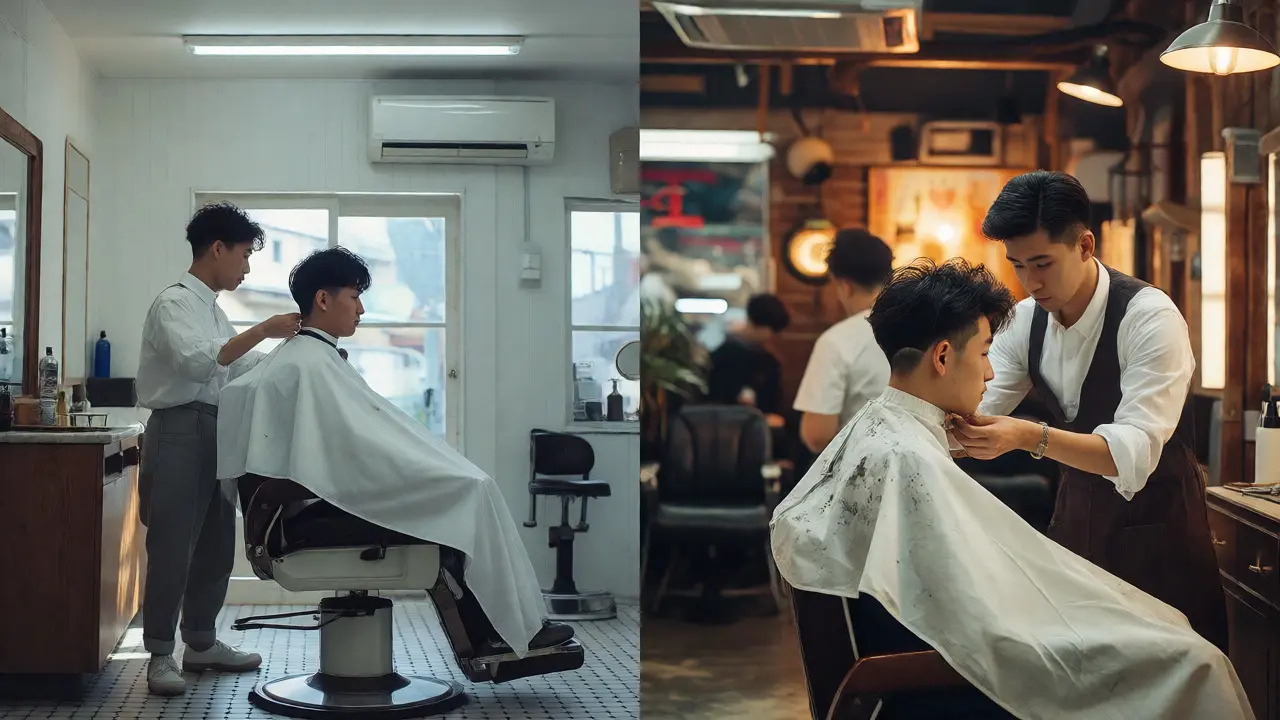
You shouldn’t blindly accept any price. Vet your barber first. Look for signs of professionalism. Are their tools clean? Do they use fresh neck strips? Do they sanitize combs between clients? These small details indicate respect for hygiene and safety.
Try a test run. Book a standard cut. Observe the process. Did they rush? Did they talk too much or too little? Did they explain what they were doing? Communication is key. A good barber asks questions and manages expectations. If they promise a fade but deliver a taper, they didn’t listen. That’s a red flag, regardless of price.
Also, consider consistency. Can they replicate the cut every four weeks? If you have to explain your style from scratch every visit, you’re paying for their lack of memory or record-keeping. Many modern shops use apps to track client preferences. Ask if they do. If not, bring photos every time to avoid misunderstandings.
Budgeting for Your Hair: Smart Money Moves
Haircuts are a recurring expense. If you get one every four weeks, that’s 13 times a year. At $30 plus 20% tip ($36), you’re spending $468 annually. That adds up. Here’s how to optimize without looking bad.
- Extend the Interval: Learn basic maintenance. Use clippers at home for the sides between visits. Stretch your professional cut to six or eight weeks. This saves you two or three appointments a year.
- Find a Student Barber: Cosmetology schools often offer cuts at half price supervised by instructors. The wait time is longer, but the quality is often surprisingly good.
- Bundle Services: Some shops offer packages. Ten cuts for the price of nine. If you find a barber you love, ask about discounts for prepaid sessions.
- Skip the Extras: If you don’t need a hot towel or scalp massage, say no. Keep it simple. Basic cut and wash. Save the luxuries for special occasions.
Remember, the goal is looking sharp without breaking the bank. A $20 cut that looks decent is better than a $50 cut that looks identical. Value is subjective, but satisfaction is measurable.
Common Pitfalls to Avoid
Don’t fall for these traps:
- The Hidden Fee: Some shops charge extra for washing or styling. Read the menu carefully. Assume the listed price is for the cut only unless stated otherwise.
- The Upsell Pressure: Barbers might push expensive pomades or shampoos. You don’t need to buy them. Politely decline if you’re satisfied with your current products.
- The Guilt Tip: Don’t tip based on guilt. Tip based on service. If the barber was rude or careless, reduce the tip. If they were excellent, increase it. Consistency in tipping rewards good behavior.
Ultimately, fairness is about mutual respect. You pay for skill and time; they provide a service that makes you feel confident. If both sides feel valued, the price is right.
Is it rude to tip 15% instead of 20%?
It’s not necessarily rude, but it’s below the current standard in many urban areas. 15% might signal that the service was average or that you’re in a region with lower tipping norms. If the service was excellent, aim for 20%. If it was mediocre, 15% is acceptable feedback.
Should I tip my barber if he owns the shop?
Traditionally, you don’t tip shop owners. However, in 2026, many customers still tip owners if they perform the service themselves, especially if the owner does everything (cutting, cleaning, booking). A small tip ($5-$10) is appreciated but not mandatory. Check local customs or ask discreetly.
Why are men's haircuts sometimes cheaper than women's?
Historically, men’s cuts are shorter and take less time. Women’s cuts often involve washing, conditioning, drying, and styling long hair, which requires more labor hours. However, the gap is closing as men’s styles become more complex and salons adopt gender-neutral pricing based on time and effort rather than gender.
Can I negotiate the price of a haircut?
Rarely. Barbershop prices are fixed. You can ask about student discounts, senior rates, or military discounts. Some places offer lower prices during slow hours (e.g., Tuesday mornings). But haggling over the base rate is uncommon and might be seen as disrespectful.
What if I hate the haircut? Do I still tip?
If the barber tried their best but the result wasn’t what you wanted, tip normally. If they made a clear error (wrong length, uneven cut), they should fix it for free. After the fix, tip on the original service. If they refuse to fix it or make it worse, reduce the tip significantly (5-10%) to reflect dissatisfaction.