
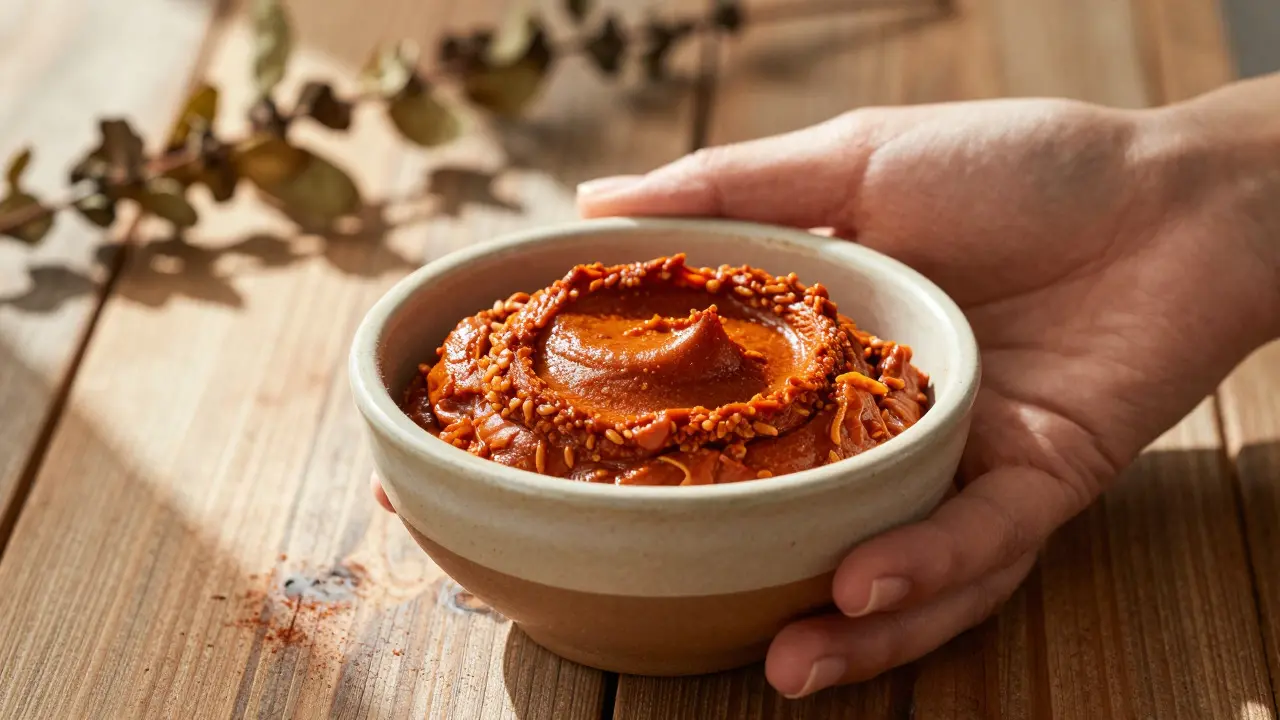
Walking into a salon or flipping through drugstore shelves can feel overwhelming when you’re looking for non-chemical hair color. You want your hair to look vibrant and healthy, but you don’t want to risk damaging the cuticle with harsh ammonia or triggering a scalp reaction with PPD. The reality is that "non-chemical" is a bit of a marketing trick-everything is technically a chemical, including water. What we really mean are dyes that avoid high-risk synthetic ingredients like strong oxidizers, resorcinol, and parabens, relying instead on plant-derived pigments or gentler formulations.
So, what actually works? Is it the ancient henna paste that takes four hours to apply? Or is it a modern box dye that claims to be "six-free"? The answer depends entirely on your hair type, how much gray you have, and how much time you’re willing to commit. Let’s break down the real options available in 2026, from pure botanicals to hybrid systems, so you can pick the one that fits your life.
Key Takeaways
- Pure Plant Dyes (Henna/Indigo): Best for those wanting zero synthetics. Great for darkening hair to brown or black. Requires 4-8 hours of application time.
- Low-Tox Oxidative Dyes: Best for reliable gray coverage and lighter shades. Brands like Madison Reed and Naturtint omit ammonia and PPD but still use mild developers.
- Semi-Permanent Glosses: Best for refreshing color between appointments. No peroxide or ammonia, but limited ability to cover heavy gray.
- Safety First: Always patch test. Even natural ingredients like henna and indigo can cause rare allergic reactions.
The Truth About "Chemical-Free" Labels
Before diving into products, it helps to understand what regulators and scientists actually say. In strict scientific terms, there is no such thing as a non-chemical dye. A 2022 safety review in the *International Journal of Environmental Research and Public Health* clarified that conventional dyes use aromatic amines and hydrogen peroxide, while natural dyes use preformed pigments from plants. The term "non-chemical" is really shorthand for "low-irritant" or "synthetic-free."
However, beware of greenwashing. A 2021 test by the Hong Kong Consumer Council analyzed 26 hair dyes marketed as "natural" or "herbal." They found that 61.5% of these products still contained known allergens or heavy metals. This means just because a box says "organic," it doesn’t guarantee safety. You need to look at the ingredient list, not just the front of the package.
Category 1: Pure Plant-Based Dyes (Henna & Indigo)
If you want the absolute closest thing to a zero-synthetic option, you’re looking at Henna (Lawsonia inermis) and Indigo (Indigofera tinctoria). These are the only two plant dyes widely accepted by clean-beauty experts as truly free of added chemicals. They work by depositing pigment onto the surface of the hair shaft rather than bleaching it open.
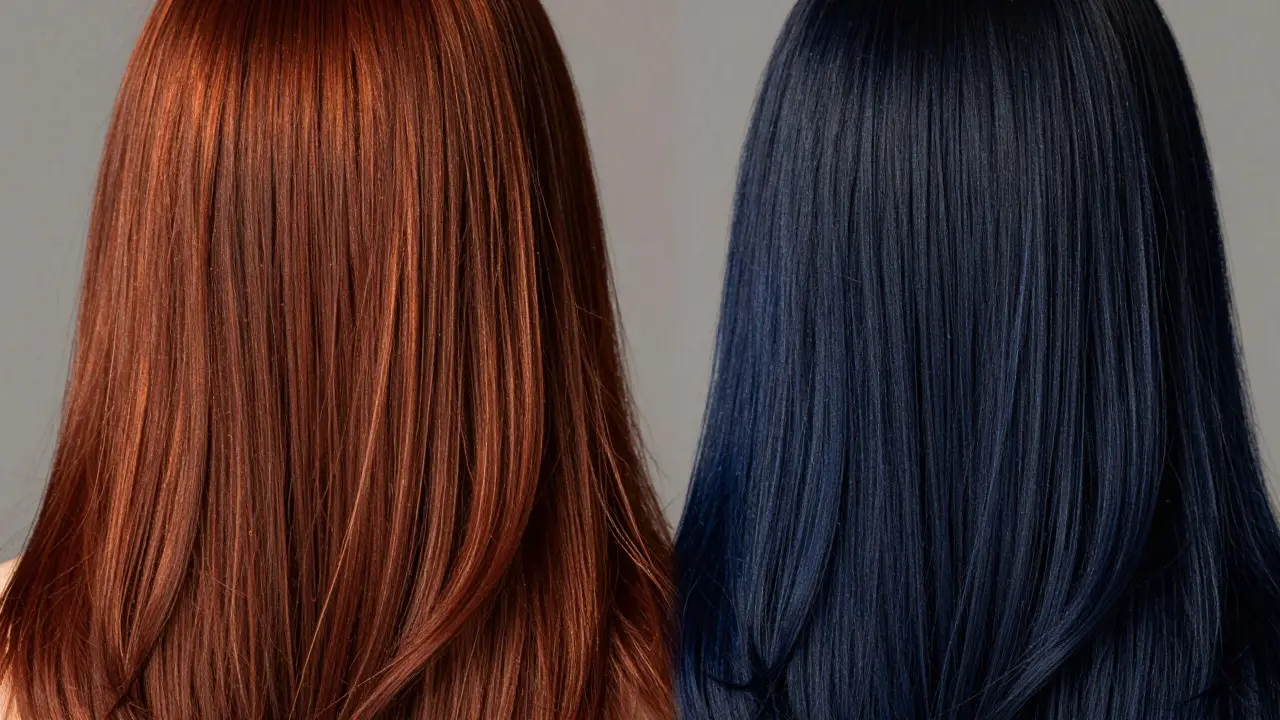
Henna gives you shades ranging from copper to deep burgundy. It’s famous for conditioning the hair, making it feel thicker and shinier. However, it doesn’t lighten hair; it only adds red/orange tones. If you have dark hair, henna alone might not show up much unless you wait weeks for the color to build.
Indigo is where the magic happens for darker shades. Used alone, it creates blue-black tones. When combined with henna in a two-step process, it transforms the orange base into rich browns or true blacks. This combination is the gold standard for natural black hair color.
| Attribute | Henna Only | Henna + Indigo Combo | Indigo Only |
|---|---|---|---|
| Resulting Shade | Copper, Red, Burgundy | Brown, Dark Brown, Black | Blue-Black, Dark Blue |
| Application Time | 2-4 Hours | 4-8 Hours Total | 45-90 Minutes |
| Gray Coverage | Moderate (Blends well) | Excellent (Solid coverage) | Good (Can look stark) |
| Hair Texture Effect | Thickening, Conditioning | Conditioning | Neutral to Slightly Drying |
| Risk Level | Very Low (Rare allergy) | Very Low | Low (Check for PPD adulterants) |
The downside? Time. You aren’t going to do this in 30 minutes. A typical henna-indigo session involves mixing the henna paste, letting it release dye for 2-4 hours, applying it to your hair for another 2-4 hours, rinsing, and then immediately applying indigo for 45 minutes to 2 hours. It’s a half-day commitment. But for many users, the result is worth it because the hair feels healthier, not brittle.
Category 2: Low-Tox Oxidative Dyes
Not everyone has eight hours to dedicate to hair care. For most people, the sweet spot is "low-tox" oxidative dyes. These still use a developer (hydrogen peroxide) to open the cuticle and deposit color, but they skip the worst offenders: ammonia, PPD (para-phenylenediamine), and resorcinol.
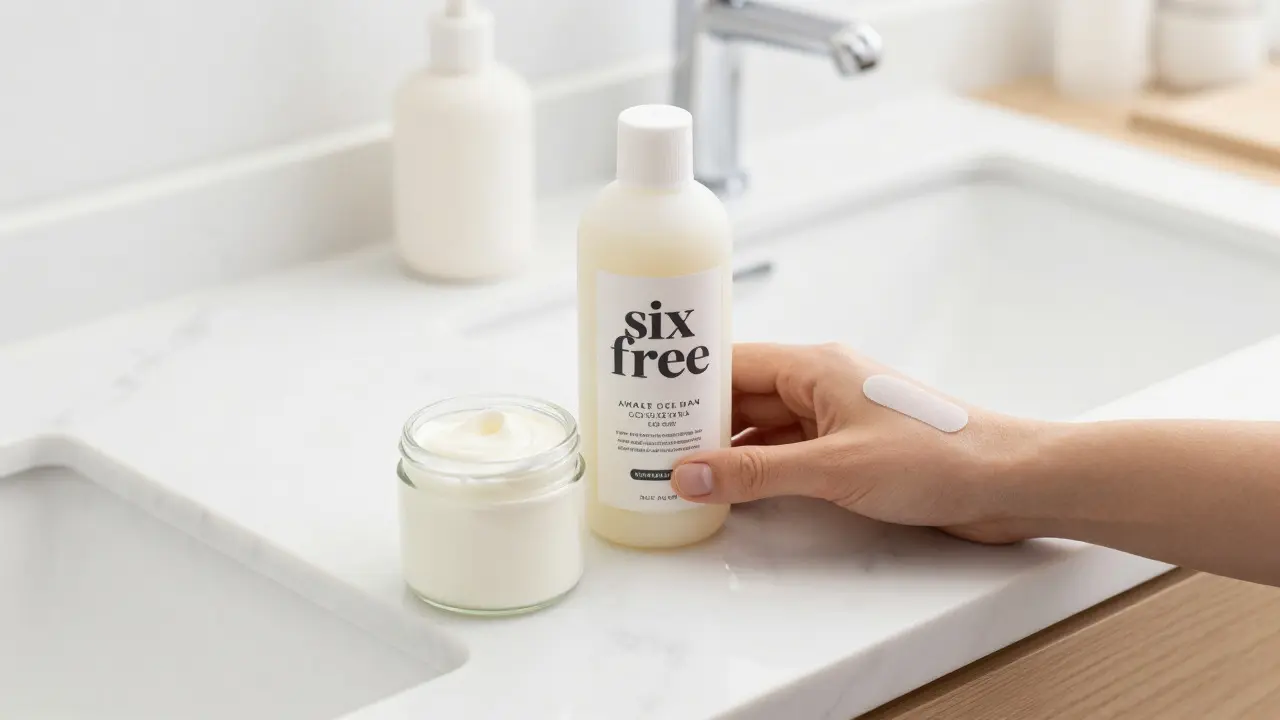
Madison Reed Radiant Hair Color Kit is often cited as a top choice in this category. It markets itself as a "six-free" formula, meaning it omits ammonia, resorcinol, PPD, parabens, phthalates, and gluten. At around $28 per kit, it offers full gray coverage and a wide range of shades. Reviewers frequently note that their hair feels softer after use compared to traditional drugstore brands.
Naturtint Permanent Hair Color is another strong contender, usually priced around $15. It’s ammonia-free and resorcinol-free, making it a favorite for people with sensitive scalps. It provides permanent coverage and is widely available in health food stores and online.
For those who go to salons, professional lines like Oway Hcolor and Evo Hueverse are gaining traction. These are designed for stylists who want to offer clients a safer alternative without sacrificing performance. They often use fruit-based acids instead of ammonia to lift the cuticle, which reduces odor and irritation.
Category 3: Semi-Permanent & Direct Deposit
If you don’t need to cover a lot of gray or change your shade dramatically, semi-permanent dyes are the gentlest option. They sit on top of the hair shaft and wash out gradually over 4-8 weeks.
dpHUE Gloss+ is a popular choice here. It’s a conditioning treatment that deposits subtle color without ammonia, peroxide, or sulfates. It’s perfect for adding shine or refreshing a salon color between visits. Similarly, Iroiro offers vibrant fashion colors that are free from PEGs, parabens, and synthetic fragrances.
The trade-off is longevity. Since these dyes don’t penetrate the cortex, they fade faster. They also struggle to cover white or silver hair completely, often resulting in a blended, salt-and-pepper look rather than solid color. But if your goal is just to add dimension or tone, these are excellent, low-commitment choices.
How to Choose the Right Option for You
Choosing the right product comes down to matching the technology to your specific needs. Here is a quick decision guide:
- I have thick, dark hair and want to go darker (brown/black): Go with a Henna-Indigo combo. It will give you the deepest, most natural-looking result. Be prepared for a long process.
- I have significant gray hair and want a specific shade (blonde, light brown): Choose a Low-Tox Oxidative Dye like Madison Reed or Naturtint. Plant dyes cannot lighten hair, so they won’t help if you want to go lighter than your natural color.
- I have sensitive skin or previous allergies: Look for PPD-free and Ammonia-free formulas. Avoid anything labeled "black henna" unless it’s certified pure, as black henna often contains hidden PPD.
- I want to experiment with fun colors: Try Semi-Permanent Dyes like Iroiro or Arctic Fox. They’re easy to remove and less damaging.
- I have short hair and want a quick fix: Use a Gloss Treatment like dpHUE. It takes 10-15 minutes and adds instant shine.
Step-by-Step: How to Apply Henna-Safely
If you decide to try the pure plant route, follow these steps to ensure even color and minimize mess:
- Patch Test: Mix a small amount of henna and indigo. Apply behind your ear or on your inner arm. Wait 48 hours. If no redness or itching occurs, you’re clear.
- Prep Your Space: Wear old clothes. Cover your shoulders with a towel. Have plastic wrap ready. Work in a well-ventilated area to avoid inhaling fine powder particles.
- Mix the Henna: Combine henna powder with warm water (around 90°F/32°C) until it reaches a yogurt-like consistency. Some people add lemon juice to help release the dye. Let it sit for 2-4 hours.
- Apply Henna: Section your dry, unwashed hair. Apply the paste from roots to tips. Wrap your head in plastic and leave it on for 2-4 hours. Longer time = deeper color.
- Rinse Thoroughly: Rinse with cool water until the water runs clear. Do NOT shampoo yet. Towel dry gently.
- Mix and Apply Indigo: While your hair is damp, mix fresh indigo powder with warm water. Apply immediately. Indigo releases dye quickly, so work fast. Leave on for 45 minutes to 2 hours depending on desired darkness.
- Final Rinse: Rinse with cool water. You can use a sulfate-free conditioner now. Avoid shampoo for the next 48 hours to allow the color to oxidize and set fully.
Common Mistakes to Avoid
Even with the best products, mistakes can ruin your results. Here are the big ones:
- Skipping the Patch Test: Allergies can develop later in life. Never assume you’re immune just because you used henna years ago.
- Using Metal Bowls: Reactivity with metal can alter the dye molecule. Always use glass, plastic, or ceramic bowls for henna and indigo.
- Shampooing Too Soon: Washing with regular shampoo too early strips the color before it fully sets. Wait at least 48 hours after a henna-indigo treatment.
- Buying Adulterated Henna: Cheap henna sold in some markets may contain metallic salts or PPD to speed up processing. Buy from reputable brands that provide batch testing results.
- Expecting Lighter Shades: Remember, henna and indigo only darken. If you want blonde, you need an oxidative dye.
Frequently Asked Questions
Is henna really non-chemical?
Technically, no. Everything is a chemical. However, in consumer terms, "non-chemical" refers to avoiding synthetic additives like ammonia, PPD, and resorcinol. Pure henna is derived from the Lawsonia inermis plant and contains no added synthetic dyes, making it the safest option for those avoiding industrial chemicals.
Can I go back to regular box dye after using henna?
Yes, but it can be tricky. Henna coats the hair shaft, which can make subsequent chemical dyes behave unpredictably. It’s generally easier to go from box dye to henna than the other way around. If you switch back, consult a professional stylist to assess your hair’s condition first.
How long does henna hair color last?
Pure henna is considered permanent in the sense that it doesn't wash out completely. It fades gradually as new hair grows out. Most people touch up their roots every 4-8 weeks. The color on existing hair remains stable for months, though it may shift slightly in tone due to sun exposure and washing.
Are low-tox dyes like Madison Reed better than drugstore dyes?
They are gentler. By removing ammonia and PPD, they reduce the risk of scalp irritation and strong odors. However, they are still oxidative dyes, meaning they use peroxide to open the cuticle. If you have extremely damaged hair, even low-tox dyes can cause further breakage. For healthy hair, they are a safer daily-use option.
What is the difference between henna and indigo?
Henna (Lawsonia inermis) produces orange-red tones. Indigo (Indigofera tinctoria) produces blue-black tones. Used together, they create brown and black shades. Henna conditions the hair, while indigo is more neutral. You typically apply henna first, let it process, rinse, and then apply indigo.