
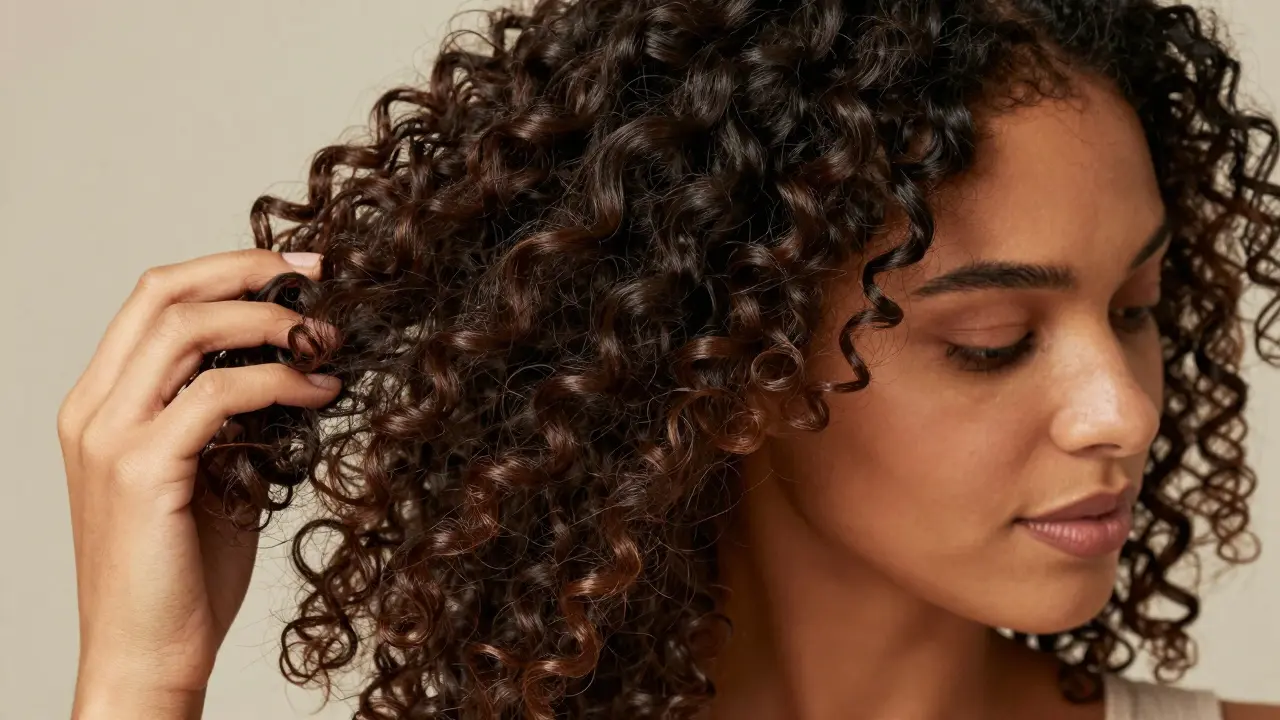
There is nothing quite like the feeling of running your fingers through thick, lustrous locks. For those of us with natural hair, adding length or volume can feel transformative. But where do you actually go to find quality extensions that don't ruin your existing curls? The market is flooded with options, from high-end salons to shady online marketplaces. Getting it wrong means dry, tangled messes and damaged edges. Getting it right means confidence and versatility.
You need a strategy. You aren't just buying hair; you are investing in a protective style that complements your texture. This guide cuts through the noise to show you exactly where to look, what to ask for, and how to spot a scam before you swipe your card.
Understanding Your Texture Match
Before you even think about clicking "buy," you have to know your hair. Natural hair comes in a wide variety of textures, ranging from loose waves to tight coils. If you have 4C hair and buy straight Remy hair without processing it, it will not blend. It will look like two different people are sharing one head. Conversely, if you have 3A curls and buy kinky braids, you’ll spend hours trying to relax them into submission.
The golden rule is matching density and curl pattern. Most people with natural hair prefer textures labeled as Kinky Curly, Deep Wave, or Body Wave because these mimic the natural shrinkage and bounce of unprocessed African American hair. When shopping, look for terms like "unprocessed" or "virgin." These indicate the hair hasn't been chemically treated to alter its cuticle structure, which means it will last longer and tangle less.
Online Retailers: Convenience vs. Risk
Buying online is the most common route. It offers price transparency and endless variety. However, it is also where most scams happen. You see a photo of silky, shiny hair on Instagram, but what arrives in the mail looks like a mop.
Stick to reputable retailers that specialize in textured hair. Brands like Uncle Funky’s Daughter or Beauty Works have built trust over years by providing consistent quality. They offer detailed descriptions of their bundles, including weight (usually measured in grams) and length accuracy. Always check reviews specifically from people with your hair type. If a review says "great for straightening," ignore it if you wear your hair naturally curly.
Avoid random sellers on social media platforms who only accept cash apps or wire transfers. If there is no return policy, walk away. Legitimate businesses stand behind their products.
Local Salons and Beauty Supply Stores
There is value in touching the product before you buy it. Visiting a local beauty supply store allows you to feel the softness, check for shedding, and smell the hair. Yes, smell matters. Good human hair should have a neutral scent or a faint shampoo smell. If it smells chemical or burnt, it has been heavily processed and will degrade quickly.
Salons often carry higher-end brands like Monet Hair or Unice Hair. While you might pay a premium compared to direct-to-consumer online orders, you get professional advice. A stylist can help you determine the right color match, which is crucial since lighting in stores can be deceiving. Ask them to pull out a bundle and run their fingers through it against the grain. If it snags immediately, put it back.
Ethical Sourcing and Human Hair Vendors
This is the part many buyers skip, but it is vital. Where does this hair come from? Ethical sourcing ensures that donors were compensated fairly and that the hair was collected with consent. Unethical practices often involve harvesting hair from temples or poor communities without fair payment.
Look for brands that are transparent about their supply chain. Some companies source directly from Human Hair Vendors in Vietnam or India, regions known for high-quality raw hair. Vietnamese hair, for instance, is often prized for its thickness and durability. Indian hair tends to be finer and lighter. Knowing the origin helps you predict how the hair will behave. Vietnamese hair holds curls well and lasts longer, while Indian hair blends seamlessly with finer natural textures.
Ask questions. Does the brand publish photos of their donation centers? Do they mention fair wages? If the information is vague, assume the worst. Supporting ethical brands encourages better industry standards.
Types of Extensions for Natural Hair
Not all extensions are created equal. The method you choose affects both the look and the health of your natural hair.
| Type | Best For | Longevity | Risk Level |
|---|---|---|---|
| Claire Claws / Snap Clips | Temporary volume, special events | 1-2 days | Low |
| Sew-In Weave | Protective styling, long-term wear | 6-8 weeks | Medium (if installed correctly) |
| Tape-ins | Seamless blending, active lifestyles | 6-8 weeks | Medium |
| Fusion/Bonded | Permanent look, fine hair | 3-4 months | High (traction alopecia risk) |
For natural hair, sew-in weaves remain the gold standard. They allow you to braid your natural hair flat, protecting it from manipulation and environmental damage. Clip-ins are great for occasional use but can cause tension if left in too long. Avoid fusion methods unless you have a highly experienced technician, as the heat and glue can melt delicate curls.
Red Flags to Watch Out For
You can save money by avoiding these common traps:
- Too good to be true prices: High-quality virgin human hair costs money. If a bundle of 20 inches is priced at $20, it is synthetic or low-grade mixed hair. Expect to pay between $50 and $150 per bundle for decent quality.
- No return policy: Hair is a personal fit. If it doesn’t match your color or texture, you need a way to send it back.
- Vague descriptions: Look for specifics like "cuticle aligned," "double drawn" (meaning consistent thickness from root to tip), and "non-Remy" (avoid this). Non-Remy hair tangles excessively because the cuticles face different directions.
- Stock photos only: Reputable sellers provide user-generated content or video demonstrations showing the hair’s movement and texture.
Maintaining Your Investment
Buying the hair is only half the battle. How you care for it determines its lifespan. Treat extensions like your own hair, but gentler. Use sulfate-free shampoos and conditioners rich in moisturizing ingredients like argan oil or shea butter. Detangle gently with a wide-tooth comb, starting from the ends and working up. Never sleep with wet extensions, as this leads to mildew and odor. Store them on a mannequin head or in a silk bag when not in use.
Remember, extensions are tools. They enhance your natural beauty but should never replace the health of your biological hair. Regular breaks between installations allow your scalp to breathe and your edges to recover.
What is the best type of hair extension for 4C natural hair?
For 4C hair, Kinky Curly or Deep Wave textures are the best match. These patterns mimic the tight coil structure of 4C hair, allowing for seamless blending without excessive manipulation. Virgin human hair from sources like Vietnam or India works well due to its durability and ability to hold styles.
How can I tell if hair extensions are real human hair?
Perform a burn test. Real human hair burns slowly, turns to ash, and smells like burning meat. Synthetic hair melts, forms hard beads, and smells like plastic. Additionally, human hair feels cool to the touch and can be styled with heat tools, whereas synthetic hair may frizz or melt under high heat.
Is it safe to buy hair extensions from unknown online sellers?
It is risky. Unknown sellers often lack quality control and ethical standards. Without a return policy, you have no recourse if the hair is tangled, shedded, or not as described. Stick to established brands with verified reviews and clear return policies to protect your investment.
Do hair extensions damage natural hair?
Extensions themselves do not damage hair; improper installation and maintenance do. Traction alopecia can occur if extensions are too heavy or pulled too tight. Ensure your stylist uses proper techniques, such as leaving out enough natural hair around the perimeter, and take breaks between installs to let your scalp recover.
What does "double drawn" mean in hair extensions?
Double drawn hair means that the hair strands are sorted so that they are consistent in thickness from root to tip. Single drawn hair has more thin strands near the top, resulting in less volume. Double drawn bundles offer fuller, denser results and are generally more expensive but worth it for a luxurious look.