
You want that bouncy, textured look of curly hair, but you’re terrified of the chemical burn and long-term damage from a traditional perm. You aren’t alone. The beauty industry has shifted heavily toward "heatless" and "chemical-free" styling because people are finally realizing that their hair health matters more than temporary texture. Getting curly hair without a perm isn't just about avoiding chemicals; it's about understanding how your hair structure responds to moisture, tension, and product.
Whether you have pin-straight strands or fine waves that refuse to hold shape, there are proven ways to create lasting curls using simple tools like a curling iron, braids, or even just water and salt. This guide breaks down every method, from high-heat precision to overnight no-heat hacks, so you can pick the one that fits your schedule and hair type.
The Science of Temporary Curls
To get curly hair without a perm, you need to understand what a perm actually does. A permanent wave uses strong chemicals-usually ammonium thioglycolate-to break the disulfide bonds in your hair protein (keratin). Once those bonds are broken, the hair is wrapped around rods and neutralized to reform the bonds in a new, curly shape. It’s permanent until your hair grows out.
When you style hair without chemicals, you are working with hydrogen bonds. These bonds are much weaker and react to water and heat. When hair gets wet, hydrogen bonds break, allowing the hair to be reshaped. As the hair dries, these bonds reform, locking in the new shape. This is why blow-drying your hair straight after washing makes it stay straight, while letting it air dry in twists makes it stay curly. The key to non-perm curls is managing this drying process effectively.
Heat-Based Styling: The Curling Iron Method
If you want defined, salon-quality curls quickly, heat is still the most reliable tool. However, using a curling iron correctly is an art form. Many people ruin their results by using the wrong temperature or technique.
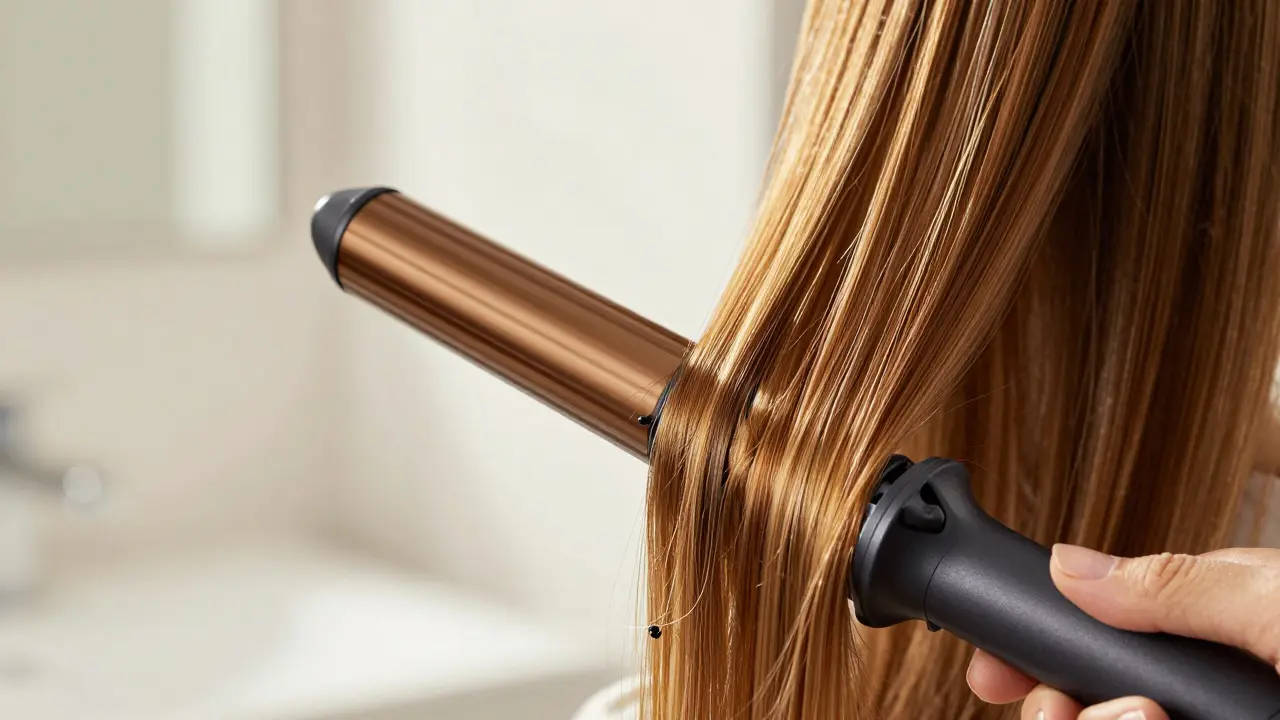
Choosing the right barrel size: The diameter of the iron determines the curl type. A small barrel (0.5 to 1 inch) creates tight ringlets. A medium barrel (1 to 1.5 inches) gives classic beachy waves. A large barrel (1.5 to 2 inches) produces loose, voluminous body rather than distinct curls. For most people seeking a natural look, a 1-inch wand offers the best balance of definition and versatility.
The technique matters: Don’t just wrap random sections. Start with clean, dry hair. Apply a heat protectant spray-this is non-negotiable for preventing dryness. Take small, horizontal sections of hair. Wrap the hair around the barrel away from your face for a softer look, or towards your face for a more polished style. Hold for 10-15 seconds, then release gently into your palm. Let the curl cool completely before touching it again. If you brush hot curls, they will fall flat immediately.
Pro tip: After curling all sections, run your fingers through the curls lightly to break them up and create a cohesive texture. Finish with a light-hold hairspray to keep them in place without making them crunchy.
Heatless Overnight Methods
For those who hate the smell of heated keratin or don’t have time to style their hair in the morning, heatless methods are a game-changer. These rely on setting the hair while damp and letting it dry in a curved shape.
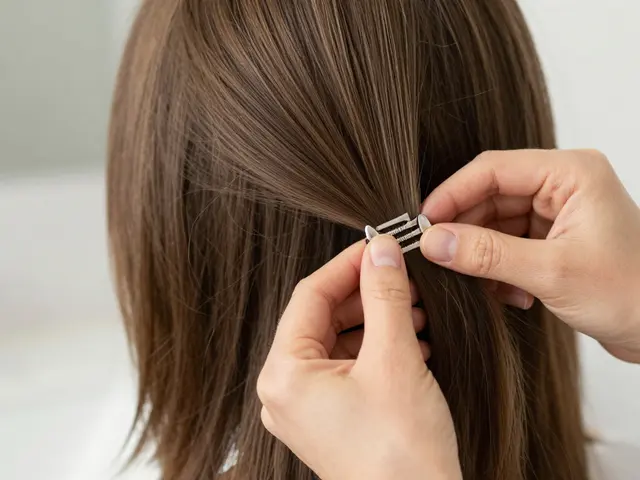
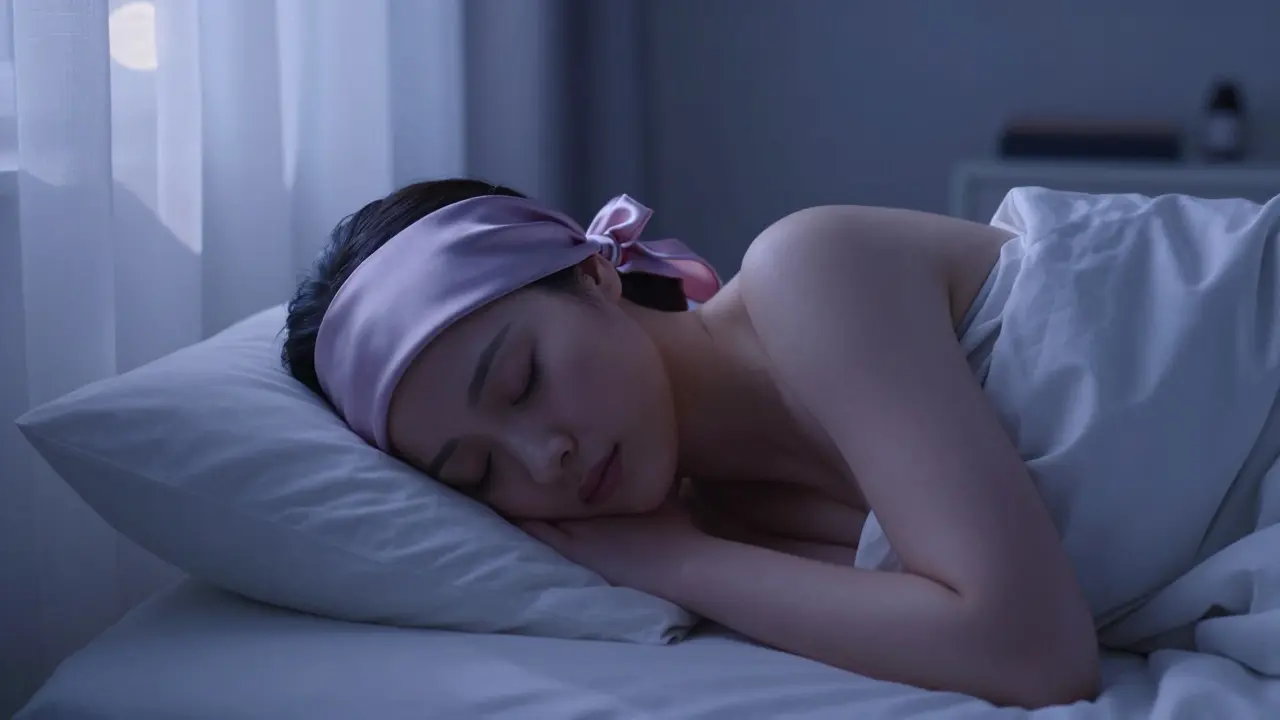
The Silk Scarf Twist: This is one of the most popular methods because it requires no special tools. Section your damp hair into two low ponytails. Twist each ponytail tightly until it coils into a bun. Secure the end with a scrunchie or clip. Tie a silk scarf over both buns to hold them in place against your head. Sleep on it. In the morning, undo the scarf and shake out your hair. You’ll get soft, uniform waves that last for days.
Ribbon Braiding: If you have long hair, braiding is effective. Create two French braids or regular three-strand braids starting from the crown. Use satin ribbons instead of elastic bands to avoid creases. Leave them in overnight. The result is a wavy, bohemian texture that looks effortless.
Flexi-Rods: These are foam rods that come in various sizes. They don’t require clips because they bend and lock themselves. Section damp hair, wrap it around the rod from ends to roots, and fold the rod back on itself. Sleep with them in. They are lightweight and comfortable, making them ideal for side sleepers.
Texturizing Products for Fine Hair
Sometimes, your hair lacks the density to hold a curl, even with heat. This is where chemistry helps-not permanently, but temporarily. Texturizing products add grit and weight to individual strands, helping them clump together and hold a shape.
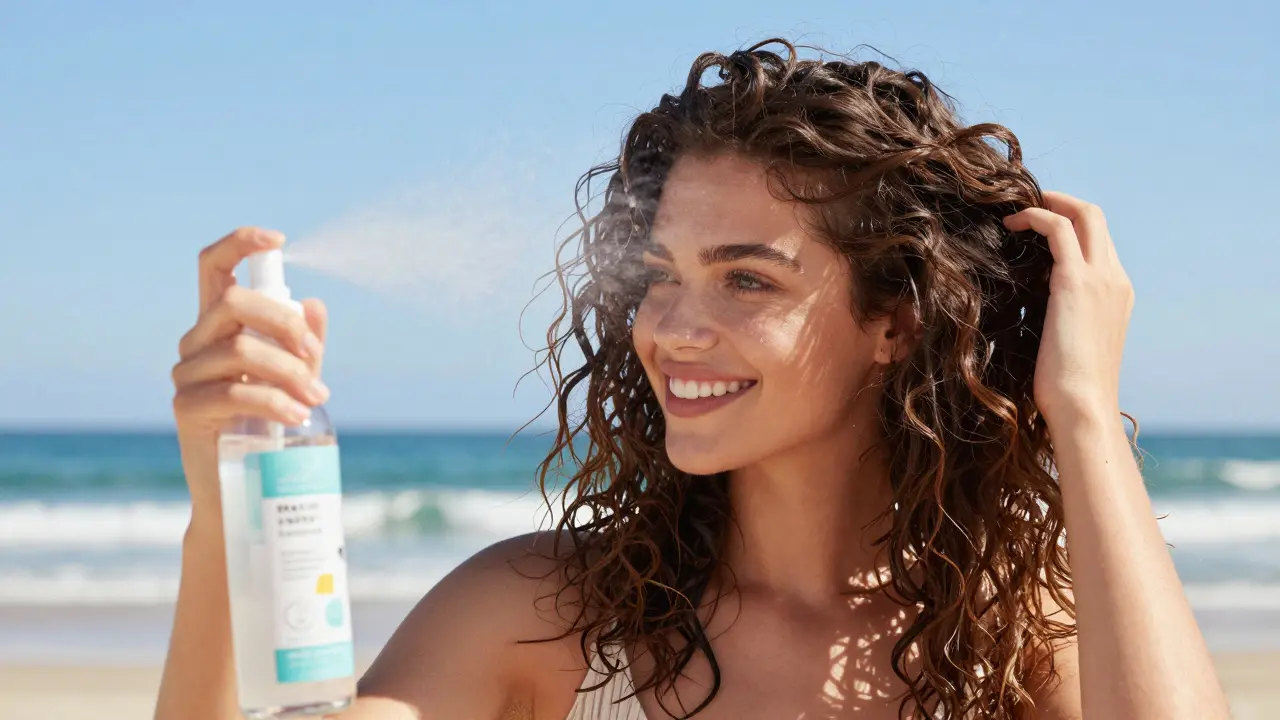
Salt Sprays: Inspired by ocean water, salt sprays contain magnesium chloride or sodium chloride. They absorb excess oil and add friction between strands. Spray it on dry hair, scrunch it with your hands, and let it air dry. It creates a piecey, tousled wave. Be careful not to overuse it, as salt can be drying. Follow up with a moisturizing conditioner if your hair feels brittle.
Mousses and Foams: Volumizing mousse provides lift at the root and holds curls longer than spray. Apply mousse to damp hair before diffusing or air drying. Look for formulas containing polymers like PVP (polyvinylpyrrolidone), which create a flexible film around the hair shaft. This film acts as a scaffold, keeping the curl intact until you wash it out.
Dry Shampoo Trick: If your hair is too slippery to hold a curl, dry shampoo is a secret weapon. Spray it at the roots and mid-lengths before styling. The starch absorbs oil, giving the hair "grip." Then, use a curling iron or finger-twist technique. The curls will hold significantly better because the hair isn’t sliding against itself.
Natural Ingredients and DIY Solutions
If you prefer to avoid synthetic chemicals entirely, nature offers some surprising alternatives. While they won’t give you the same hold as industrial polymers, they enhance your natural texture.
Aloe Vera Gel: Aloe vera is a natural humectant, meaning it draws moisture into the hair. It also contains enzymes that promote elasticity. Mix pure aloe vera gel with a little water to create a leave-in conditioner. Apply it to damp hair, twist sections, and let it dry. It defines curls without the crunch associated with gels.
Honey and Water Rinse: Honey has a similar effect to salt spray but is more moisturizing. Dilute raw honey in warm water and mist it onto dry hair. Scrunch it in. The sugars in honey provide slight tackiness, helping strands stick together in waves. This works best for thick, coarse hair types.
Maintenance and Longevity
Getting the curls is only half the battle. Keeping them alive requires specific care habits. Humidity is the enemy of styled hair. On humid days, even the best heatless curls can frizz and drop.
- Sleep Protection: Always sleep on a silk or satin pillowcase. Cotton absorbs moisture and creates friction, which tangles curls and flattens them overnight. Alternatively, tie your hair in a loose pineapple (a high, loose ponytail) on top of your head to preserve volume.
- Refresh, Don’t Restyle: On day two or three, your curls may look flat. Instead of washing and restyling, mix water and a dime-sized amount of conditioner in a spray bottle. Mist your hair, scrunch it gently, and let it air dry. This reactivates the hydrogen bonds without stripping natural oils.
- Avoid Brushing: Never brush curly hair when it’s dry. Use a wide-tooth comb only when your hair is soaking wet and coated with conditioner. Brushing dry curls turns them into a frizzy halo.
Comparison of Methods
| Method | Time Required | Hold Duration | Best For | Damage Risk |
|---|---|---|---|---|
| Curling Iron | 30-60 mins | 1-2 Days | Defined, uniform curls | High (if unprotected) |
| Silk Scarf Twist | 10 mins + overnight | 2-3 Days | Soft, natural waves | None |
| Flexi-Rods | 20 mins + overnight | 2-4 Days | Tight, springy curls | None |
| Salt Spray | 5 mins | Until Washed | Beachy, messy texture | Low (drying potential) |
| Braiding | 15 mins + overnight | 1-2 Days | Wavy, bohemian look | None |
Common Mistakes to Avoid
Even with the right tools, bad habits can ruin your curls. One common error is applying product to dirty hair. Oil and product buildup prevent new styling products from adhering properly. Always start with clean, towel-dried hair.
Another mistake is using too much heat. If your hair is fine, 350°F (175°C) is plenty. Coarse hair might need 400°F (200°C), but going higher than that degrades the hair cuticle rapidly. Invest in a tool with digital temperature control rather than relying on analog dials.
Finally, don’t ignore the ends. Split ends cannot hold a curl because the structural integrity is compromised. Trim your hair regularly to ensure the curls bounce evenly from root to tip.
Can I get curly hair without heat or chemicals?
Yes. Heatless methods like the silk scarf twist, flexi-rods, and braiding allow you to set curls while your hair dries naturally. These methods rely on physical tension and drying patterns rather than thermal energy or chemical bonds.
Why do my curls fall out so quickly?
Curls fall out due to humidity, heavy hair weight, or lack of product grip. If your hair is fine, use a texturizing spray or dry shampoo to add volume. If it’s humid, use a stronger hold hairspray. Also, ensure you let curls cool completely before touching them if using heat.
Is salt spray damaging to hair?
Salt spray can be drying if used excessively because salt absorbs moisture. To mitigate this, choose sprays with added hydrating ingredients like aloe vera or glycerin, and always follow up with a deep conditioning treatment once a week.
What is the best curling iron for beginners?
A 1-inch ceramic or tourmaline barrel curling wand is ideal for beginners. Ceramic heats evenly and reduces static, while tourmaline emits negative ions that seal the hair cuticle for shine. Automatic rotation features can also help if you struggle with wrapping the hair manually.
How long do heatless curls last?
Heatless curls typically last 2 to 4 days, depending on your hair type and environment. Fine hair may lose volume faster, while thick hair holds the shape longer. Using a silk pillowcase and refreshing with water-based products extends their life.