
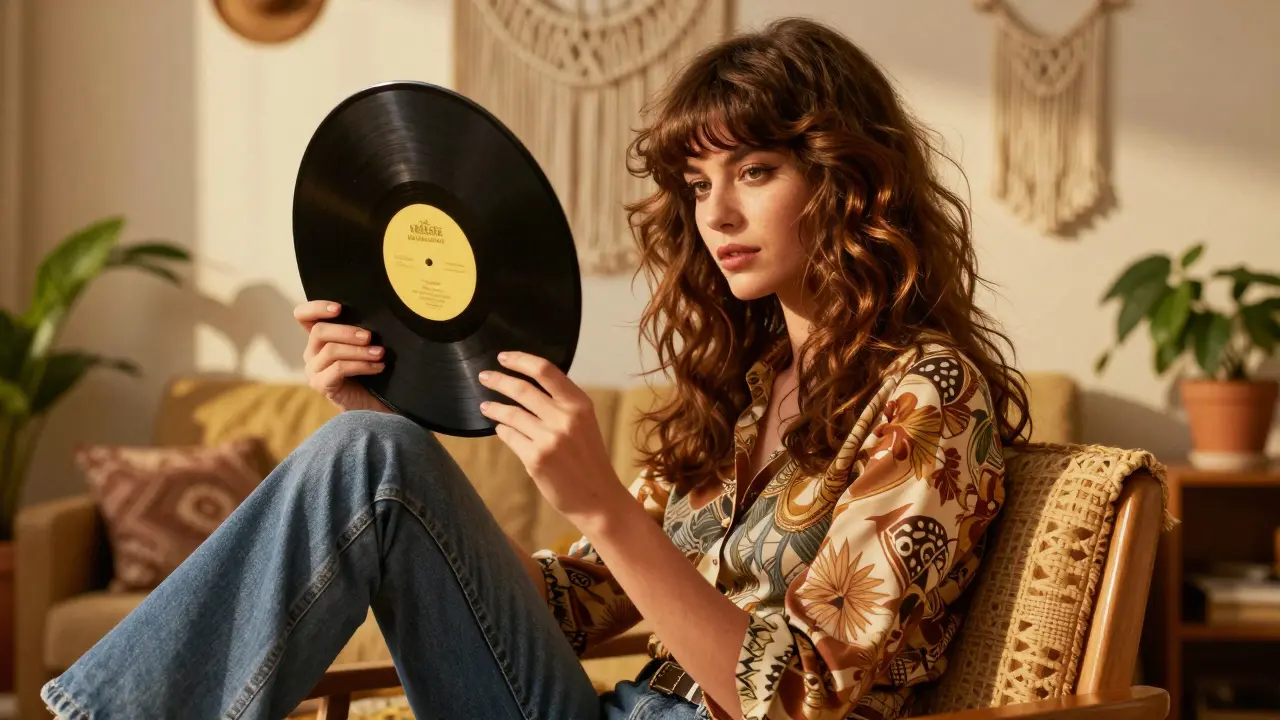
Picture this: It’s 1975. You’re listening to Fleetwood Mac on a vinyl record, wearing bell-bottom jeans, and your hair is doing something wild. It’s not perfectly straight. It’s not tightly curled in a helmet shape like the decade before. It’s messy, textured, and full of movement. This was the era when women stopped trying to look like mannequins and started looking like themselves.
If you are wondering what type of hairstyles women had in the 70s, the short answer is: variety. But if you want the real story, it’s about texture. The decade moved away from the stiff, lacquered looks of the late 60s into styles that embraced natural volume, layers, and a bit of chaos. Whether you are looking to recreate a specific look for a costume party or just want to understand where modern cuts came from, understanding these styles is key.
The King of the Decade: The Shag Cut
You mentioned shaggy layers, and for good reason. The shag cut is arguably the most iconic hairstyle of the 1970s. It wasn’t just a haircut; it was an attitude. Originally popularized by men in the 60s (think Mick Jagger), the shag crossed over to women and became a symbol of rock-and-roll rebellion.
The Shag Cut is a layered haircut characterized by choppy ends, lots of texture, and bangs that frame the face. It relies heavily on layering to create volume at the crown while keeping the ends light and feathery.
What made the shag so revolutionary was its low-maintenance appeal. In an era where hair often required hours of setting and pinning, the shag looked best when it looked slightly undone. Debbi Harry of Blondie and Stevie Nicks are two of the most famous faces associated with this style. For Nicks, the shag was long, flowing, and ethereal. For Harry, it was shorter, sharper, and punkier.
To pull off a shag today, you need the right tools. A round brush is essential for lifting the roots, but the secret weapon is texturizing spray. The goal is to separate the strands, not smooth them down. If your hair is naturally straight, you might need a flat iron to add slight bends to the layers. If it’s curly, you’ll need a good diffuser to enhance the pattern without creating frizz.
The Feathered Look: Farrah Fawcett’s Legacy
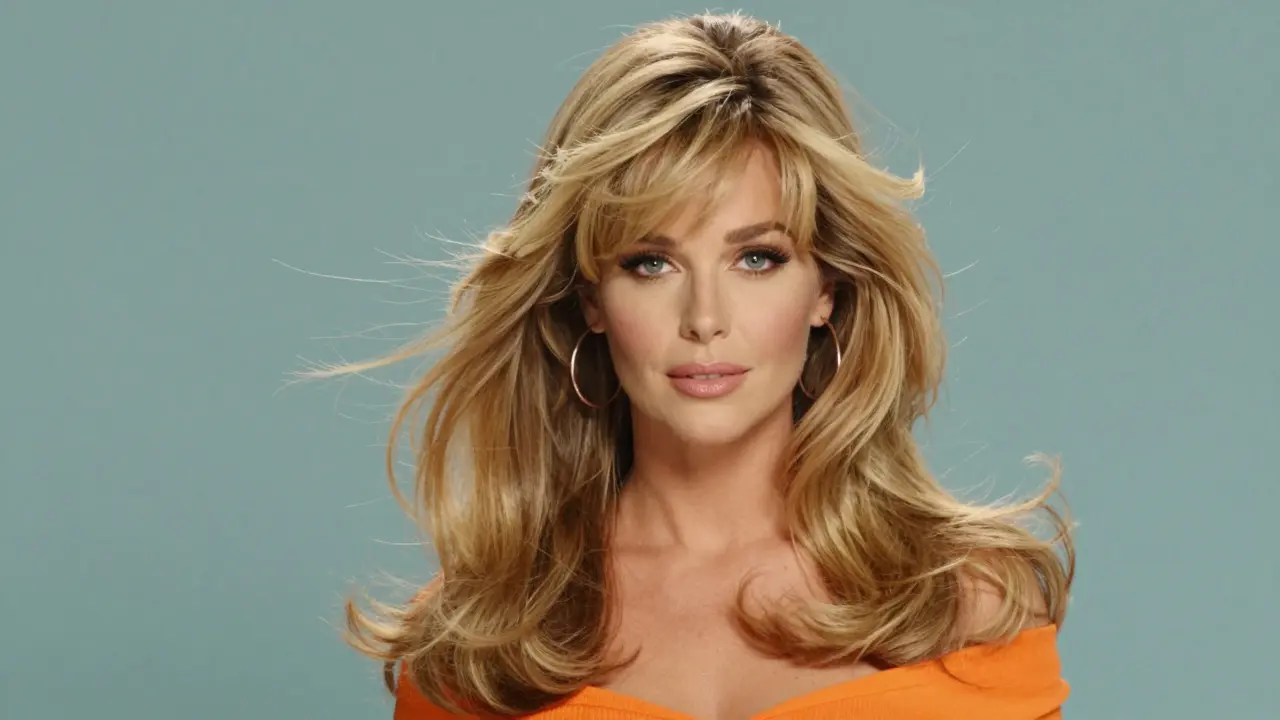
If the shag was the rebel, the feathered cut was the heartthrob. Thanks to actress Farrah Fawcett, this style dominated the mid-70s. It’s easy to confuse the feathered cut with the shag, but there is a distinct difference. The feathered cut focuses on softness and flow, whereas the shag focuses on chop and texture.
Feathered Hair is a hairstyle featuring long layers that are backcombed at the roots and smoothed out to create a swooping, airy effect around the face.
The technique involves teasing the hair at the crown for volume, then brushing the ends outward so they "feather" away from the face. This created a halo-like effect that framed the cheekbones beautifully. It worked particularly well for women with medium to long hair. To achieve this look, you need a strong-hold hairspray and a lot of patience with your blow-dryer. You are essentially training your hair to bend outward rather than fall flat.
This style was huge because it felt glamorous yet approachable. It didn’t require the severe precision of a bob or the complexity of intricate braids. It was the perfect companion to the flared pants and platform shoes of the time. Today, it remains a popular choice for those who want length but crave some movement.
Bobs and Bixies: Short and Sweet
Not everyone wanted long, flowing locks. The 70s also saw a resurgence of short hair, but with a twist. The severe, geometric bobs of the 60s softened into more rounded, softer shapes. One of the most notable variations was the "pixie bob" or simply the grown-out pixie cut.
Cher is the ultimate icon for this category. Her hair evolved throughout the decade, starting with a massive bouffant and transitioning into sleeker, shorter styles. The key to 70s short hair was volume at the top. Even a bob had height. Women would use rollers or teasing combs to lift the hair at the crown, creating a silhouette that balanced out the wide shoulders of fashion trends like power suits and denim jackets.
If you have fine hair, a 70s-inspired bob can be a game-changer. By adding layers around the face and keeping the back slightly longer, you create the illusion of thickness. Just avoid blunt cuts all the way around, as that can make fine hair look limp. Instead, ask your stylist for "soft layers" to mimic that effortless 70s vibe.
Natural Textures and Afros
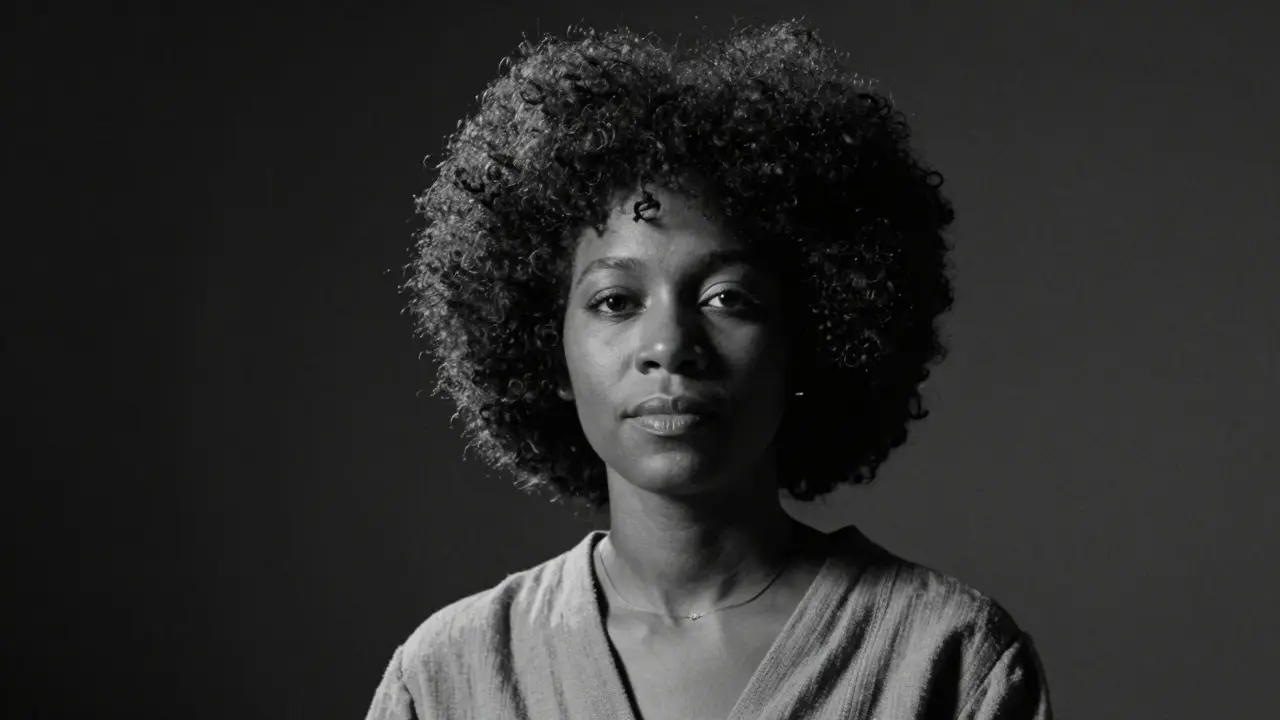
We cannot talk about 70s hairstyles without addressing the Black Power movement and the celebration of natural hair textures. The afro was not just a hairstyle; it was a political statement. Women like Angela Davis and Nina Simone wore their hair in large, proud afros, rejecting chemical straightening and embracing their natural curl patterns.
The Afro is a hairstyle where natural curly or coily hair is worn without chemical processing, allowing it to expand into a rounded shape. It became a symbol of pride and identity during the Civil Rights Movement.
Alongside the afro, other protective styles gained popularity. Braids, twists, and locs were worn with pride. These styles were practical for daily life but also carried deep cultural significance. They challenged Eurocentric beauty standards and opened the door for greater diversity in fashion and media. Today, the natural hair movement owes a huge debt to the women of the 70s who paved the way.
Updos and Evening Looks
While daywear was casual, evening wear could be dramatic. Updos in the 70s ranged from simple chignons to elaborate braided crowns. The "bun" was reinvented. It wasn’t the tight, slicked-back bun of the office; it was loose, messy, and often adorned with scarves or headbands.
Headbands themselves became a major accessory. Wide, velvet or suede headbands were used to keep hair off the face while adding a pop of color. They were especially popular with bohemian styles. If you want to capture the essence of a 70s updo, think "undone." Pull your hair up, leave some strands loose around your face, and secure it with a clip or tie. Add a headband for authenticity.
| Style Name | Key Characteristics | Best For | Maintenance Level |
|---|---|---|---|
| Shag Cut | Choppy layers, bangs, textured ends | All hair types, especially wavy | Medium (requires texturizing) |
| Feathered | Soft layers, backcombed roots, outward sweep | Medium to long, straight/wavy hair | High (blow-drying required) |
| Afro | Natural curl pattern, rounded shape | Coily/kinky hair textures | Low to Medium (moisture focus) |
| Pixie Bob | Short length, volume at crown | Fine to medium hair | Low (quick dry time) |
How to Style 70s Hair Today
Recreating these looks doesn’t mean you have to live in the past. Modern hair care products make it easier to achieve these styles with less damage. Here is how to adapt these classics for 2026:
- Embrace Texture: Don’t fight your natural wave or curl. The 70s celebrated imperfection. Use sea salt sprays or mousse to enhance your natural pattern.
- Layer Wisely: If you want a shag, ensure your stylist understands your hair density. Too many layers on thin hair can make it look sparse. Ask for "internal layering" to maintain weight.
- Use Heat Smartly: While blow-dryers were king in the 70s, we now know better. Use heat protectants and consider air-drying with scrunching techniques for curls.
- Accessories Matter: A silk scarf tied around a ponytail or a wide headband can instantly transform a modern cut into a retro-inspired look.
The beauty of 70s hairstyles is their versatility. They work for casual weekends and formal events alike. The key is confidence. These styles were designed to be worn with ease, not with anxiety about every strand being in place.
Why These Styles Endure
Decades later, we still see elements of 70s hair everywhere. The curtain bangs seen on celebrities today are a direct descendant of the feathered cut. The layered lob (long bob) is a refined version of the shag. Why do these styles persist? Because they prioritize health and movement over rigidity.
In a world increasingly focused on authenticity, the 70s message resonates. Your hair doesn’t need to be perfect. It needs to be you. Whether you choose the edgy shag, the soft feather, or the proud afro, you are connecting with a legacy of self-expression.
What is the difference between a shag and a feathered cut?
The main difference lies in the texture and finish. A shag cut features choppy, uneven layers and often includes bangs, aiming for a rugged, rock-and-roll look. A feathered cut has smoother, softer layers that are teased at the roots and brushed outward to create a gentle, sweeping effect around the face. The shag is messier; the feathered cut is more polished.
Can I get a 70s shag cut if I have straight hair?
Yes, absolutely. Straight hair works well for a shag, but you will need to add texture manually. Use a flat iron to create slight bends in the layers or apply texturizing spray to give the hair grip and volume. Without these steps, a shag on straight hair might lay too flat and lose its characteristic shape.
Who popularized the feathered hairstyle?
Farrah Fawcett popularized the feathered hairstyle in the mid-1970s, largely due to her role in the TV show 'Charlie's Angels' and her iconic poster. Her hairstylist, Alan Michael, developed the technique of backcombing the roots and smoothing the ends to create the signature swooping look.
How did the afro become a symbol in the 1970s?
The afro became a powerful symbol of Black pride and political activism during the Civil Rights and Black Power movements. Wearing natural hair rejected Eurocentric beauty standards and affirmed African heritage. Figures like Angela Davis and Nina Simone wore afros prominently, turning the hairstyle into a statement of identity and resistance.
What accessories were common with 70s hairstyles?
Wide headbands made of velvet, suede, or fabric were very popular. Scarves tied around the neck or head, flower clips, and large hoop earrings were also common accessories. These items helped manage hair while adding color and personality to the overall look, complementing the bohemian and disco fashions of the era.