

You walk into a boardroom or a family dinner, and there he is. A man with hair past his shoulders. Instantly, a few people shift in their seats. Some glance away. Others might whisper. It’s not just about the hair itself; it’s about what that hair signals to our brains before we even say hello. You might feel a twinge of discomfort, or perhaps you’ve been told your own style is "unprofessional" or "messy." Why does this happen? Why does long hair on men trigger such a strong, often negative, reaction in many of us?
It isn’t because long hair is inherently ugly or dirty. In fact, long hair on men has been celebrated for centuries across various cultures. The discomfort usually stems from deep-seated social conditioning. We are taught, from a young age, that short hair equals order, discipline, and masculinity. Long hair, historically associated with femininity or counter-culture movements, challenges those rigid boxes. When someone breaks the mold, it creates cognitive dissonance-a mental clash between what we expect to see and what is actually in front of us.
The Historical Baggage of Male Hair Length
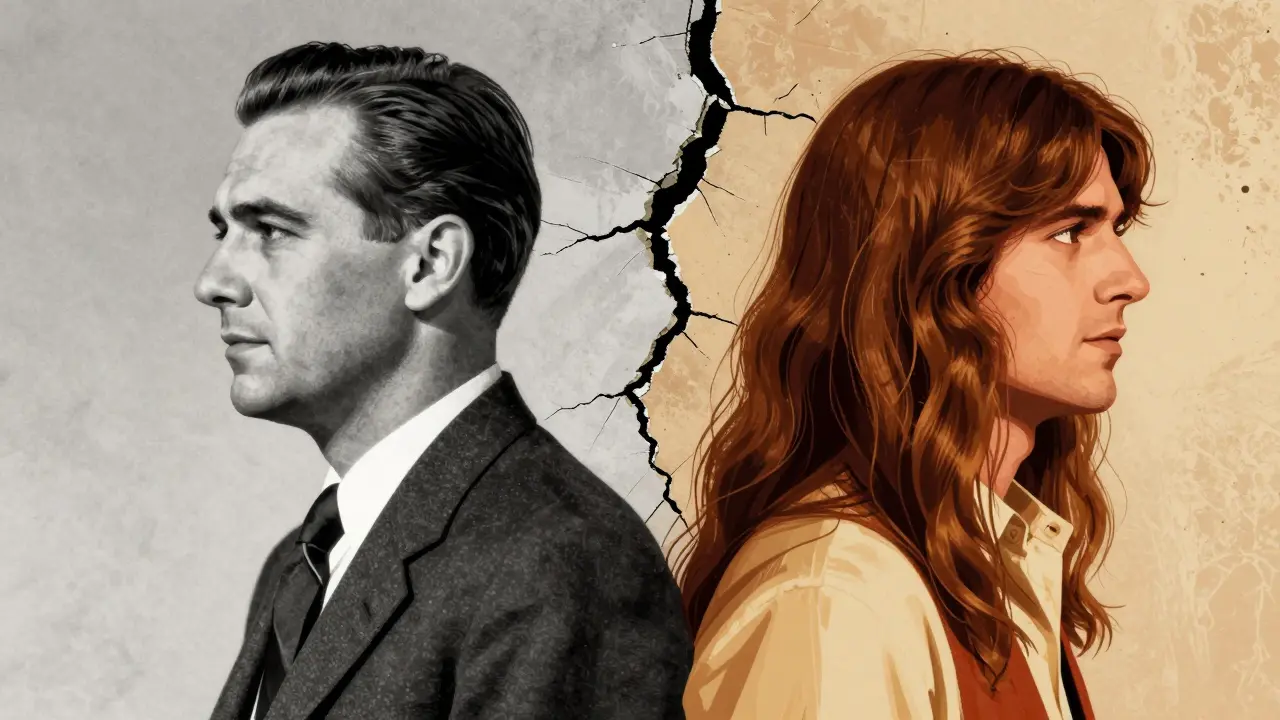
To understand why long hair feels "offensive" to some eyes, we have to look back at when these rules were written. In the mid-20th century, particularly in the United States and Europe, short hair became the uniform for the modern male. This wasn't an accident. Post-WWII society valued conformity, corporate structure, and clear gender roles. Short hair was easy to maintain, looked "clean," and signaled that you were ready to work within the system.
Then came the 1960s and 70s. The counterculture movement embraced long hair as a symbol of rebellion against war, consumerism, and traditional authority. Suddenly, long hair on men wasn't just a style choice; it was a political statement. For decades, this association stuck. If a man had long hair, he was seen as a hippie, a rock star, or someone who didn't take responsibility seriously. Even today, that stereotype lingers in the subconscious of many people. When you see a man with long hair, part of your brain might still be asking, "Is he reliable? Is he disciplined?" That automatic judgment is the root of the offense.
| Era | Dominant Style | Social Perception |
|---|---|---|
| Pre-1950s | Variable (often longer) | Class-dependent; nobility often wore wigs/longer styles |
| 1950s-1980s | Short, neat cuts | Professional, masculine, conformist |
| 1960s-1970s | Long, flowing | Rebellious, anti-establishment, feminine-coded |
| 1990s-Present | Mixed (man buns, mullets, fades) | Polarized: either trendy/hipster or unkempt/unprofessional |
The Hygiene Myth: Why We Assume "Messy"
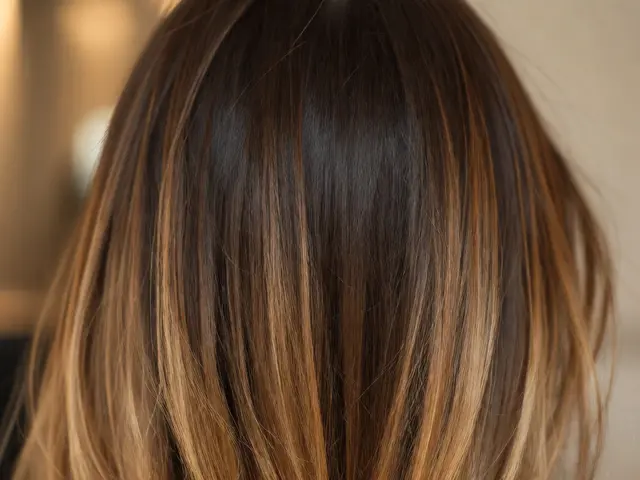
There is another layer to this reaction: the assumption of poor hygiene. Many people subconsciously equate long hair on men with grease, tangles, and lack of washing. This is a bias, not a fact. However, it persists because maintaining long hair requires more effort than a simple buzz cut. If a man doesn't invest time in styling, detangling, and using the right products, long hair can look unkempt. And since society already views long-haired men with suspicion, any sign of messiness confirms their worst fears.
This is where ethical hair care comes into play. Choosing high-quality, naturally sourced shampoos and conditioners isn't just about being kind to the planet; it’s about respecting your hair’s health. Synthetic sulfates and harsh chemicals can strip natural oils, leading to dryness and breakage-exactly the "messy" look that fuels stereotypes. By using ethically sourced ingredients, men with long hair can maintain shine, strength, and cleanliness without compromising their values. It’s a practical step to combat the visual stigma.
Gender Norms and the Fear of Ambiguity
Let’s talk about gender. Our brains love categories. They help us navigate the world quickly. Masculine and feminine are two big buckets we throw traits into. Short hair goes in the "masculine" bucket. Long hair goes in the "feminine" bucket. When a man wears long hair, he blurs the line. For people who feel threatened by changing gender roles, this ambiguity is uncomfortable. It challenges their sense of order.
In Houston, where I live, you’ll see a mix of styles. There are tech entrepreneurs with beards and shoulder-length locks, and there are oil executives with tight fades. Both exist side-by-side. But notice how reactions differ. The executive is praised for looking "sharp." The entrepreneur might be called "artsy" or "laid back." Those aren't neutral descriptions. They carry weight. The offense isn't about the hair; it's about the perceived rejection of traditional masculinity. Men with long hair are often accused of trying too hard to be unique or not caring enough to fit in. Neither accusation is fair, but both are common.
Professional Bias in the Workplace
If you’ve ever worried about your career because of your hair, you’re not alone. Studies have shown that appearance biases affect hiring and promotion decisions. While explicit discrimination based on hair length is illegal in many places, implicit bias remains. A manager might think, "He looks too casual," or "He won't command respect." These thoughts are rarely spoken aloud, but they influence decisions.
This is especially true in conservative industries like finance, law, or government. In creative fields like marketing, design, or tech, long hair is more accepted-or even expected. The key is context. If you work in a suit-and-tie environment, long hair needs to be impeccably maintained. Tied back, clean, and styled, it becomes a detail rather than a distraction. Left loose and frizzy, it becomes a focal point. The goal isn't to hide your hair, but to control the narrative around it.
- Tie it back: A low bun or ponytail looks professional and keeps hair out of your face.
- Use quality products: Invest in a good leave-in conditioner to prevent frizz.
- Regular trims: Even long hair needs split ends removed to look healthy.
- Confidence matters: How you carry yourself affects how others perceive your style.
How to Care for Long Hair Ethically and Effectively
If you decide to grow your hair out, or if you want to support men who do, understanding care is crucial. Badly maintained hair reinforces the negative stereotypes we discussed earlier. Good care disproves them. Here’s how to keep long hair looking its best while sticking to ethical principles.
First, choose products wisely. Look for brands that use ethically sourced botanicals. Avoid companies that test on animals or use palm oil from deforested regions. Brands like Aveda, Briogeo, and John Masters Organics offer great options for men. Their shampoos are gentle yet effective at removing buildup without stripping moisture.
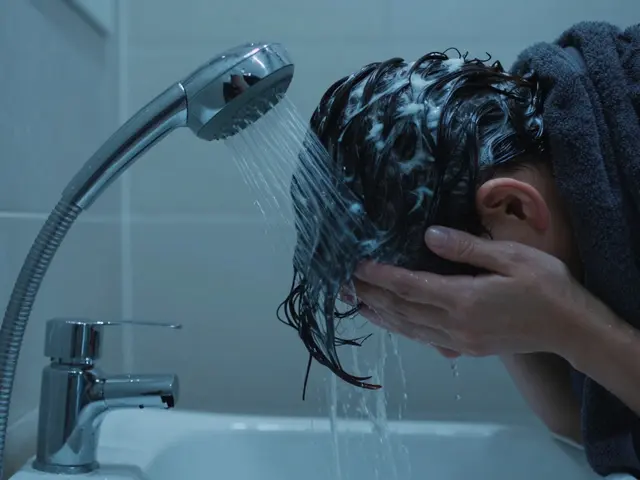
Second, change your washing routine. Most men with short hair wash daily. With long hair, this dries out the scalp and strands. Aim for every 2-3 days. Use lukewarm water, not hot, to preserve natural oils. Focus shampoo on the scalp, not the lengths. Condition only the mid-shaft to ends. This technique prevents greasiness at the roots while keeping the tips soft.
Third, protect your hair. Friction from cotton pillowcases causes breakage. Switch to silk or satin. When drying, don’t rub vigorously with a towel. Instead, squeeze out excess water gently. Air drying is best, but if you use heat, always apply a heat protectant spray. These small habits make a huge difference in how polished your hair looks.

Shifting the Narrative: From Offense to Acceptance
We are slowly moving toward a world where hair length doesn’t define character. Younger generations are less bound by rigid gender norms. They see long hair on men in movies, music videos, and social media as normal, even attractive. Celebrities like Harry Styles, Timothée Chalamet, and Brad Pitt have helped normalize diverse male aesthetics. Their influence matters because visibility changes perception.
But real change happens in everyday interactions. When you meet someone with long hair, pause before judging. Ask yourself: What am I reacting to? Is it the hair, or is it my own fear of difference? Challenge your assumptions. Notice that the person with long hair might be the most organized, respectful, and competent colleague you know. Separate style from substance.
For those growing their hair, patience is key. The "awkward phase"-when hair is too long to tie back but too short to flow nicely-is tough. It lasts weeks or months. Stick with it. Use clips, hats, or headbands to manage it. Remember, every strand you keep is a small act of defiance against outdated norms. You’re not offending anyone; you’re expanding what’s possible.
Conclusion: Embracing Individuality
Long hair on men isn’t offensive. It’s just different. And difference can be unsettling if we’re not used to it. But comfort shouldn’t come at the cost of individuality. Whether you prefer a buzz cut or waist-length waves, your hair is yours. How you wear it says something about you, but it doesn’t define your worth, your professionalism, or your masculinity.
By choosing ethical care practices, we show respect for ourselves and the environment. By challenging biases, we create space for others to express themselves freely. The next time you see a man with long hair, try seeing him fully-not just his hair, but his presence, his skills, his humanity. You might find that the offense fades, replaced by curiosity, then appreciation. After all, variety makes life interesting. Wouldn’t you agree?
Is long hair on men considered unprofessional?
It depends on the industry. In creative fields, it’s widely accepted. In conservative sectors like law or finance, it may raise eyebrows unless meticulously maintained. The key is neatness and confidence. Tying hair back and keeping it clean can mitigate most professional concerns.
Why do some people find long hair on men messy?
This is a stereotype rooted in historical associations with counter-culture movements. Without proper care, long hair can become tangled or greasy, reinforcing this bias. Regular washing, conditioning, and trimming prevent this look.
What are ethically sourced hair products?
These are products made with ingredients obtained responsibly, without harming ecosystems or exploiting workers. They often avoid animal testing, synthetic sulfates, and unsustainable palm oil. Brands like Aveda and Briogeo are popular choices.
How often should men with long hair wash their hair?
Every 2-3 days is ideal for most hair types. Over-washing strips natural oils, leading to dryness and frizz. Focus shampoo on the scalp and conditioner on the ends to maintain balance.
Does long hair make men look less masculine?
No. Masculinity is not defined by hair length. Cultural norms have shifted, and many men view long hair as a form of self-expression. Confidence and posture play a bigger role in perceived masculinity than hairstyle.