

Quick Summary for Smart Shoppers
- Specialized Salons: Best for professional installation and custom color matching.
- Direct-to-Consumer Brands: Good for convenience and a wide variety of textures.
- Raw Hair Vendors: The gold standard for unprocessed, long-lasting hair.
- Boutique Online Stores: Great for niche textures and ethical sourcing.
- Red Flags: Avoid 'too good to be true' prices and sellers who can't explain their sourcing.
Professional Hair Salons
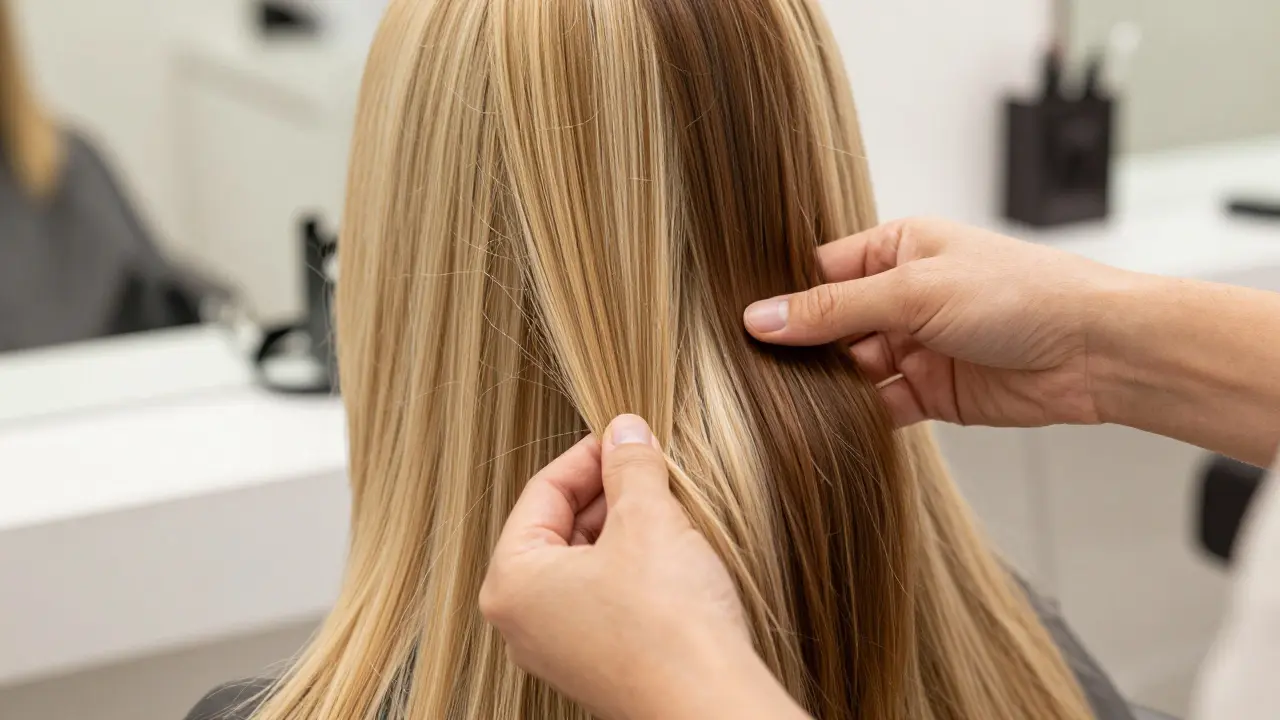
If you're terrified of the 'seam' showing or having a chunky mismatch in color, your local high-end salon is the safest bet. When you buy through a stylist, you're paying for the Professional Certification of the person installing them. Most salons partner with luxury brands like Bellami or Great Lengths.
The real value here is the color match. A stylist doesn't just pick a shade from a swatch; they often blend two or three different tones to mimic the natural dimensions of your own hair. Plus, if the hair sheds excessively in the first week, you have a physical location to go back to for a refund or replacement. The downside? You'll pay a significant premium for the convenience and the expert's time.
Direct-to-Consumer Online Brands
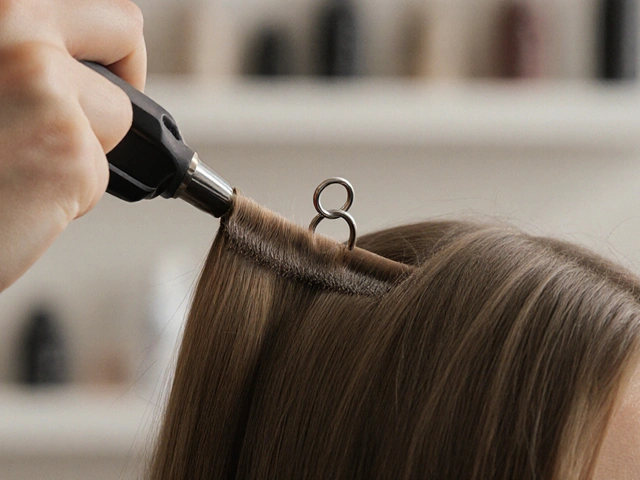
Online shopping is the most common route because of the sheer variety. You can find everything from Clip-in Extensions for a temporary look to permanent Tape-in Extensions. Brands like Luxy Hair have built empires by offering standardized quality and fast shipping.
When shopping online, the risk is the 'silicone slip.' Many companies coat mid-grade hair in silicone to make it feel silky-smooth in the package. Once you wash it twice, the silicone strips away, and you're left with dry, matted hair. To avoid this, look for brands that explicitly mention Remy Hair-this means the cuticles are kept intact and all facing the same direction, which prevents tangling. If a website uses vague terms like 'premium quality' without explaining the hair's origin, be cautious.
Raw Hair Vendors
For those who want the absolute best, Raw Hair is the answer. Unlike Remy hair, raw hair is completely unprocessed. It hasn't been steamed, chemically treated, or coated. This hair is usually sourced directly from a single donor in regions like India, Southeast Asia, or Brazil.
Raw hair is the most expensive option, but it lasts the longest-sometimes up to two years with proper care. Because it's natural, it takes color beautifully. If you want to bleach your extensions to a platinum blonde, raw hair is your only real choice. Most of these vendors operate through specialized websites or even social media platforms like Instagram, where they show real-time videos of the bundles. Since there is no middleman, you get a better product, but you have to do more homework to ensure the vendor is reputable.
Comparing Your Options
| Source | Quality Level | Price Point | Customization | Longevity |
|---|---|---|---|---|
| Professional Salon | High | Very High | Excellent | Medium to High |
| D2C Online Brands | Medium to High | Moderate | Low | Medium |
| Raw Hair Vendors | Elite | High | High (DIY Color) | Very High |
| Budget Marketplaces | Low to Medium | Low | Very Low | Low |
How to Spot Genuine Human Hair
Don't trust the label; trust the tests. If you're buying in person or have just received a shipment, perform these three checks to make sure you aren't paying human hair prices for synthetic blends.
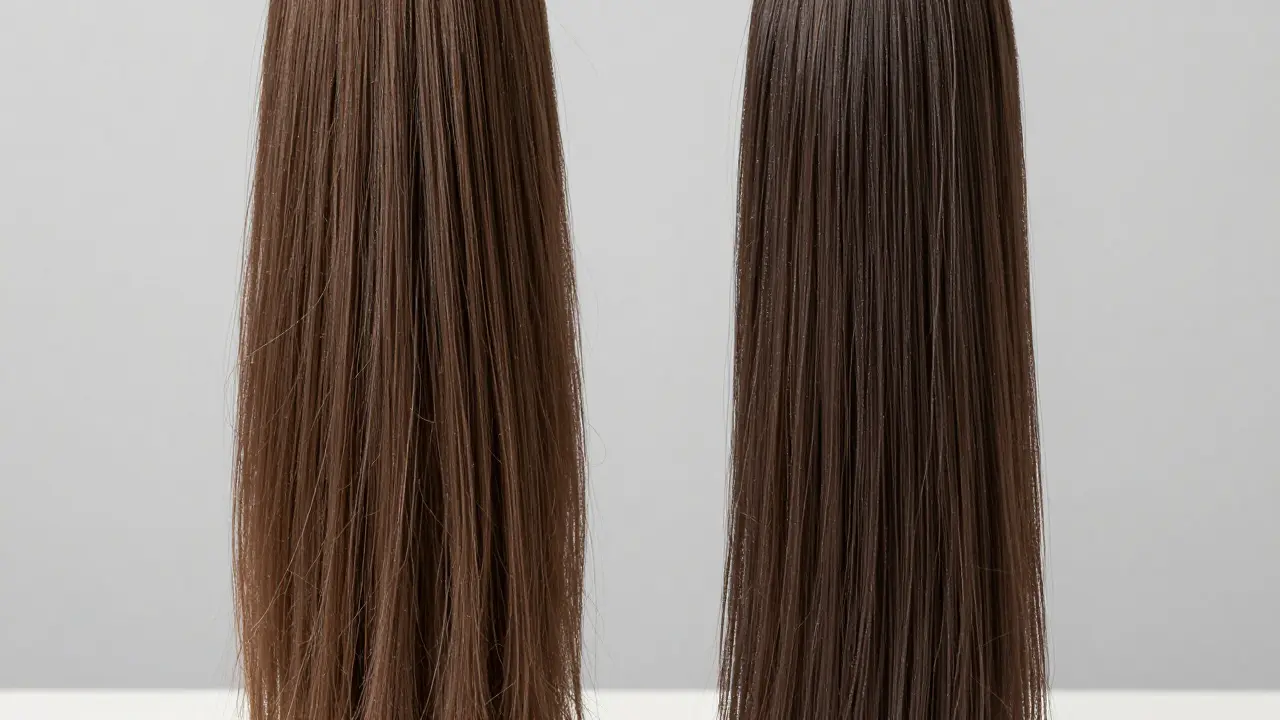
- The Burn Test: Take a tiny strand and light it with a match. Real human hair smells like burning feathers and curls up into a black ash ball. Synthetic hair smells like burning plastic and melts into a hard, plastic bead.
- The Texture Check: Run your fingers through the hair. If it feels unnaturally slippery and 'perfect,' it's likely coated in silicone. Natural hair has a slight grit and more personality in its movement.
- The Water Test: Soak a strand in water. Human hair absorbs water and feels heavier, while synthetic fibers often repel water or feel 'plastic-y' when wet.
Another pro tip: check the ends. In low-quality extensions, the hair is very thick at the top and suddenly becomes thin at the bottom. This is called 'single-drawn' hair. High-end, natural extensions are 'double-drawn,' meaning short hairs are removed throughout the length to give you a thick, full look from root to tip.
Ethical Sourcing and Transparency
Where the hair comes from matters. In recent years, there has been a push toward Ethical Sourcing. Some vendors exploit donors in developing countries, while others work with fair-trade cooperatives. If a company can tell you exactly which region their hair comes from and how the donors were compensated, it's a sign of a trustworthy business.
For instance, hair from India is often donated for religious reasons, which makes it a sustainable source. Conversely, hair from China is often processed with chemicals to change its texture (making it straighter or curlier), which compromises the hair's lifespan. If you want hair that stays healthy for a year, look for 'virgin' or 'raw' hair from a single source rather than 'blended' hair.
Maintenance for Longevity
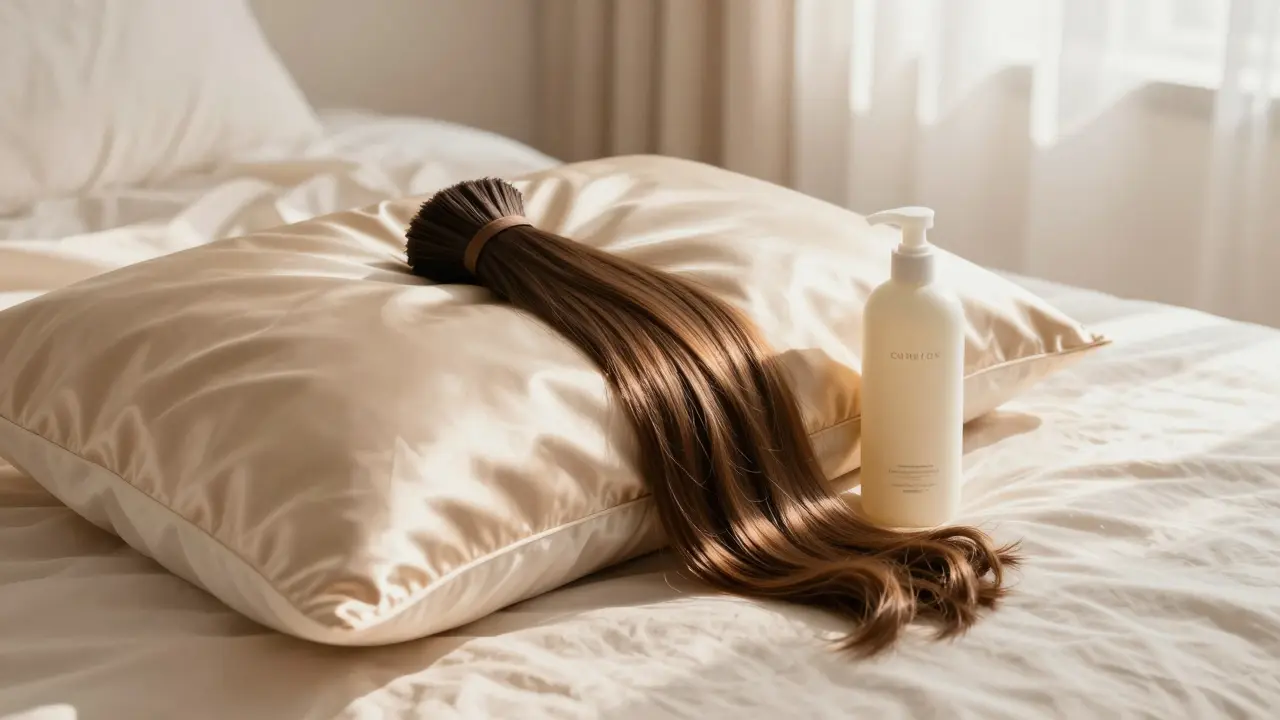
Once you've found the right place to buy, you need to keep the hair alive. Remember, extensions don't get sebum from your scalp to keep them moisturized. You have to do that manually. Use a Sulfate-Free Shampoo; sulfates are harsh detergents that strip the natural oils and the protective cuticle. If you're using high-end raw hair, a silk pillowcase is non-negotiable. It prevents the friction that leads to tangles and split ends.
Avoid heat tools daily. Even the best natural hair will fry if you hit it with a 400-degree flat iron every morning. Use a heat protectant spray and try to air-dry whenever possible. If you're wearing clip-ins, take them out at night to let your own scalp breathe and to prevent the extensions from matting while you toss and turn.
What is the difference between Virgin and Remy hair?
Virgin hair is the purest form-it has never been chemically processed, dyed, or permed. Remy hair is also human hair with the cuticles intact, but it may have been steamed or lightly treated to achieve a specific curl pattern or texture. Virgin is generally more expensive and lasts longer than Remy.
Can I dye my natural hair extensions at home?
Only if you bought raw or virgin hair. Processed hair (like some Remy options) may not take color well or could be damaged further by bleach. Always do a strand test on a small piece from the bottom before applying dye to the whole set.
How long do different types of extensions usually last?
Clip-ins can last a year or more if used occasionally. Tape-ins generally last 6-8 weeks before needing a move-up. Sew-ins (weaves) can last 6-12 weeks. The actual hair quality determines the lifespan; raw hair can last years, while low-grade human hair might start tangling after 3 months.
Why are some extensions so much cheaper than others?
Cheap extensions usually contain synthetic mixes, are 'single-drawn' (thin ends), or have been heavily processed with acids and silicones to fake a smooth feel. They lack the cuticle integrity of high-end natural hair, leading to rapid matting.
Where is the best place for a beginner to start?
If you've never used extensions, start with high-quality clip-ins from a reputable D2C brand. They allow you to experiment with length and volume without the commitment or cost of a professional salon installation.
Next Steps for Your Hair Journey
If you're still undecided, start by identifying your goal. Do you want a daily change in volume, or a permanent transformation? If it's the latter, book a consultation with a certified extension specialist in your city to discuss your hair's health and the best method for your scalp type.
For those venturing into the world of raw hair vendors, order a small sample bundle first. Never buy a full head of hair from a new vendor without seeing the quality of a single bundle. Check their return policy and ask for a video of the hair being brushed from top to bottom to ensure there are no hidden tangles.


Teja kumar Baliga
April 12, 2026 AT 01:10The mention of Indian hair is spot on! It's such a deep part of our heritage and the quality is truly unmatched because it's handled with so much respect.
Teja kumar Baliga
April 13, 2026 AT 22:20The mention of Indian hair is spot on! It's such a deep part of our heritage and the quality is truly unmatched because it's handled with so much respect.
Teja kumar Baliga
April 15, 2026 AT 20:20The mention of Indian hair is spot on! It's such a deep part of our heritage and the quality is truly unmatched because it's handled with so much respect.
Teja kumar Baliga
April 17, 2026 AT 15:54The mention of Indian hair is spot on! It's such a deep part of our heritage and the quality is truly unmatched because it's handled with so much respect.
Teja kumar Baliga
April 18, 2026 AT 06:17The mention of Indian hair is spot on! It's such a deep part of our heritage and the quality is truly unmatched because it's handled with so much respect.
Teja kumar Baliga
April 19, 2026 AT 20:49The mention of Indian hair is spot on! It's such a deep part of our heritage and the quality is truly unmatched because it's handled with so much respect.
Teja kumar Baliga
April 20, 2026 AT 10:11The mention of Indian hair is spot on! It's such a deep part of our heritage and the quality is truly unmatched because it's handled with so much respect.
Teja kumar Baliga
April 21, 2026 AT 14:01The mention of Indian hair is spot on! It's such a deep part of our heritage and the quality is truly unmatched because it's handled with so much respect.
Teja kumar Baliga
April 22, 2026 AT 20:14The mention of Indian hair is spot on! It's such a deep part of our heritage and the quality is truly unmatched because it's handled with so much respect.
Teja kumar Baliga
April 23, 2026 AT 16:00The mention of Indian hair is spot on! It's such a deep part of our heritage and the quality is truly unmatched because it's handled with so much respect.
Teja kumar Baliga
April 23, 2026 AT 22:51The mention of Indian hair is spot on! It's such a deep part of our heritage and the quality is truly unmatched because it's handled with so much respect.
Teja kumar Baliga
April 24, 2026 AT 23:18The mention of Indian hair is spot on! It's such a deep part of our heritage and the quality is truly unmatched because it's handled with so much respect.