
Picture this: You spend weeks curating a stunning collection of Hair Extensions is synthetic or human hair strands used to add length, volume, or color to natural hair. and Wigs is full head coverings made from synthetic fibers or human hair, designed to conceal baldness or change appearance.. Your website looks sleek. The photos are glossy. You launch with excitement. Then, silence. Or worse, a flood of returns because the lace didn’t match a skin tone.
The short answer to whether selling hair online is profitable? Yes, but it’s not a get-rich-quick scheme anymore. In 2026, the market is saturated with dropshippers and big brands. To make real money, you need to treat this like a serious retail operation, not just a side hustle. The margins are there, but they live in the details-specifically, how you handle inventory, quality control, and especially Customer Service is the support provided by a company to its customers before, during, and after a purchase..
The Numbers Behind the Beauty Industry
Let’s look at the cold hard facts. The global hair extension and wig market has been growing steadily, driven by social media trends and increasing acceptance of hair diversity. But growth doesn’t mean easy profits for every new seller.
Here is the typical margin breakdown for a small to medium-sized online hair business:
- Cost of Goods Sold (COGS): If you buy bulk human hair from suppliers in Vietnam, India, or Brazil, your cost might be $30-$80 per bundle, depending on quality and length. Synthetic options can be as low as $5-$15.
- Retail Price: That same bundle might sell for $80-$200+. Lace front wigs often range from $150 to $400+.
- Gross Margin: Ideally, you want 50-70%. However, this drops fast if you have high return rates or shipping costs.
- Net Profit: After ads, packaging, payment processing fees (usually 2.9% + $0.30), and customer service time, net profit often sits between 15% and 30% for established brands.
The trap many beginners fall into is looking only at the gross margin. They see a $100 markup and think that’s profit. It isn’t. It’s revenue. Profit is what’s left after you pay for the ad click that brought the customer, the box it shipped in, and the email exchange when they asked, "Does this fit my head shape?"
Sourcing: The Make-or-Break Factor
Your profitability hinges entirely on where you get your product. There are two main paths: Dropshipping and Holding Inventory.
| Factor | Dropshipping | Holding Inventory |
|---|---|---|
| Upfront Cost | Low ($500-$2,000) | High ($5,000-$20,000+) |
| Quality Control | Poor (You never touch the product) | Excellent (You inspect every unit) |
| Shipping Speed | Slow (2-4 weeks from overseas) | Fast (2-5 days domestically) |
| Profit Margin | Lower (Supplier takes cut) | Higher (Direct wholesale pricing) |
| Return Risk | Very High (Customer waits forever to return) | Moderate (Easier logistics) |
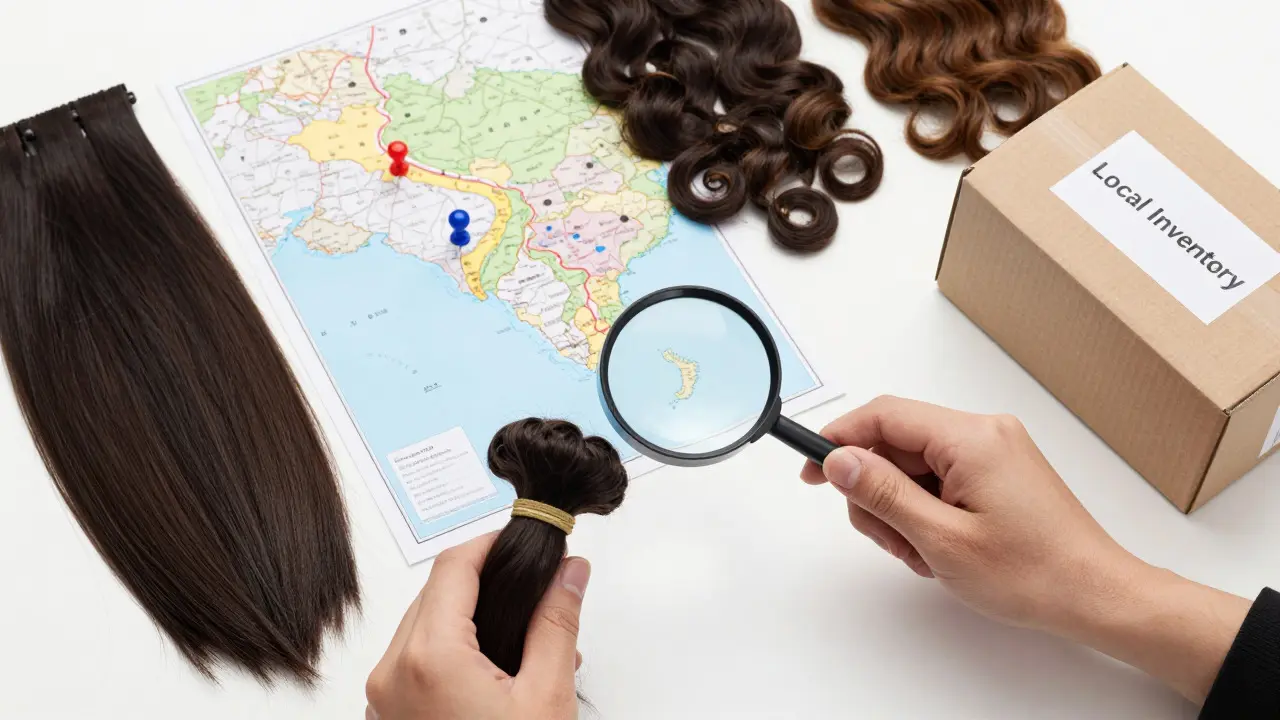
In 2026, consumers expect Amazon-like speeds. If you dropship from China and it takes three weeks to arrive, your chargeback rate will kill your business. Most successful sellers now hold inventory locally or use a fulfillment center. This allows you to check the hair for tangles, smell (yes, cheap hair smells like chemicals), and texture before it reaches the buyer.
Key supplier regions include:
- Vietnam: Known for high-quality, silky straight human hair. Often considered the gold standard for longevity.
- India: Provides a wide variety of textures and colors. Good for mid-range pricing.
- Brazil: Famous for body wave and curly textures. Highly sought after for its natural bounce.
Why Customer Service Is Your Secret Weapon
This is where most guides fail. They talk about marketing, but they ignore the fact that hair is an intimate, high-anxiety purchase. People aren’t just buying hair; they’re buying confidence. When something goes wrong-and it will-your customer service determines if you survive.
Hair products have unique pain points:
- Color Matching: A "1B Black" on your screen might look brown on their phone. Customers need guidance, not just a color chart.
- Fit Issues: Lace fronts require customization. If the cap size is off, the wig won’t sit right. Do you offer free alterations? Do you have video tutorials?
- Texture Mismatch: The description said "silky," but it feels coarse. This leads to immediate dissatisfaction.
Imagine a customer emails you: "The wig arrived tangled and the lace is yellow." If you respond with a generic template saying "Please send it back," you’ve lost a customer and likely gained a bad review. Instead, a proactive approach might involve sending a replacement immediately while asking for photos to show your supplier. This turns a negative experience into loyalty.
Invest in tools that help here. Use chatbots for FAQs but ensure humans handle complex issues. Record video responses showing how to style or fix the issue. This level of care reduces returns and builds a brand reputation that organic search engines love.
Marketing Strategies That Actually Work
You can have the best hair in the world, but if no one sees it, you make zero dollars. In 2026, visual platforms are king.
TikTok and Instagram Reels
Hair is visual. Static images aren’t enough. You need videos showing the movement, the shine, and the installation process. User-Generated Content (UGC) is crucial. Encourage customers to post their transformations. Offer discounts for tagged posts. These authentic reviews build trust faster than any polished ad.
Influencer Collaborations
Don’t just go for mega-influencers with millions of followers. Micro-influencers (10k-100k followers) in the hair niche often have higher engagement rates. Send them free products in exchange for honest reviews. Look for creators who specialize in specific hair types or styling techniques.
SEO and Content Marketing
Write blog posts that answer common questions. "How to maintain a lace front wig," "Best shampoos for human hair extensions," or "How to blend extensions with natural hair." This drives organic traffic from people who are ready to buy but need education first.

Common Pitfalls to Avoid
Before you dive in, keep these traps in mind:
- Ignoring Return Policies: Hair is hygienic. Once worn, it can’t be resold as new. Have a clear policy. Consider offering "open-box" sales for returned items to recoup some costs.
- Poor Photography: Bad lighting makes hair look dull. Invest in good lighting and shoot on diverse models to show how the hair looks on different skin tones and hair textures.
- Underestimating Shipping Costs: Hair is lightweight but bulky. Calculate shipping accurately. Free shipping is expected, so bake the cost into the product price rather than charging extra at checkout.
- Lack of Brand Identity: Why should someone buy from you instead of AliExpress? Create a story. Are you ethically sourced? Do you support local communities? Give them a reason to choose you.
Scaling Your Business
Once you’ve stabilized your initial sales, focus on scaling. This means automating repetitive tasks. Use email marketing sequences to nurture leads. Segment your customers based on purchase history. If someone bought a blonde wig, don’t spam them with black hair promotions.
Consider expanding your product line. Accessories like wig caps, adhesives, brushes, and maintenance sprays have high margins and encourage repeat purchases. They also increase the average order value.
Finally, analyze your data. Which products sell best? Which marketing channels bring the highest ROI? Double down on what works and cut what doesn’t. The hair industry changes fast, with trends shifting every few months. Stay agile.
How much money do I need to start selling hair extensions online?
You can start with as little as $500-$1,000 if you dropship, but this model has lower margins and higher risks. For a more sustainable business holding inventory, plan for $5,000-$10,000 to cover initial stock, website setup, branding, and marketing. This allows you to control quality and shipping speed, which are critical for customer satisfaction.
What is the most profitable type of hair to sell?
Human hair generally offers higher profit margins than synthetic hair because it lasts longer and commands a higher price. Specifically, virgin human hair from Vietnam or Brazil tends to be very profitable due to high demand for its durability and natural look. Lace front wigs also have strong margins compared to simple clip-in extensions.
How do I handle returns for hair products?
Since hair is a hygiene product, once it’s worn, it’s hard to resell as new. Implement a clear return policy that requires items to be unworn and in original packaging. Consider offering store credit instead of cash refunds to keep the money in your business. For defective items, replace them quickly to maintain trust.
Is it better to source from China or other countries?
While China has many suppliers, countries like Vietnam, India, and Brazil are renowned for higher quality human hair. Vietnamese hair is known for its silkiness, while Brazilian hair is prized for its texture. Sourcing directly from these countries often yields better quality for the price, though shipping times may vary. Always request samples before committing to large orders.
How important is customer service in the hair business?
Extremely important. Hair purchases are personal and often expensive. Customers have many questions about fit, color, and care. Excellent customer service reduces returns, builds loyalty, and generates positive reviews. Quick, helpful, and empathetic responses can turn a potential complaint into a long-term customer relationship.