
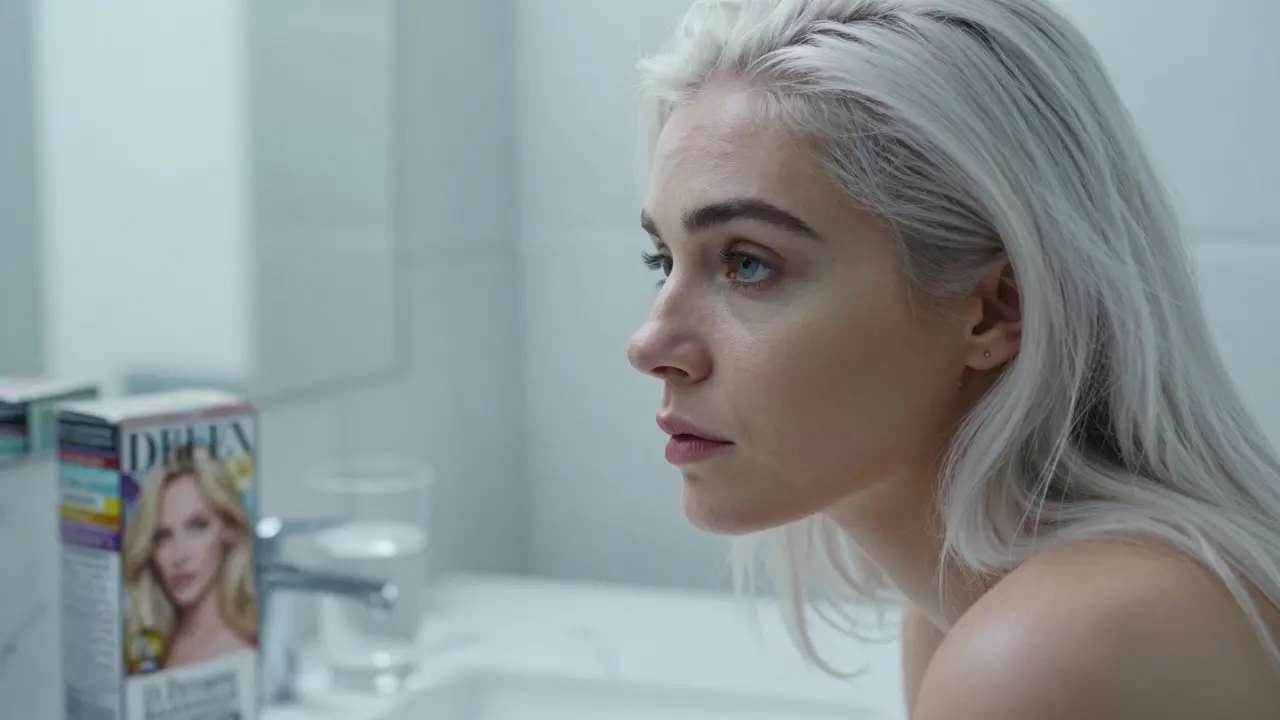
So, you’ve bleached your hair to that icy platinum shade, but now you’re craving a warmer, sun-kissed blonde. You grab a box of blonde box color is a retail hair dye product designed to deposit pigment and tone hair without the need for professional mixing from the drugstore and wonder: can I just slap this on top of my bleached strands? The short answer is yes, you can. But if you treat your bleached hair like virgin hair, you might end up with a messy, uneven, or brassy result that’s hard to fix.
Bleaching strips your hair of its natural pigment, leaving it porous and vulnerable. Applying a new color directly onto this blank canvas requires a bit more strategy than coloring healthy, untouched hair. In 2026, the approach has shifted away from harsh chemicals toward gentler, smarter techniques that protect your hair’s integrity while delivering vibrant color. Let’s break down exactly how to do this safely and effectively.
Why Bleached Hair Reacts Differently to Box Dye
To understand why you need a special protocol, you have to look at what bleaching actually does. When you bleach your hair, you are lifting the cuticle and removing the melanin (natural pigment) inside. This leaves your hair at Level 10 is the lightest possible level on the International Level System, representing hair with no natural pigment remaining. At this stage, your hair is essentially a sponge. It absorbs color quickly, but it also loses it quickly.
The problem arises because most box dyes are formulated for average hair that still has some underlying warmth. When you apply a cool-toned blonde dye to Level 10 hair, there is no warm undertone to interact with. This can lead to flat, ashy, or even greenish results. Conversely, if you want a richer blonde, the lack of underlying pigment means the color might look washed out or dull. Professional colorists know that you cannot simply add color to an empty vessel; you often need to fill it first.
The Golden Rule: Pre-Pigmentation
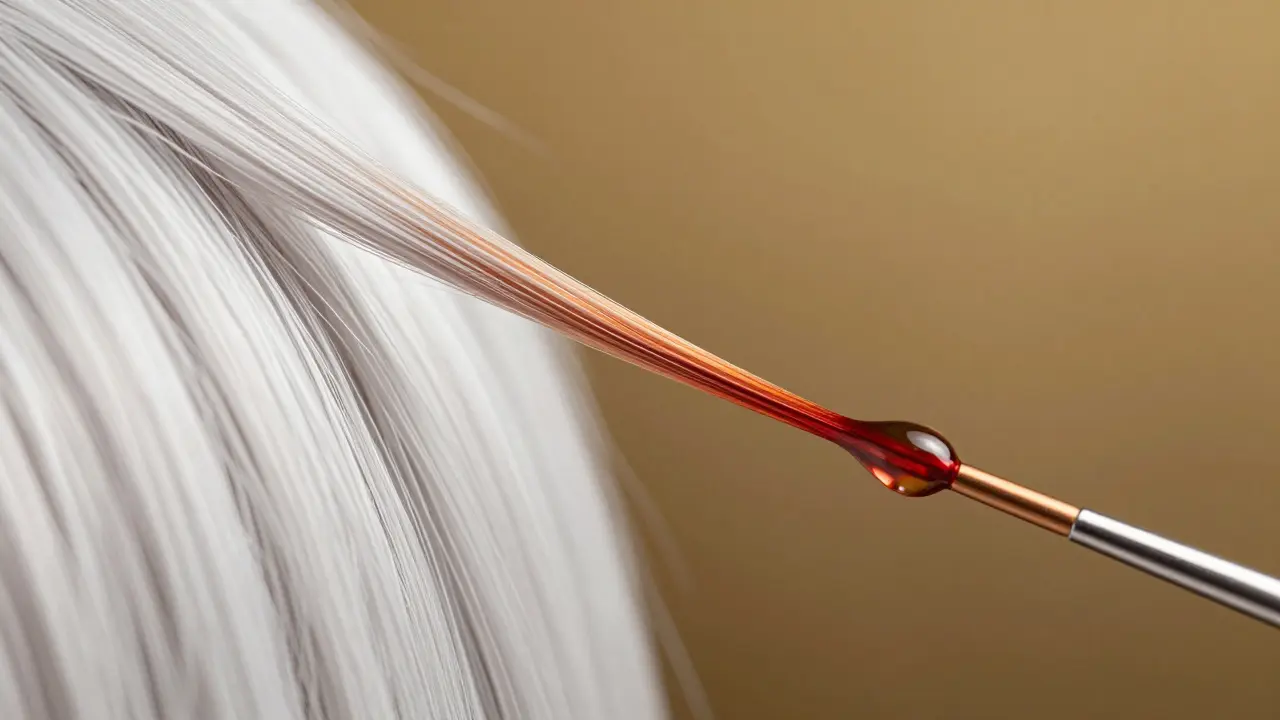
If you are staying within the blonde range (Levels 7-9), you might get away with direct application, provided your hair is well-prepared. However, if you plan to go darker-like dark blonde or brown-pre-pigmentation is non-negotiable. This step involves depositing warm pigments back into your hair before applying your final shade.
Think of it like painting a wall. If you paint white directly over a stained surface, the stain shows through. Similarly, if you paint dark blue over a bare, porous surface, it looks muddy. By adding red or copper tones first, you create a base that allows the final color to adhere evenly. This prevents that dreaded "flat" look and ensures your blonde has depth and dimension.
- For Lighter Blondes: You may skip heavy pre-pigmentation but must focus on toning.
- For Darker Blondes/Browns: Apply a semi-permanent red or copper gloss first.
- Goal: Restore the underlying warmth that bleaching removed.
Choosing the Right Products for Damaged Hair
Your hair has been through trauma. Bleaching weakens the protein structure, so adding another harsh chemical process can lead to breakage. This is where product selection becomes critical. In 2026, the standard advice is to avoid traditional ammonia-based box dyes if your hair is already compromised.
Opt for ammonia-free box dye is a gentler hair coloring formulation that uses alternative alkalizing agents to open the cuticle without causing excessive damage. These formulas are softer on the hair shaft and less likely to cause further dryness or breakage. Look for creams rather than liquids, as they tend to be more moisturizing. Brands that offer bond-building technology or include conditioning agents are ideal choices.
Avoid anything labeled "high lift" unless you are using a very low volume developer, as high lift colors require strong alkalizers that can snap fragile, bleached strands. Stick to deposit-only or demi-permanent options when possible.
Step-by-Step Application Protocol
Applying blonde box color over bleached hair isn’t just about squeezing the tube. It’s a precise process. Here is how professionals recommend doing it at home to minimize risk and maximize shine.
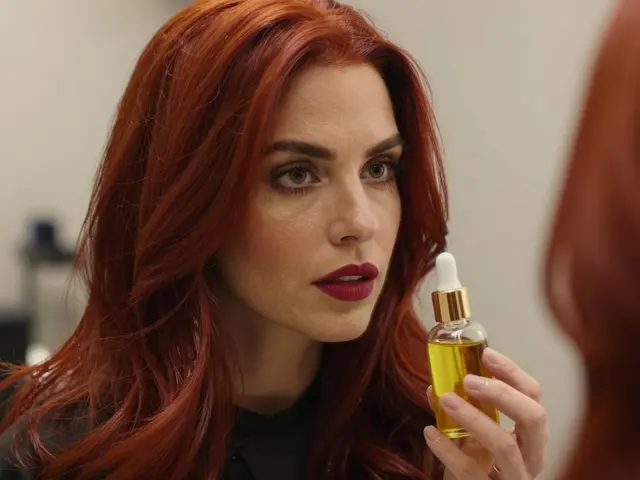
- Pre-Treat Your Hair: About three hours before coloring, massage a mix of argan oil and rosemary oil into your hair from root to ends. This conditions the hair and reduces porosity differences between the roots and ends.
- Protect Your Skin: Apply Vaseline along your hairline and ears to prevent staining.
- Mix Your Color: If you want a custom shade, mix two blonde box dyes (e.g., gold beige and chocolate) in equal parts. Avoid ash tones unless you have pre-pigmented with warmth.
- Apply to Ends First: Start with the mid-lengths and ends. These areas are the most porous and damaged. They will absorb color faster than your roots.
- Finish with Roots: Once the ends are saturated, apply the remaining dye to the roots. This prevents the "hot roots" effect where the scalp heat causes the roots to lighten too much.
- Time It Carefully: Follow the box instructions, but usually, 30 minutes is sufficient for bleached hair. Do not leave it on longer than recommended.
Maintenance: Keeping Your Blonde Fresh
Once you’ve achieved your desired blonde shade, the work isn’t done. Bleached hair is prone to brassiness, especially as it oxidizes over time. To maintain that sunny, golden look, you need a solid maintenance routine.
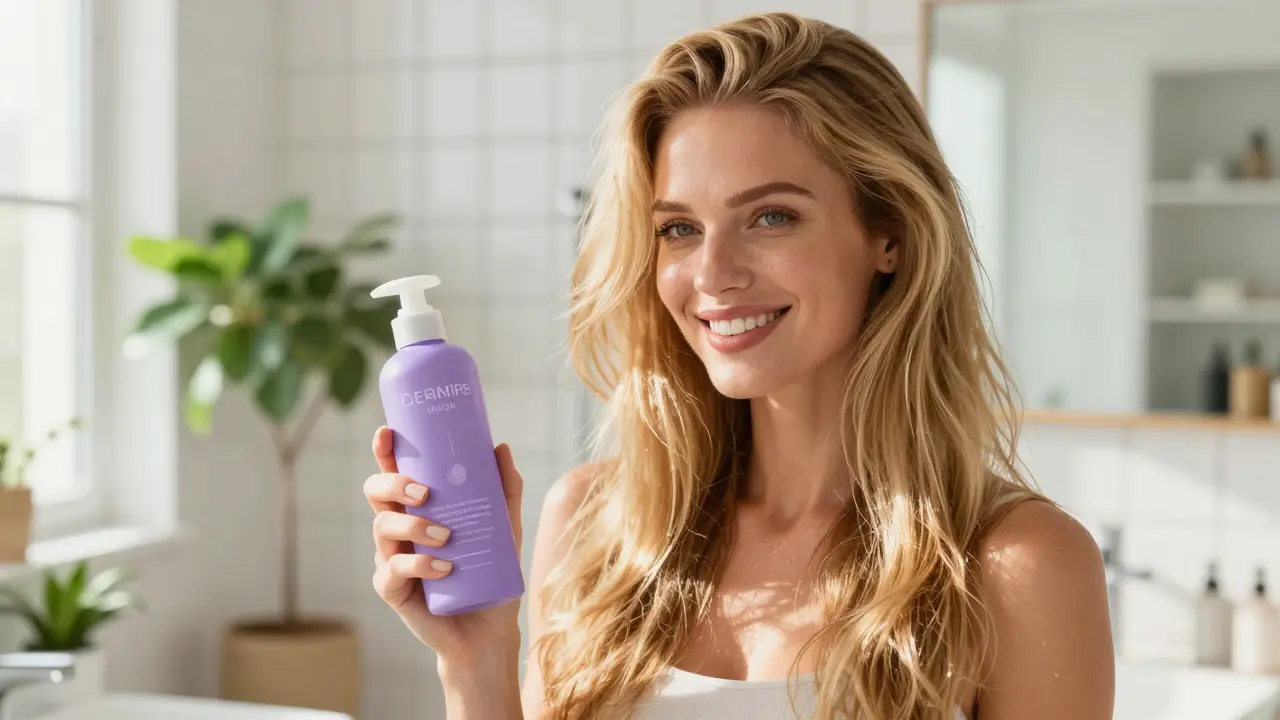
Incorporate purple shampoo is a toning shampoo containing violet pigments that neutralize yellow and orange tones in blonde hair into your weekly wash routine. Use it once or twice a week to counteract unwanted warmth. On other days, use a sulfate-free moisturizing shampoo to keep your hair hydrated.
Deep condition regularly. Since box dye doesn’t repair the damage caused by bleach, you need to support your hair’s strength with protein treatments and hydrating masks. This keeps your hair shiny and healthy-looking, even after multiple color applications.
What If You Make a Mistake?
Let’s say you applied the dye and it’s too dark, too orange, or just not right. Don’t panic. Removing box dye from bleached hair is tricky because you can’t just bleach it again without risking severe damage.
If you need to lighten it, consider a color remover specifically designed for oxidative dyes. These products shrink the dye molecules so they wash out without stripping more natural pigment. If you must use bleach, use a weakened mixture (low volume developer) and monitor it closely. Never bleach bleached hair to white; aim for a light lemon shade at most. Always follow up with intense conditioning.
| Type | Best For | Risk Level | Longevity |
|---|---|---|---|
| Ammonia-Based | Virgin or healthy hair | High | Long-lasting |
| Ammonia-Free | Damaged or bleached hair | Low | Medium |
| Semi-Permanent | Toning or refreshing color | Very Low | Fades in 4-6 weeks |
Final Thoughts on Coloring Bleached Hair
Using blonde box color over bleached hair is a viable option if you respect the fragility of your hair. By pre-treating, choosing gentle formulas, and applying strategically, you can achieve beautiful results without sacrificing health. Remember, your hair is a canvas that needs care, not just coverage. Take your time, read the labels, and prioritize moisture.
Can I use any blonde box dye on bleached hair?
You can, but you should choose ammonia-free or demi-permanent formulas to minimize damage. Avoid high-lift colors unless you are experienced with low-volume developers.
Do I need to pre-pigment before applying blonde box dye?
If you are going darker than your current bleach level, yes. Pre-pigmentation adds warmth and prevents flat, muddy results. For lighter blondes, it is optional but helpful for tone control.
How long should I leave the box dye on bleached hair?
Usually 30 minutes is sufficient. Bleached hair absorbs color quickly, so leaving it on too long can lead to over-processing or unwanted darkness.
Will purple shampoo help maintain my box-dyed blonde?
Yes, purple shampoo neutralizes yellow and brassy tones that develop over time. Use it once or twice a week to keep your blonde looking fresh and cool.
What if the box dye turns out too dark?
Use a color remover designed for oxidative dyes. Avoid re-bleaching immediately, as this can cause severe breakage. Deep condition afterward to restore moisture.