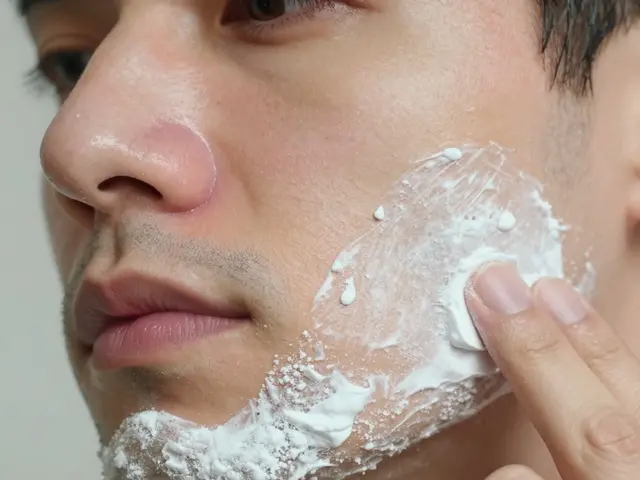

When it comes to waxing prep time, the window between when you stop shaving and when you show up for your waxing appointment. Also known as hair growth window, it’s not just about waiting—it’s about setting yourself up for less pain, fewer ingrown hairs, and smoother results. Most people think they just need to let hair grow out, but timing matters more than you think. Too short and the wax won’t grip. Too long and it’s messy, painful, and harder to remove cleanly. The sweet spot? 1/4 to 1/2 inch of hair. That’s about 2 to 4 weeks after your last shave, depending on your hair growth speed. If you’ve been tweezing or threading, you might need to wait longer—sometimes up to 6 weeks—to let the follicle fully recover and regrow enough for wax to catch.
Eyebrow waxing, a precise method for shaping and removing fine facial hair. Also known as brow waxing, it’s one of the most common services at Halo Hair North Carolina, and prep is even more critical here. Your brows are delicate. If you wax too soon after plucking, you risk irritating the skin or pulling out hair that’s still too short. If you wait too long, you get uneven shapes and more discomfort. The best time to book? When your brow hairs are visible but not wild—just enough to grab. And don’t skip the pre-wax routine: no caffeine 4 hours before (it tightens skin), no exfoliating 24 hours prior (it leaves skin raw), and no sunscreen or oil-based lotions on the area (they block wax adhesion). If you’re using retinoids or acne meds, tell your technician—they can affect skin sensitivity.
Hair removal prep, the steps you take before waxing to ensure safety, comfort, and effectiveness. Also known as pre-wax care, it’s not optional—it’s the difference between a good experience and a bad one. A lot of people think waxing is just about the wax. But the real work happens before you lie down. Clean skin. Dry skin. No lotions. No sweat. If you’re doing at-home waxing, a DIY hair removal method using wax strips or kits. Also known as home waxing, it’s popular because it’s affordable, but mistakes are easy to make. Skipping a shower before waxing? Big error. Sweat and dirt clog pores and make wax less effective. Showering 2 hours before is ideal—warm water opens pores, making hair removal easier. And if you’re prone to redness or irritation, apply a light aloe gel or soothing oil like castor oil 30 minutes before. It won’t stop pain, but it calms the skin and reduces swelling.
And then there’s waxing pain relief, strategies to reduce discomfort during and after waxing. Also known as pain management for waxing, it’s not about avoiding pain entirely—it’s about minimizing it. Cold compresses before, numbing sprays if your skin is sensitive, and breathing deeply during the pull all help. Post-wax, avoid tight clothes, hot showers, and sweating for 24 hours. That’s when your pores are open and vulnerable. If you’ve had bad experiences before, don’t assume it’s always going to hurt. It’s not about your pain tolerance—it’s about your prep. Most people who switch from shaving to waxing say the second time is way easier. Why? Because they learned how to prep right.
What you’ll find below are real, practical tips from people who’ve been there—how to time your waxing right, what to avoid, what actually helps with sensitivity, and why some methods work better than others. No fluff. No myths. Just what works for real skin, real hair, and real life in North Carolina.
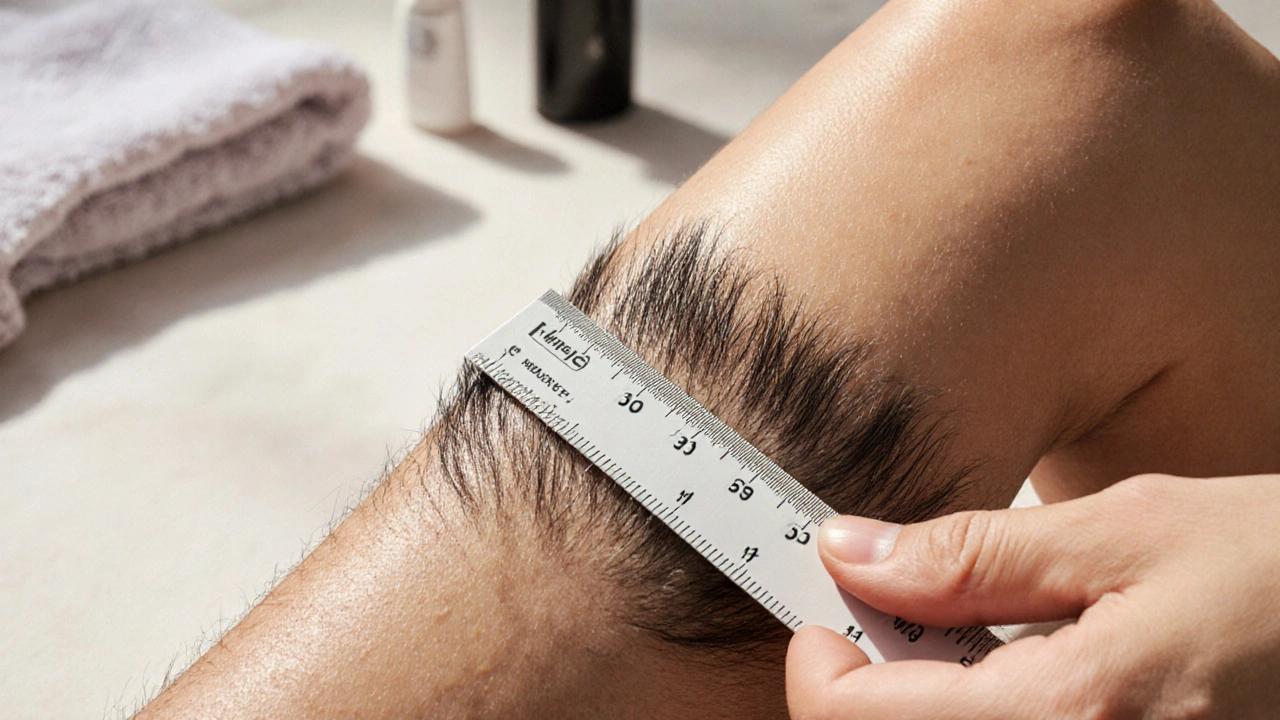
Find out exactly how long you need to let your hair grow before waxing for the best results. Learn the ideal length, timing by body area, and how to avoid common mistakes.
 9
9