
When you want to change your hair color without the commitment—or the damage—semi-permanent hair dye, a color treatment that coats the hair shaft without lifting natural pigment. Also known as deposit-only color, it’s the go-to for people who want to try red, pastel, or bold tones without bleaching or waiting months to grow it out. Unlike permanent dye, it doesn’t open the hair cuticle with ammonia or peroxide. That means less breakage, less dryness, and no harsh roots. You get color that fades gradually, like a sunset, not a bad dye job.
This type of color works best on hair that’s already lightened or naturally light. If your hair is dark and you slap on pastel pink, you’ll mostly see a muddy tint. But if you’ve got medium to light brown, blonde, or highlighted hair, semi-permanent dye sticks well and looks vibrant. It’s also ideal if you’re transitioning from dyed hair back to natural, a process that takes time and care to avoid harsh contrasts. Many people use semi-permanent color to blend out roots while their natural color grows in, especially after going from bright blonde to brown. And if you’ve ever had a bad box dye experience—like your brown dye turning your hair ashy or grey—you’ll appreciate how gentle this option is.
How long does it last? Usually 4 to 12 washes, depending on your hair type, how often you wash it, and the shade you pick. Bright colors like violet or blue fade faster than deeper tones like burgundy or mahogany. Washing with cool water and sulfate-free shampoo helps it stick around longer. And if you’re worried about staining your pillow or towels? Most semi-permanent dyes don’t bleed after the first rinse, unlike some temporary colors that leave a trail.
It’s not just about looks—it’s about hair health. If you’ve been through multiple bleaching sessions or are trying to recover from overprocessed hair, semi-permanent dye gives you color without more trauma. It’s the same reason so many women over 50 choose low-maintenance styles: they want freedom, not fixes. This color option fits right in. No salon visits every 4 weeks. No chemical rebuilds. Just a refresh when you feel like it.
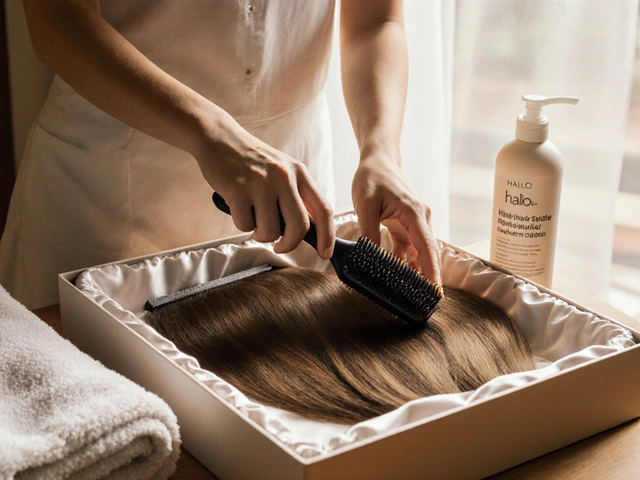
You’ll also find this color type in many hair extensions, especially clip-ins and halos, where natural blending matters. Brands like Bellami and Hot Head often use semi-permanent tones to match real hair without damaging the strands. That’s why you see so many posts here about caring for extensions—because the color treatment matters just as much as the application.
And if you’re curious about what happens after the color fades? It doesn’t leave you with patchy, orange roots like permanent dye. It just washes out. That’s why so many people use it to test-drive a new shade before committing. Want to see if you look good in ash blonde? Try a semi-permanent toner first. Thinking about going red? Dip your ends in a temporary red rinse. No regrets. No salon bill. Just real results.
What you’ll find in the posts below are real stories, real tips, and real fixes from people who’ve tried semi-permanent color—and lived to tell the tale. Whether you’re dealing with fading tones, mismatched extensions, or just want to know how to make your color last longer, these guides cover what actually works. No fluff. No hype. Just what you need to get the look you want without wrecking your hair.
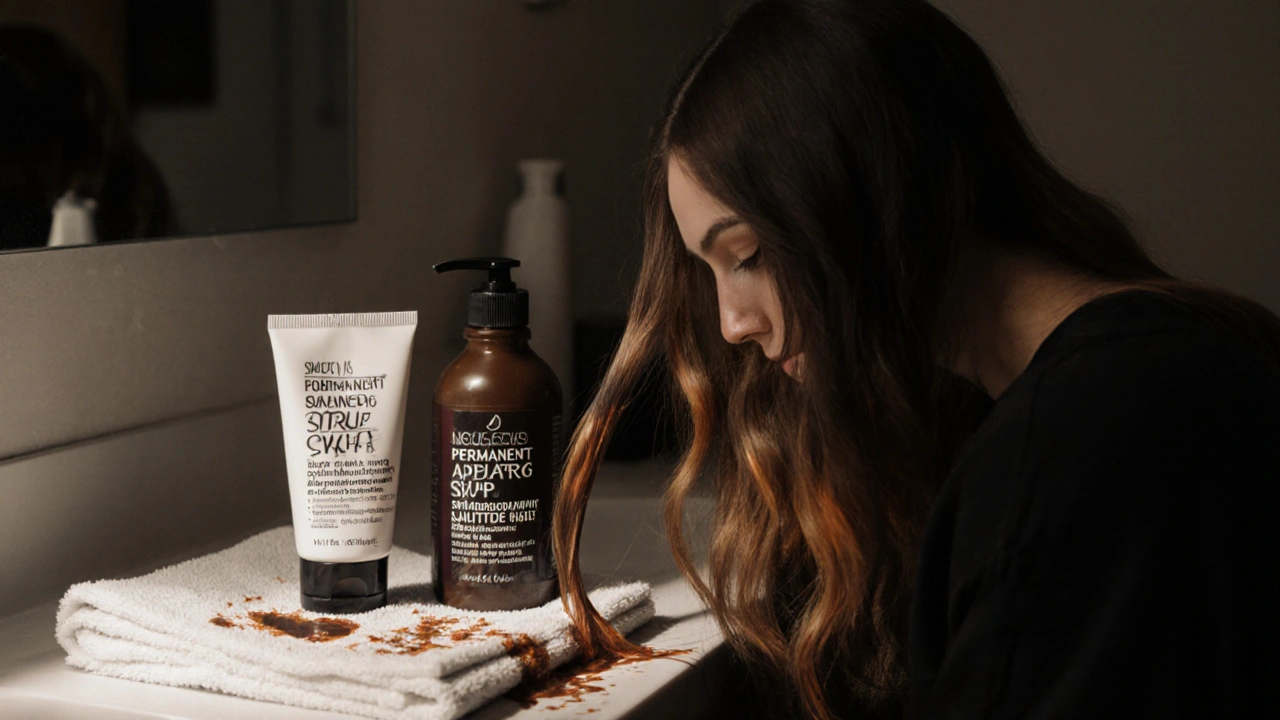
Mixing hair dye with conditioner can ruin your color or cause damage-unless you're using semi-permanent dye. Learn the science behind why permanent dye and conditioner don't mix, and how to safely use conditioner with deposit-only color masks.
 14
14